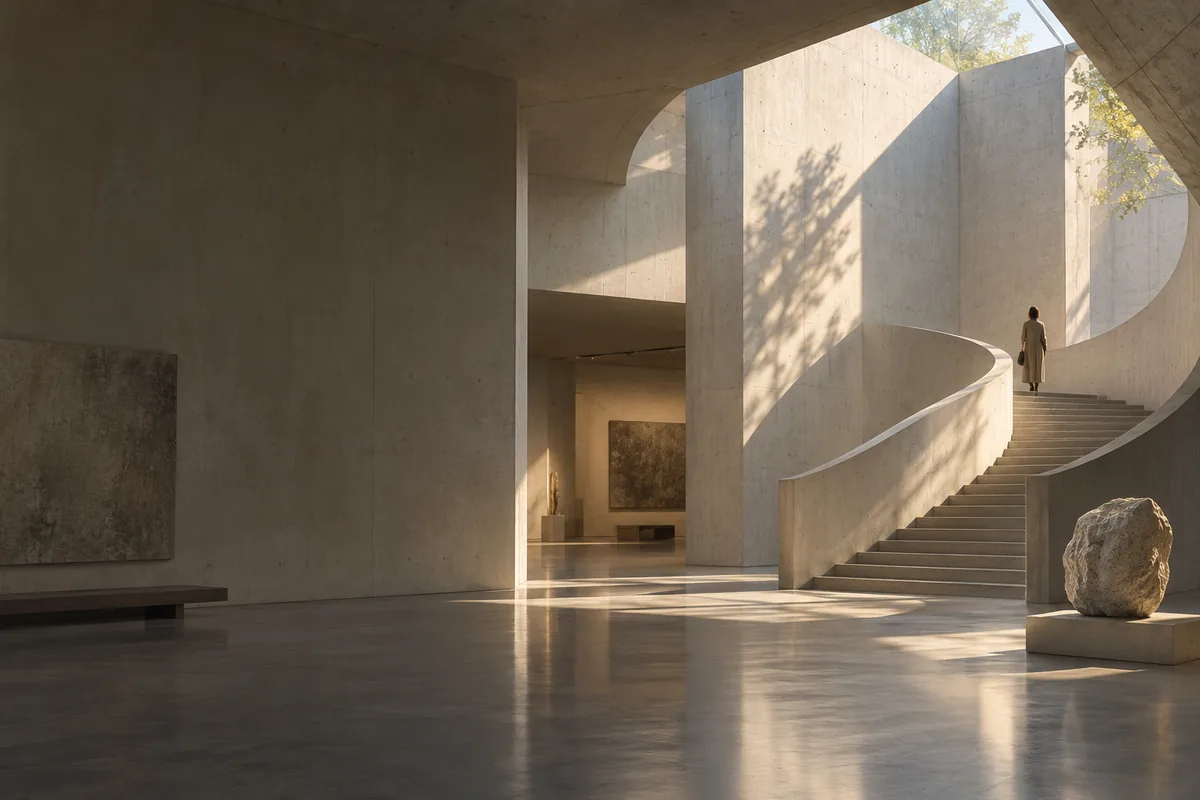
Concrete museum atrium crossed by natural light

Museum architecture guide

Museum architecture: the building as an experience of art.

Read thresholds, circulation, light, materials and the choices that connect a museum with its works, audience and city.
215 Directory81 countries

Museum architecture guide

The museum begins before the first artwork

Façade, plaza, entrance and cloakroom already direct the visit. Stairs, views, light and the sequence of galleries then shape our pace and attention.

Museum architecture must protect collections while welcoming bodies, uses and very different formats. Its successes often balance a building’s presence with availability for art.

Art guide

Three ways to read a museum

Read thresholds, circulation, light, materials and the choices that connect a museum with its works, audience and city.

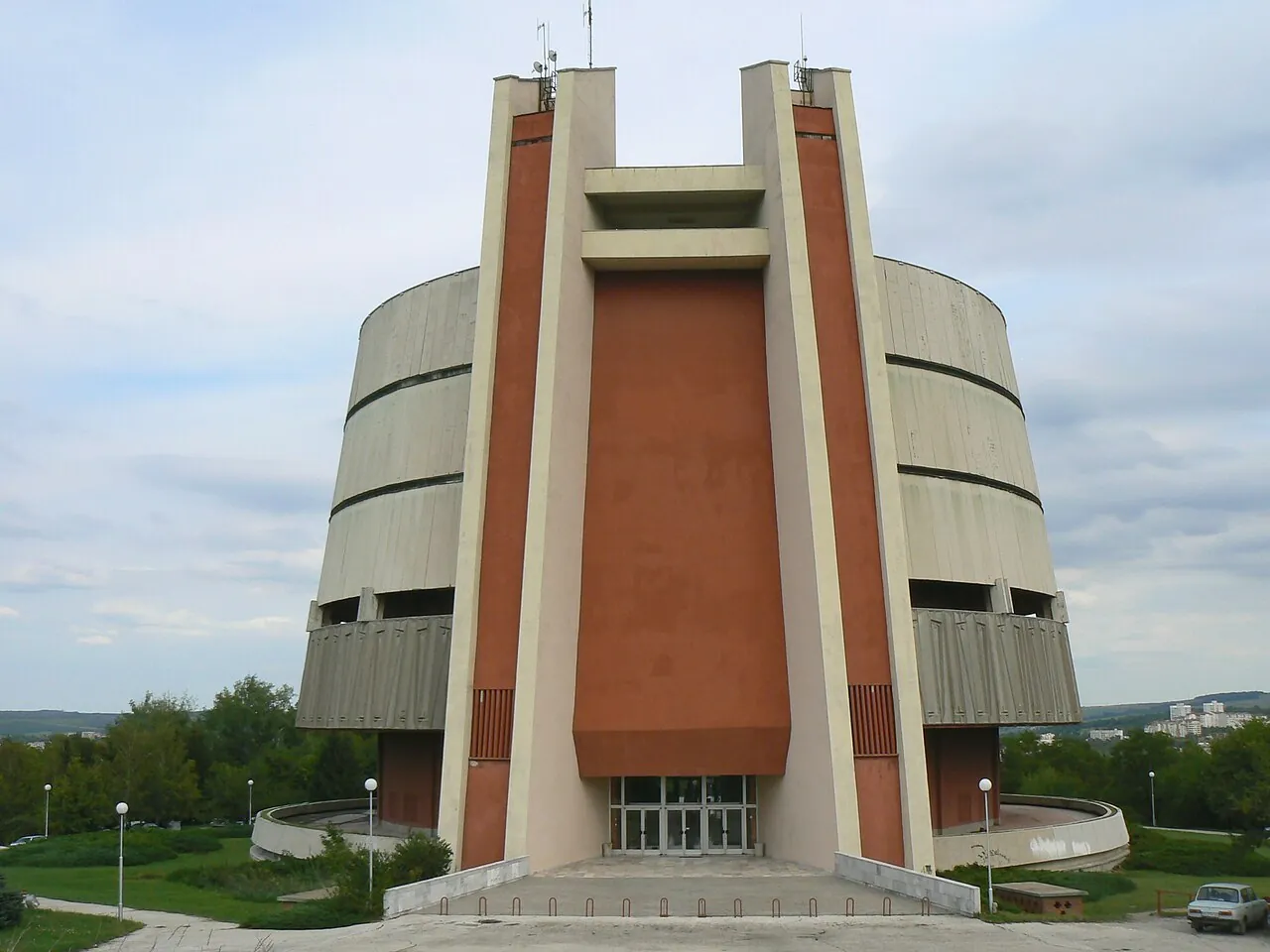
Photo from outside of the Panorama "Pleven epopee 1877", Pleven, Bulgaria
Vassia Atanassova - Spiritia
01

Routes and thresholds

Observe how you enter, orient yourself, change level and reconnect with outside. Circulation becomes narrative.
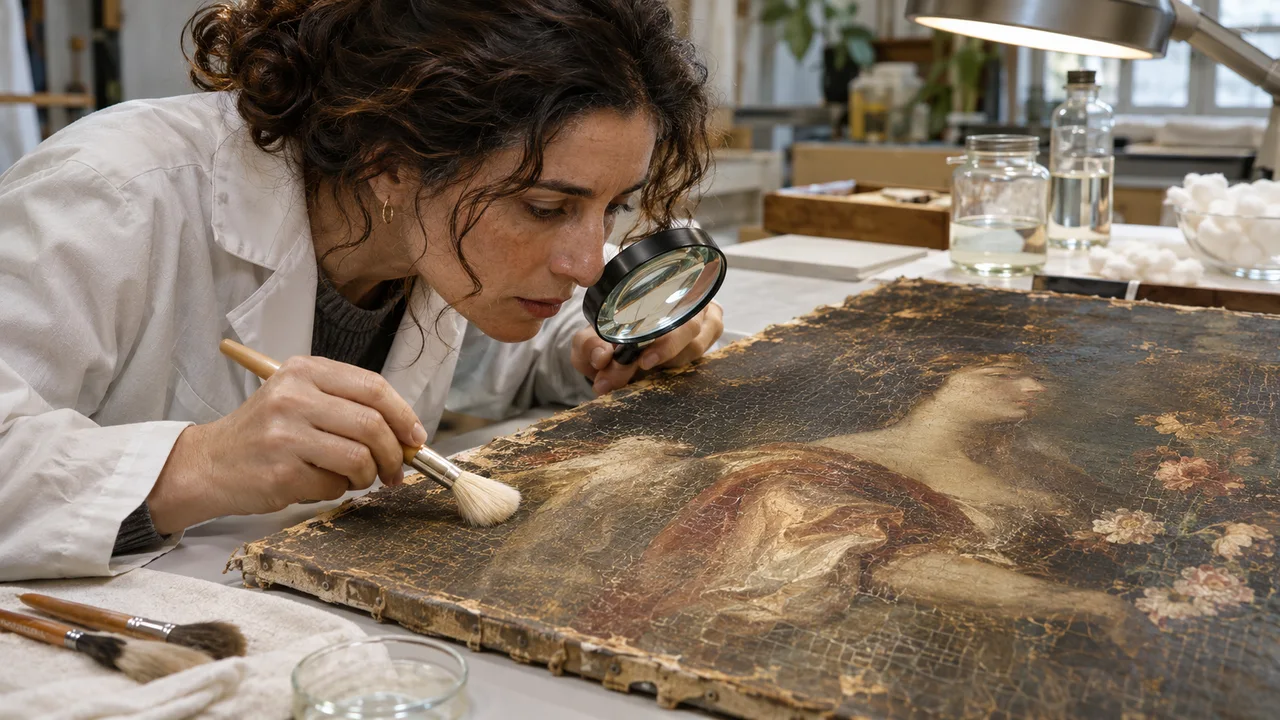
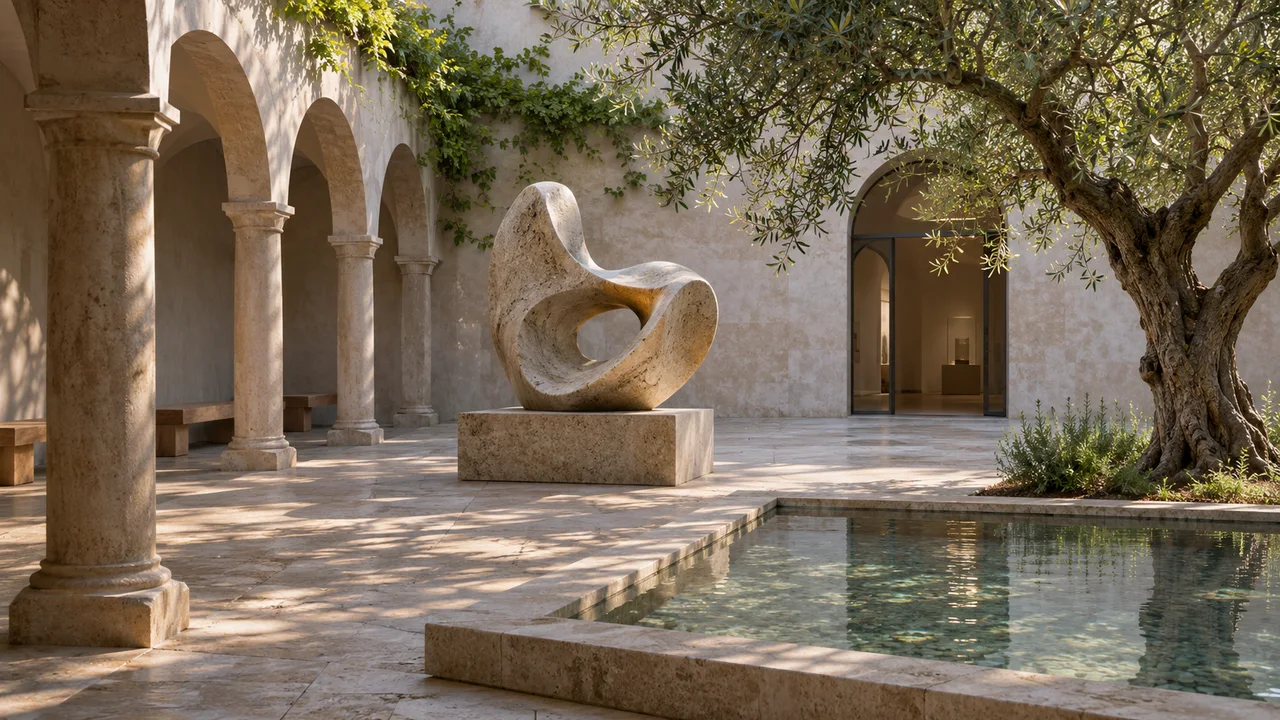
AI-generated illustration
02

Light and conservation

Daylight, filters, artificial light and shadow serve both visual comfort and the fragility of artworks.
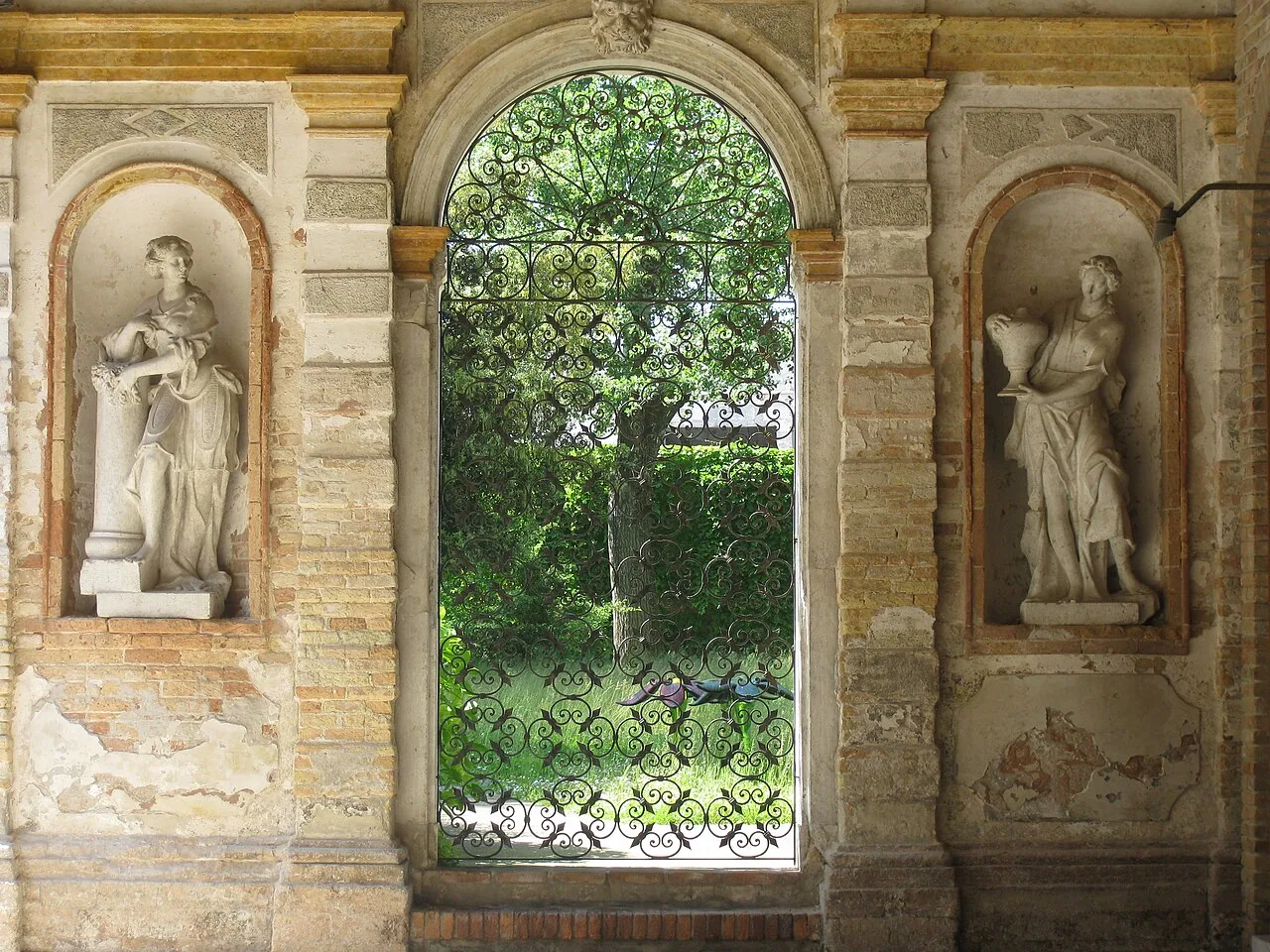
Archive photograph associated with Murano Glass Museum
Deror avi
03

Scale and materials

Height, width, acoustics, stone, timber, glass or concrete give character and alter how collections are perceived.

Museum architecture guide

Read architecture during a visit

  1. 01

    Look at the arrival

    Notice the relationship with the street, landscape, older building or cultural district.

  2. 02

    Map your route

    Observe choices, sightlines, shortcuts and places to pause.

  3. 03

    Compare galleries

    Scale, light and wall colour change with artworks and uses.

  4. 04

    Watch the return to the city

    Windows, terraces and framed views create a relationship among collection, visitor and urban context.

Glossary

Essential museum architecture vocabulary

Six terms for describing visitor space precisely.

AI-generated illustration
Atrium
A large internal volume that often distributes circulation and brings in light.
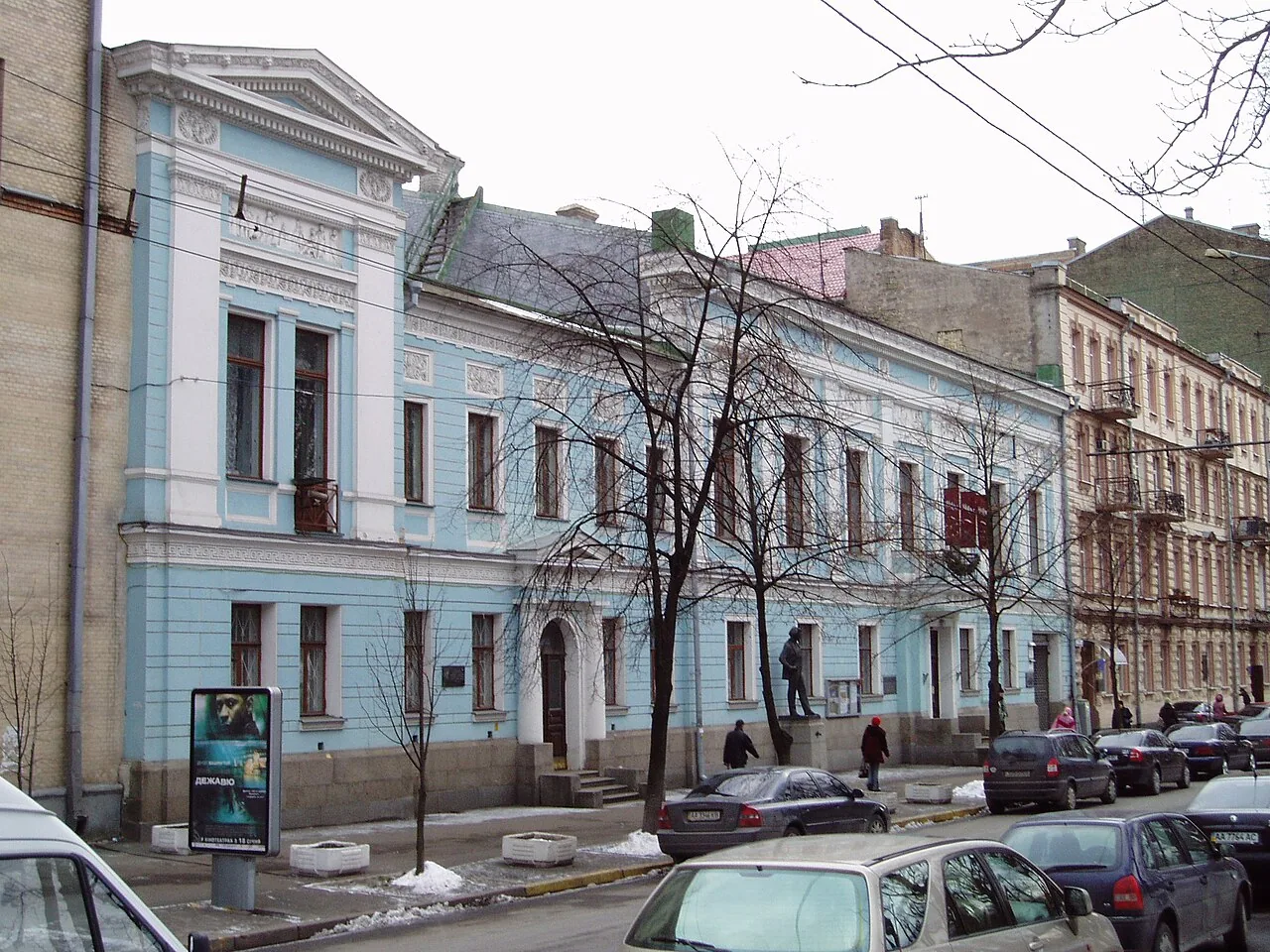
Archive photograph associated with Kiev National Picture Gallery
Martofliak
Picture rail
A wall or system designed for hanging artworks.
AI-generated illustration
Top lighting
Natural light entering through a rooflight, glazed ceiling or clerestory.
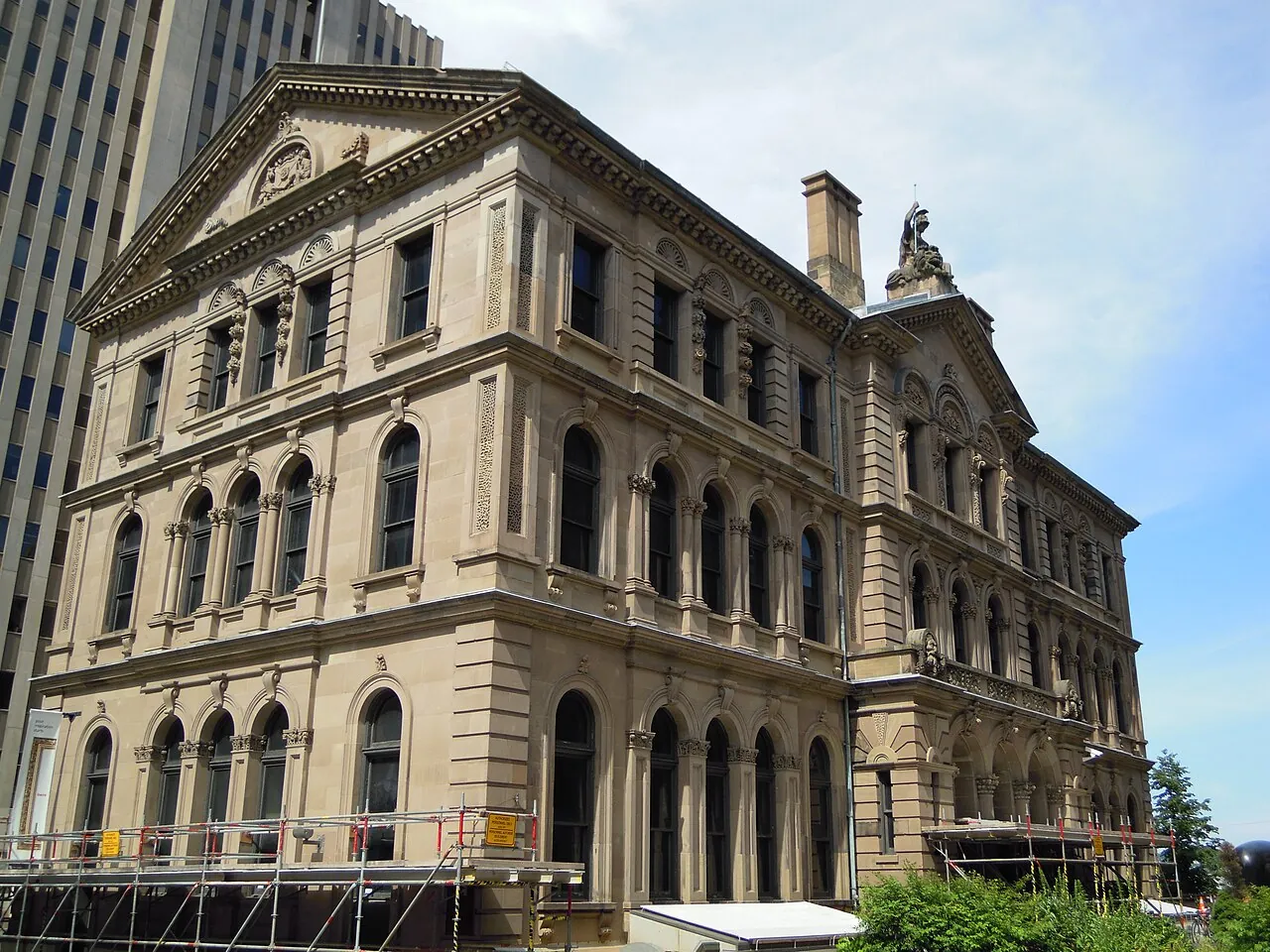
The former Dominion Building, now serving as part of the facilities of the Art Gallery of Nova Scotia.  Halifax, Nova Scotia, Canada.
Skeezix1000
Adaptive reuse
Transforming an existing building for a new function while retaining part of its fabric.
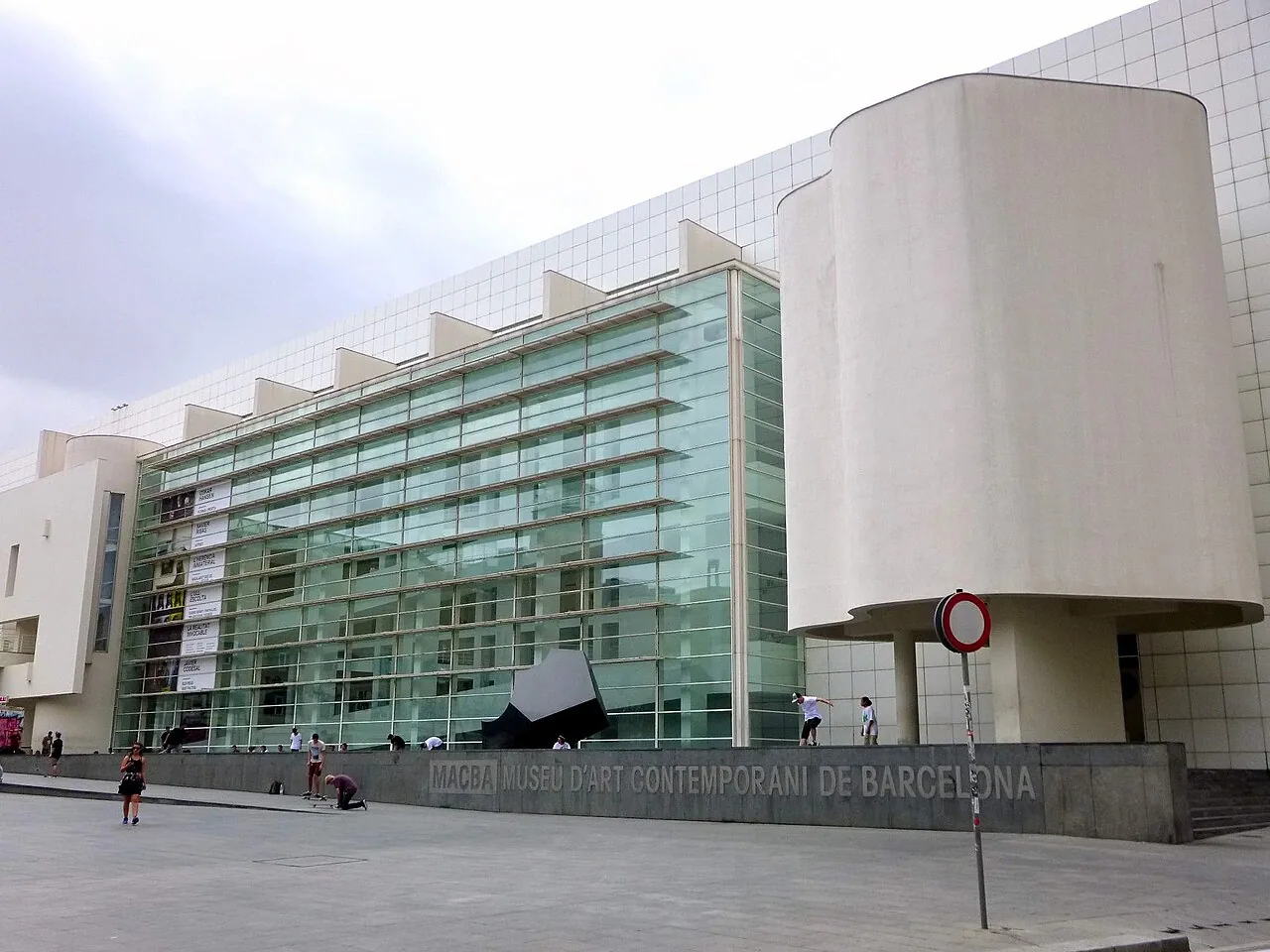
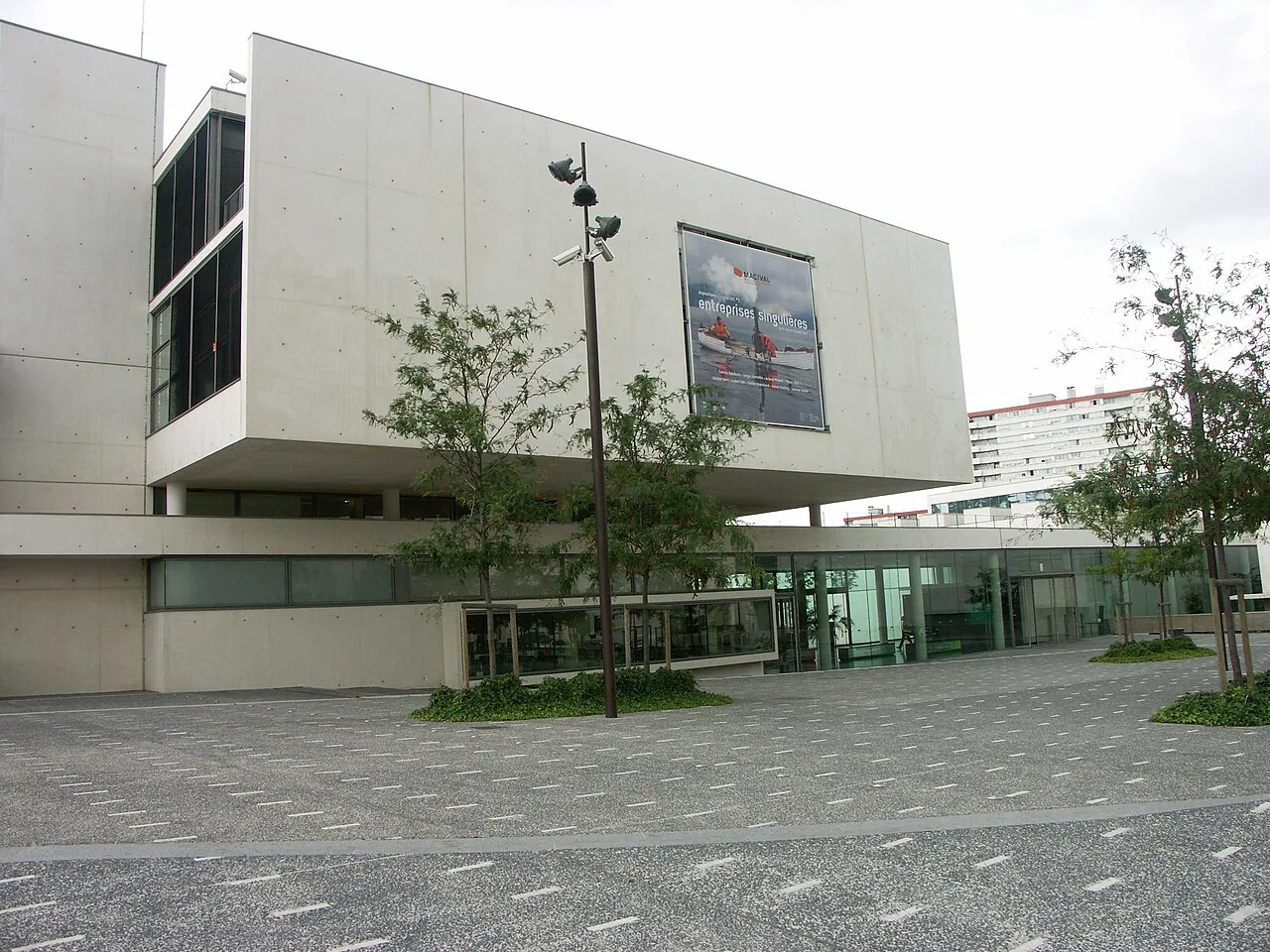
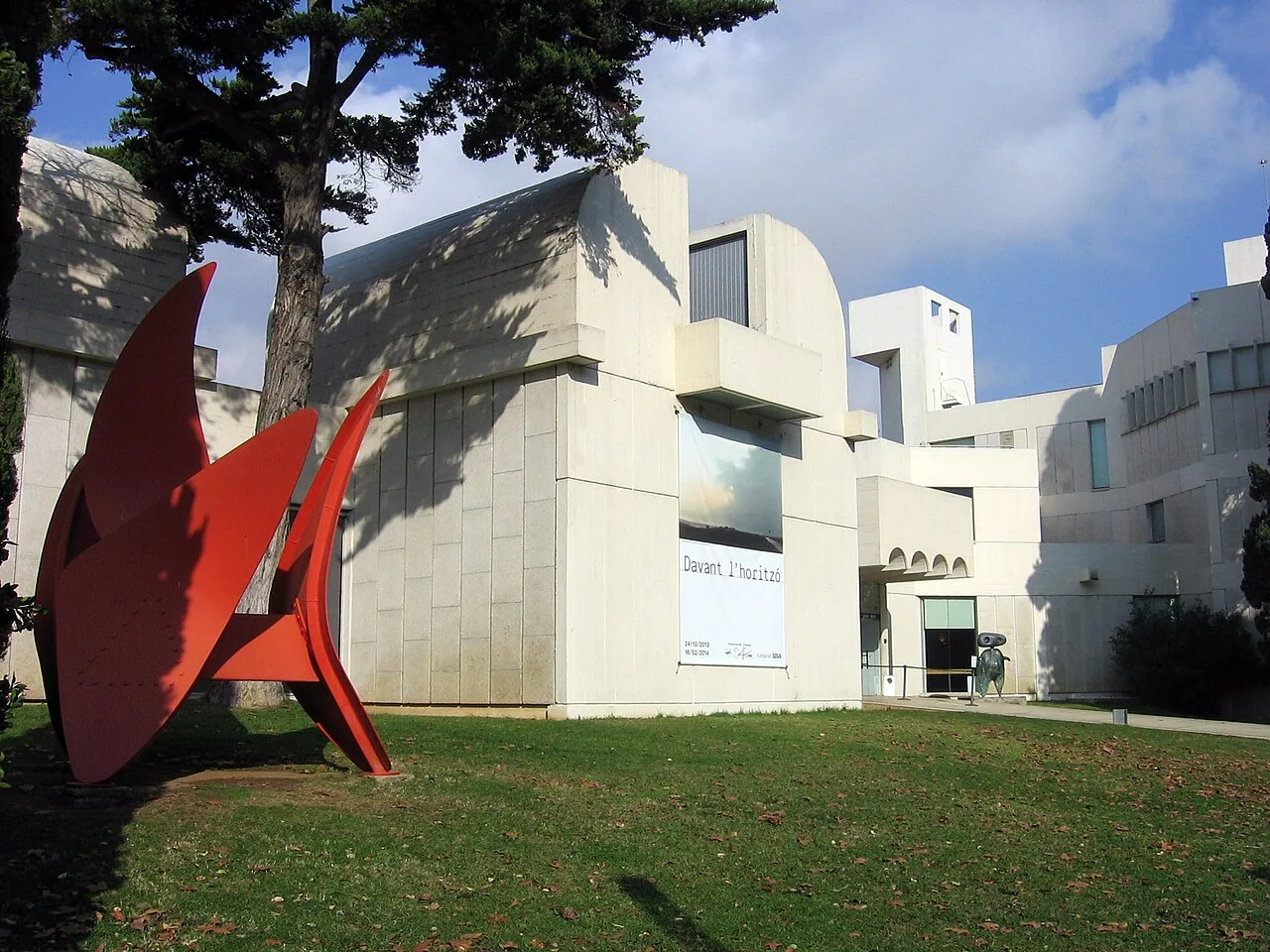
Archive photograph associated with MACBA Barcelona Museum of Contemporary Art
Zarateman
Extension
A contemporary addition that enlarges and reorganizes a museum.
AI-generated illustration
Exhibition design
The spatial and visual organization of a display, distinct from but related to architecture.
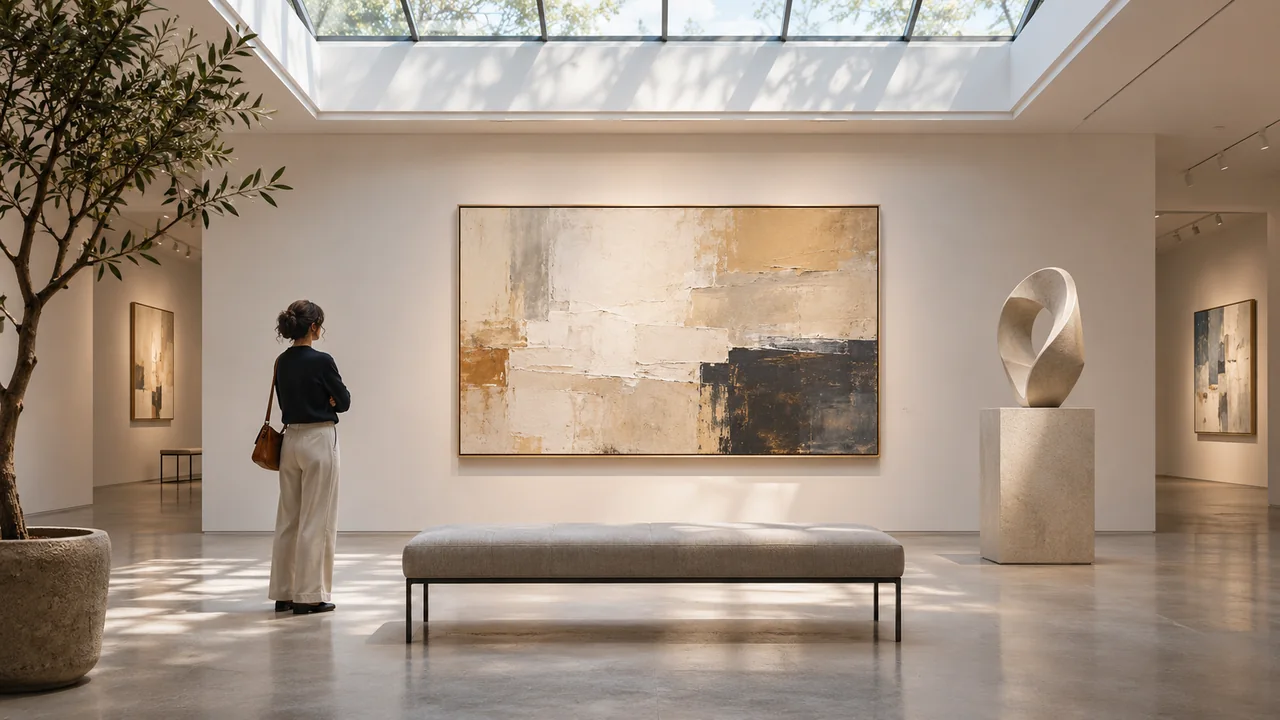
Museum architecture guide

Frequently asked questions about museum architecture

Understand museum architecture through circulation, light, scale, materials, adaptive reuse and the relationship among buildings, art, cities and visitors.

01Why do museums often have few windows?

Direct light can damage artworks. Architects filter or redirect it, or reserve openings for circulation spaces.

02Can spectacular buildings distract from art?

Not necessarily. It depends on the balance among identity, flexibility, comfort, conservation and gallery quality.

03Why turn factories into museums?

Large volumes support new formats, while reuse preserves urban memory and can reduce new construction.

04How can I better discover a museum?

Alternate between art and building: examine an empty room, stair, window or transition to see how space guides the visit.
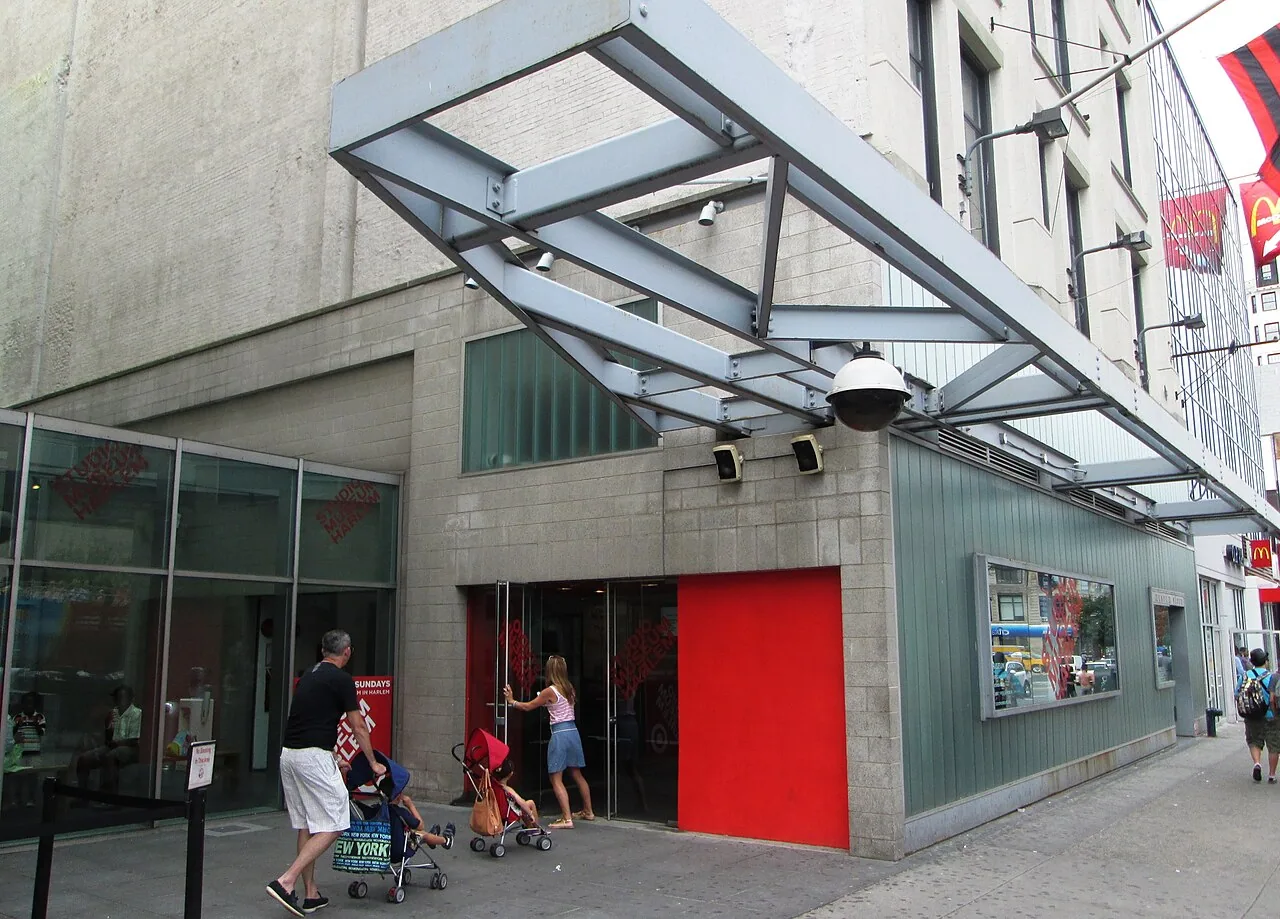
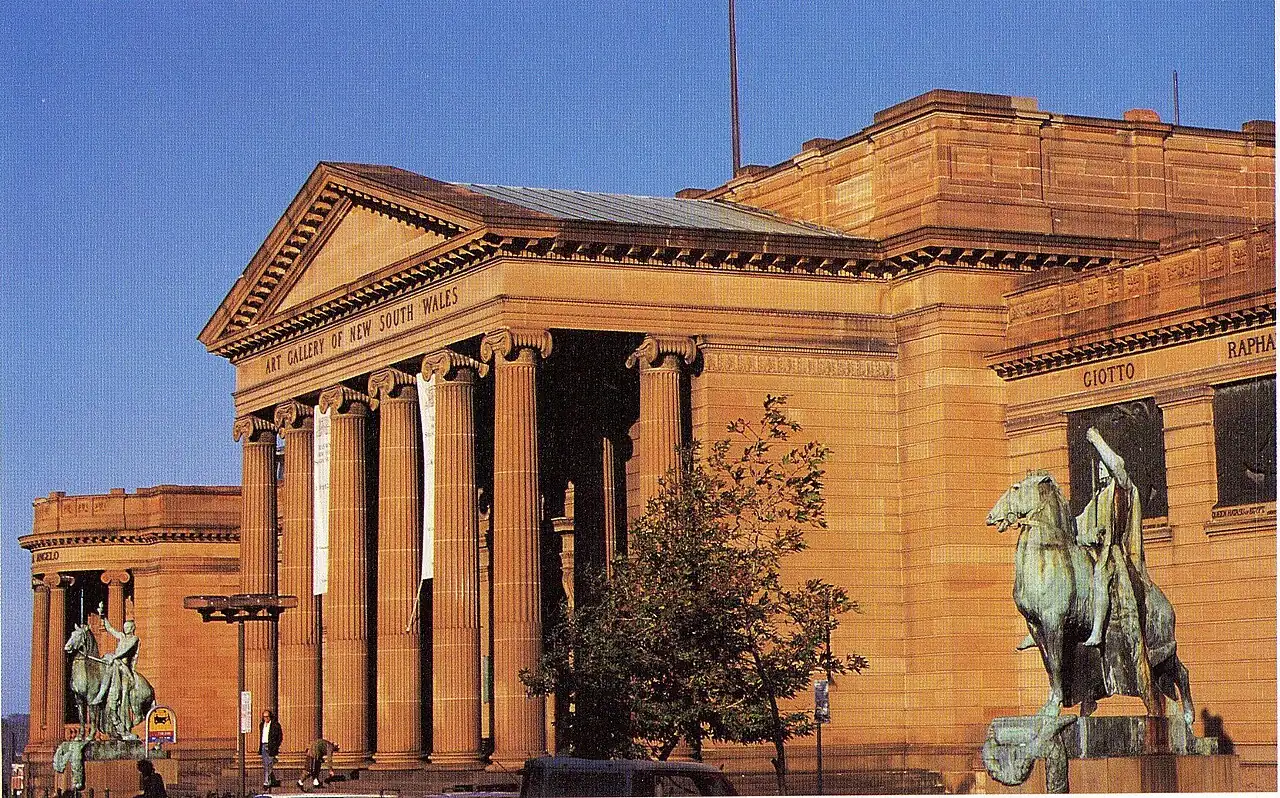
Destinations

Explore the directory by country

Countries and matching places in this directory selection.

Looking workshop

Reading a museum as a route

A façade gives a first impression. To read architecture, also observe how a building shapes your movement: entering, finding your way, going up, stopping and returning to a room.

Four dimensions of an architectural visit
Reference pointWhat it changesWhat to observe
ThresholdMoving from street to museum creates a transition of light, sound and scale.How do you identify the entrance?
CirculationStairs, ramps and corridors connect spaces while offering viewpoints.Can you return to a room without repeating the whole route?
LightDaylight varies; display lighting also responds to the needs of objects.Can you distinguish architectural lighting from exhibition lighting?
MaterialA surface interacts with light, scale and the visitor’s proximity.What does a close view reveal that the silhouette does not?

A question to start with

Can the most spectacular museum photograph explain the experience of visiting?

Explore a way of reading

It shows a selected viewpoint. Study use through multiple views, plans and access information. Circulation, room height and distances cannot be established from a façade alone.

Compare artworks: what changes your reading

Practical distinctions to check in collection records and observe during your visit.

Comparison for looking at art
DistinctionReading pointQuestions to ask
Façade and interior routeThe façade shows one face; an interior route reveals circulation, light and relationships between rooms. Exterior photographs do not confirm current access.Which entrance is used? Does the actual route match the published plan?
Plan and bodily experienceA plan locates spaces but does not convey height, light or acoustics. Combine documentation with observation.Where do scale and rhythm change? Where can you stop and orient yourself?
Building and exhibition designArchitecture and exhibition design have different roles. Partitions, supports and exhibition lighting may be temporary.What belongs to the building? What belongs to this exhibition?
Photographs: sources and licences

Archive photographs. WebP conversion and adapted cropping; social previews include the site logo. Images do not guarantee current conditions.