Directory

Compare museums and galleries

Choose up to three places to compare their locations, specialisms and official resources.

The initial selection contains institutions with a documented online catalogue. You can also add any directory entry from its profile.

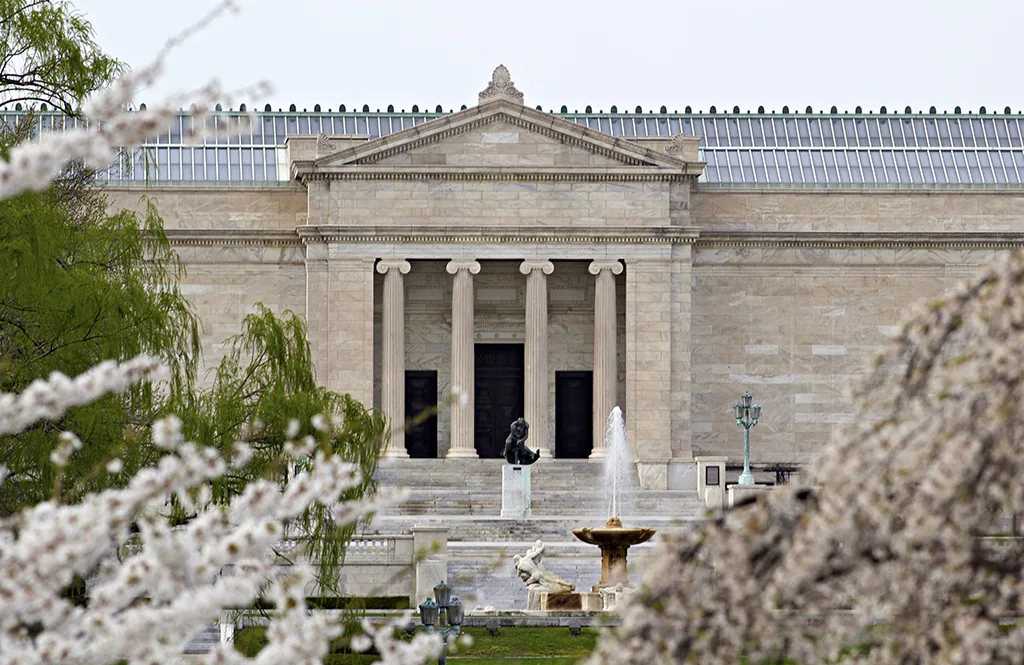
Archive photograph associated with Cleveland Museum of Art
zenbikescience

Find a place, then compare →

Compare museums and galleries
PlaceLocationSpecialismsOnline collection
Art Institute of ChicagoChicago · United StatesGlobal art · Design · Decorative arts · Painting · Sculpture · Photography · Asian artOnline collection ↗ — Art Institute of Chicago
Cleveland Museum of ArtCleveland · United StatesGlobal art · Painting · Sculpture · Decorative arts · Asian art · Photography · African artOnline collection ↗ — Cleveland Museum of Art
Museum of Modern Art (MoMA)New York · United StatesModern art · Contemporary art · Design · Photography · Moving image · Painting · SculptureOnline collection ↗ — Museum of Modern Art (MoMA)

Art Institute of Chicago : Official website

Cleveland Museum of Art : Official website

Museum of Modern Art (MoMA) : Official website

Specialisms

Start with a question: a technique, a period or a city. Specialisms overlap; they do not guarantee that a work is on display or a room is open.

Plan your visit

For a visit, check the building, ticket, exhibition and accessibility on each official website. For remote research, compare records, inventory numbers and image rights in the catalogues. Fictional case: two venues cover the same period, but only one documents the technique you study. For that task, use the relevant record rather than the total collection count. For a visit, separately check whether the specific object is on public display.

This comparison does not rank institutions or calculate journeys, prices or opening hours. Missing fields remain unknown.

Collection

Look at a documented artwork

Specific objects connect techniques, history and collections. These records do not guarantee that works are currently on display.

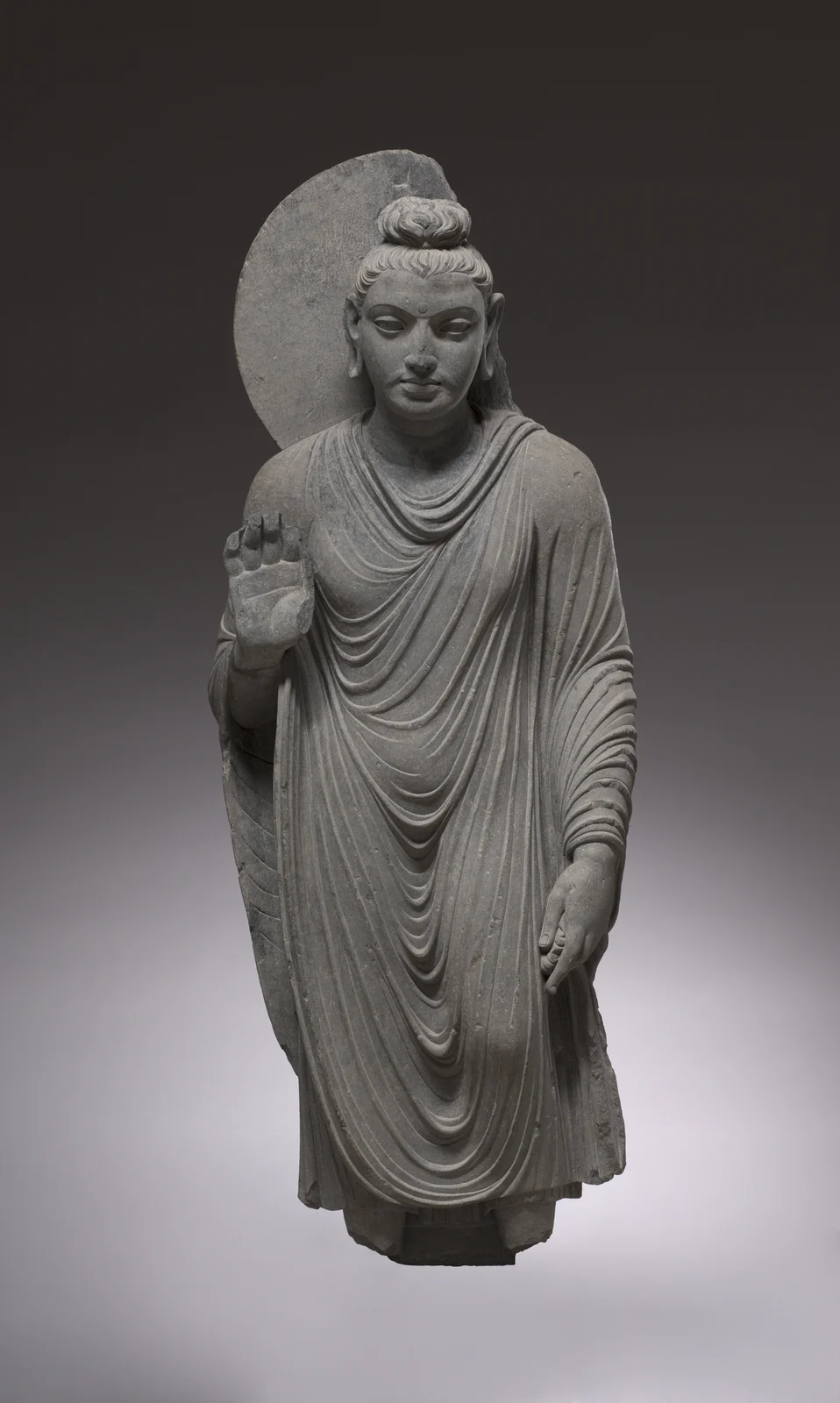
Standing schist Buddha wearing densely folded drapery beneath a halo.
The Cleveland Museum of Art · CC0

Standing Buddha

Date
150–200 CE
Medium and origin
Schist; Gandhara, Pakistan, Kushan period
Dimensions
119.7 cm
Inventory number
1972.43

The garment’s closely spaced folds contrast with the calm face. Follow the sculpture from halo to drapery, distinguishing surviving relief and missing parts. This Gandharan work offers a counterpoint to the bronze Nataraja: material, posture and religious context differ.

Museum record ↗ — Standing Buddha

Explore the museum — Cleveland Museum of Art →

Data consulted on .

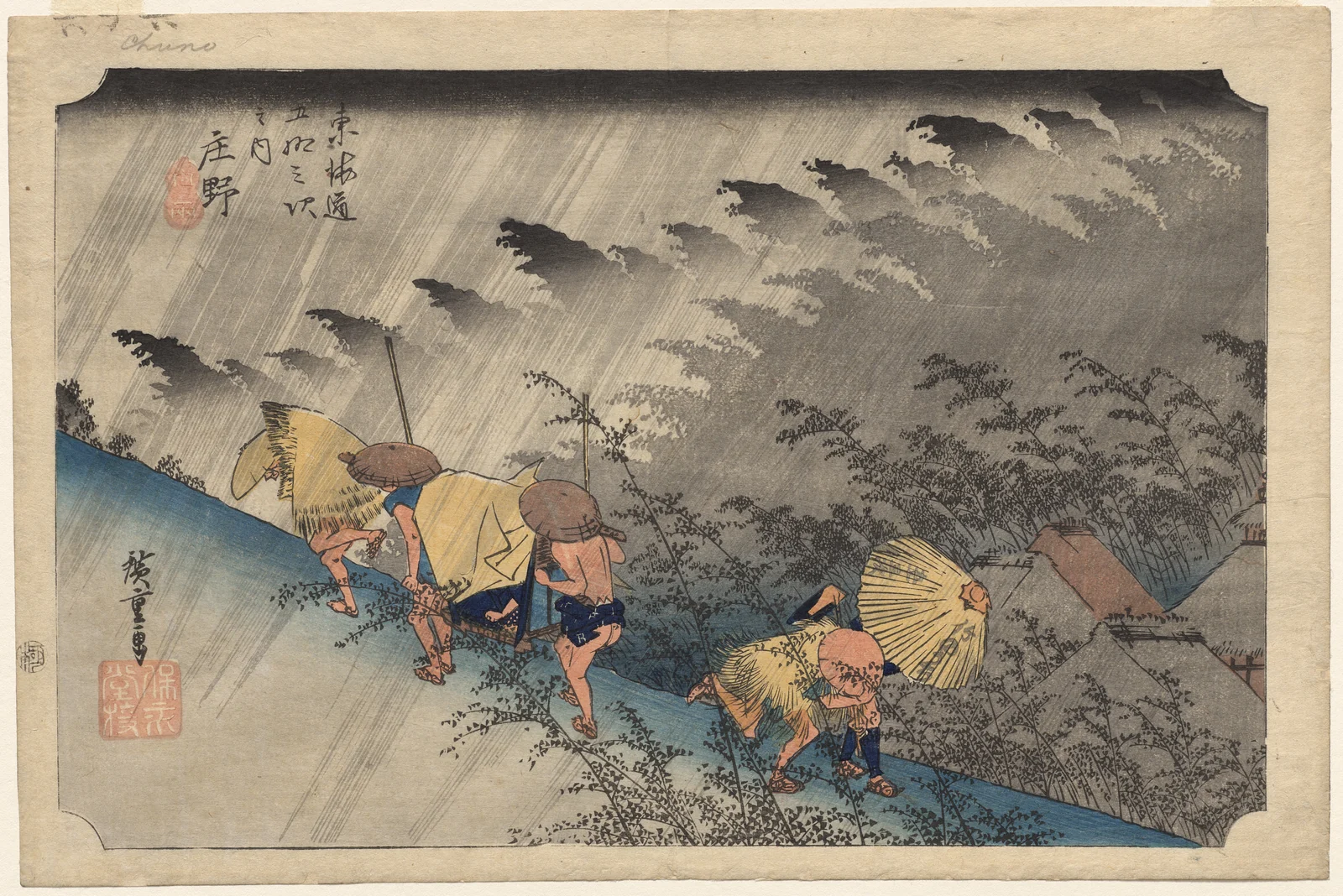
Travellers beneath slanting rain on a path beside dark bamboo.
The Cleveland Museum of Art · CC0

Utagawa Hiroshige

Driving Rain at Shono, from Fifty-Three Stations of the Tokaido

Date
1833
Medium and origin
Colour woodblock print; Japan
Dimensions
38 × 25.4 cm
Inventory number
1948.306

Rain’s diagonals give travellers and landscape a shared direction. The museum identifies three blocks for three grey shades in the distant bamboo. Compare these planes with foreground black lines to understand how a printed image builds atmosphere.

Museum record ↗ — Driving Rain at Shono, from Fifty-Three Stations of the Tokaido

Explore the museum — Cleveland Museum of Art →

Data consulted on .

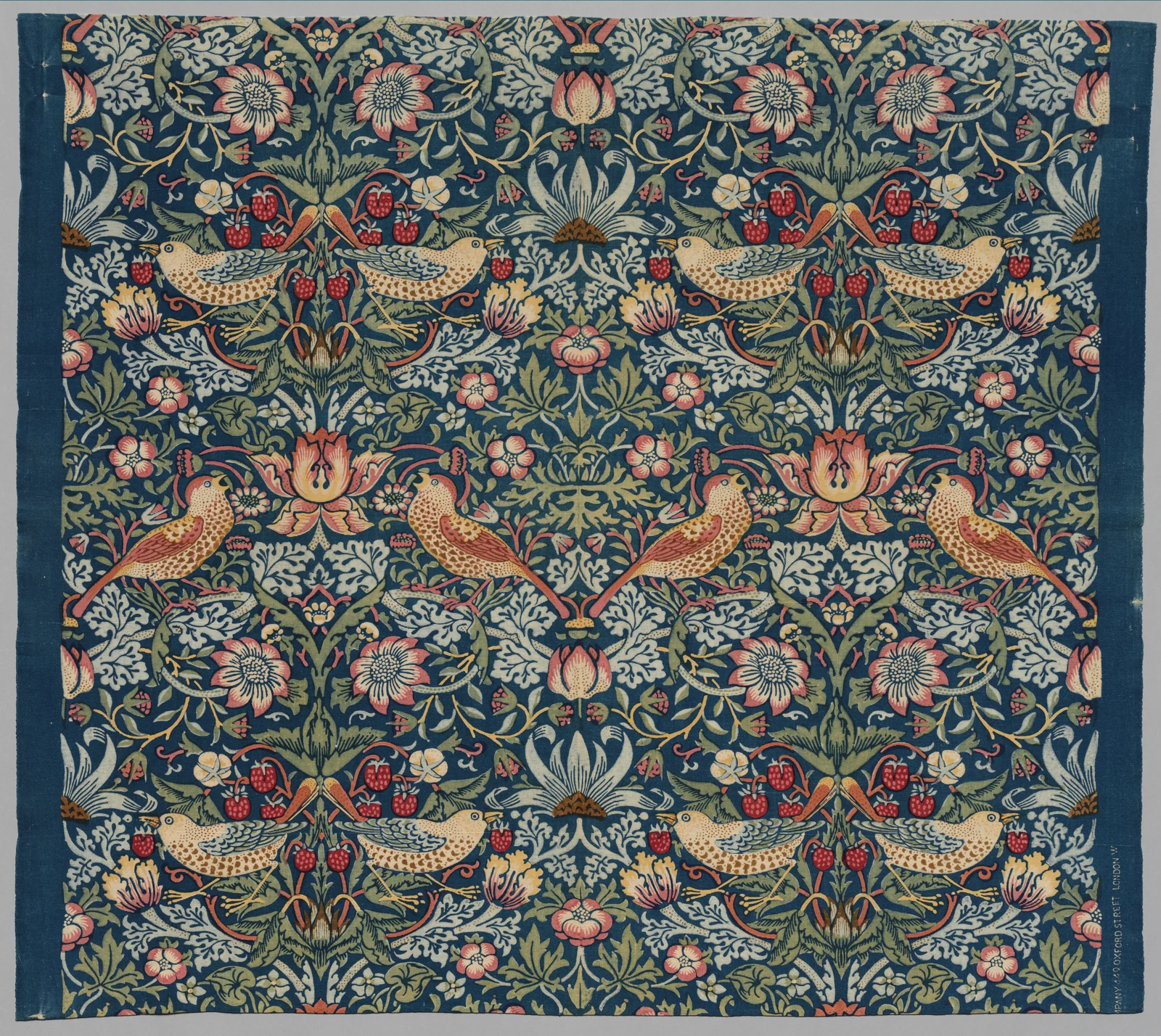
Blue-ground textile with paired birds, strawberries and symmetrically repeated foliage.
The Cleveland Museum of Art · CC0

William Morris

Strawberry Thief

Date
About 1936, surviving textile
Medium and origin
Plain-weave cotton, discharge printed; England
Dimensions
88.3 × 99.1 cm
Inventory number
1937.696

Birds, strawberries and stems form a repeat that continues beyond the fragment’s edge. William Morris is identified as designer; the museum dates the surviving cloth to about 1936. Distinguish pattern design, manufacture of this example and entry into the collection.

Museum record ↗ — Strawberry Thief

Explore the museum — Cleveland Museum of Art →

Data consulted on .

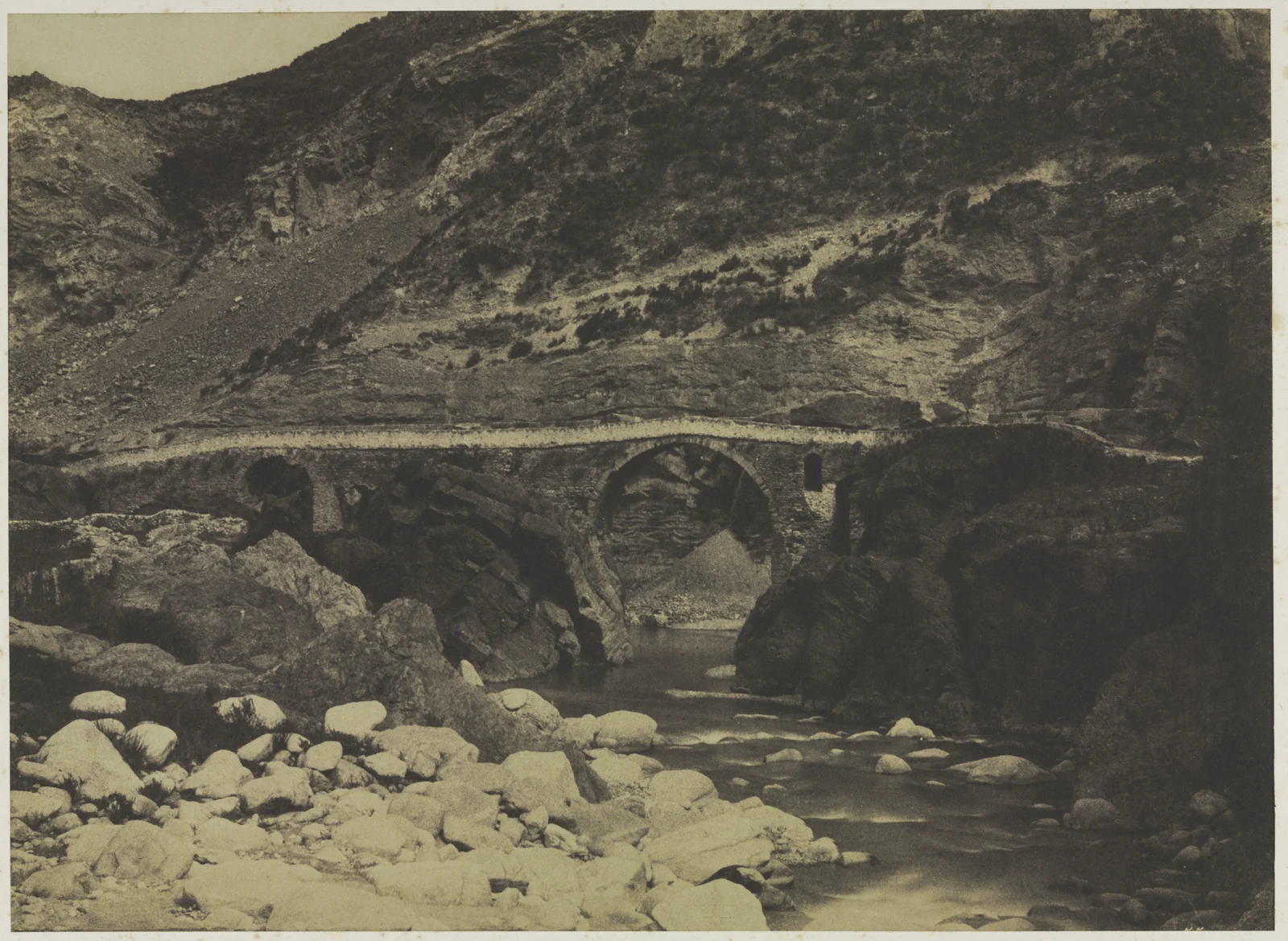
Arched stone bridge in a rocky landscape, photographed in brown tones.
The Cleveland Museum of Art · CC0

Gustave Le Gray

The Bridge of Palalda

Date
1851–1852
Medium and origin
Salted-paper print from a waxed-paper negative
Dimensions
23.8 × 32.7 cm
Inventory number
1987.130

The bridge remains a small line within rocks, water and slopes. Compare this arrangement with an architectural record centred on the structure. The process combines a waxed-paper negative and a salted-paper print; the stated dimensions refer to the image.

Museum record ↗ — The Bridge of Palalda

Explore the museum — Cleveland Museum of Art →

Data consulted on .

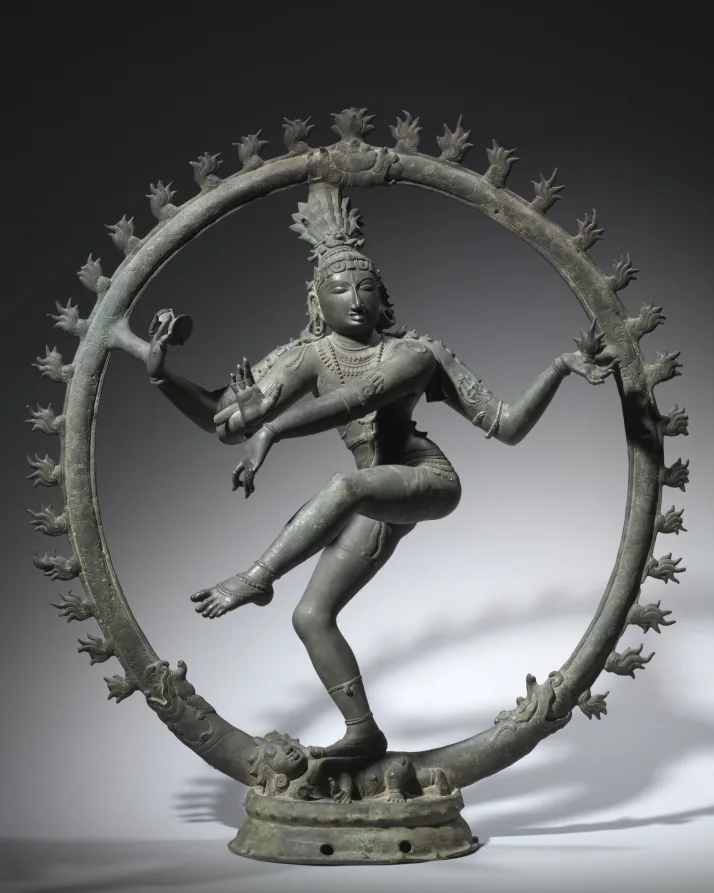
Four-armed Shiva dances within a ring of flames above a small figure.
Cleveland Museum of Art · CC0

Nataraja, Shiva as the Lord of Dance

Date
11th century
Medium and origin
Bronze; Tamil Nadu, South India
Dimensions
113 × 102 × 30 cm
Inventory number
1930.331

The record places this bronze in Chola-period Tamil Nadu. It links the drum to passing time, fire to destruction and the trampled figure to ignorance. Describe the arms, supports and circle first, then compare your observation with this documented interpretation: recognising a motif does not by itself explain its meaning.

Museum record ↗ — Nataraja, Shiva as the Lord of Dance

Explore the museum — Cleveland Museum of Art →

Data consulted on .

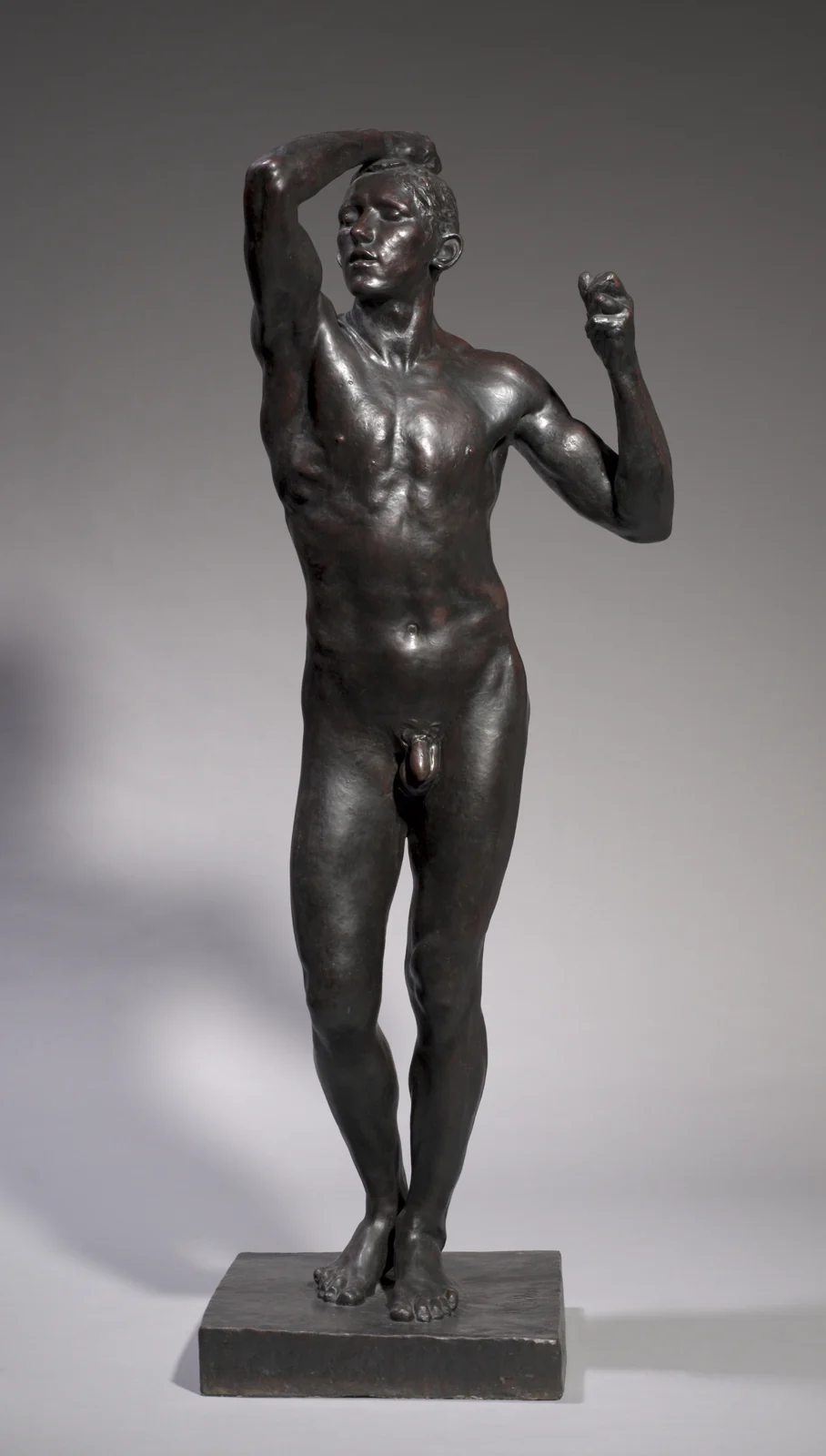
Standing male bronze figure with raised arms on a rectangular base.
The Cleveland Museum of Art · CC0

Auguste Rodin

The Age of Bronze

Date
Model 1875–1876; cast commissioned in 1916
Medium and origin
Bronze
Dimensions
182.2 × 66.4 × 47 cm
Inventory number
1918.328

The nearly life-size body invites comparison of balance, twist and raised arms. The museum dates this cast’s commission to 1916: a model’s date does not date every bronze. Measurements include the base, while the patina also affects how relief catches the eye.

Museum record ↗ — The Age of Bronze

Explore the museum — Cleveland Museum of Art →

Data consulted on .

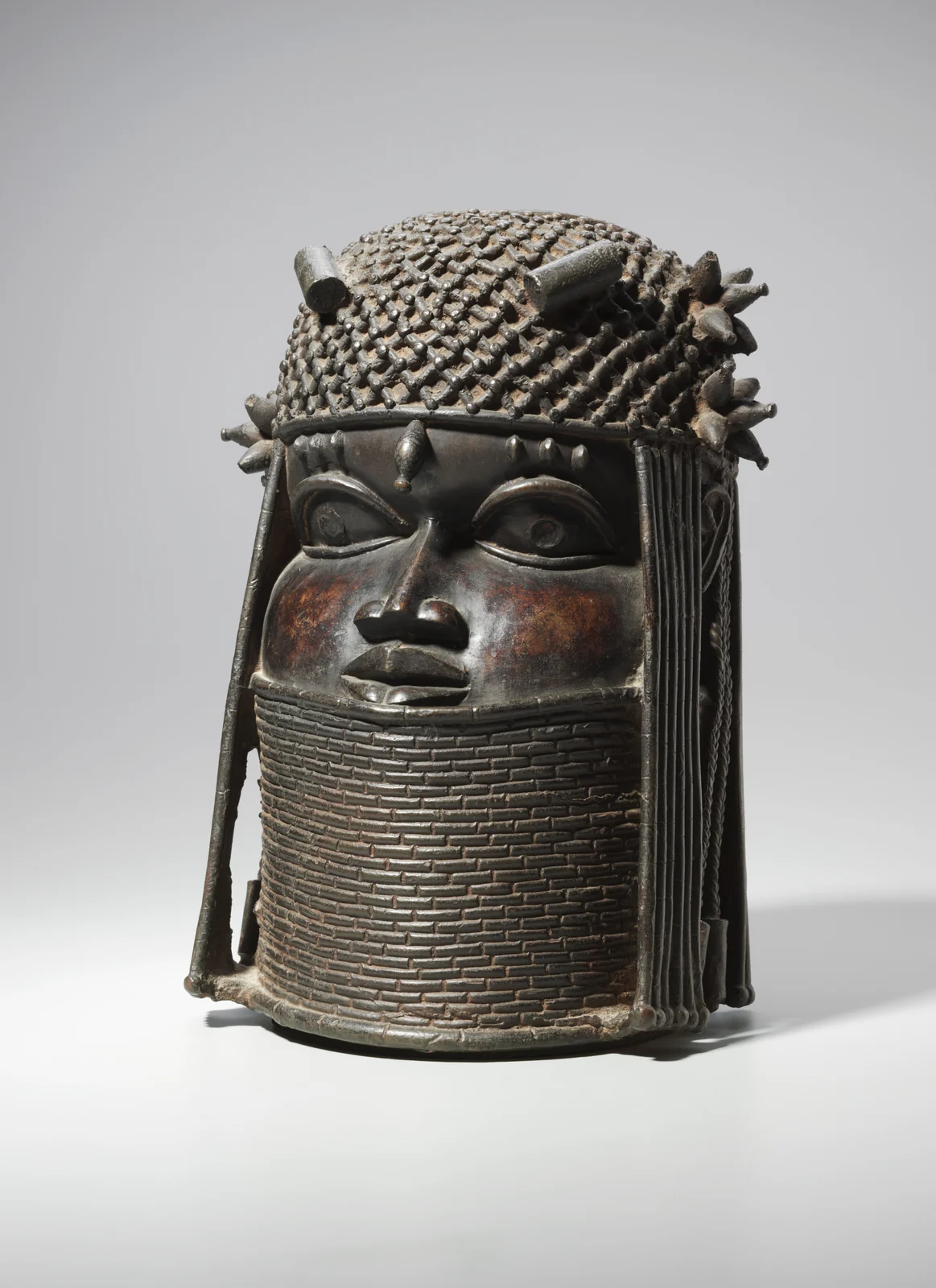
Metal head with high beaded collar, patterned cap and two ornaments beside the face.
The Cleveland Museum of Art · CC0

Ancestral Commemorative Head, uhunmwun-elao

Date
Possibly mid-1500s or early 1600s
Medium and origin
Copper alloy and iron; Benin Kingdom, Nigeria, Edo peoples
Dimensions
29.9 × 21.6 × 20.4 cm
Inventory number
1938.6

Beaded collars and a cap frame an idealised face; the head once supported a tusk on an ancestral altar. Published provenance records its transfer to Europe after the Siege of Benin in 1897. Read this history alongside the object’s form and religious purpose.

Museum record ↗ — Ancestral Commemorative Head, uhunmwun-elao

Explore the museum — Cleveland Museum of Art →

Data consulted on .

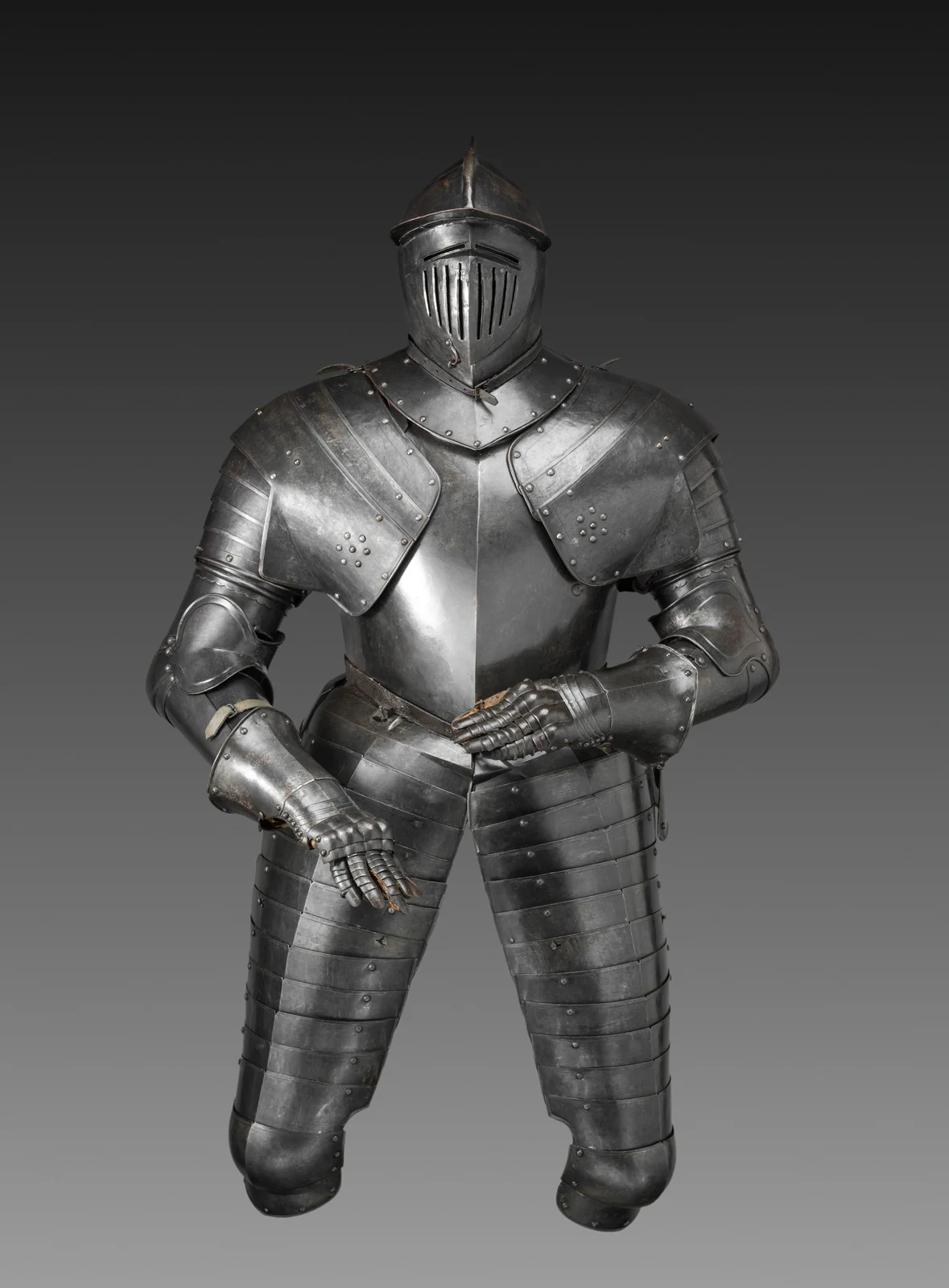
Dark armour with closed helmet, breastplate and articulated plates over the thighs.
The Cleveland Museum of Art · CC0

Cuirassier’s Armor

Date
About 1600–1620
Medium and origin
Steel, leather straps; Austria, Graz ?
Dimensions
171.4 cm
Inventory number
2012.37

Articulated plates protect the body while allowing some movement. Find the shoulder, elbow and waist joins; the leg armour stops before the rider’s boots. The museum describes steel that was originally blued and is now black: surviving appearance need not equal original appearance.

Museum record ↗ — Cuirassier’s Armor

Explore the museum — Cleveland Museum of Art →

Data consulted on .

Open Access reproduction · CC0. Resized and converted to WebP, without cropping. Translated title; the museum record retains the reference title.