Art guide
Why discover this place?
This page provides a stable editorial reference. For hours, prices, temporary exhibitions, access and booking, always check the official source.
Official website
Cleveland · United States
Cleveland Museum of Art search supports artist, culture, title and medium, with separate filters for works on view, Open Access and objects in 3D. These serve different purposes: planning a visit, studying an object or finding a documented reproduction.
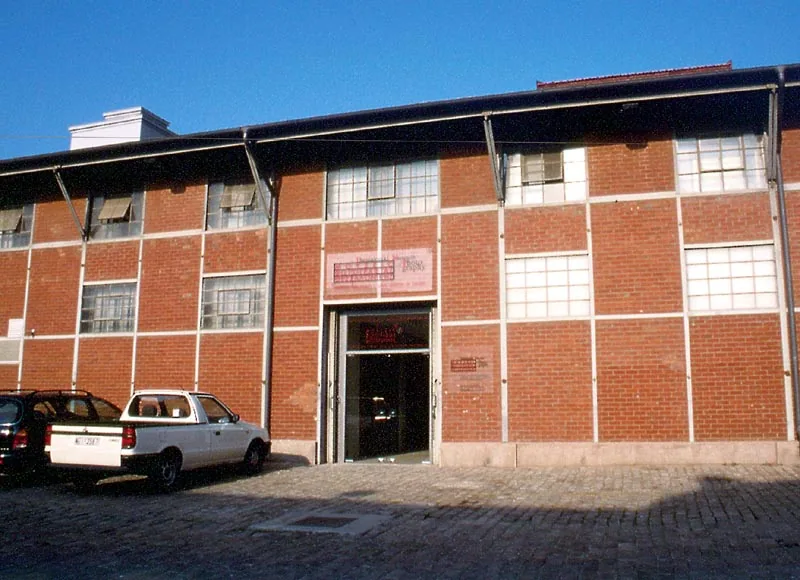
Archive photograph · zenbikescience · CC BY 2.0 · WebP; adapted display crop.
Compare museums and galleries →
Art guide
This page provides a stable editorial reference. For hours, prices, temporary exhibitions, access and booking, always check the official source.
Official website

These attributions may concern different stages or buildings. Consult the source for context. Wikidata ·
View source — www.clevelandart.org ·
Specialisms : View source · Data retrieved
Data retrieved : · Wikidata — View source
Coordinates locate the institution; they do not guarantee the location of an accessible entrance.
Wikidata ·
Explore the online collection ↗Look more closely
Choose a reading method to prepare your observations and consult the museum’s object records.
Understand an object’s information without confusing observation, documentation and questions still under discussion.
Read the guide →Observe how an image is made and compare its material effects without diagnosing a work remotely.
Read the guide →Move beyond a frontal image to observe silhouettes, gaps and the relationship with a setting.
Read the guide →Distinguish printing matrix, impression and edition to understand printed images.
Read the guide →Directory
Other places in this directory sharing its city, country or specialisms.
Collections and practices
These specialisms provide an editorial overview of the collections and programme, helping to place the institution before checking its official listings.
Connect periods, regions and media through an open reading of art history.
Find more places for Global art →
Look at colour, composition, supports and gestures across different periods of painting.
Find more places for Painting →
Discover how material, volume, void and scale transform our relationship with space.
Find more places for Sculpture →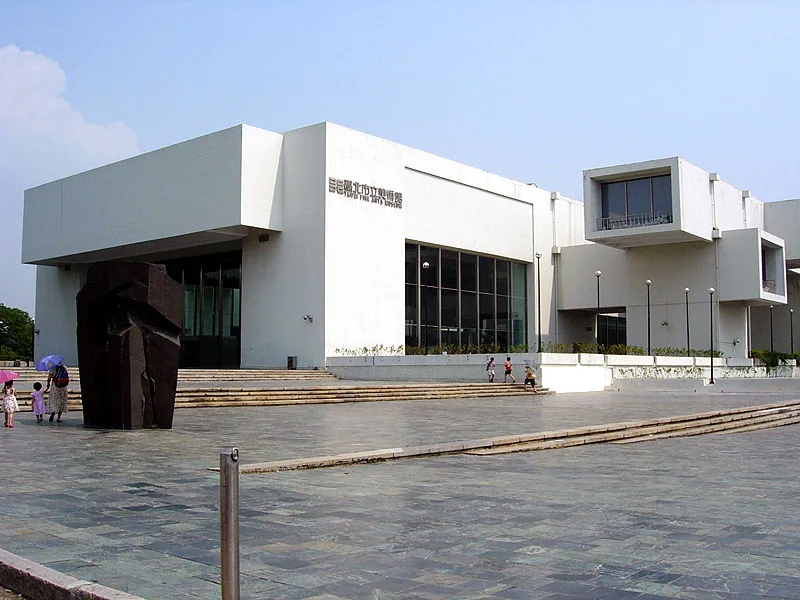
Explore craftsmanship, materials and formal invention in functional and ceremonial objects.
Find more places for Decorative arts →Art guide
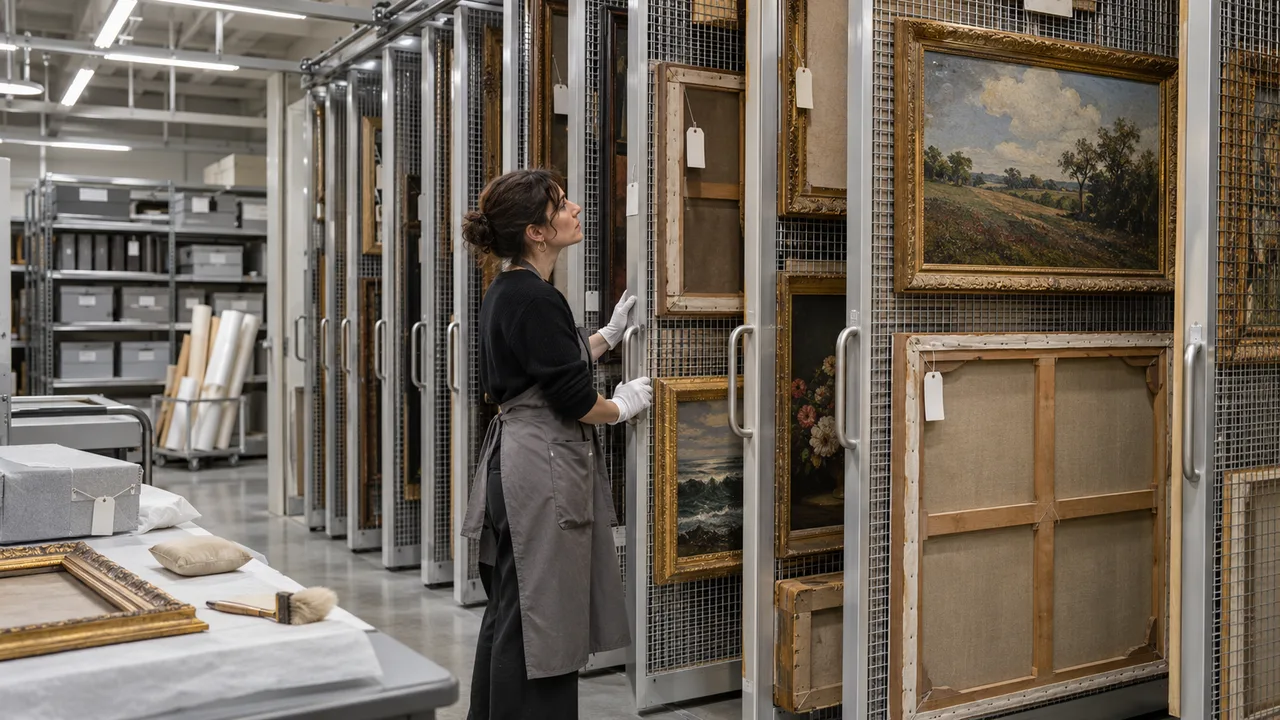
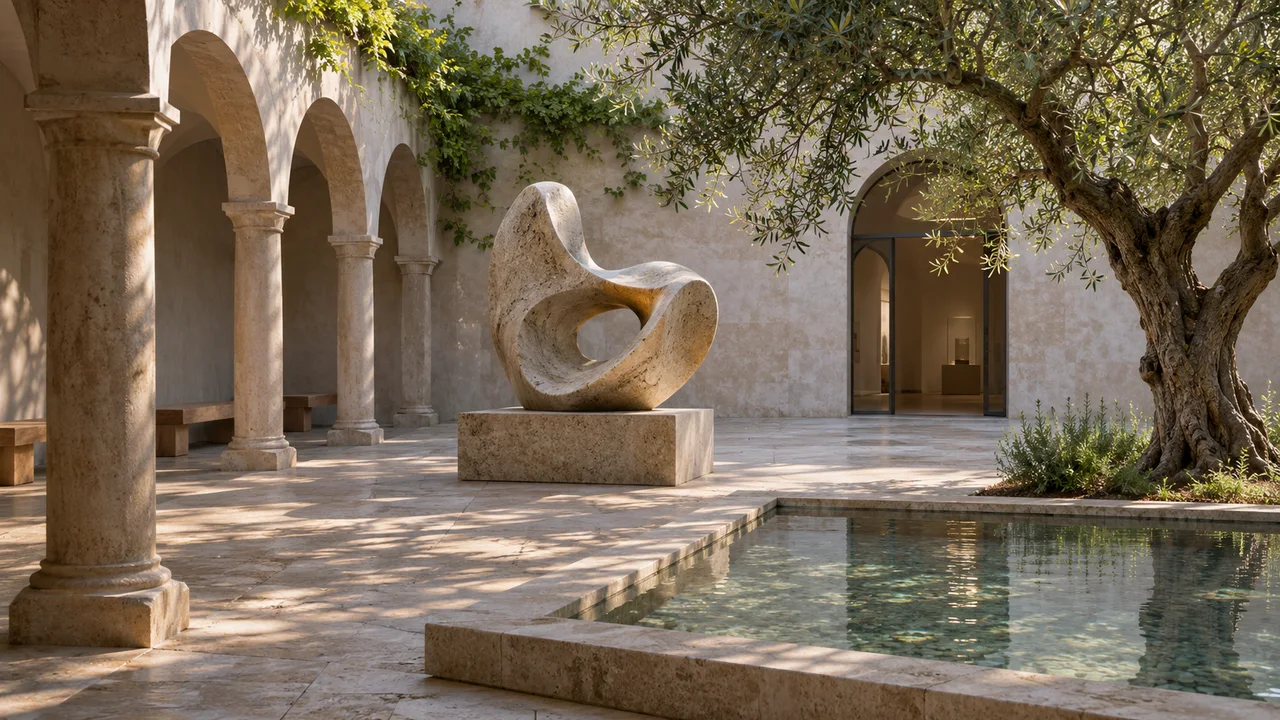
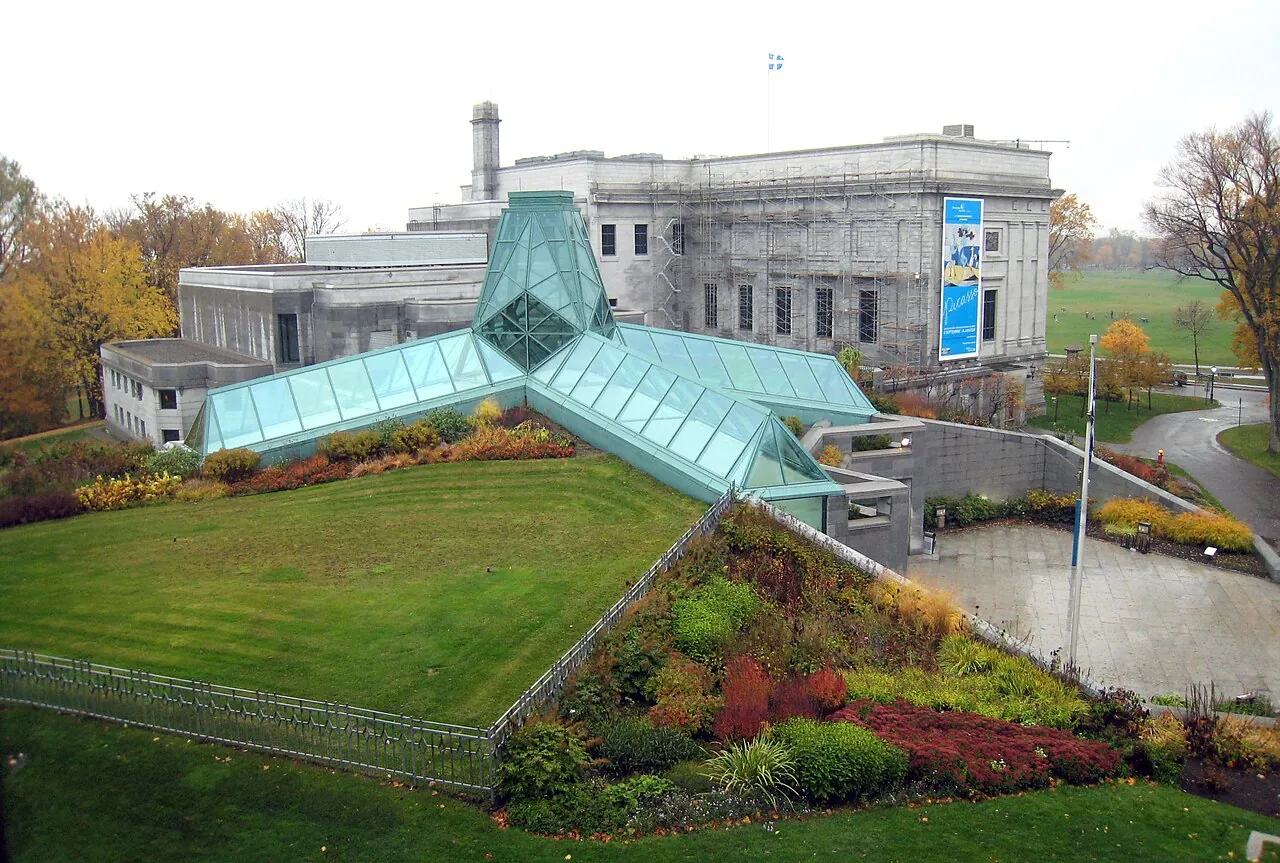
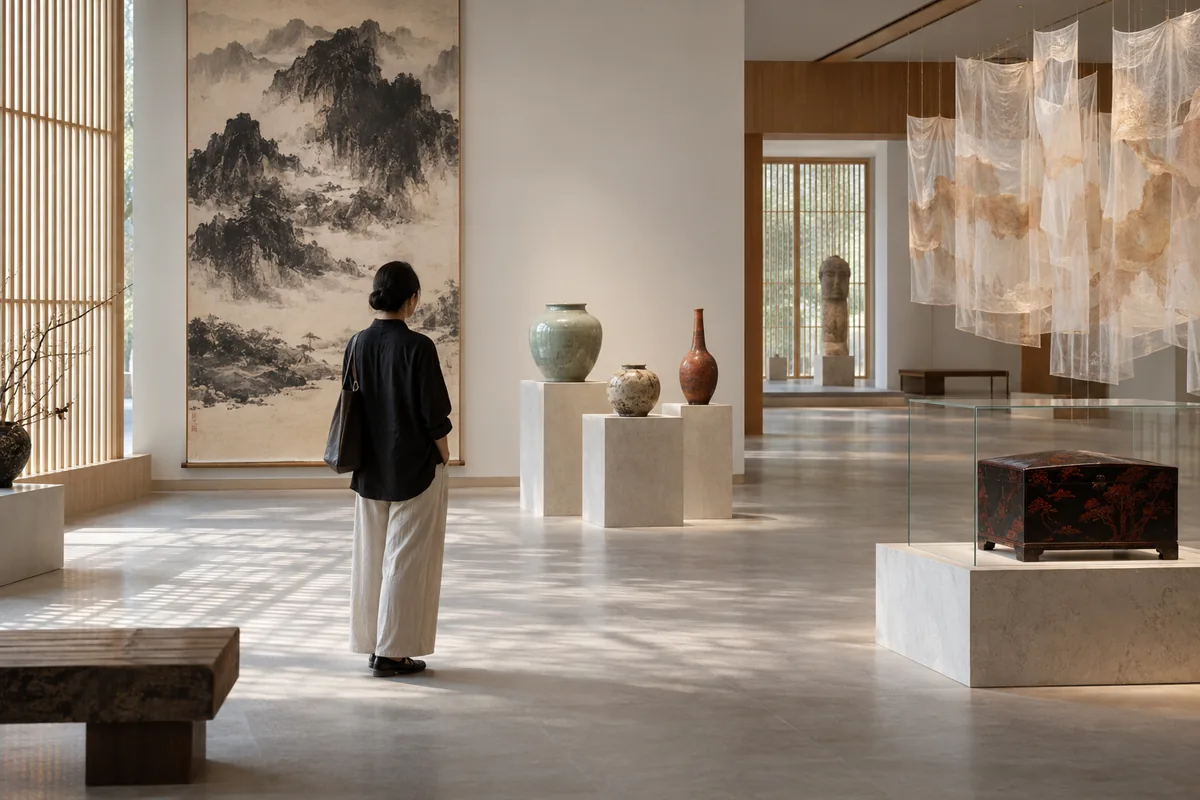
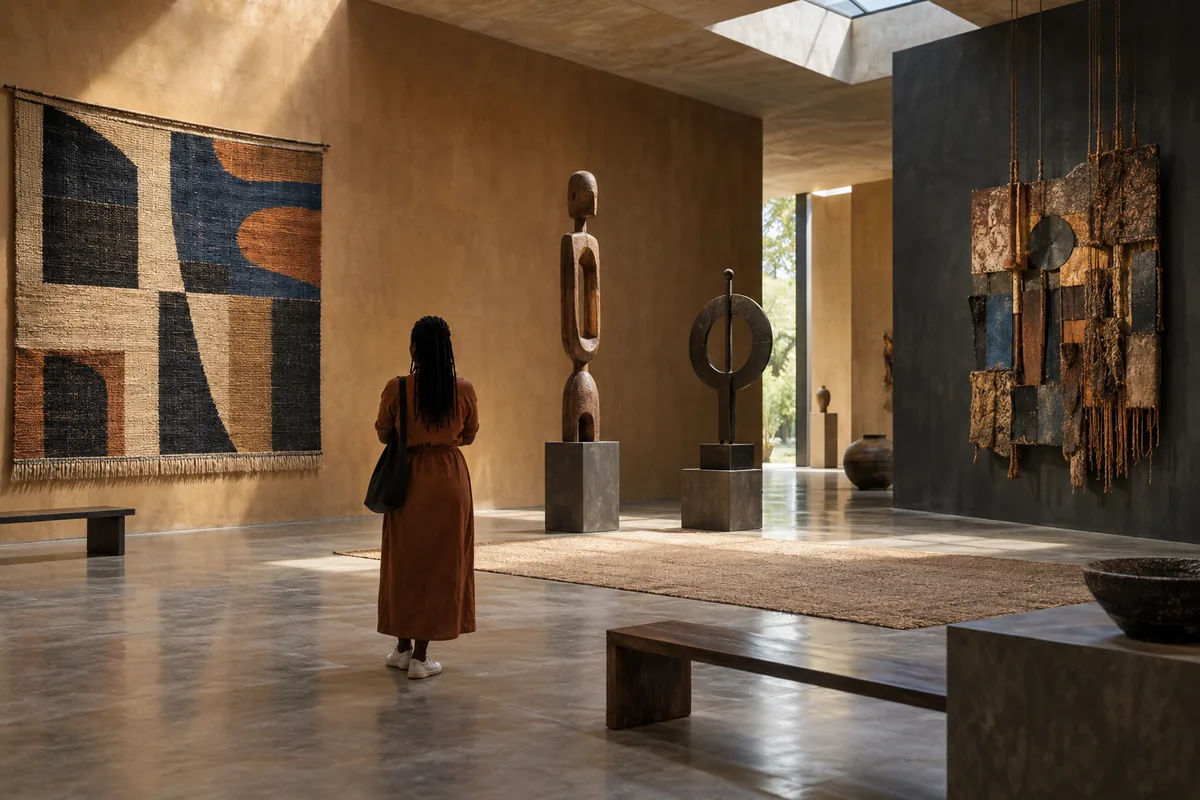
Understanding the visit
There are many ways to discover Cleveland Museum of Art: follow a chronology, choose one discipline, seek out a few works or simply wander. In Cleveland, a flexible plan and a selective visit are often more rewarding than trying to see everything.
Before travelling, use the official website to check open galleries, current exhibitions, closures and access. On site, spend time with a work, change your distance and notice details before turning to labels or interpretive material.
This page focuses on lasting information about the institution and its principal fields. It does not replace the practical guidance published by Cleveland Museum of Art for tickets, hours, visitor services and current rules.
Collection
Specific objects connect techniques, history and collections. These records do not guarantee that works are currently on display.
8 — examples shown
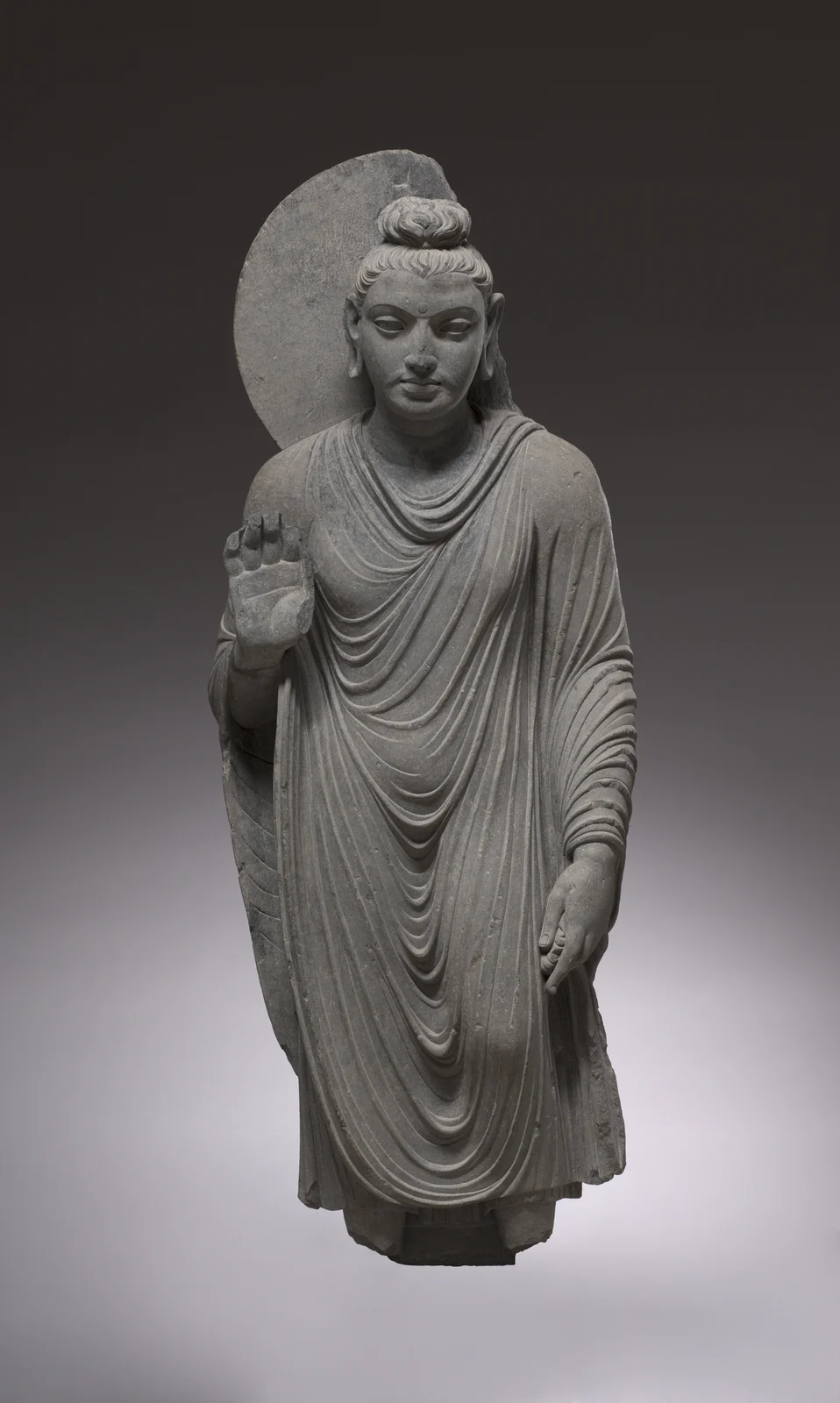
The garment’s closely spaced folds contrast with the calm face. Follow the sculpture from halo to drapery, distinguishing surviving relief and missing parts. This Gandharan work offers a counterpoint to the bronze Nataraja: material, posture and religious context differ.
Museum record ↗ — Standing Buddha
Explore the museum — Cleveland Museum of Art →
Data consulted on .
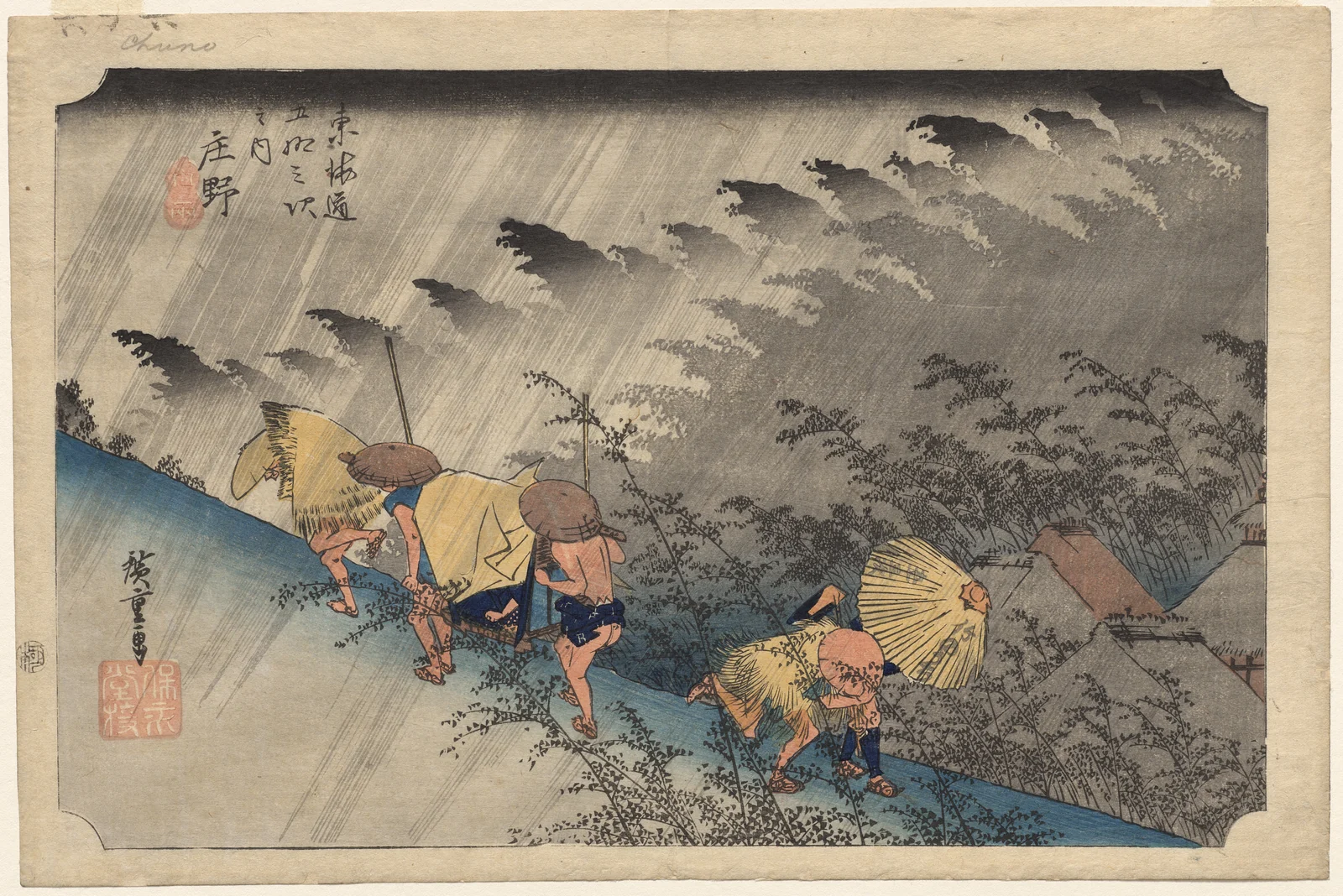
Utagawa Hiroshige
Rain’s diagonals give travellers and landscape a shared direction. The museum identifies three blocks for three grey shades in the distant bamboo. Compare these planes with foreground black lines to understand how a printed image builds atmosphere.
Museum record ↗ — Driving Rain at Shono, from Fifty-Three Stations of the Tokaido
Explore the museum — Cleveland Museum of Art →
Data consulted on .
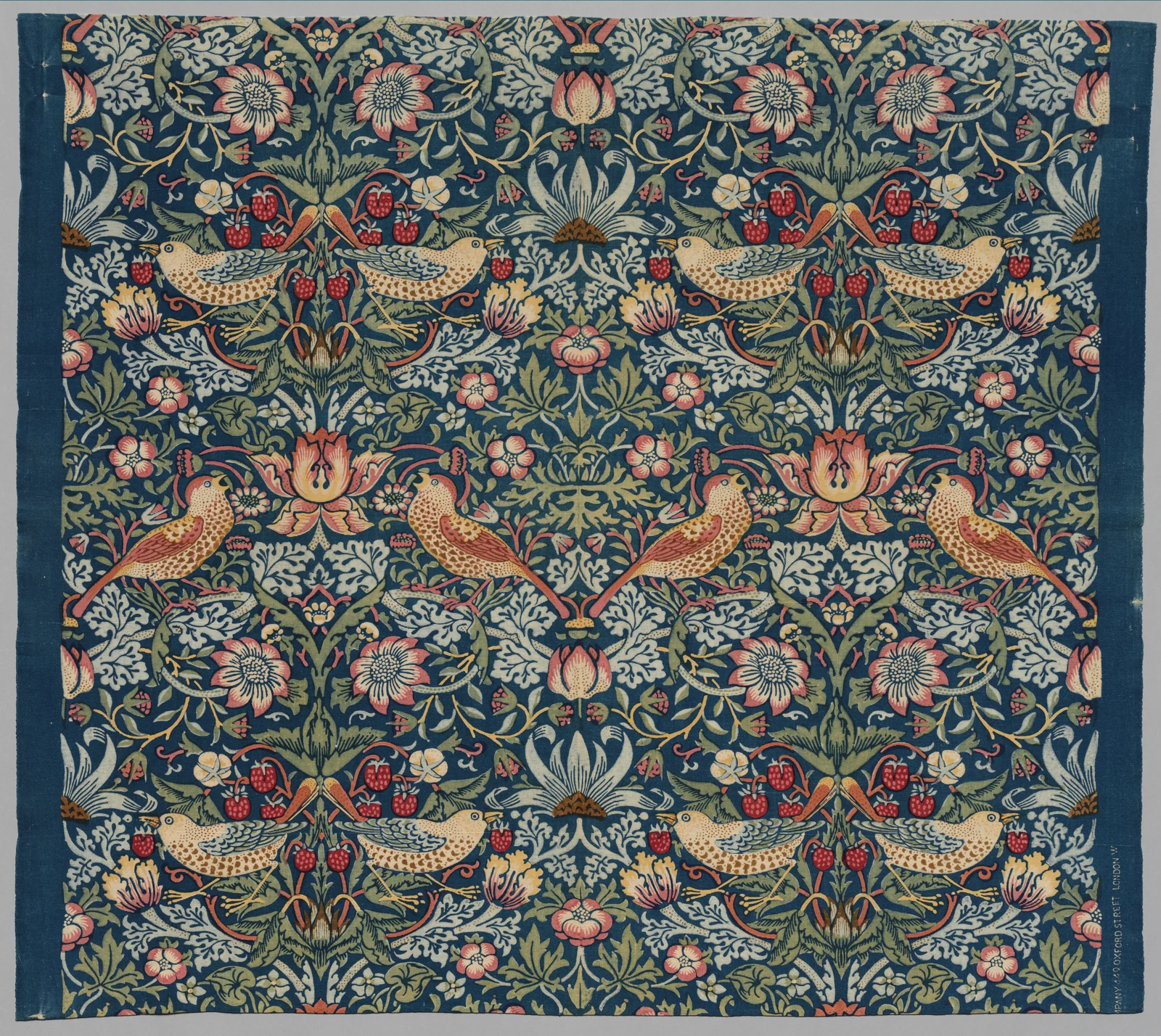
William Morris
Birds, strawberries and stems form a repeat that continues beyond the fragment’s edge. William Morris is identified as designer; the museum dates the surviving cloth to about 1936. Distinguish pattern design, manufacture of this example and entry into the collection.
Museum record ↗ — Strawberry Thief
Explore the museum — Cleveland Museum of Art →
Data consulted on .
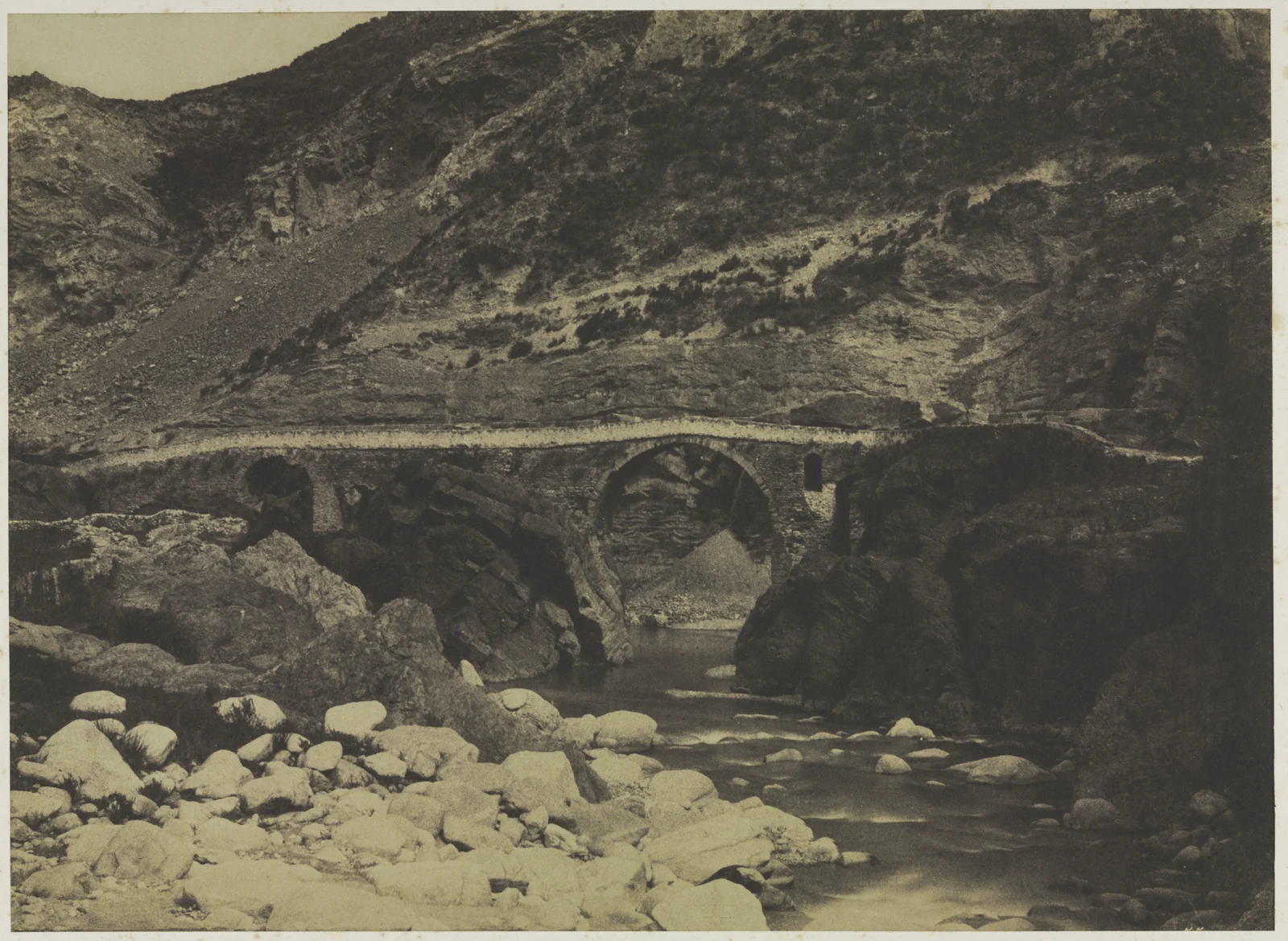
Gustave Le Gray
The bridge remains a small line within rocks, water and slopes. Compare this arrangement with an architectural record centred on the structure. The process combines a waxed-paper negative and a salted-paper print; the stated dimensions refer to the image.
Museum record ↗ — The Bridge of Palalda
Explore the museum — Cleveland Museum of Art →
Data consulted on .
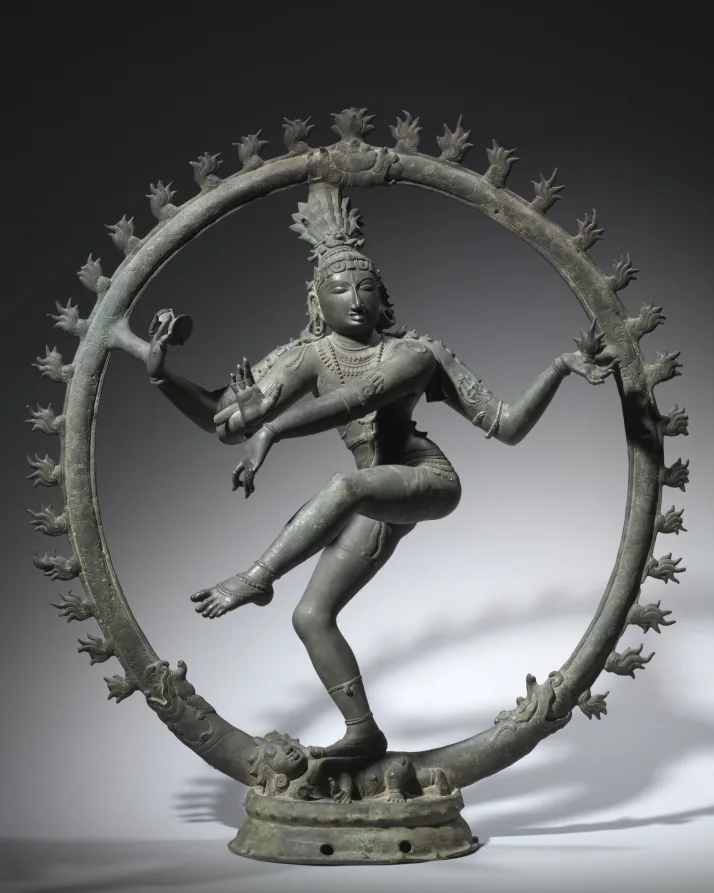
The record places this bronze in Chola-period Tamil Nadu. It links the drum to passing time, fire to destruction and the trampled figure to ignorance. Describe the arms, supports and circle first, then compare your observation with this documented interpretation: recognising a motif does not by itself explain its meaning.
Museum record ↗ — Nataraja, Shiva as the Lord of Dance
Explore the museum — Cleveland Museum of Art →
Data consulted on .
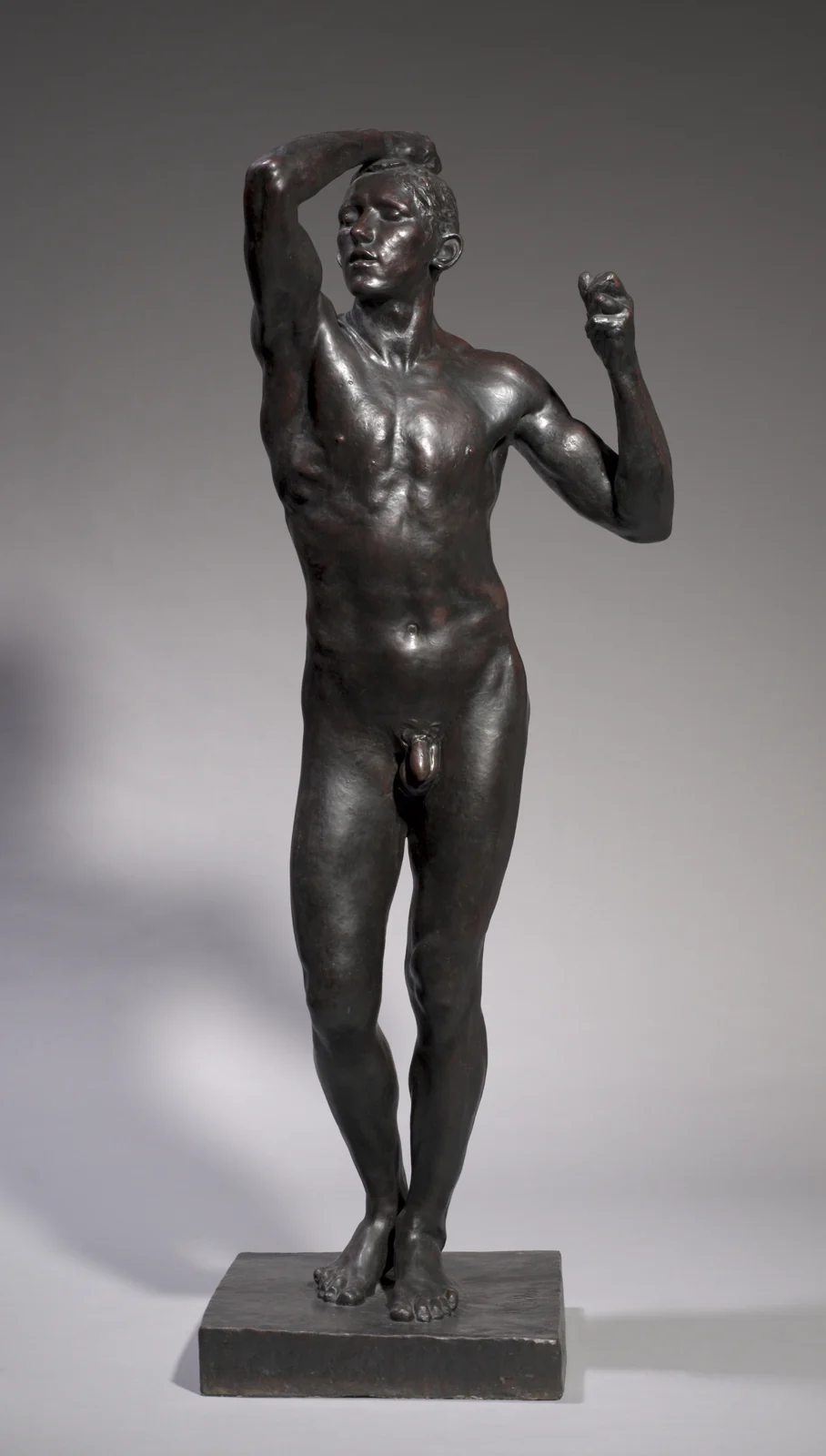
Auguste Rodin
The nearly life-size body invites comparison of balance, twist and raised arms. The museum dates this cast’s commission to 1916: a model’s date does not date every bronze. Measurements include the base, while the patina also affects how relief catches the eye.
Museum record ↗ — The Age of Bronze
Explore the museum — Cleveland Museum of Art →
Data consulted on .
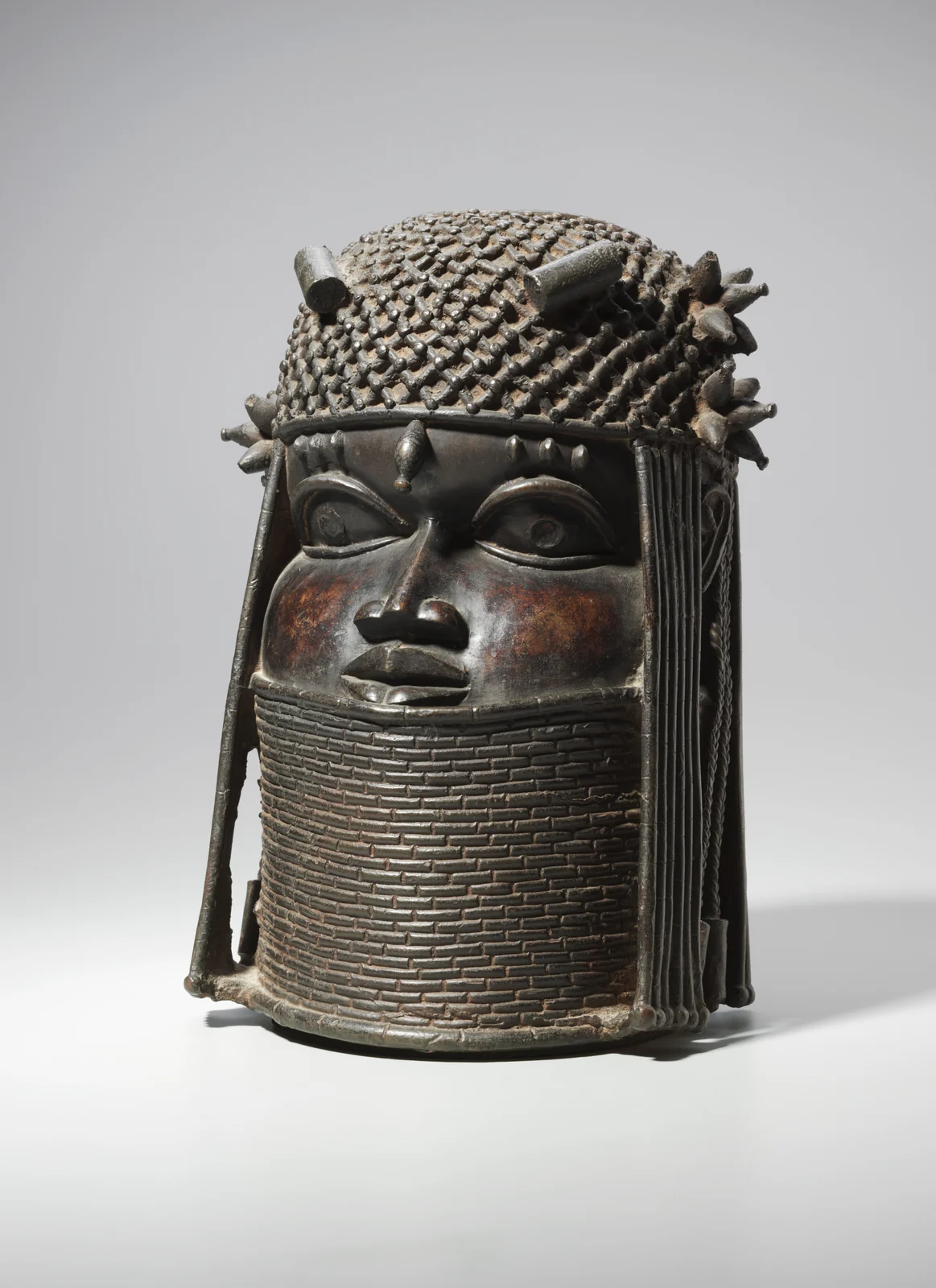
Beaded collars and a cap frame an idealised face; the head once supported a tusk on an ancestral altar. Published provenance records its transfer to Europe after the Siege of Benin in 1897. Read this history alongside the object’s form and religious purpose.
Museum record ↗ — Ancestral Commemorative Head, uhunmwun-elao
Explore the museum — Cleveland Museum of Art →
Data consulted on .
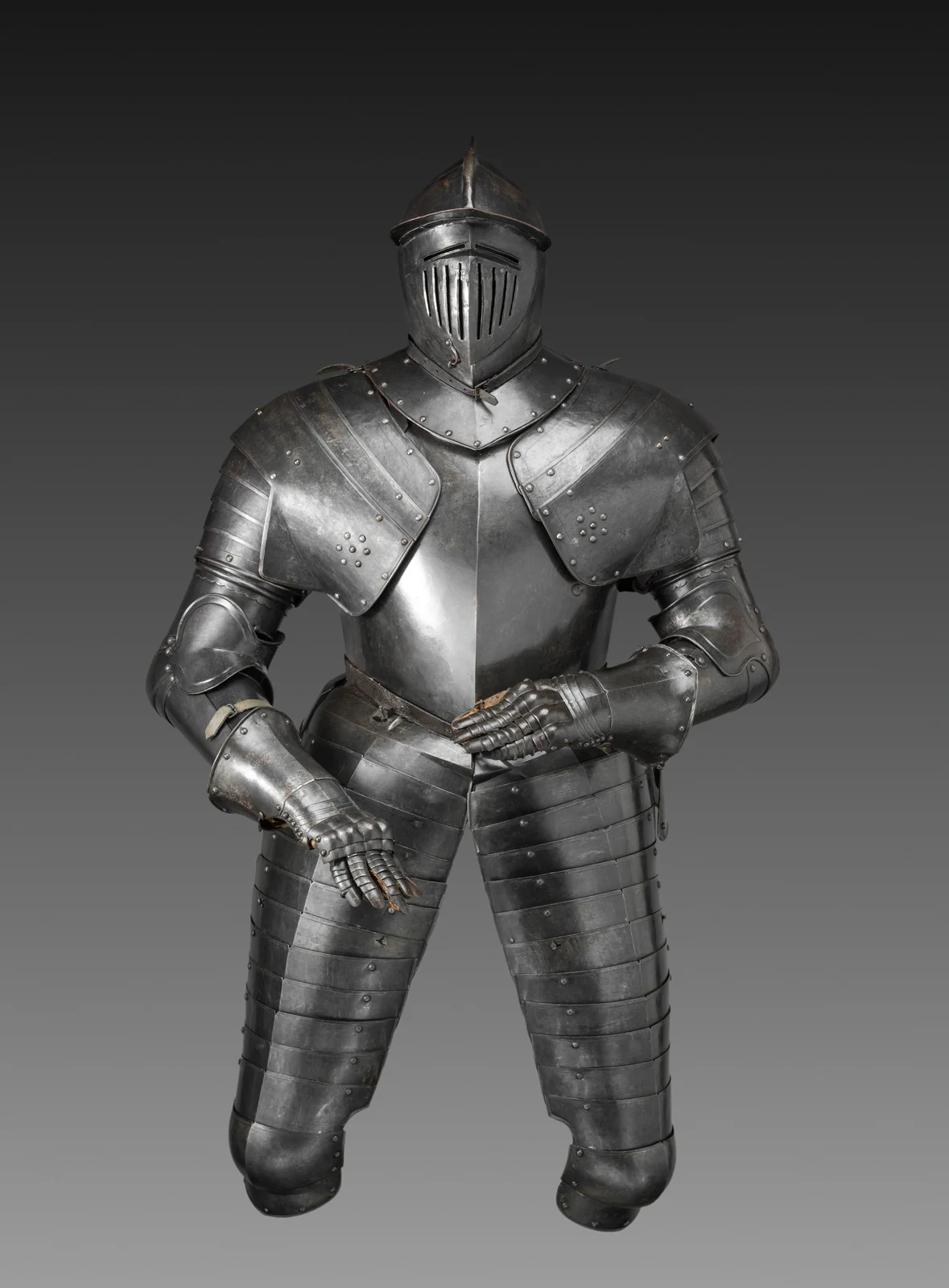
Articulated plates protect the body while allowing some movement. Find the shoulder, elbow and waist joins; the leg armour stops before the rider’s boots. The museum describes steel that was originally blued and is now black: surviving appearance need not equal original appearance.
Museum record ↗ — Cuirassier’s Armor
Explore the museum — Cleveland Museum of Art →
Data consulted on .
No example matches this selection.
Open Access reproduction · CC0. Resized and converted to WebP, without cropping. Translated title; the museum record retains the reference title.
Archive photographs. WebP conversion and adapted cropping; social previews include the site logo. Images do not guarantee current conditions.