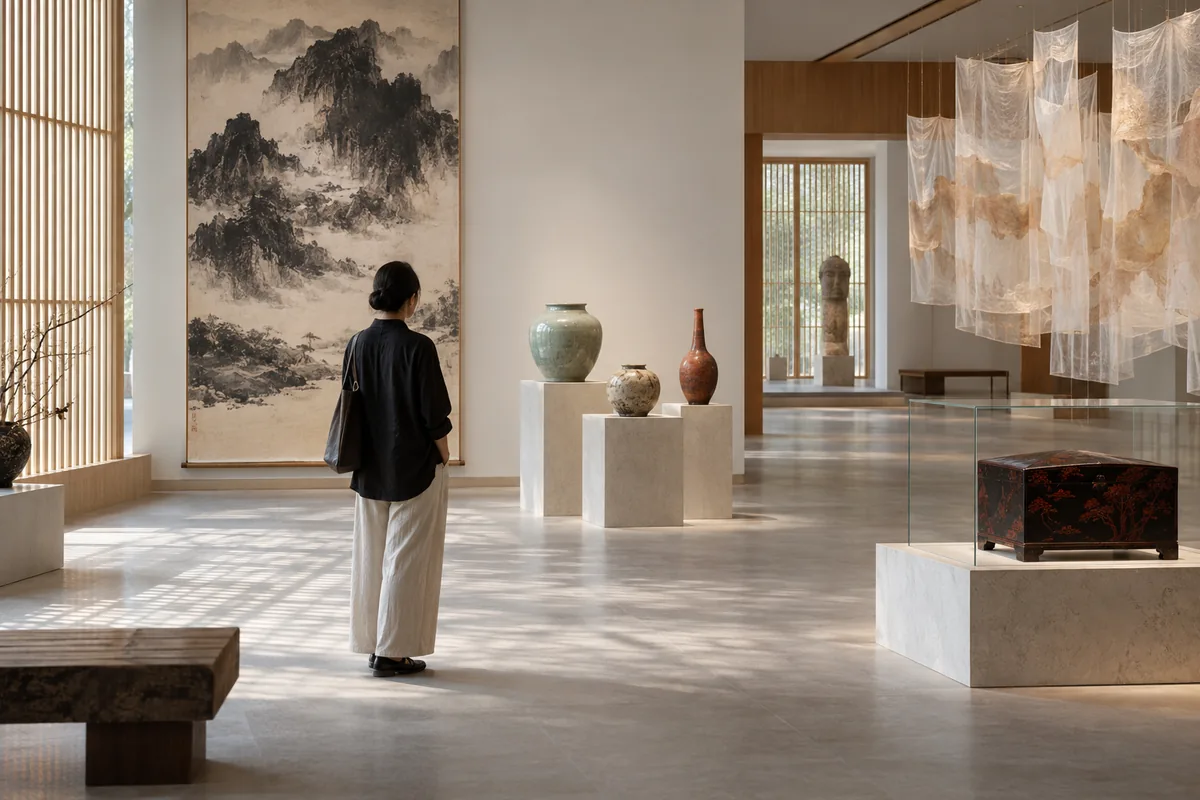
Visitor comparing ink painting, ceramics, lacquer and contemporary installation in a museum

Asian arts guide

Asian arts: materials, gestures and modernities in dialogue.

A guide to regions and periods, ink, ceramics, lacquer, sculpture and installation, and the routes linking workshops, courts, markets and museums.
202 Directory57 countries

Asian arts guide

Looking at Asia beyond a single tradition

Asian arts span highly varied territories, religions, languages and histories. A work’s precise context matters more than a presumed aesthetic shared by a continent.

Techniques may involve long mastery of gesture and material, yet they never stand still: exchange, translation, industry, colonialism and avant-gardes have continually reshaped them.

Art guide

Three ways to look

A guide to regions and periods, ink, ceramics, lacquer, sculpture and installation, and the routes linking workshops, courts, markets and museums.

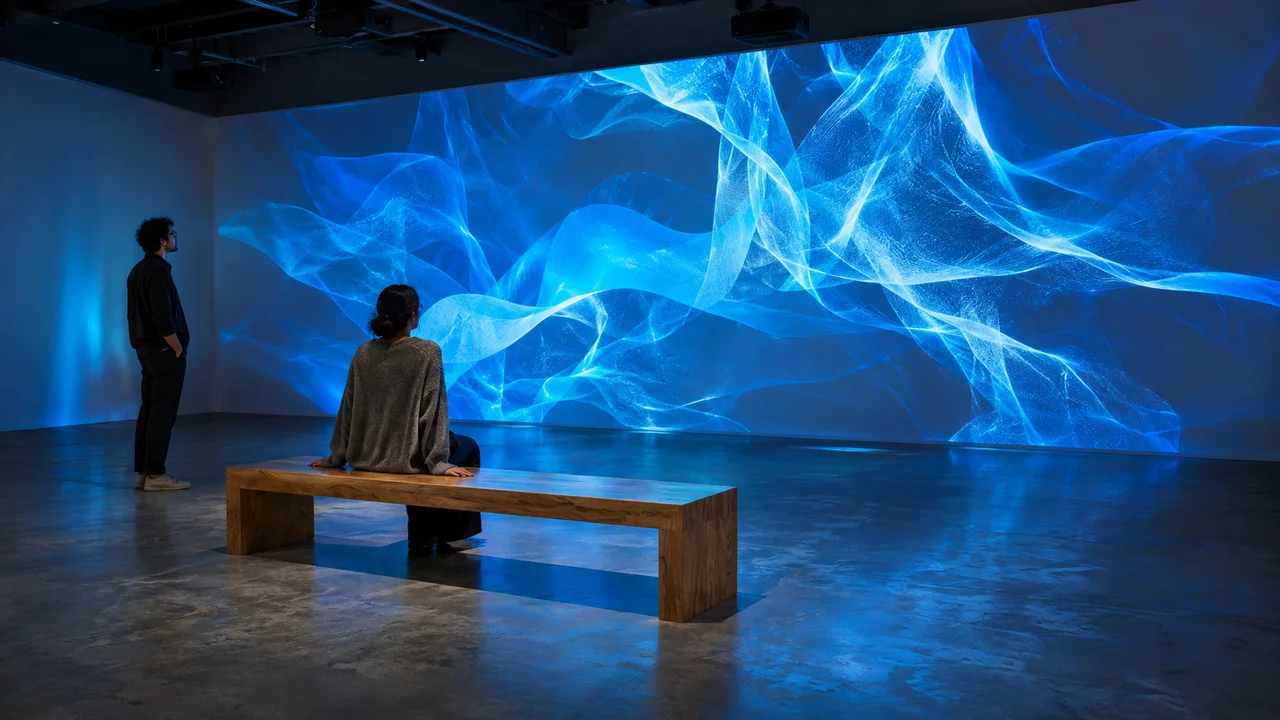
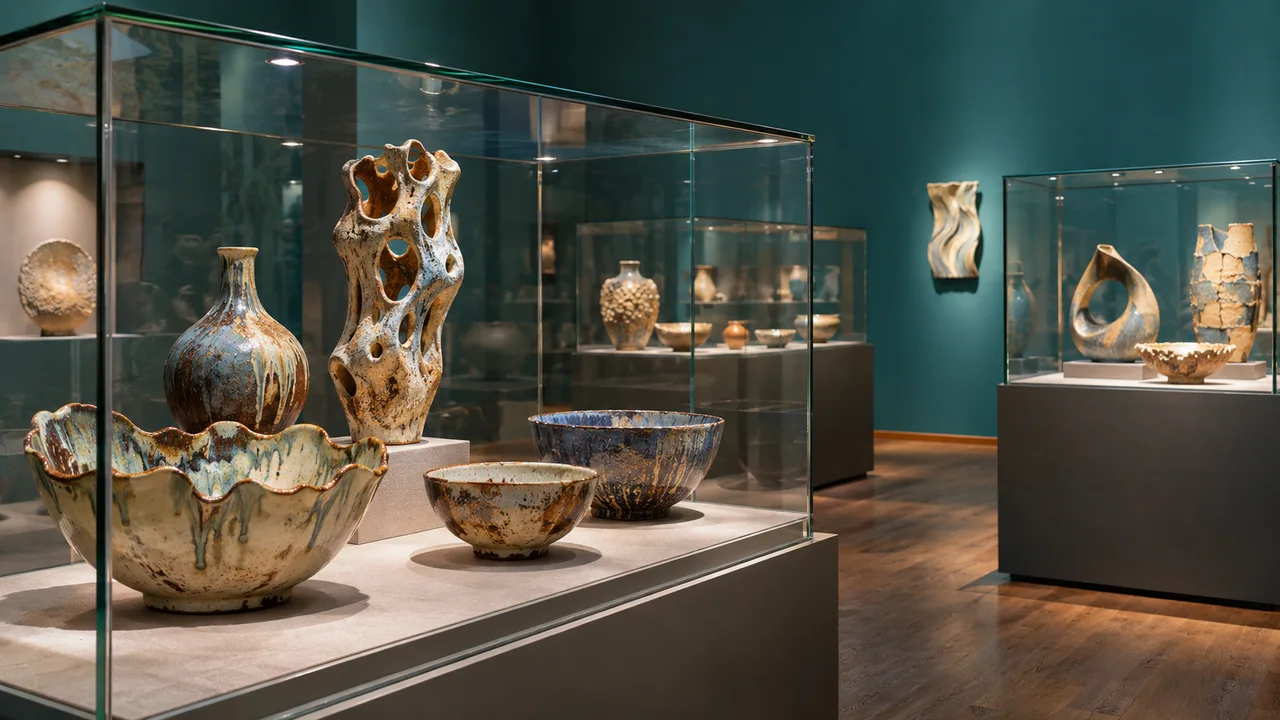
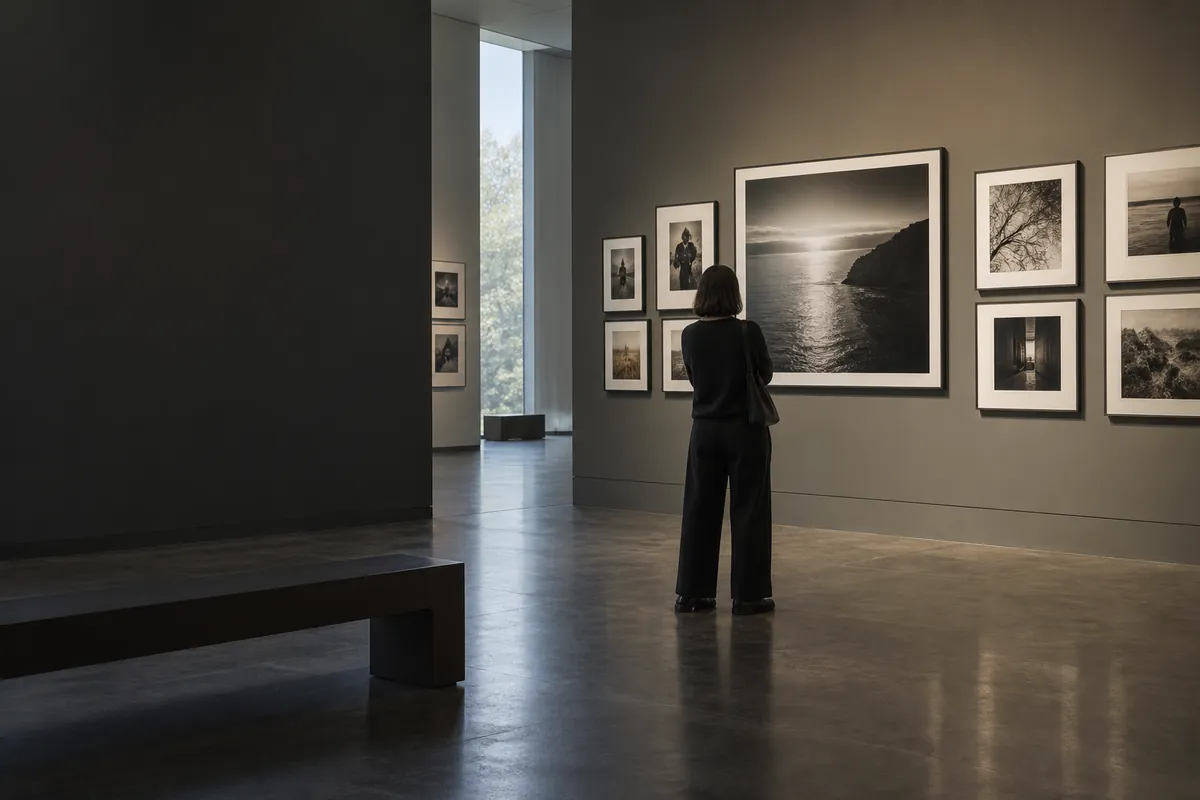
AI-generated illustration
01

Gesture and support

See how brush, firing, carving, casting, weaving or lacquer shape rhythm, surface, void and making time.
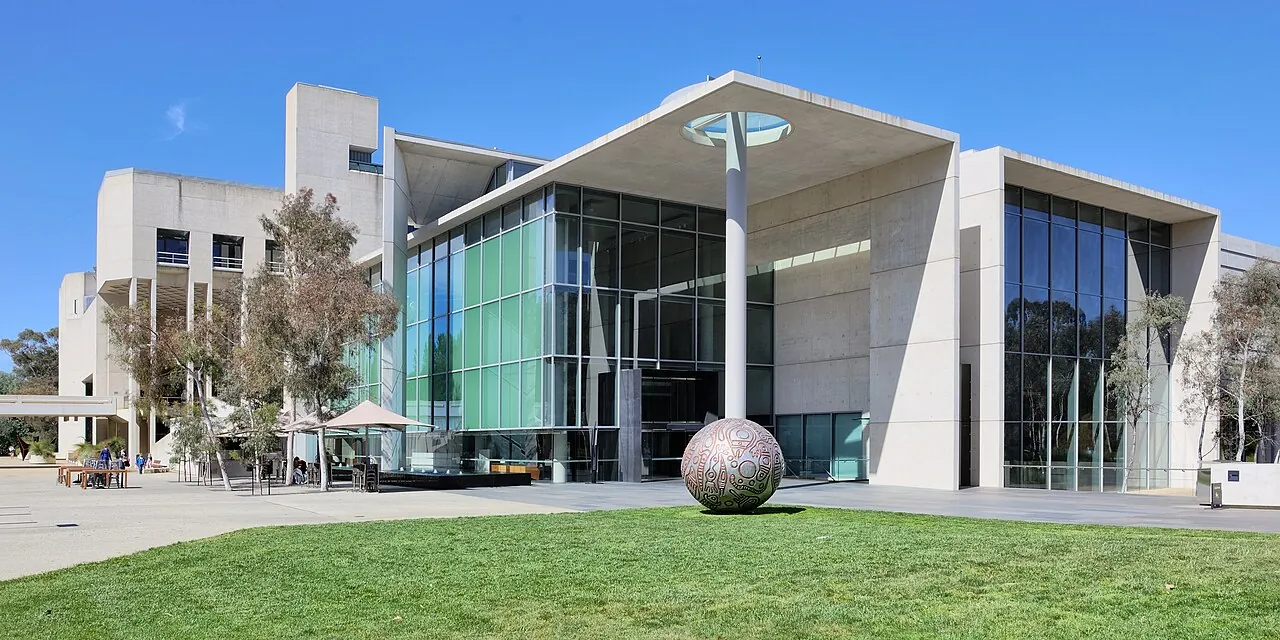
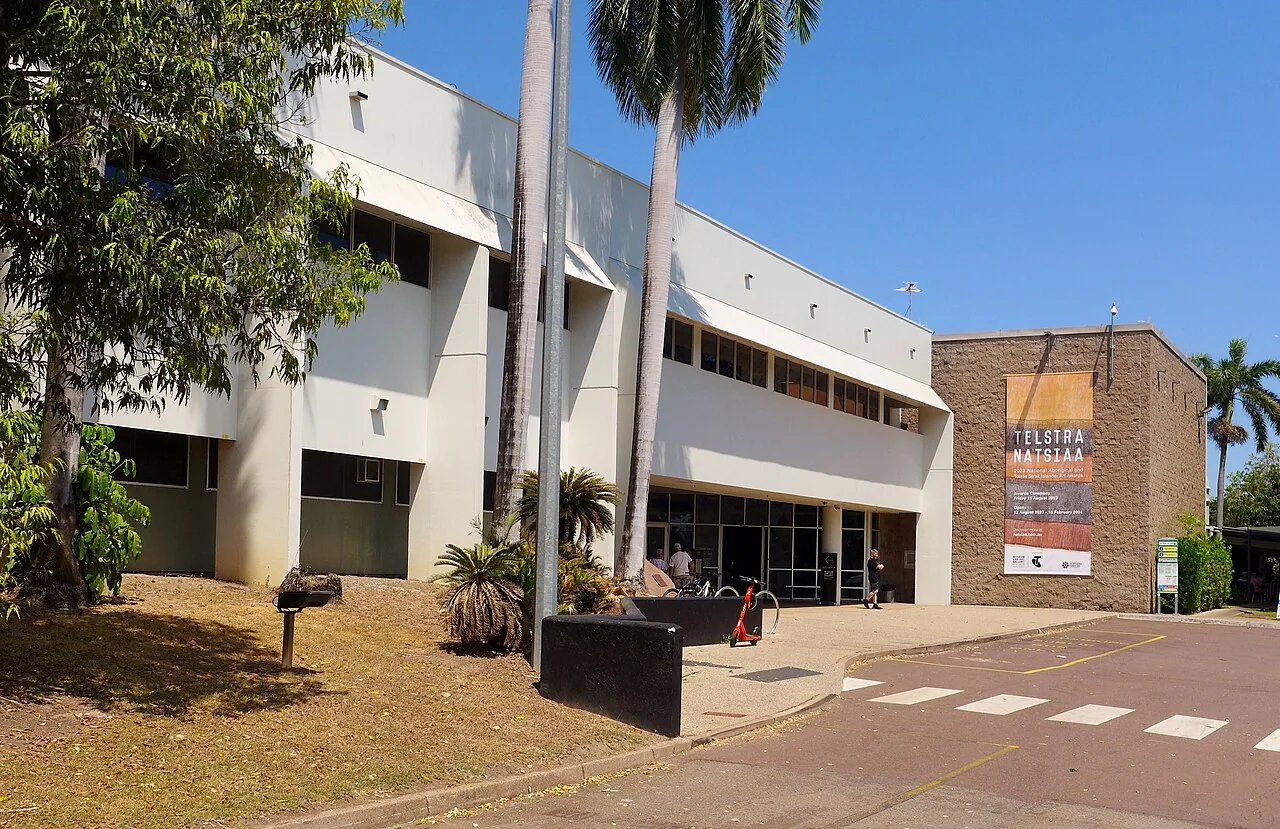
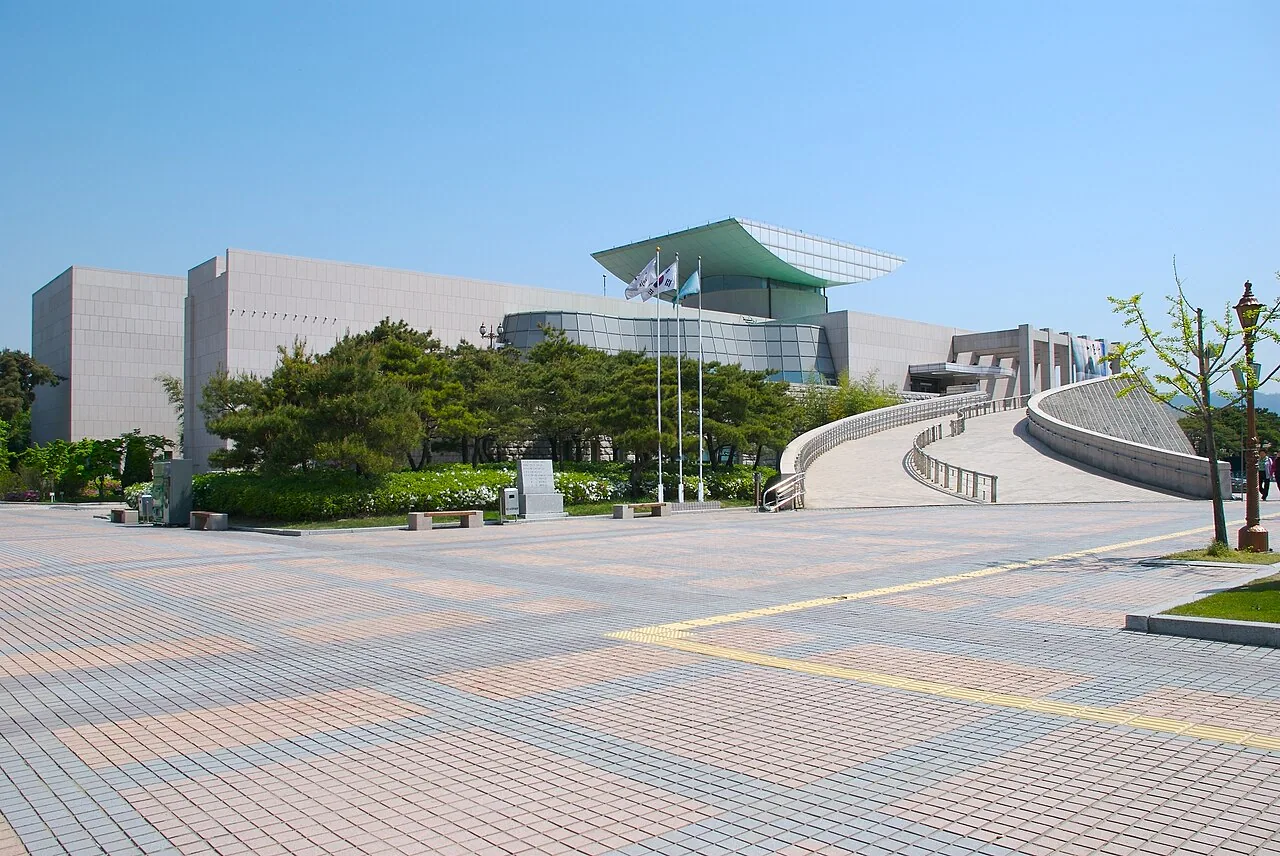
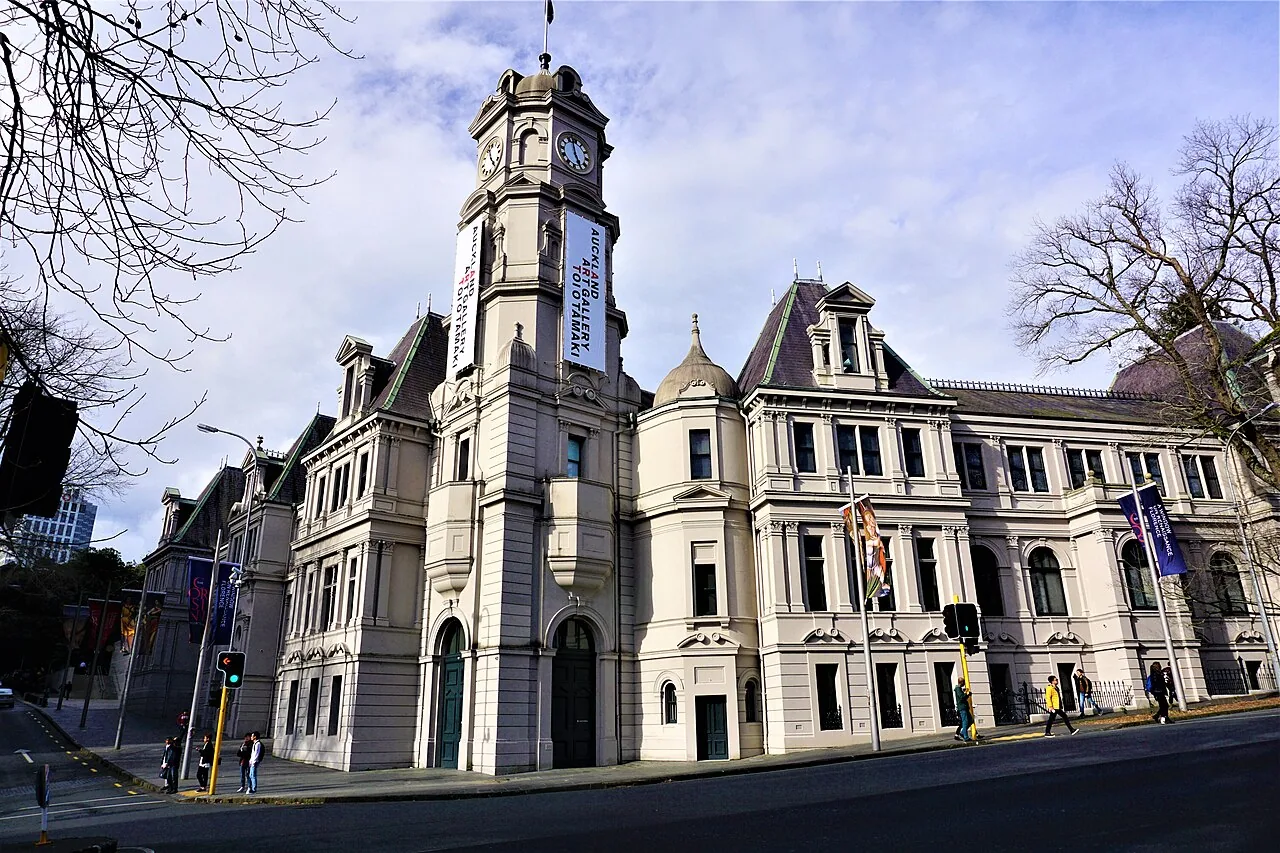
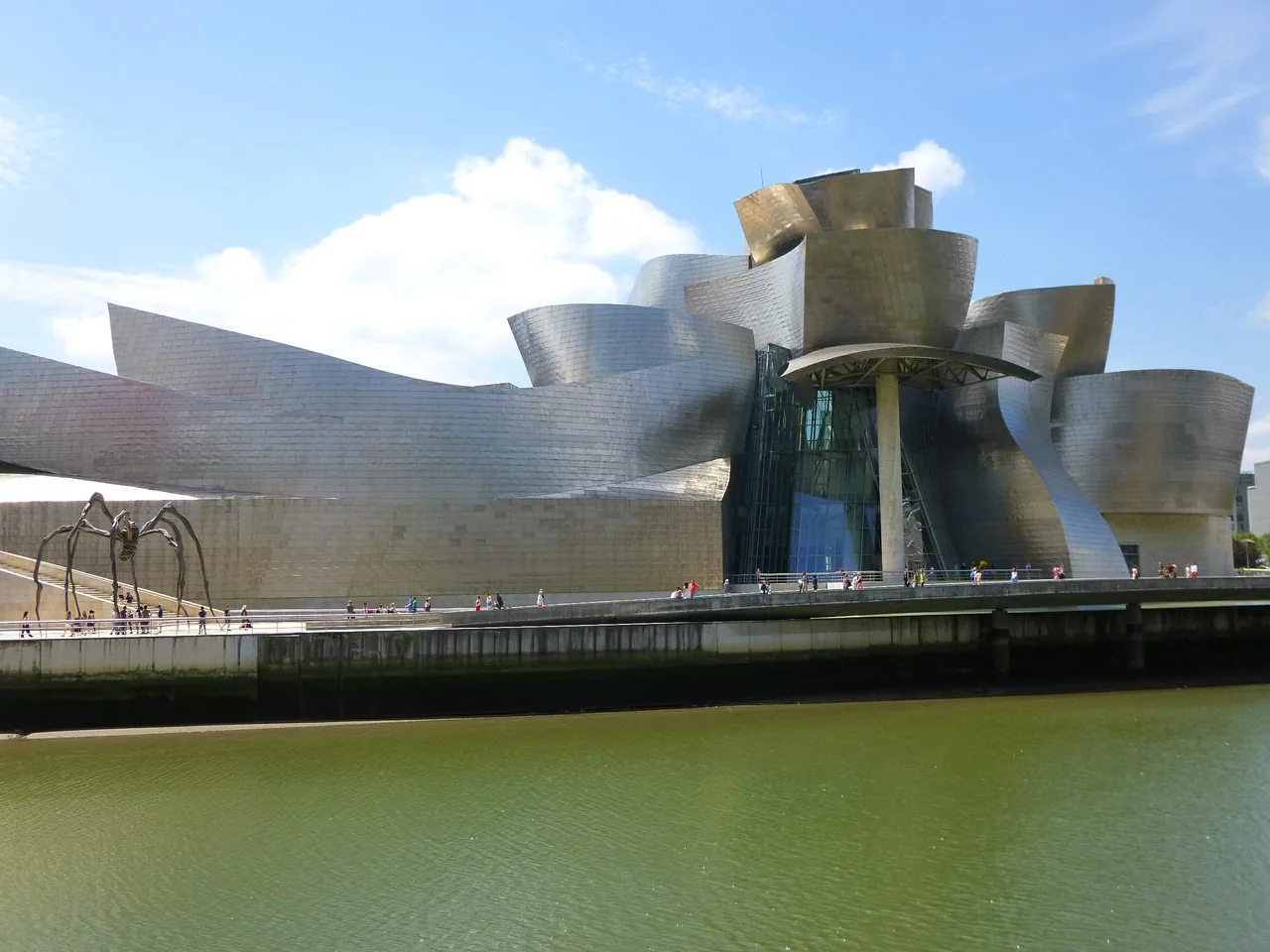
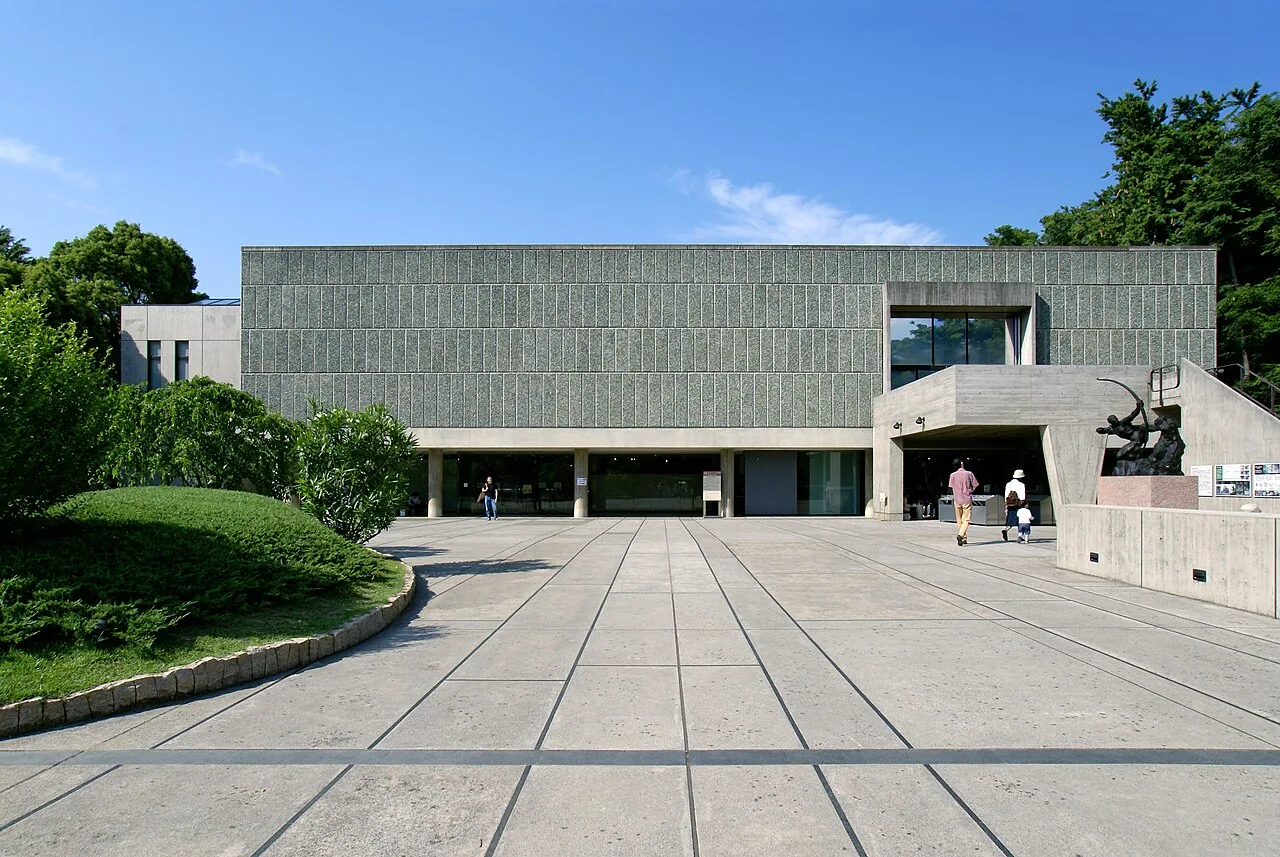
The National Gallery of Australia. Image taken from the south-west.https://searchthecollection.nga.gov.au/object/204779
Thennicke
02

Function and context

Distinguish religious work, scholar’s object, court commission, workshop production, design, popular image and contemporary practice.
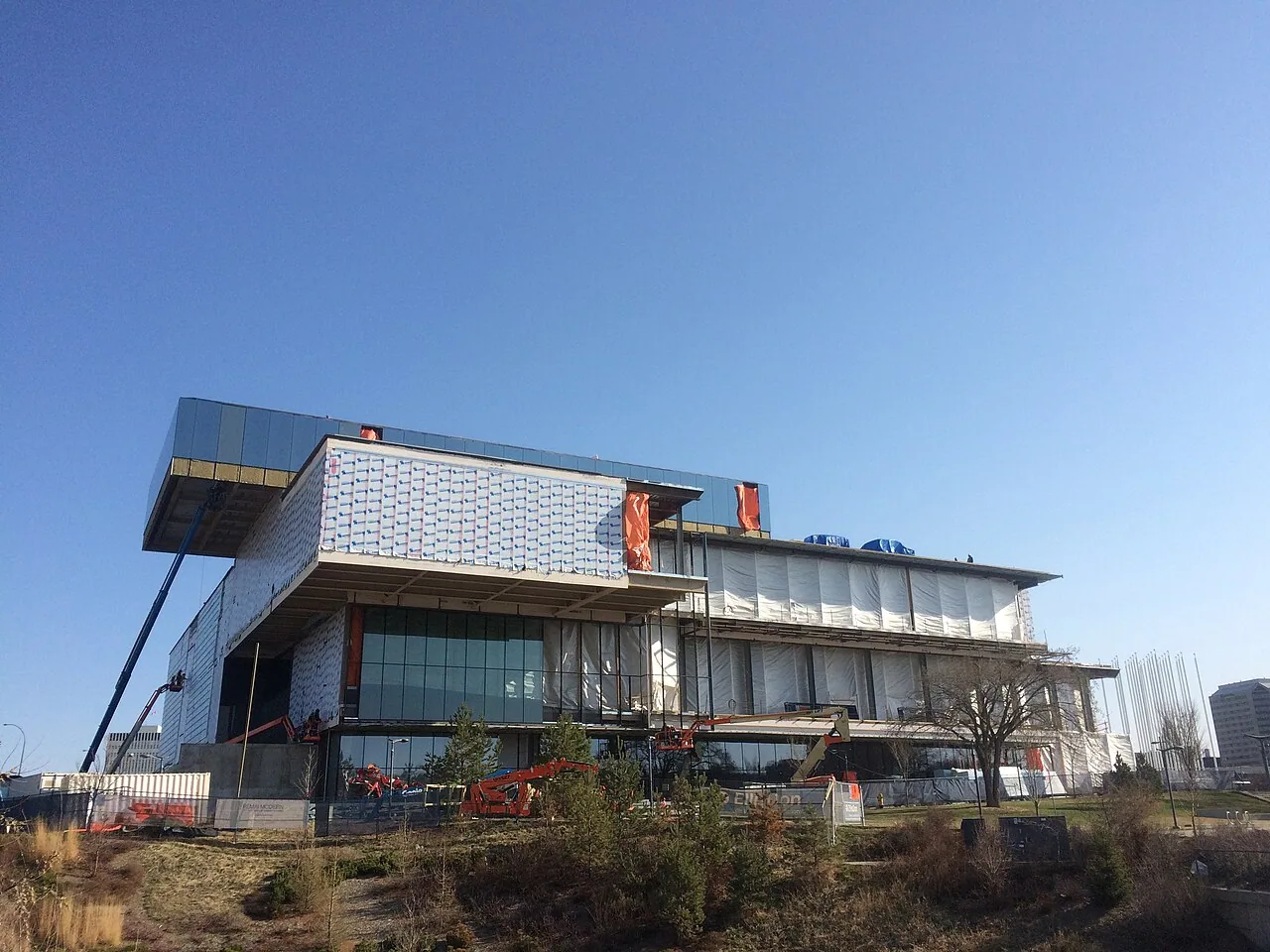
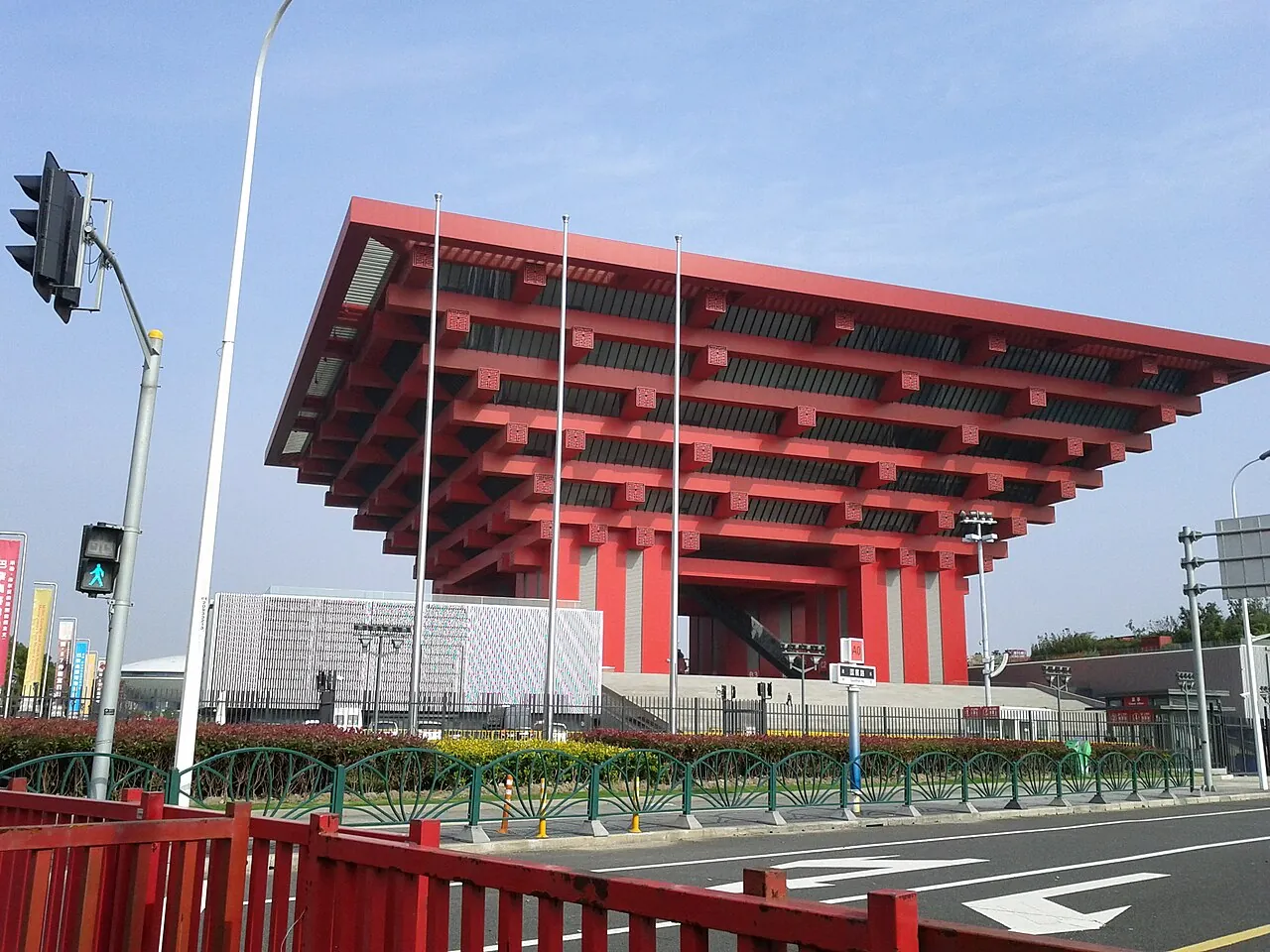
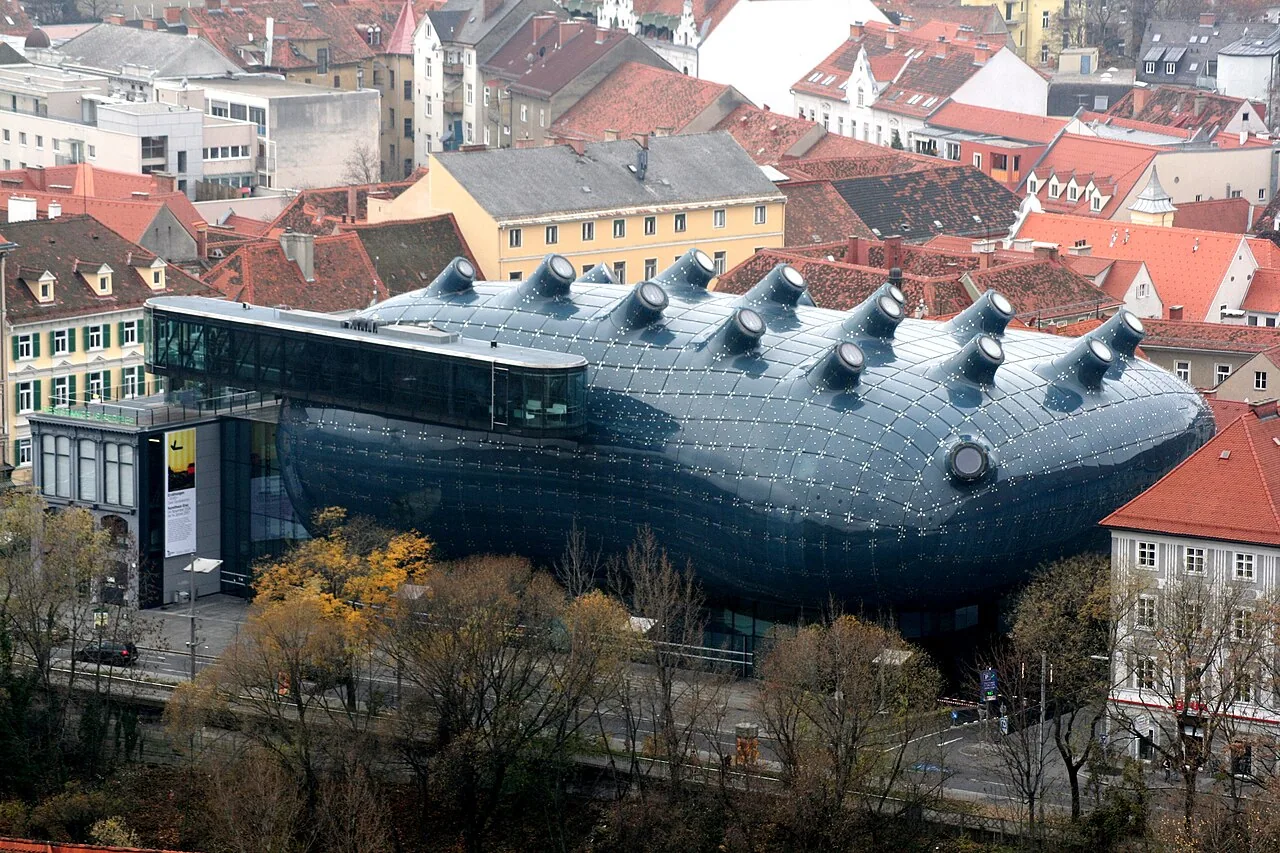
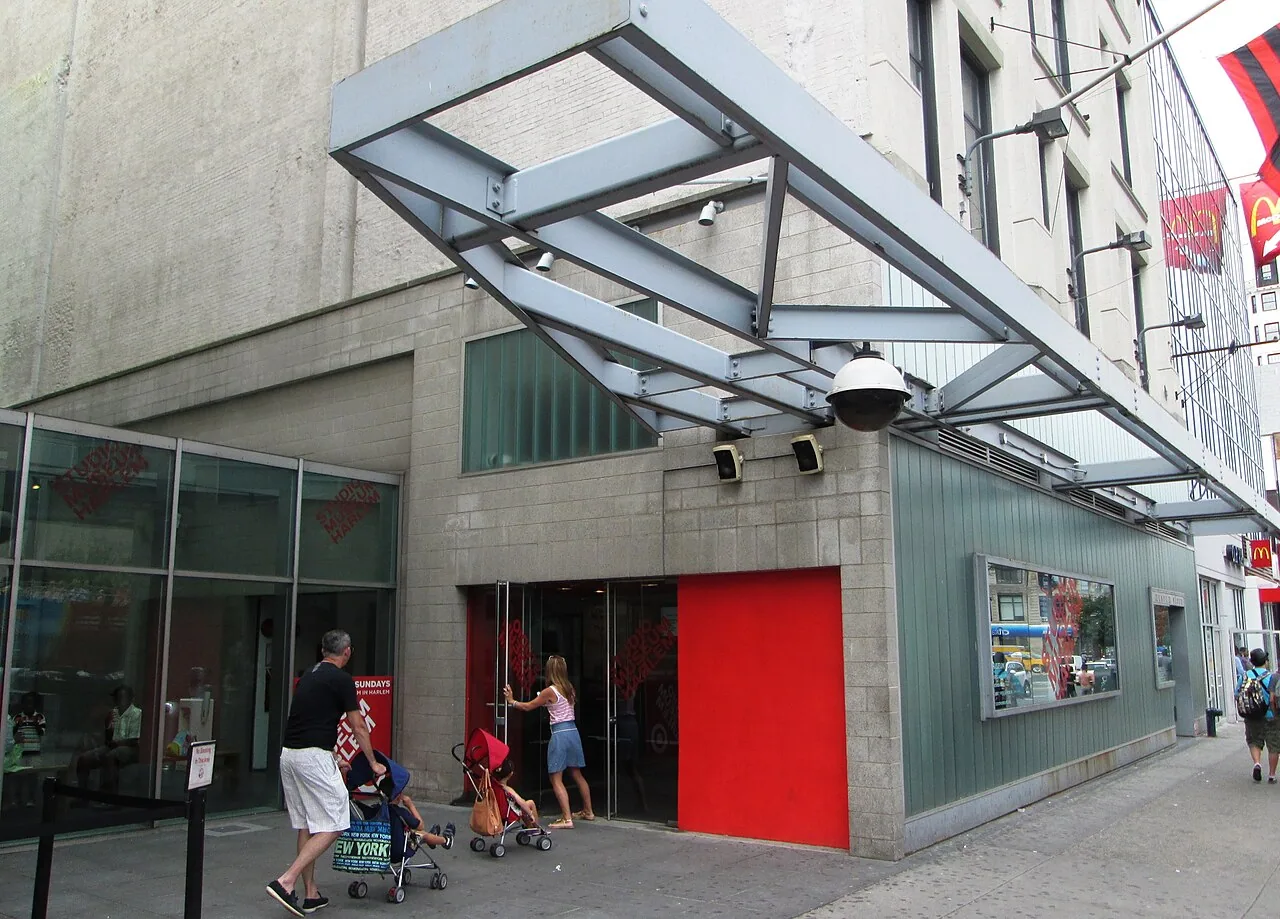
Archive photograph associated with Remai Modern
Jmc881
03

Exchange and modernities

Notice trade routes, visual translations, modern schools, diasporas and international dialogue without reducing a work to one influence.

Asian arts guide

Read a work in four stages

  1. 01

    Identify place and date

    Locate country or region, dynasty or period, workshop and historical context as precisely as evidence allows.

  2. 02

    Observe material

    Examine paper, silk, clay, bronze, wood, lacquer or digital support and its transformation.

  3. 03

    Read void and rhythm

    Describe full and empty space, repetition, asymmetry, sequence, framing and the movement of the eye.

  4. 04

    Compare without hierarchy

    Relate works without treating tradition as static or modernity as a simple import.

Glossary

Essential vocabulary

Six terms for galleries and labels.

Ink
A medium whose density, dilution, speed and absorption construct line, texture and space.
AI-generated illustration
Ceramics
Objects shaped and transformed by firing, often tied to a specific body, glaze and kiln.
AI-generated illustration
Lacquer
Organic coating layered, polished, carved or inlaid in distinct technical traditions.
Scroll
Horizontal or vertical format enabling progressive reading, contemplation or temporary display.
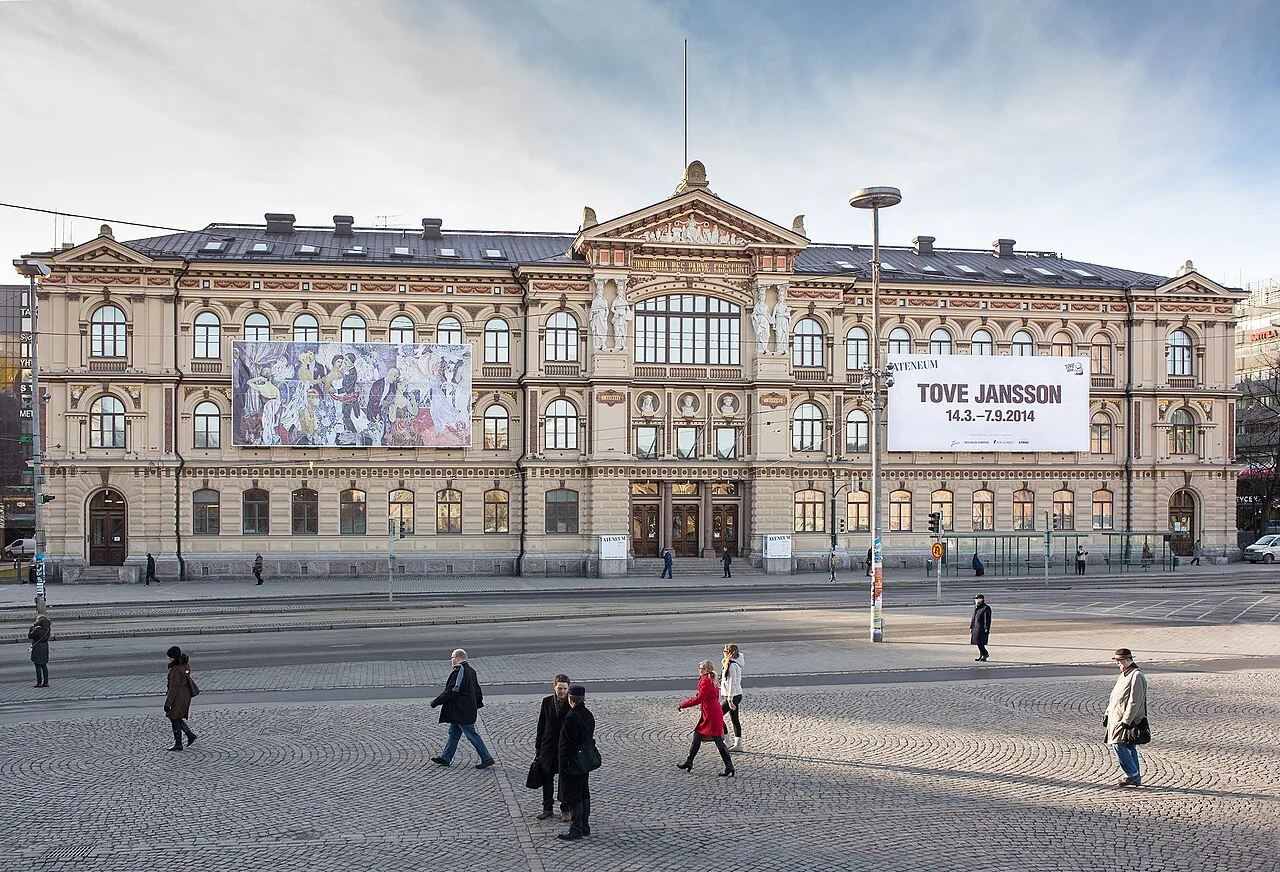
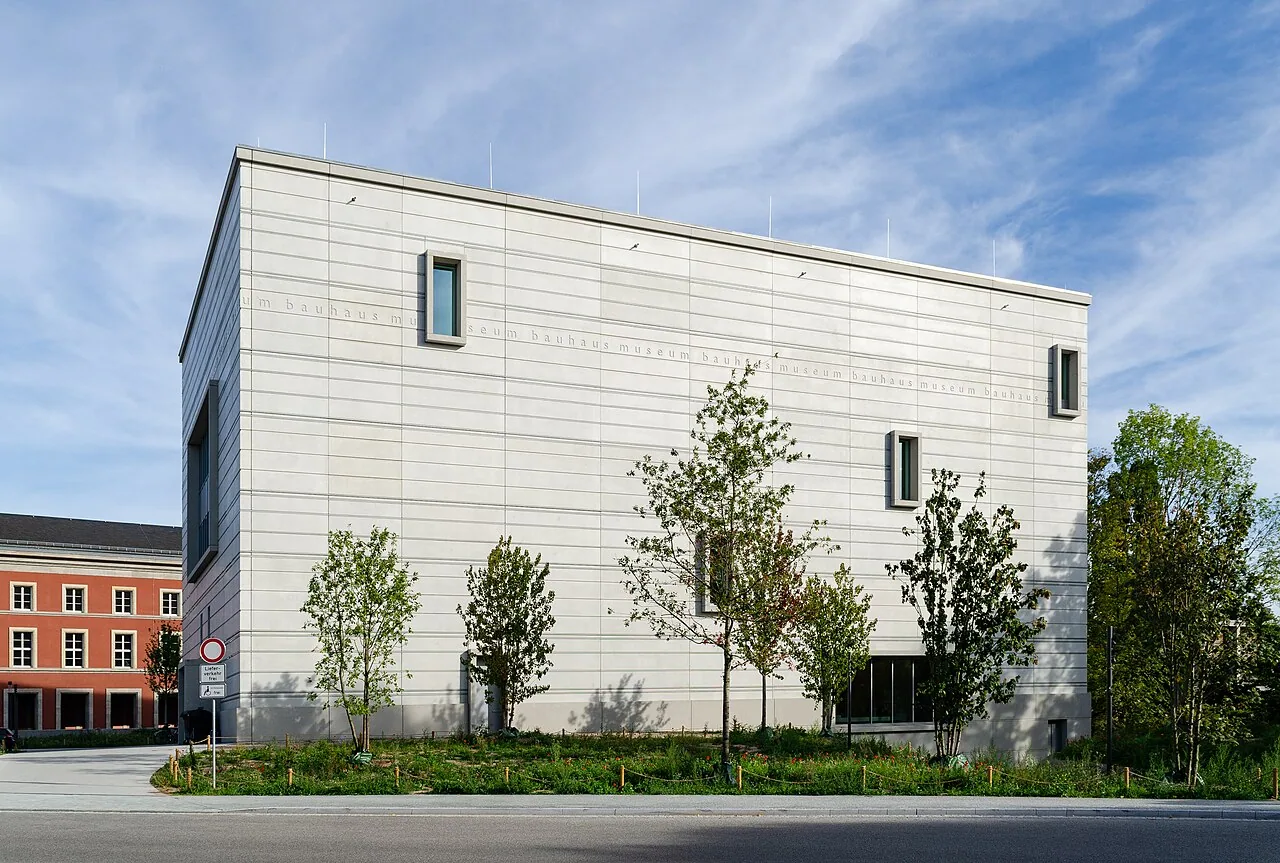
Archive photograph associated with Finnish National Gallery
Finnish National Gallery
School
A network of training, lineage or style, more flexible than a permanent national category.
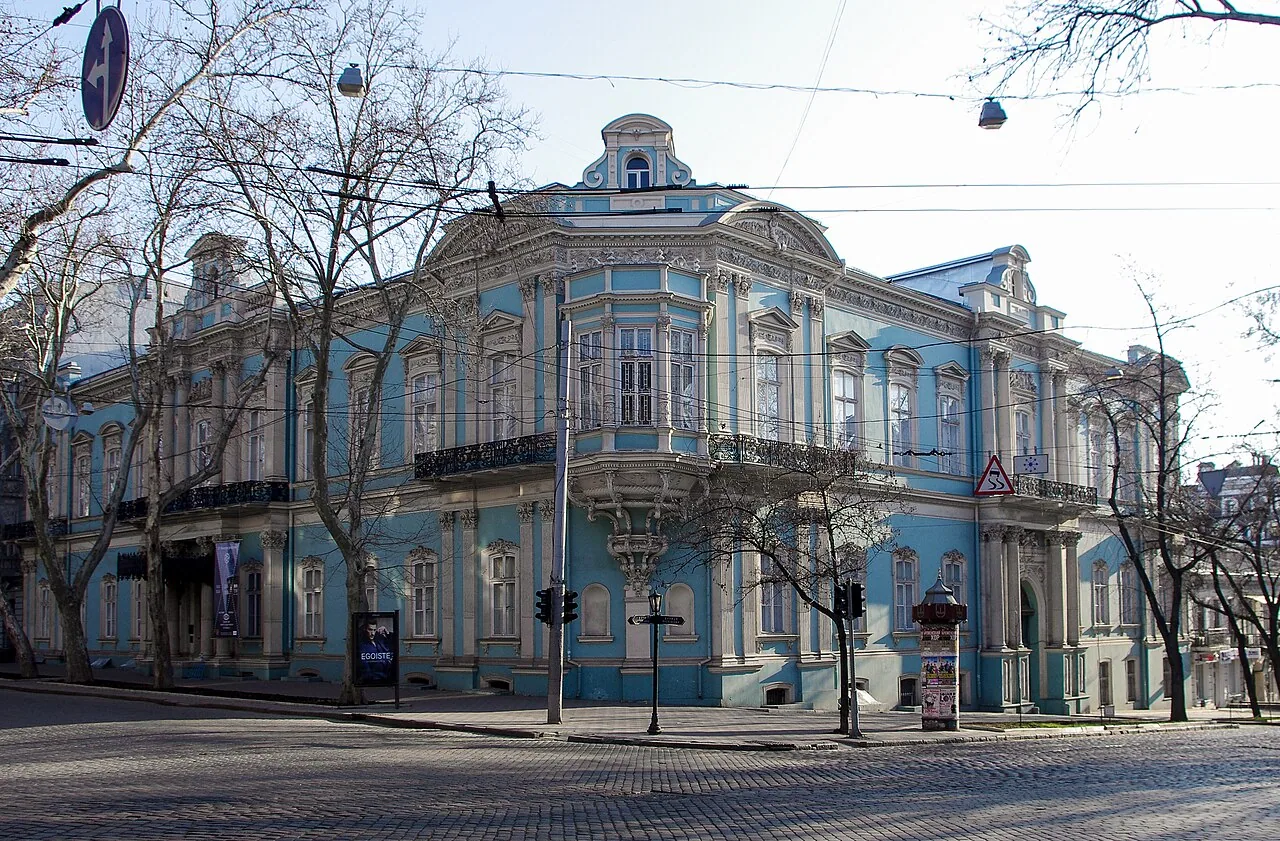
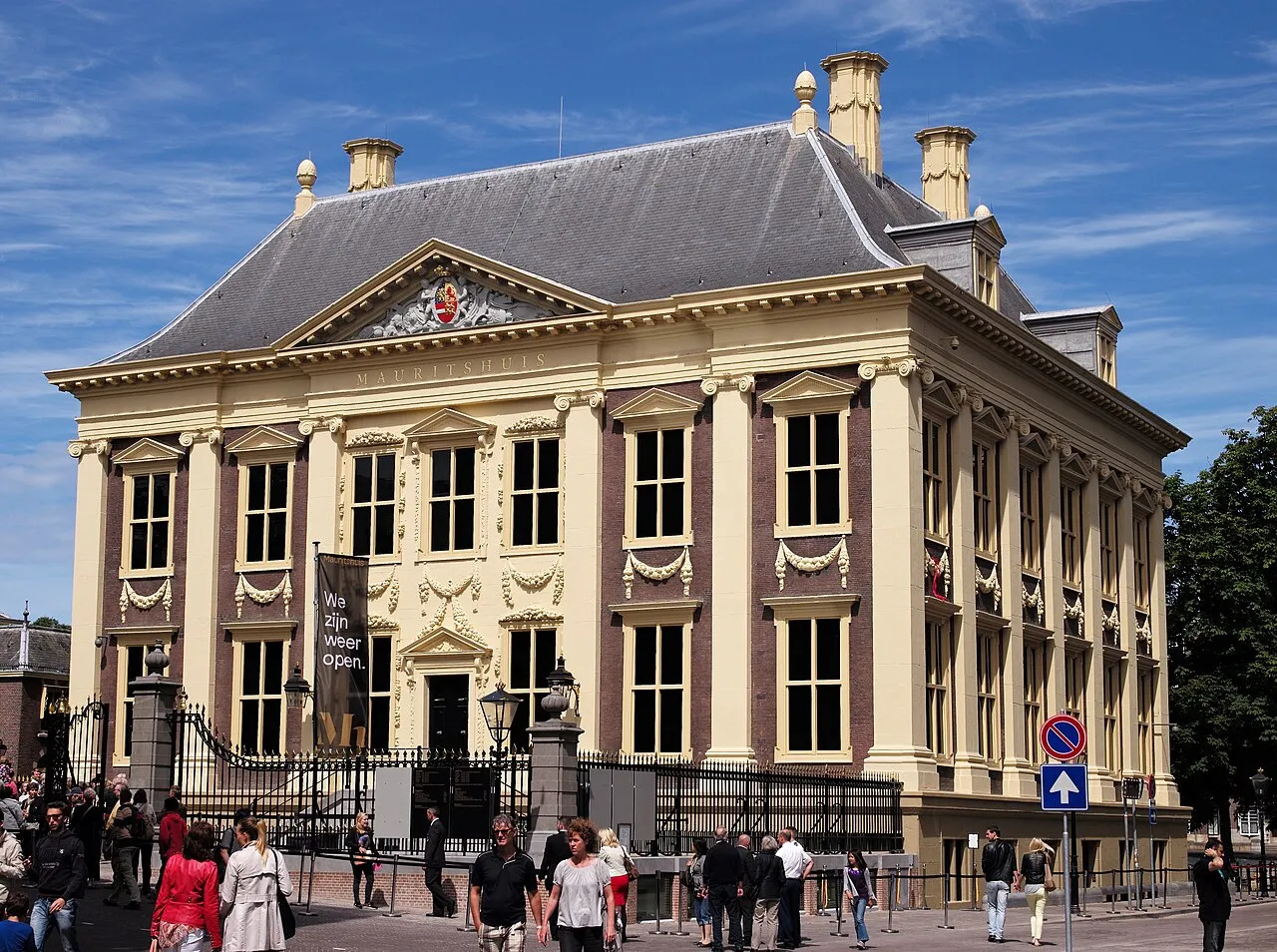
Archive photograph associated with Odesa Museum of Western and Eastern Art
Hwyrd
Modernity
Local and international transformations, not merely the adoption of a Western model.
Asian arts guide

Frequently asked questions

Explore Asian arts through materials, writing, exchange, modernities and the museums preserving these collections.

01Why specify region and period?

Continental categories hide very different histories, techniques and visual systems.

02Can works on paper or silk remain on display?

Often not: sensitivity to light requires rotation, low illumination and rest periods.

03Do tradition and contemporary art conflict?

No. Many artists reuse techniques, formats and archives to address present conditions.

04What should I check before visiting?

Fragile works rotate regularly; consult current displays and gallery closures on the official site.
Destinations

Explore the directory by country

Countries and matching places in this directory selection.

Collection

Look at a documented artwork

Specific objects connect techniques, history and collections. These records do not guarantee that works are currently on display.

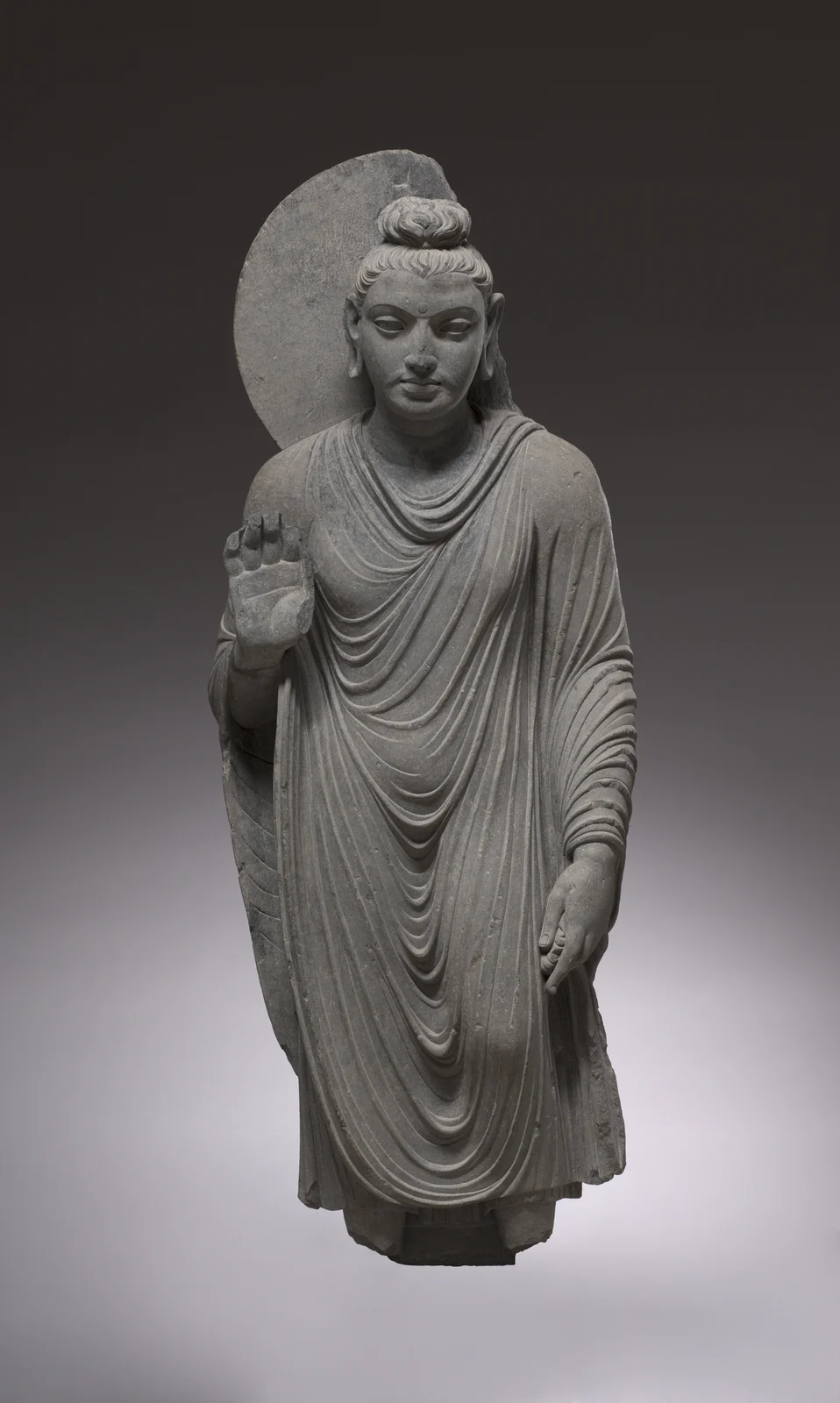
Standing schist Buddha wearing densely folded drapery beneath a halo.
The Cleveland Museum of Art · CC0

Standing Buddha

Date
150–200 CE
Medium and origin
Schist; Gandhara, Pakistan, Kushan period
Dimensions
119.7 cm
Inventory number
1972.43

The garment’s closely spaced folds contrast with the calm face. Follow the sculpture from halo to drapery, distinguishing surviving relief and missing parts. This Gandharan work offers a counterpoint to the bronze Nataraja: material, posture and religious context differ.

Museum record ↗ — Standing Buddha

Explore the museum — Cleveland Museum of Art →

Data consulted on .

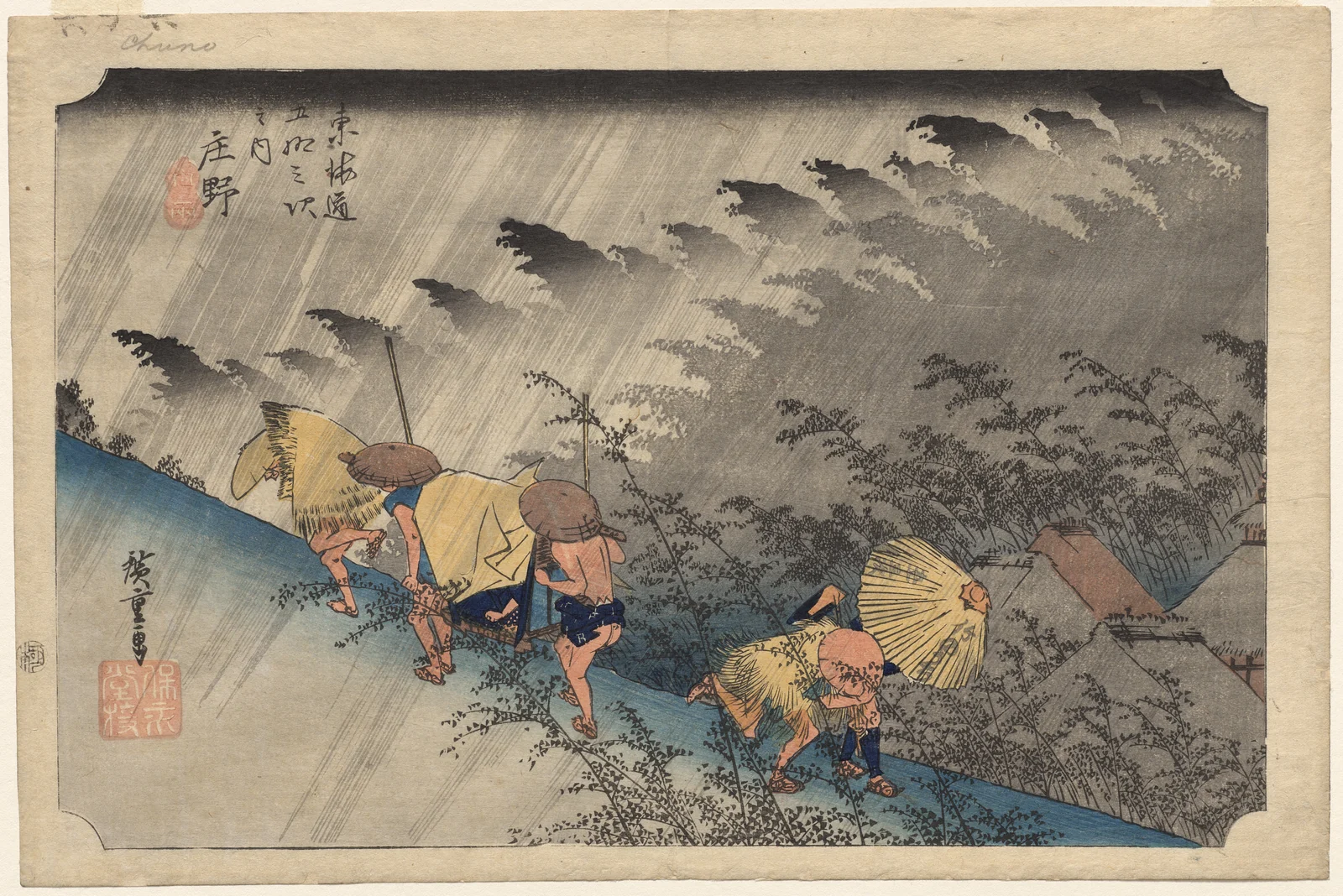
Travellers beneath slanting rain on a path beside dark bamboo.
The Cleveland Museum of Art · CC0

Utagawa Hiroshige

Driving Rain at Shono, from Fifty-Three Stations of the Tokaido

Date
1833
Medium and origin
Colour woodblock print; Japan
Dimensions
38 × 25.4 cm
Inventory number
1948.306

Rain’s diagonals give travellers and landscape a shared direction. The museum identifies three blocks for three grey shades in the distant bamboo. Compare these planes with foreground black lines to understand how a printed image builds atmosphere.

Museum record ↗ — Driving Rain at Shono, from Fifty-Three Stations of the Tokaido

Explore the museum — Cleveland Museum of Art →

Data consulted on .

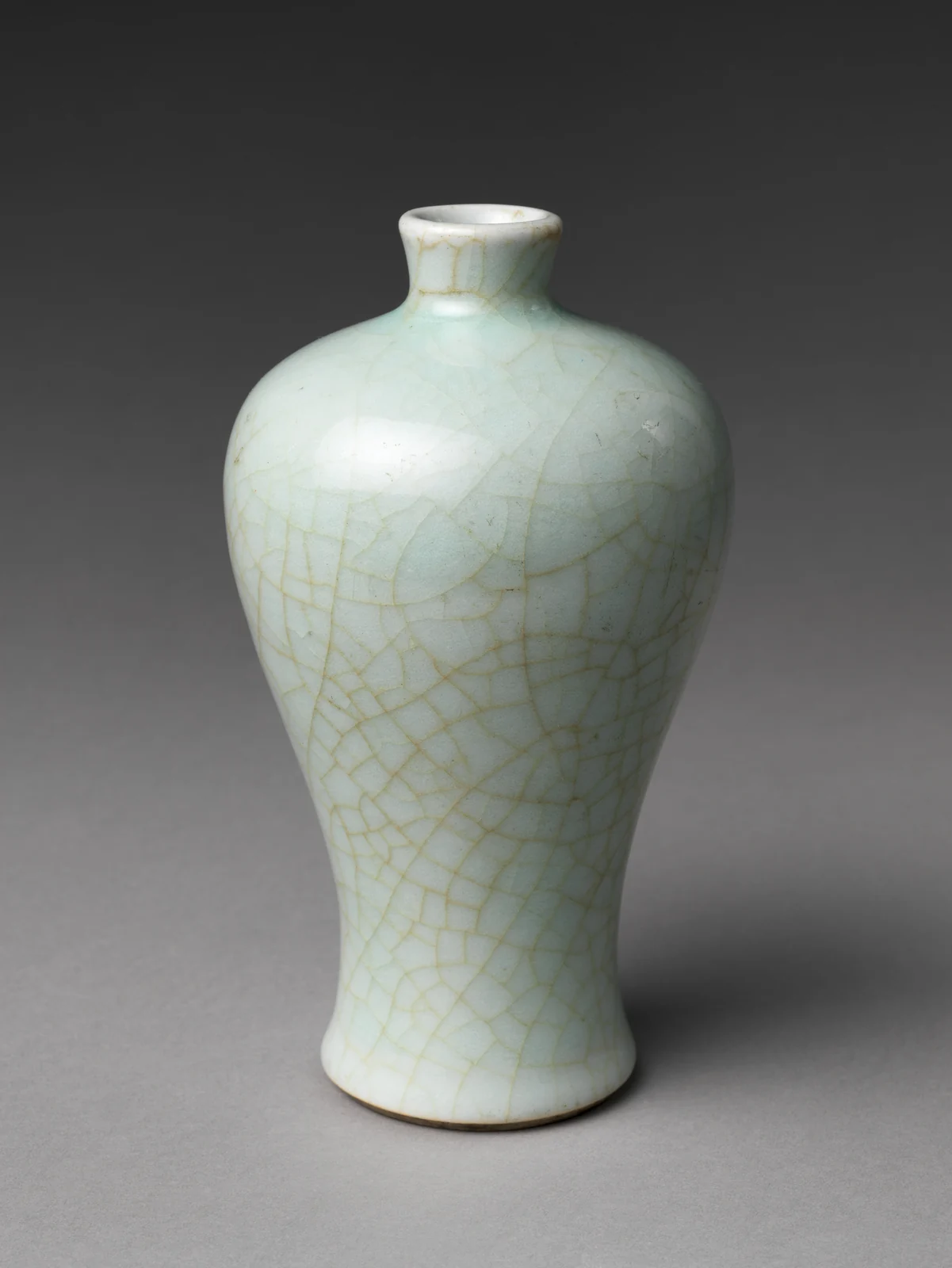
Small pale-green vase with broad shoulder, narrow neck and crackled glaze.
The Metropolitan Museum of Art · CC0

Vase in Meiping Shape

Date
18th century
Medium and origin
Porcelain with celadon glaze, Jingdezhen, China
Dimensions
12.7 × 8.3 cm
Inventory number
14.40.8

The record distinguishes meiping shape, porcelain body and celadon glaze. Observe the glaze crackles and the transition from broad shoulder to narrow neck. The measurements give height and diameter: this small vase should not be imagined at the scale of a monumental jar.

Museum record ↗ — Vase in Meiping Shape

Explore the museum — The Metropolitan Museum of Art →

Data consulted on .

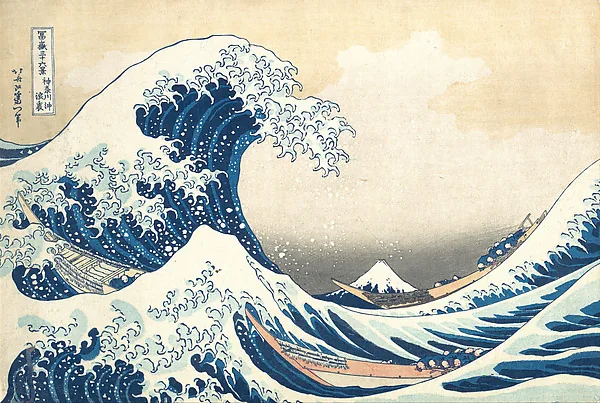
A large blue wave towers over boats, with Mount Fuji in the distance, in Hokusai’s print.
The Metropolitan Museum of Art · CC0

Katsushika Hokusai

The Great Wave off Kanagawa

Date
About 1830–1832
Medium and origin
Woodblock print; ink and colour on paper
Dimensions
25.7 × 37.9 cm
Inventory number
JP1847

This impression belongs to Thirty-six Views of Mount Fuji. JP1847 identifies the Met’s sheet, rather than every impression of the design. Compare the wave, the boats and the small triangle of Mount Fuji: their relative scales organise depth. The technique is woodblock printing, rather than painting.

Museum record ↗ — The Great Wave off Kanagawa

Explore the museum — The Metropolitan Museum of Art →

Data consulted on .

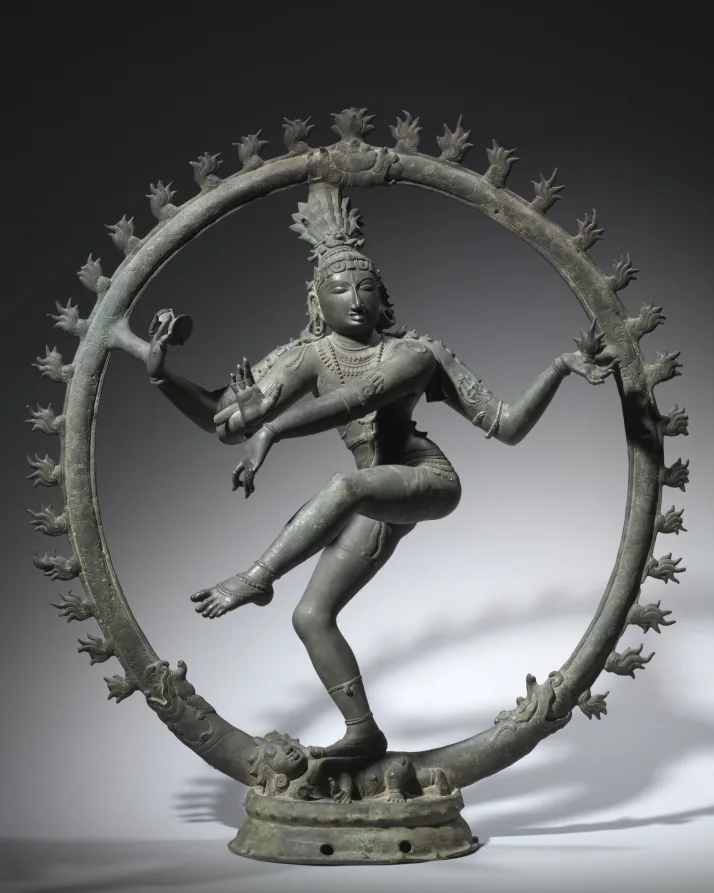
Four-armed Shiva dances within a ring of flames above a small figure.
Cleveland Museum of Art · CC0

Nataraja, Shiva as the Lord of Dance

Date
11th century
Medium and origin
Bronze; Tamil Nadu, South India
Dimensions
113 × 102 × 30 cm
Inventory number
1930.331

The record places this bronze in Chola-period Tamil Nadu. It links the drum to passing time, fire to destruction and the trampled figure to ignorance. Describe the arms, supports and circle first, then compare your observation with this documented interpretation: recognising a motif does not by itself explain its meaning.

Museum record ↗ — Nataraja, Shiva as the Lord of Dance

Explore the museum — Cleveland Museum of Art →

Data consulted on .

Open Access reproduction · CC0. Resized and converted to WebP, without cropping. Translated title; the museum record retains the reference title.

Compare artworks: what changes your reading

Practical distinctions to check in collection records and observe during your visit.

Comparison for looking at art
DistinctionReading pointQuestions to ask
Geography and chronologyAsia is not a single style. Record the catalogue’s places and dates before comparing objects.Does the comparison concern material, use or documented exchange?
Support and presentationPaper, textiles and ceramics have different properties. Current mounting may restrict access to sides and details.Which parts are visible? Are presentation and dimensions explained?
Production and circulationVisual similarity raises a question but does not prove influence. Look for documented connections between workshops, places and models.Which historical links are established? Which comparisons remain observations?
Photographs: sources and licences

Archive photographs. WebP conversion and adapted cropping; social previews include the site logo. Images do not guarantee current conditions.