Read geography at the right scale
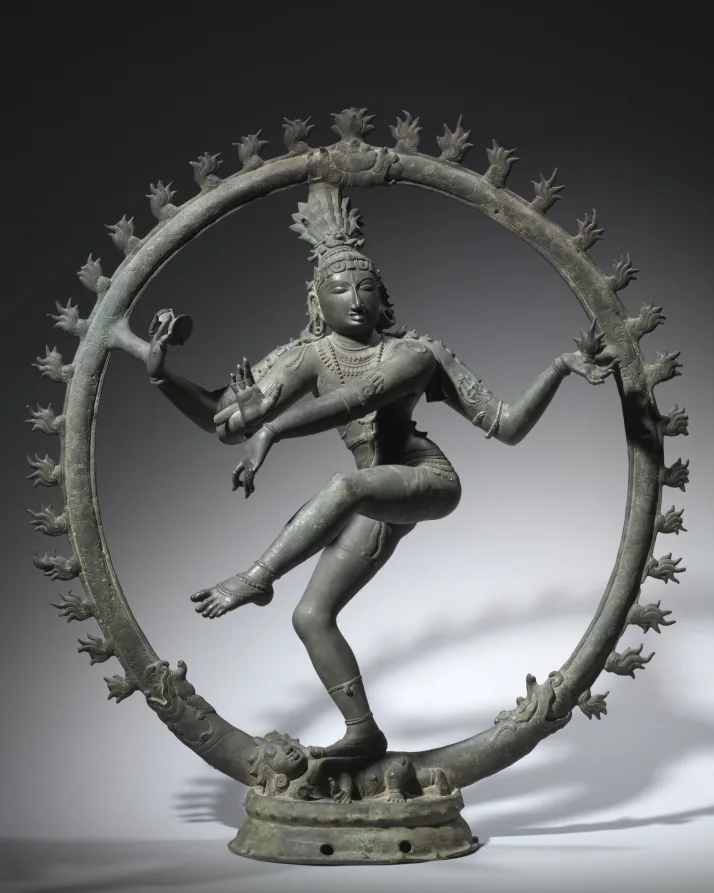
An ‘Asian arts’ category can encompass very different regions, languages and periods. Record each work’s territory, date and stated context. Do not deduce manufacture location from a motif or the name of the museum holding it. An attribution may refer to a workshop, cultural area or period: retain the record’s formulation.
Account for format
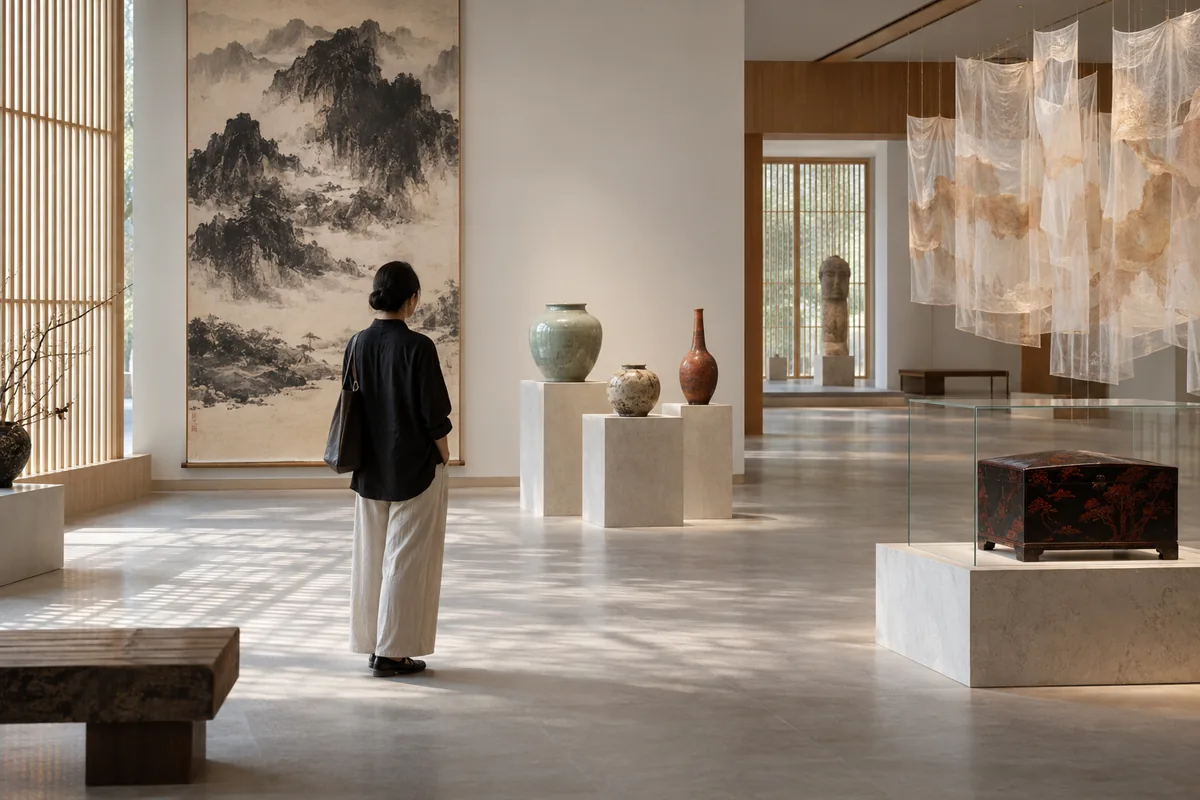
Scrolls, albums, screens, panel paintings and three-dimensional objects organise viewing differently. Find dimensions and whole-object views before comparing a detail. A screen can show elements side by side that are discovered sequentially in use. Describe current presentation separately from historical viewing practices when those are documented.
Separate inscriptions, marks and translation
Inscriptions may identify a date, maker, owner or later intervention; their role depends on the object. Copy published transcription and translation instead of guessing meaning. A mark does not summarise the entire manufacturing or collecting history. Retain the original-language title when provided, together with the inventory number.
Look for provenance archives
The National Museum of Asian Art publishes research into objects’ ownership histories and directs readers to archives. Use these resources to distinguish artistic context from circulation. An incomplete chronology must remain explicitly incomplete. Separate established facts, catalogue proposals and your personal questions in your notes; this makes comparisons more precise.
Common questions
Do identical translated titles identify the same work?
No. Check institution, inventory number, dimensions and original title where available.
Does a photograph show an entire scroll?
Not always. Check whether it is a full view, detail or digital composite.
Method and references
Reading advice and exercises written for this guide. The references extend the documentary and technical explanations. Check visit conditions with each institution.
Continue reading
- Ceramics: clay, surface and function
- Art provenance: journeys, documents and gaps
- Finding an artwork in a museum catalogue
- Explore : Asian arts: materials, gestures and modernities in dialogue.
- Explore : Painting: matter, light, narrative.
- Explore : Ancient art and archaeology: reading an object with its history.