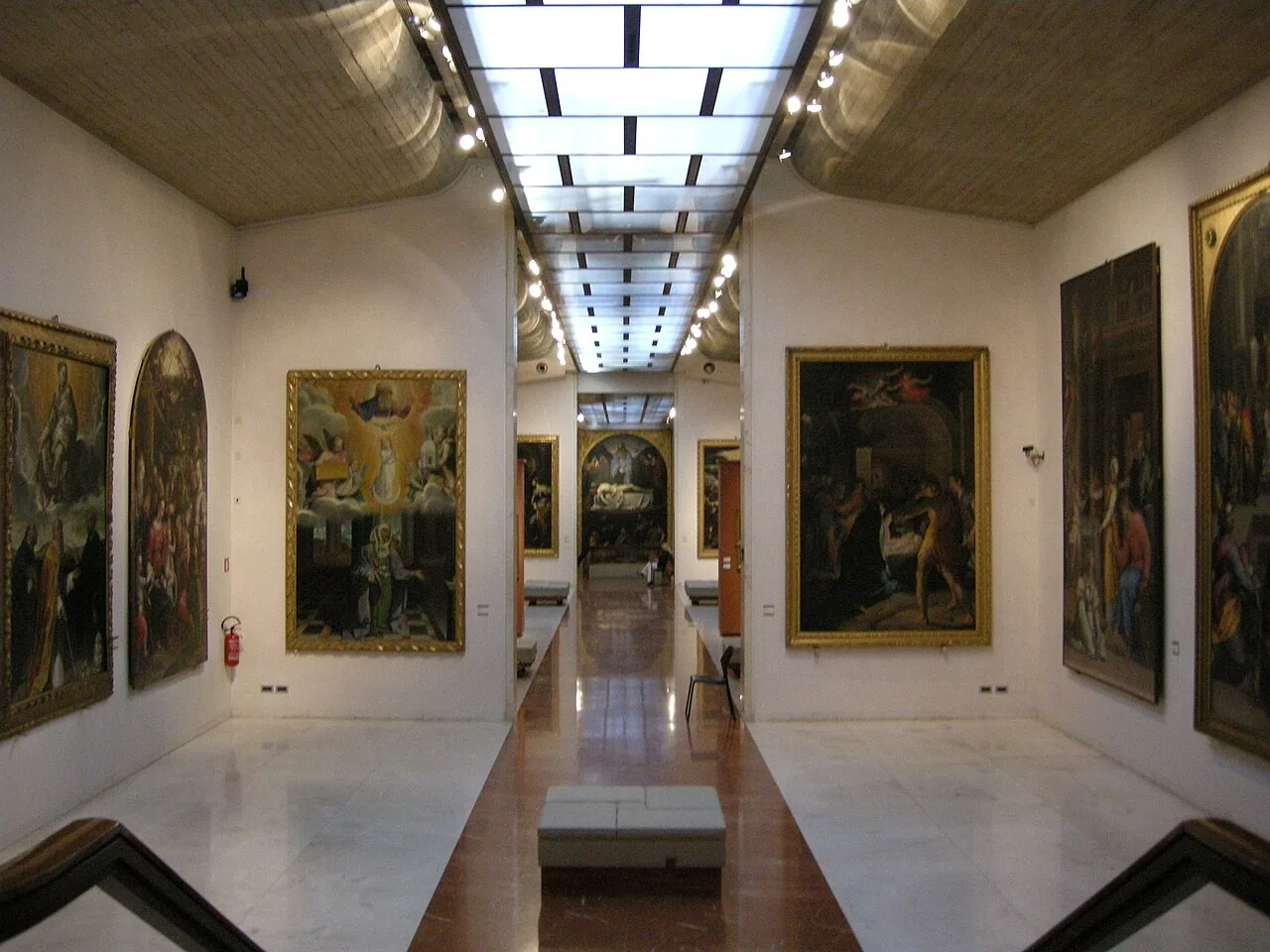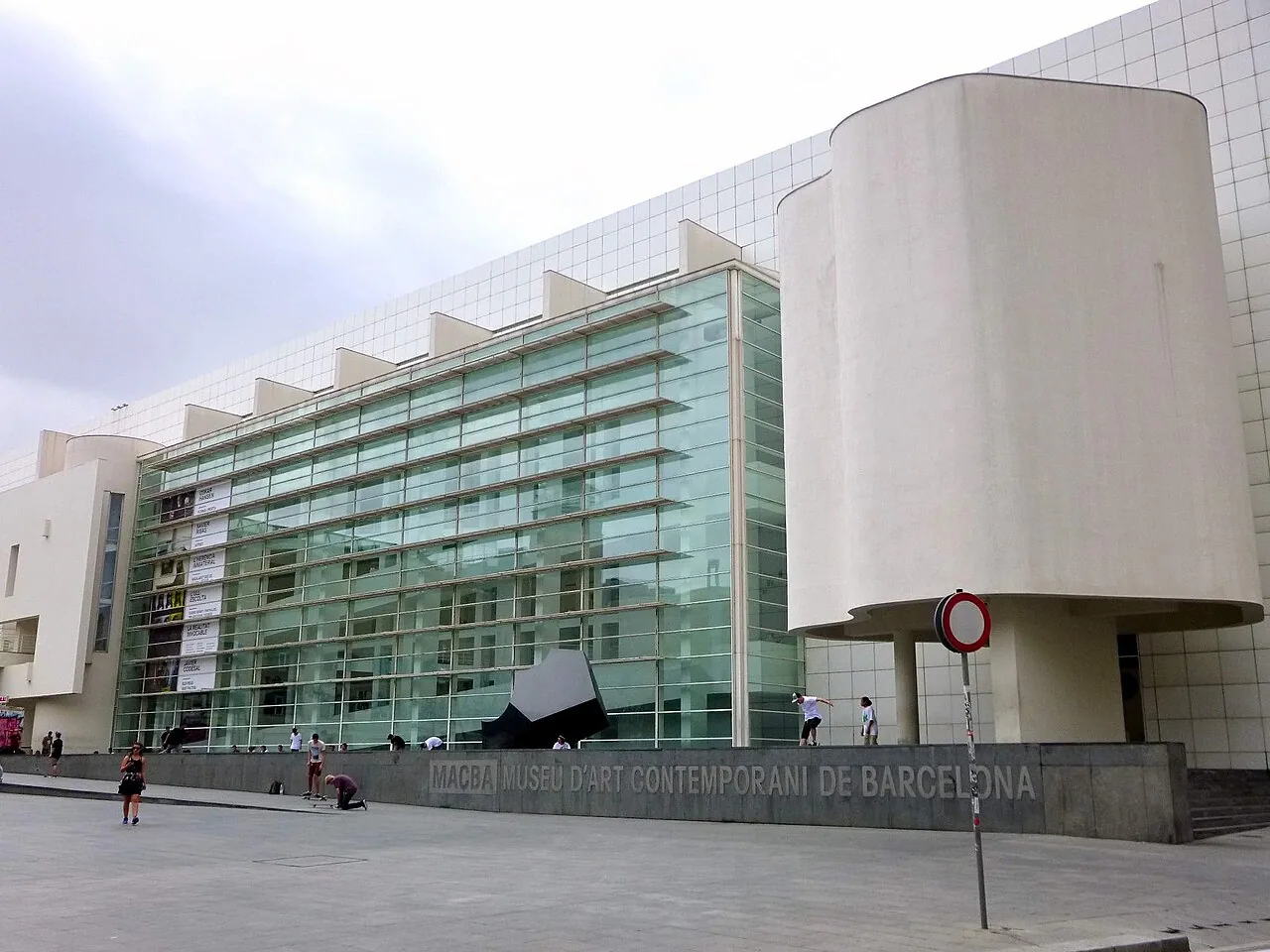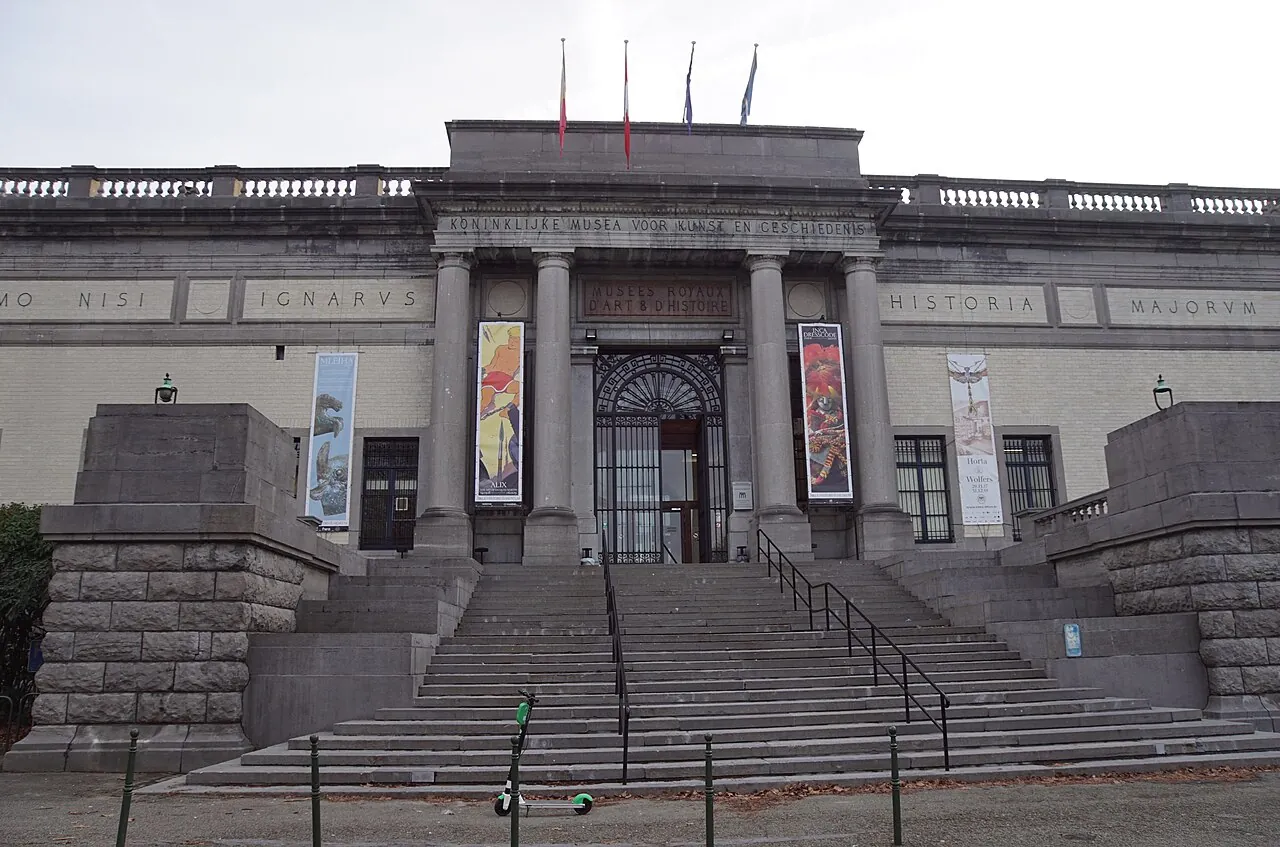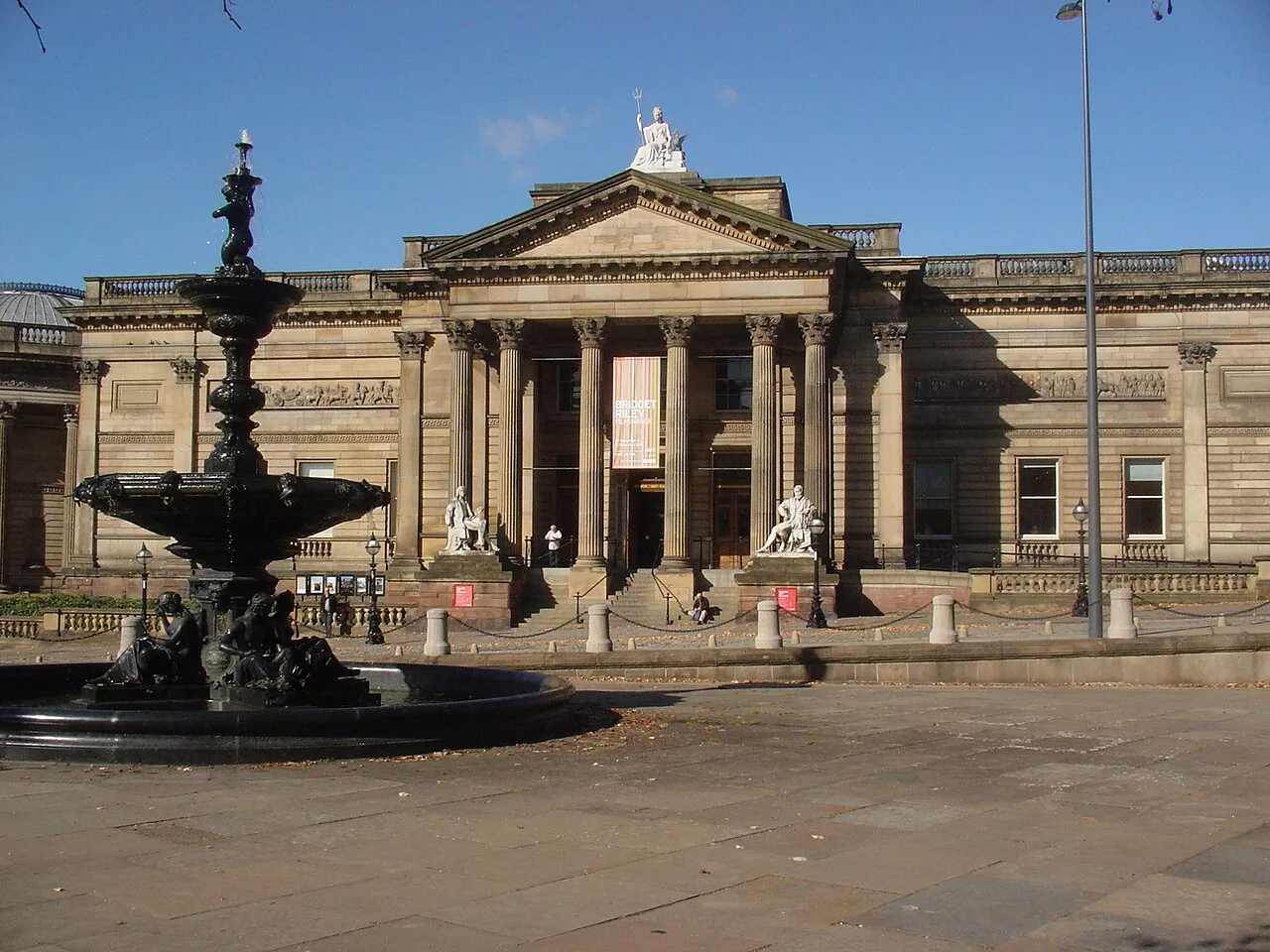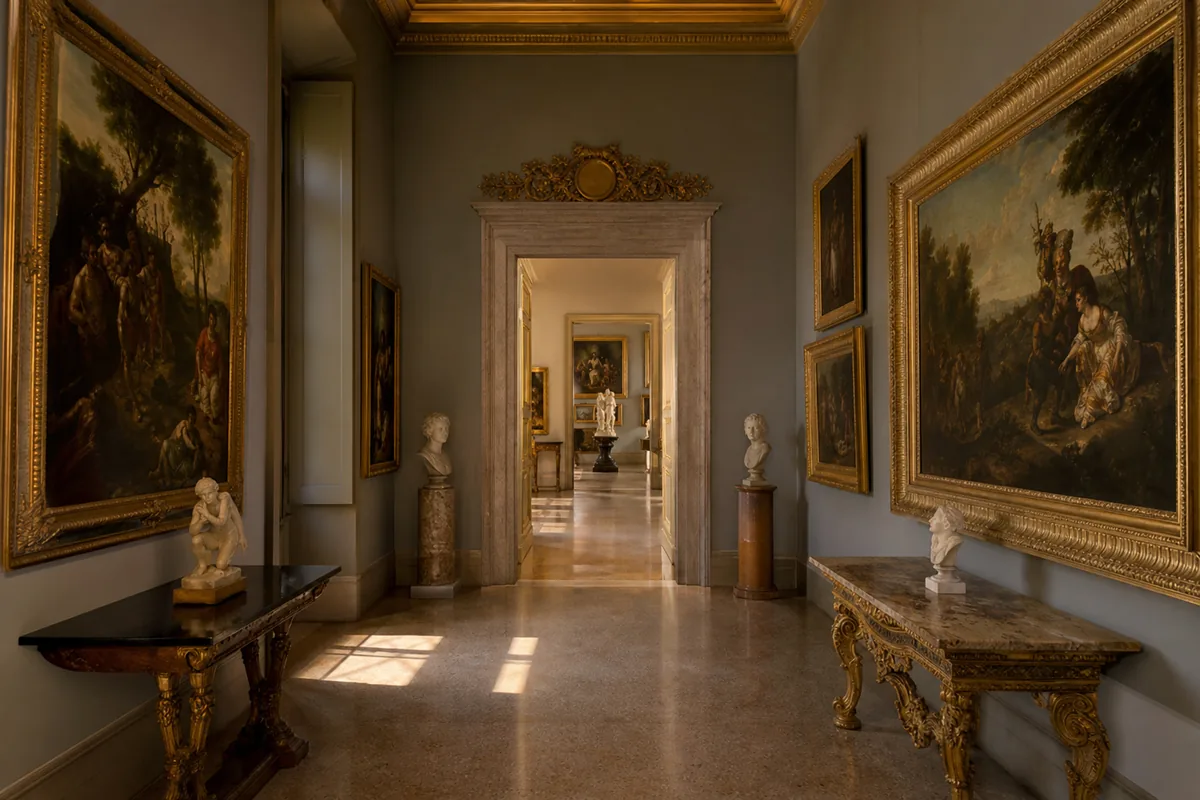
Gallery displaying historic works of art

Ancient collections guide

Ancient art and archaeology: reading an object with its history.

A work’s beauty cannot tell us alone where it came from or how it reached a museum.

38 Directory23 countries

Ancient collections guide

One object, several contexts

An ancient object may have been made for a home, temple, tomb, exchange or everyday use. Its meaning changes when it is displayed elsewhere.

Separate its making, discovery, ownership history and acquisition. A gap in the record calls for care, not invention.

Art guide

Ancient collections guide

A work’s beauty cannot tell us alone where it came from or how it reached a museum.
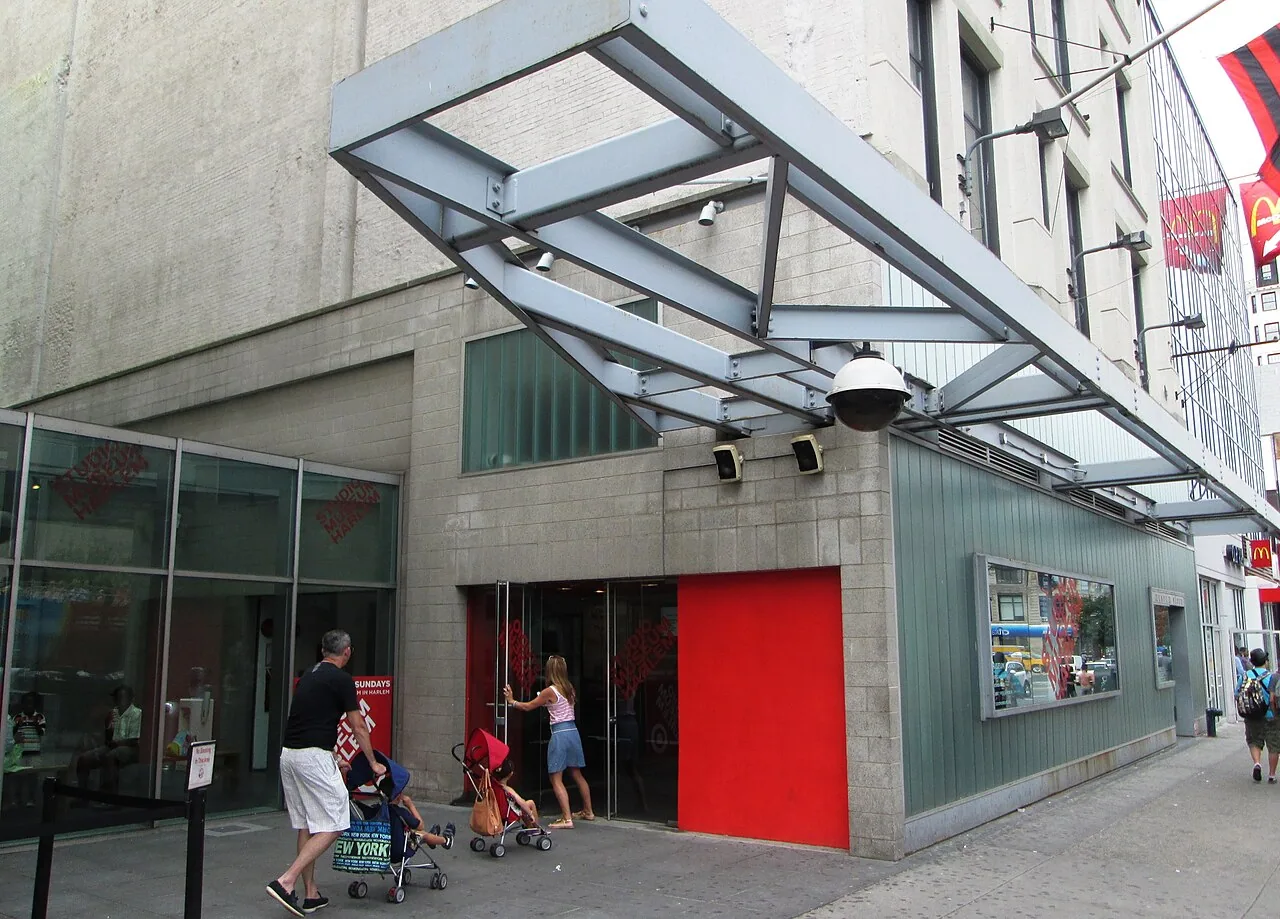
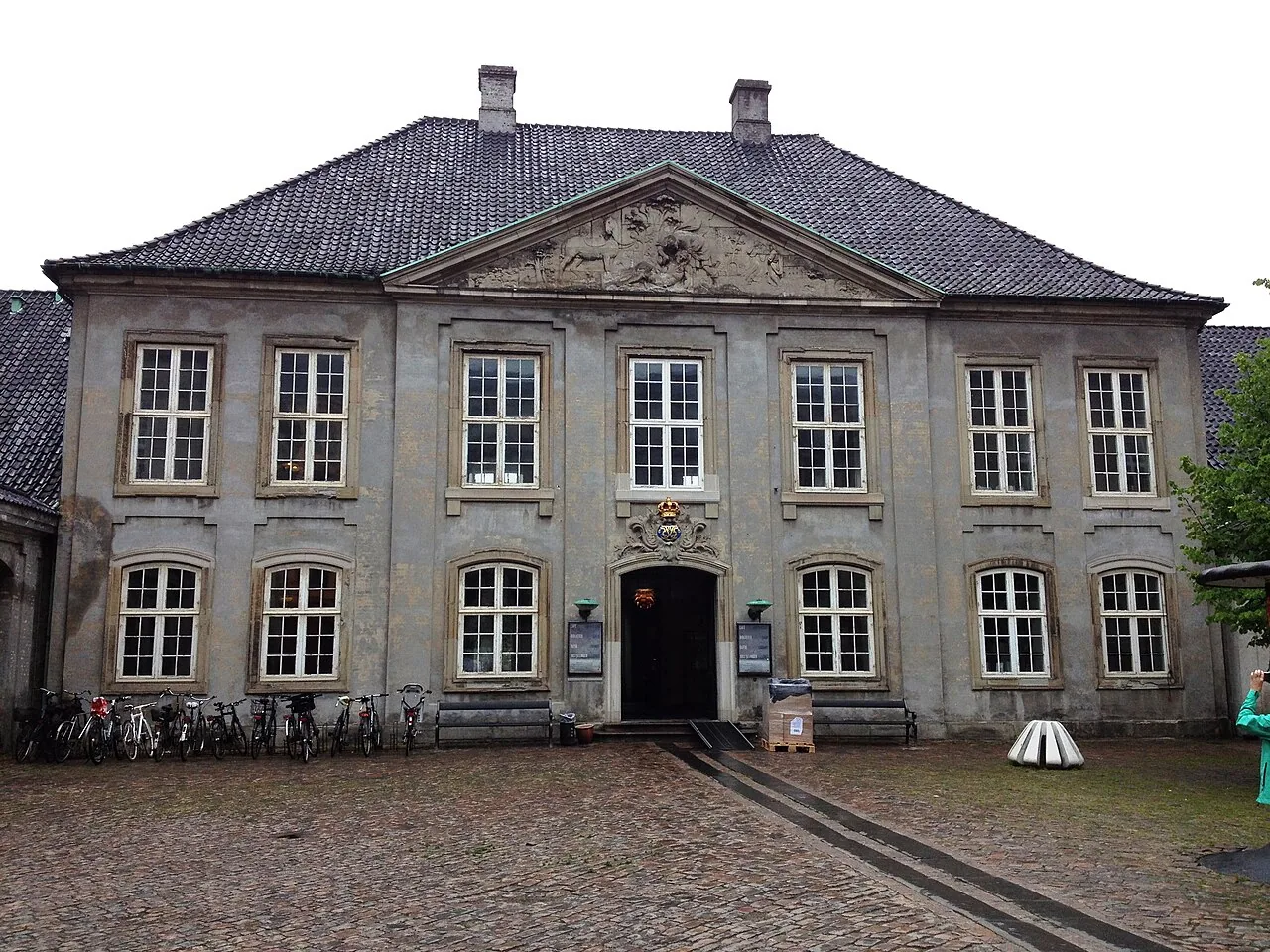
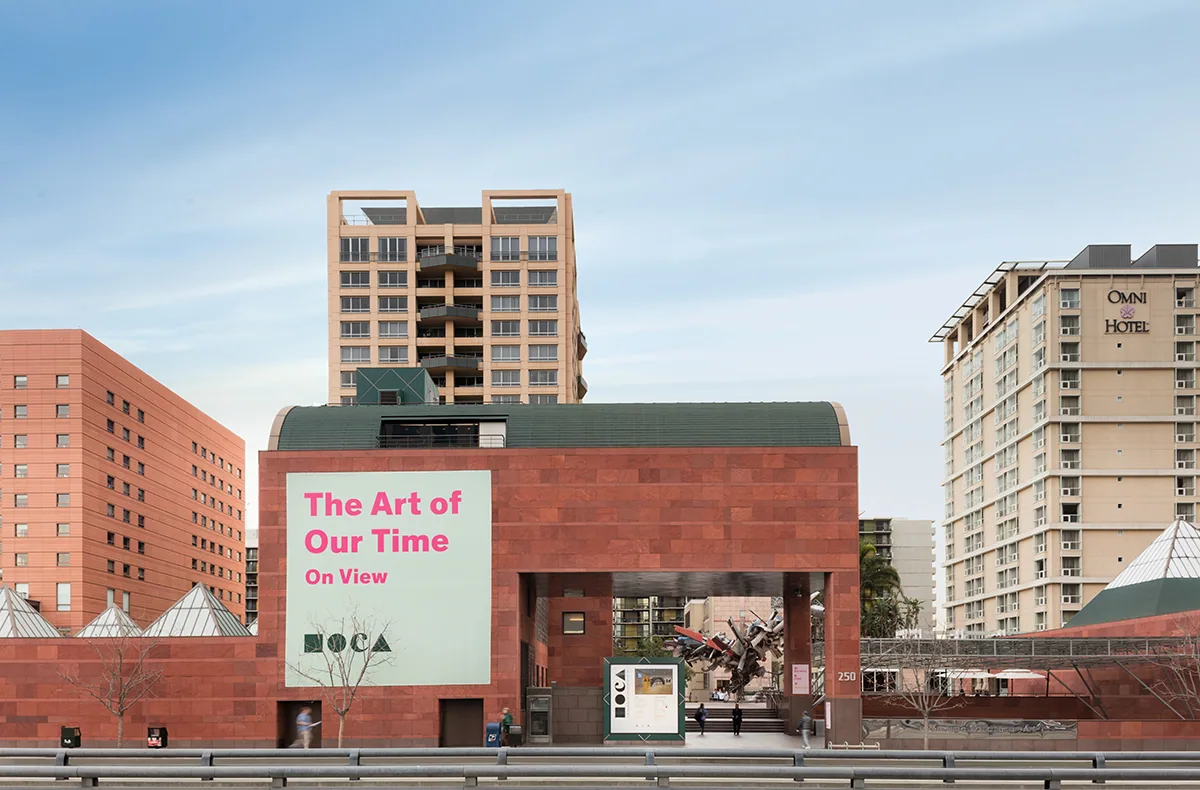
Archive photograph associated with Studio Museum in Harlem
Beyond My Ken
01

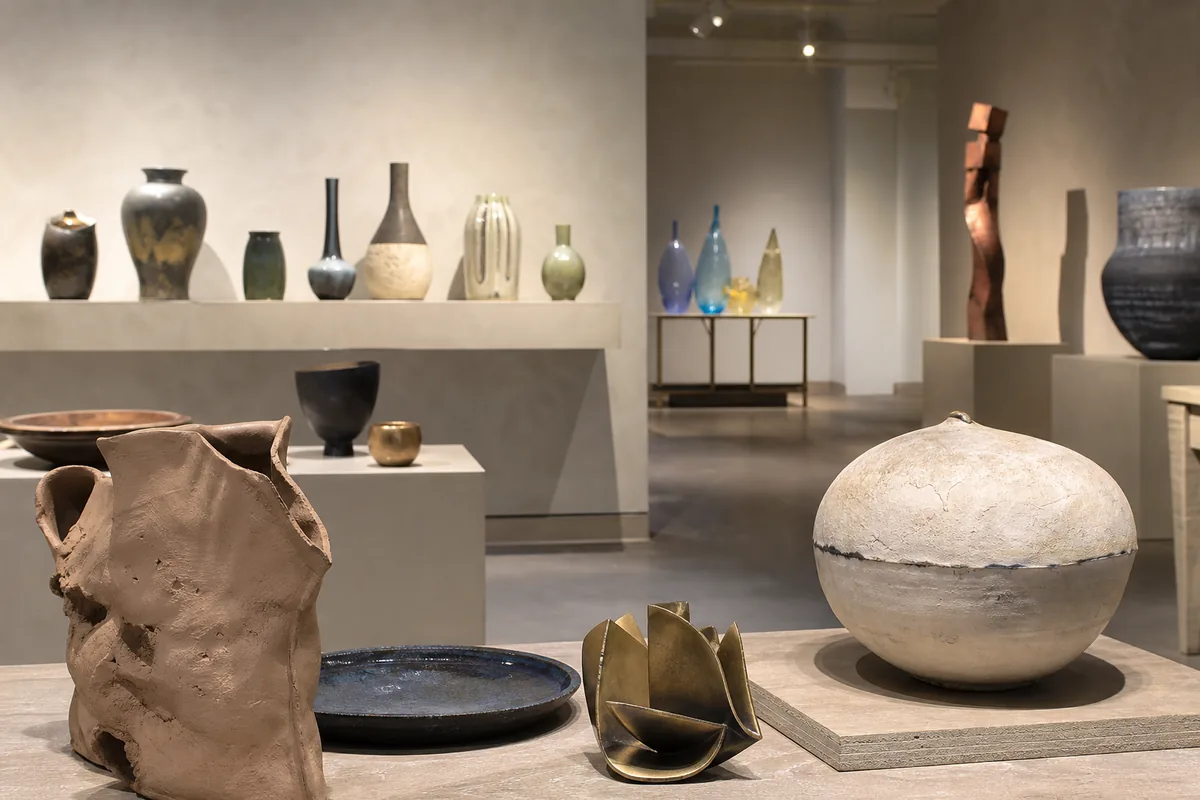
Original context

Place, use and associated finds can illuminate function.
02

Materials and techniques

Stone, clay, metal and pigment reveal technical choices.
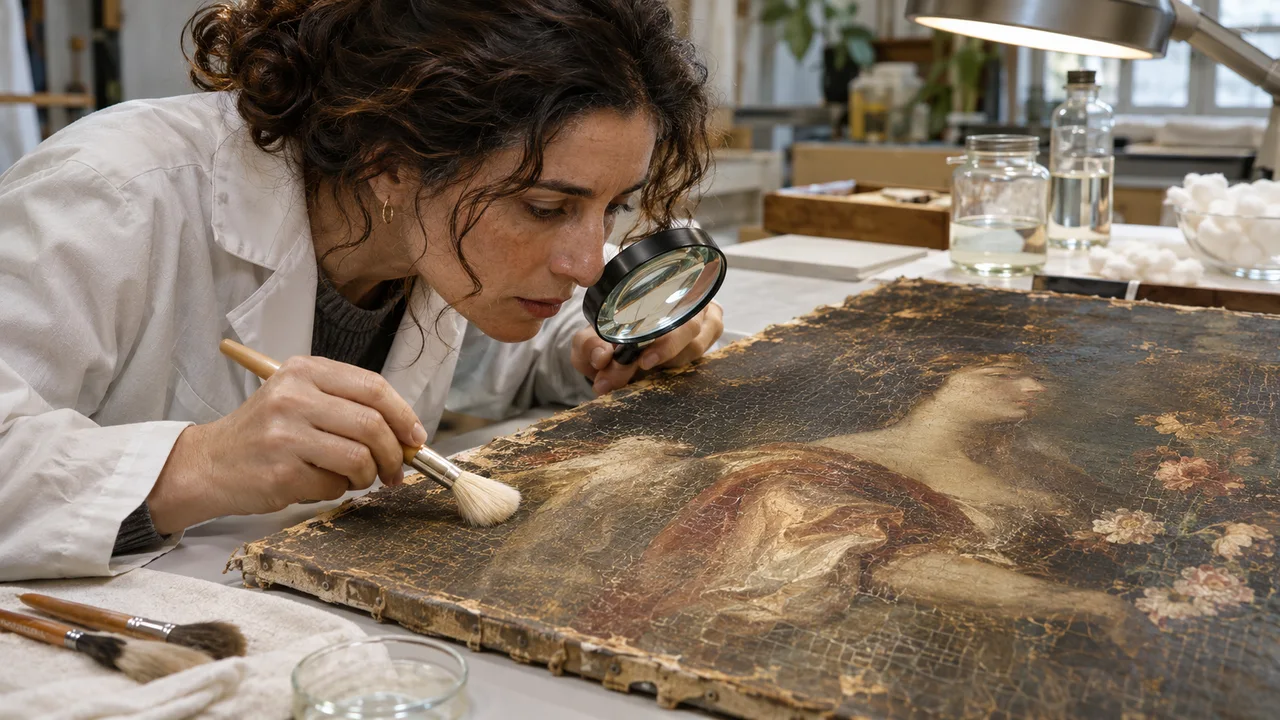
AI-generated illustration
03

Dating and attribution

Evidence supports estimates of age or origin, often with uncertainty.
AI-generated illustration
04

Provenance

The documented chain of custody differs from the place of manufacture.

Ancient collections guide

Read a collection record

  1. 01

    Identify the object

    Start with material, size, condition and any recorded restoration.

  2. 02

    Separate the dates

    Distinguish making, discovery, ownership and museum acquisition.

  3. 03

    Notice uncertainty

    Words such as “attributed to” or “probably” indicate limits of knowledge.

Ancient collections guide

Common questions

Explore ancient collections through materials, archaeological context, dating, provenance and museum history.

01Are origin and provenance the same?

No. Origin concerns making; provenance traces documented custody and ownership.

02Why is a date sometimes a range?

The surviving evidence may not support a precise year.

Destinations

Explore the directory by country

Countries and matching places in this directory selection.

Collection

Look at a documented artwork

Specific objects connect techniques, history and collections. These records do not guarantee that works are currently on display.

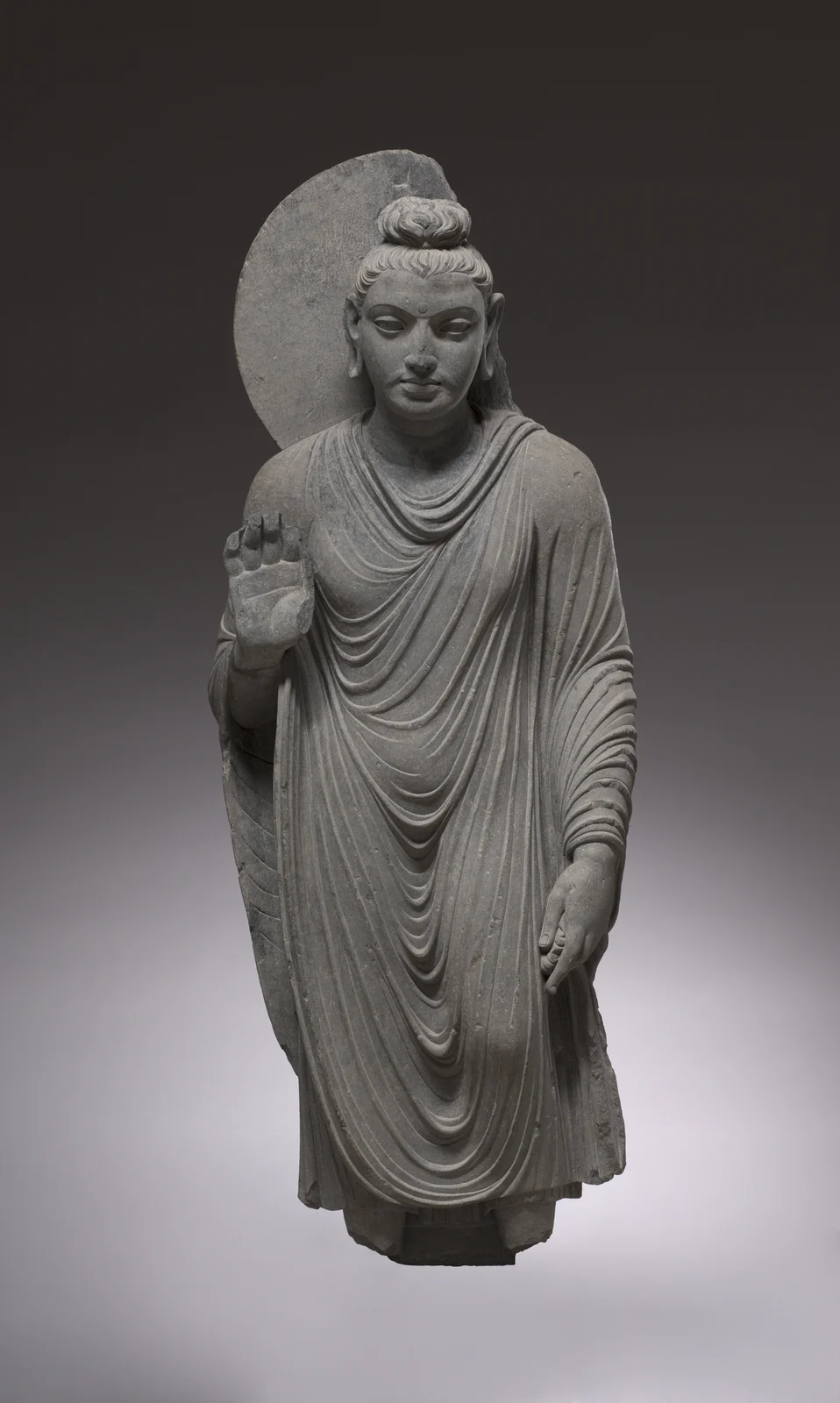
Standing schist Buddha wearing densely folded drapery beneath a halo.
The Cleveland Museum of Art · CC0

Standing Buddha

Date
150–200 CE
Medium and origin
Schist; Gandhara, Pakistan, Kushan period
Dimensions
119.7 cm
Inventory number
1972.43

The garment’s closely spaced folds contrast with the calm face. Follow the sculpture from halo to drapery, distinguishing surviving relief and missing parts. This Gandharan work offers a counterpoint to the bronze Nataraja: material, posture and religious context differ.

Museum record ↗ — Standing Buddha

Explore the museum — Cleveland Museum of Art →

Data consulted on .

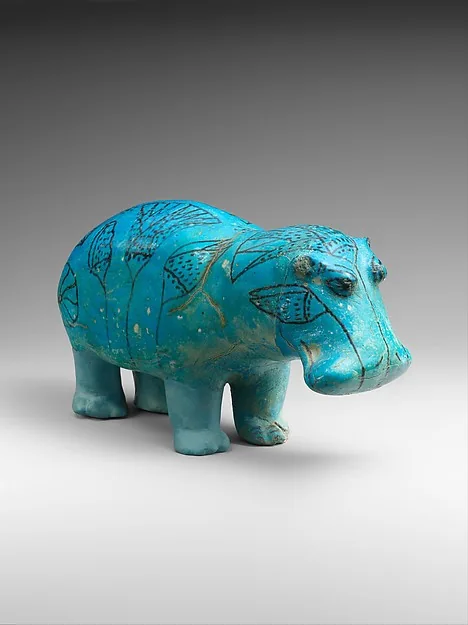
A turquoise-blue hippopotamus decorated with dark plant motifs.
The Metropolitan Museum of Art · CC0

Hippopotamus, known as William

Date
About 1961–1878 BCE
Medium and origin
Egyptian faience
Dimensions
20 × 7.5 × 11.2 cm
Inventory number
17.9.1

The figurine’s Egyptian faience is a ceramic material based on ground quartz, distinct from clay-based earthenware. Painted lotuses evoke the animal’s river habitat. The record connects the object to Senbi’s burial equipment at Meir and identifies three restored legs: material, find context and conservation history are separate questions.

Museum record ↗ — Hippopotamus, known as William

Explore the museum — The Metropolitan Museum of Art →

Data consulted on .

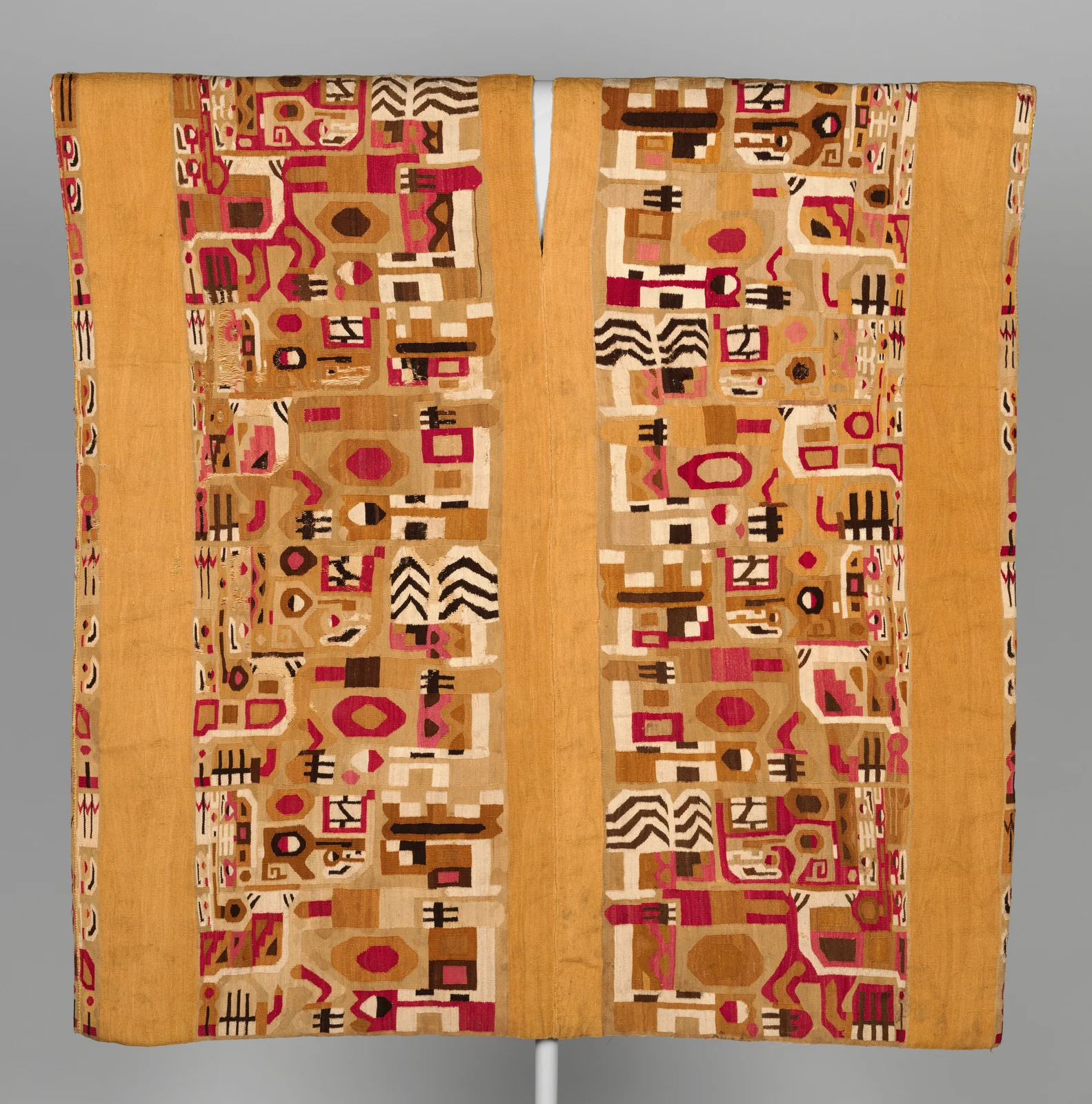
Rectangular Wari tunic with bands of multicoloured geometric motifs against a light ground.
The Metropolitan Museum of Art · CC0

Wari

Wari tunic

Date
650–1000 CE
Medium and origin
Cotton and camelid hair · Andean region
Dimensions
≈ 103.5 × 101 cm
Inventory number
2021.146

Two woven panels are sewn together, leaving a head opening. Motifs repeat, compress and stretch within vertical bands: track the same shape between two registers. Consider this Andean garment as a volume worn on a body as well as a flat surface. The catalogue dimensions are approximate.

Museum record ↗ — Wari tunic

Explore the museum — The Metropolitan Museum of Art →

Data consulted on .

Open Access reproduction · CC0. Resized and converted to WebP, without cropping. Translated title; the museum record retains the reference title.

Compare artworks: what changes your reading

Practical distinctions to check in collection records and observe during your visit.

Comparison for looking at art
DistinctionReading pointQuestions to ask
Dating and discoveryProduction and discovery dates answer different questions. Preserve the uncertainty of an approximate period.How is dating expressed? Is the findspot documented or only proposed?
Fragment and reconstructionA fragmentary object may have mounting or a visual reconstruction. Identify original material and presentation aids.Are ancient elements distinguished from additions? What remains unknown?
Context and provenanceArchaeological context and collecting history complement each other. Gaps in one cannot be filled by assumptions about the other.Which sources document discovery, circulation and entry into the museum?
Photographs: sources and licences

Archive photographs. WebP conversion and adapted cropping; social previews include the site logo. Images do not guarantee current conditions.