Art guide
Why discover this place?
This page provides a stable editorial reference. For hours, prices, temporary exhibitions, access and booking, always check the official source.
Official website
New York · United States
An encyclopedic museum bringing together five millennia of art from cultures around the world.
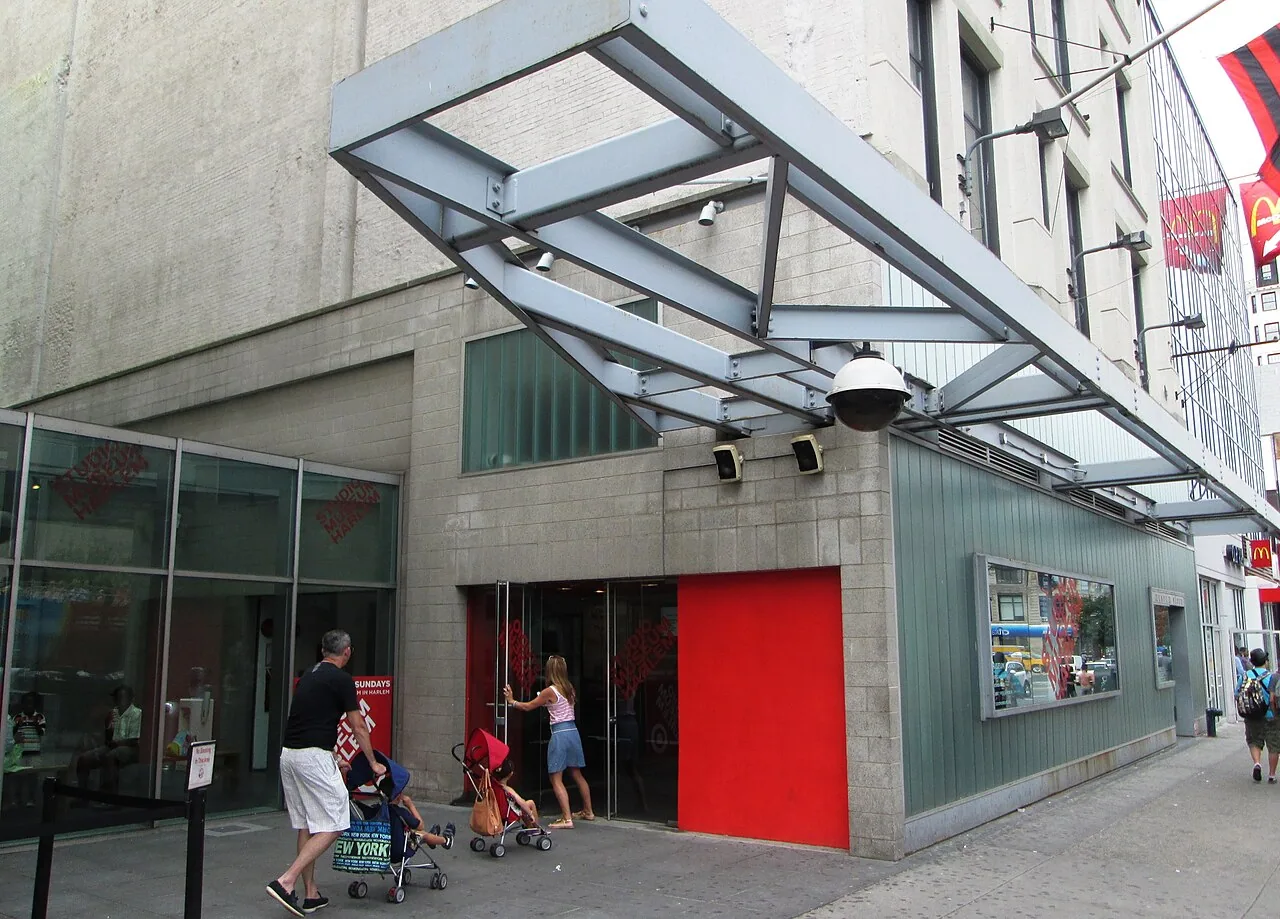
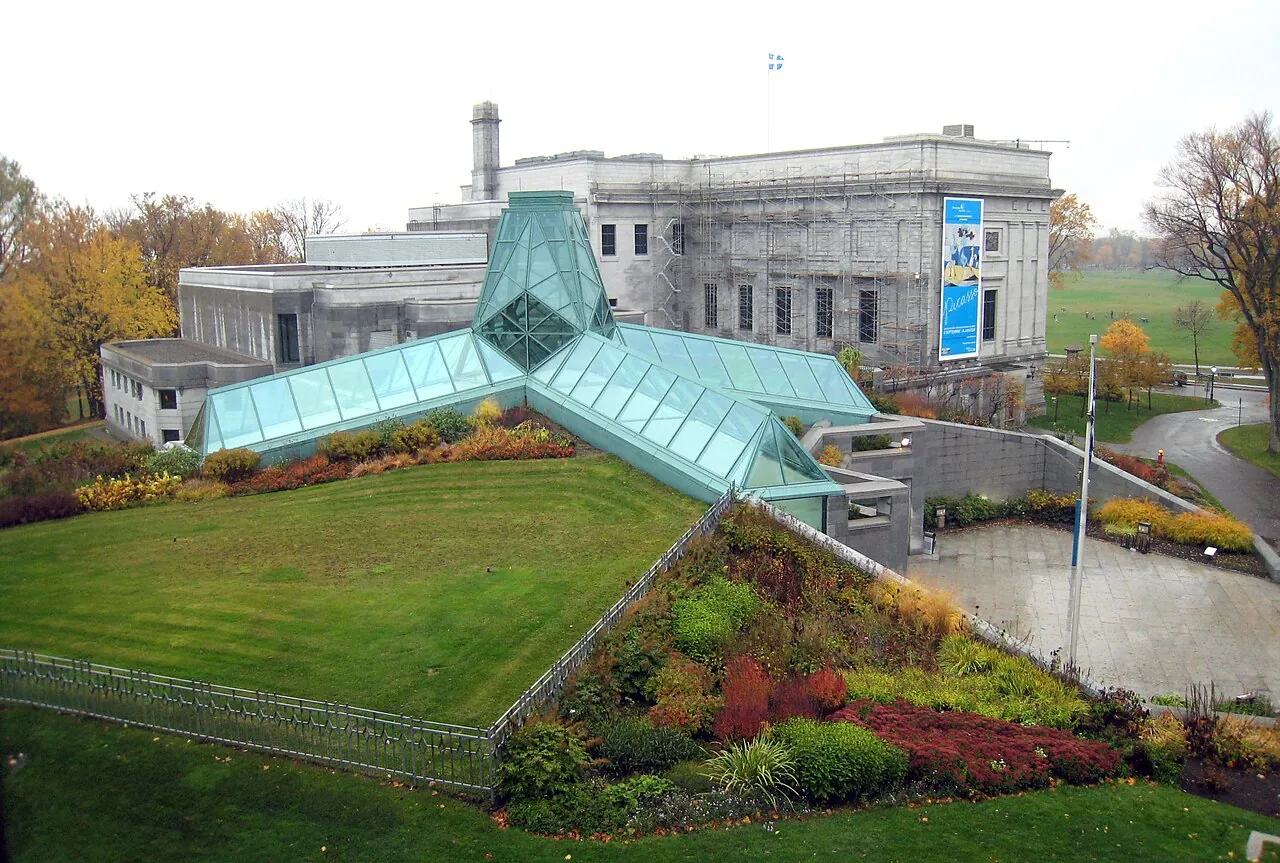
Archive photograph · Hugo Schneider · CC BY-SA 2.0 · WebP; adapted display crop.
Compare museums and galleries →
Art guide
This page provides a stable editorial reference. For hours, prices, temporary exhibitions, access and booking, always check the official source.
Official websiteReading route
The Met portal organises its collection by departments including Egyptian art, Asian art, European painting, photographs and musical instruments. It also connects collections with provenance research and conservation resources. Start with one question and two departments rather than an unrelated list of masterpieces. A group becomes intelligible when you define what you want to observe.
Find works from different contexts that show a human figure. For each, record date, stated place or culture, material and documented function. Then compare posture, scale and indications of movement. Present similarities as observations, not a lineage: related forms can have very different uses, meanings and histories.
A record may distinguish a model’s date from printing or casting, and may use a cautious attribution. Copy these nuances: removing ‘attributed to’ or confusing dates turns limited information into certainty. If an object’s use is unexplained, formulate a research question instead of inventing a story from its appearance.
After visual comparison, consult the museum’s provenance or conservation resources. Our method separates three columns: what you see, what the record states and what remains unknown. Before visiting, check display location and official conditions. Online exploration remains useful when a work is not exhibited; it must not be presented as an available gallery route.
Within one record, separate object dimensions, reproduction framing and materials. When comparing two images, check whether they show the same object or example. An enlarged detail helps inspect a surface but does not reproduce its scale in the gallery.
Reading exercises: WORLD ART GALLERIES editorial team. Documentary reference : The Met — Collection and research resources. Source consulted on .
View source — www.metmuseum.org ·
Specialisms : View source · Data retrieved
Explore the online collection ↗Look more closely
Choose a reading method to prepare your observations and consult the museum’s object records.
Understand an object’s information without confusing observation, documentation and questions still under discussion.
Read the guide →Observe how an image is made and compare its material effects without diagnosing a work remotely.
Read the guide →Move beyond a frontal image to observe silhouettes, gaps and the relationship with a setting.
Read the guide →Distinguish printing matrix, impression and edition to understand printed images.
Read the guide →Directory
Other places in this directory sharing its city, country or specialisms.
Collections and practices
These specialisms provide an editorial overview of the collections and programme, helping to place the institution before checking its official listings.
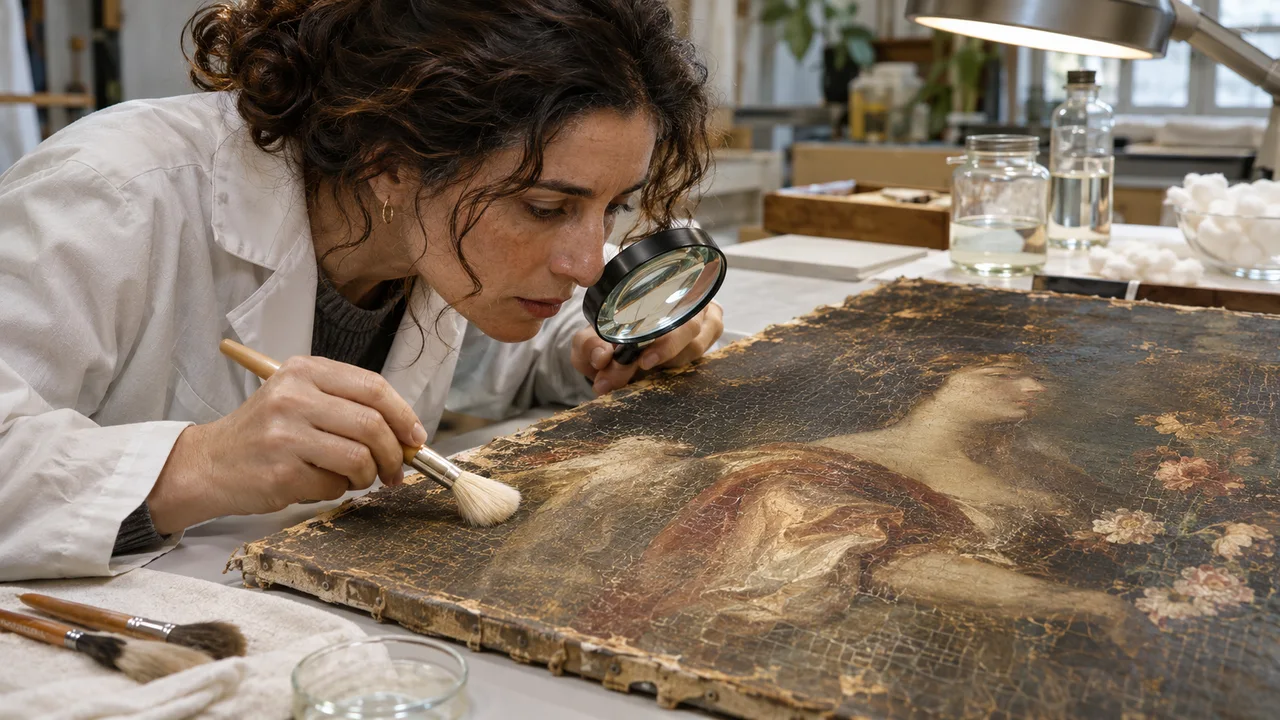
Look at colour, composition, supports and gestures across different periods of painting.
Find more places for Painting →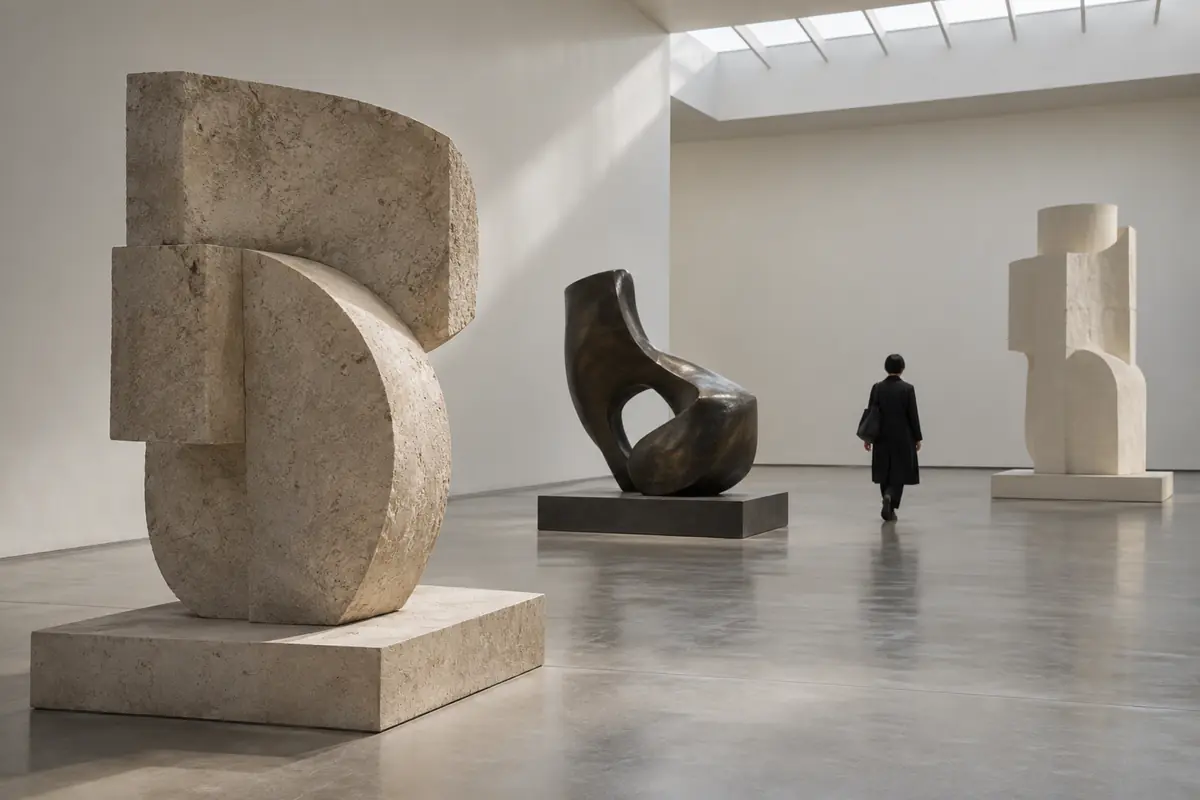
Discover how material, volume, void and scale transform our relationship with space.
Find more places for Sculpture →
Connect objects, beliefs, techniques and societies across ancient cultures.
Find more places for Antiquities →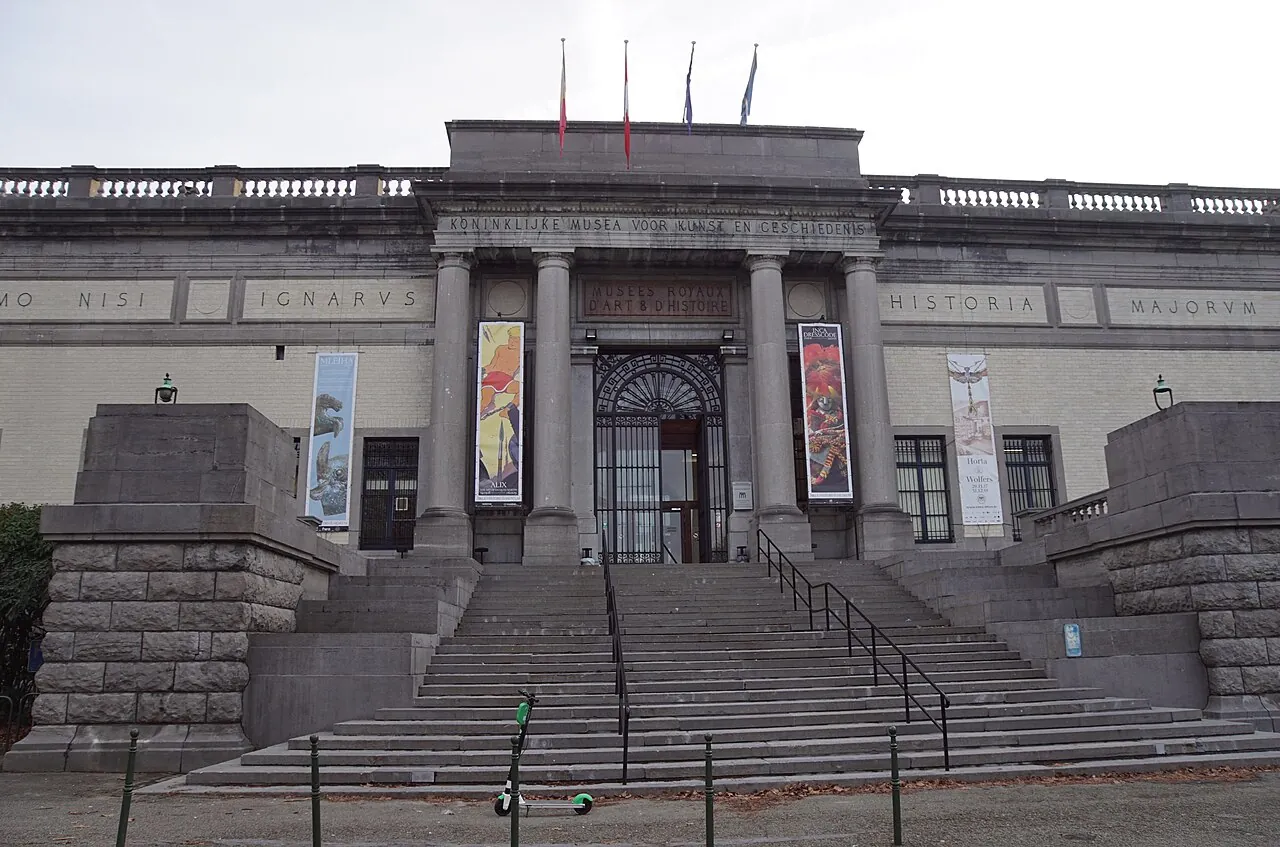
Connect periods, regions and media through an open reading of art history.
Find more places for Global art →Art guide
Understanding the visit
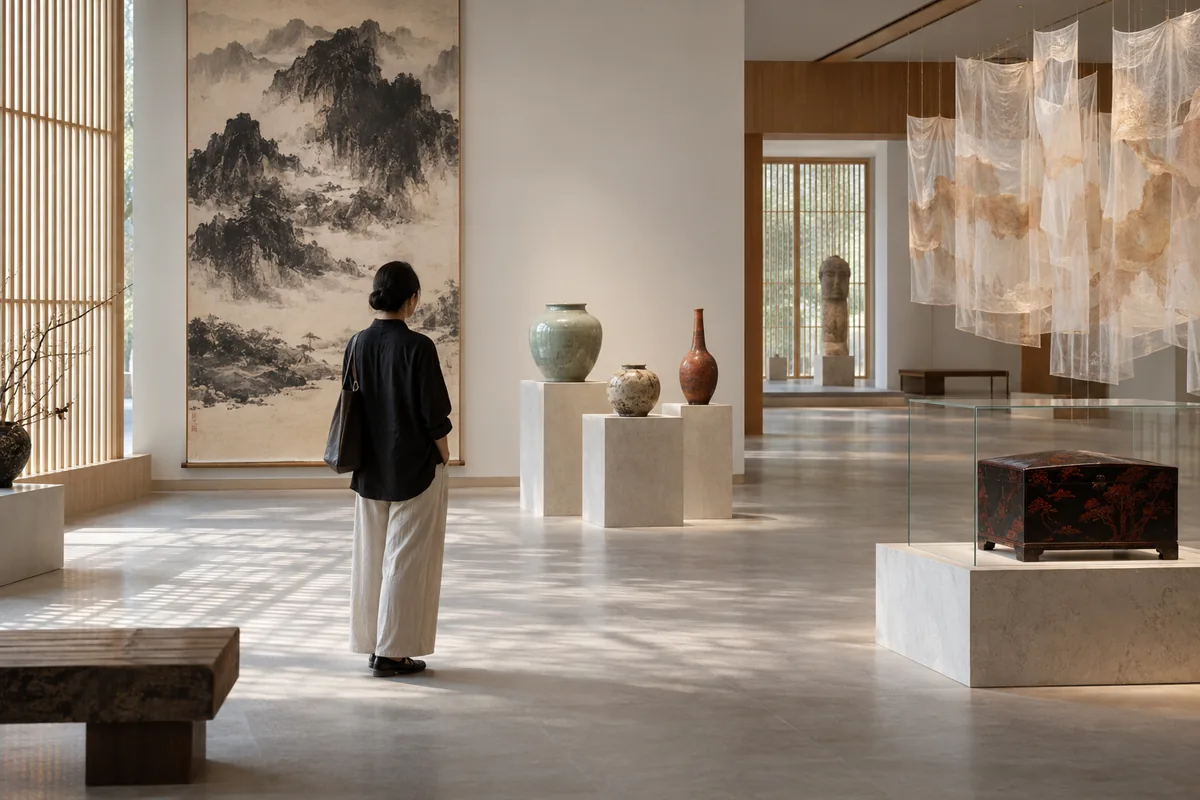
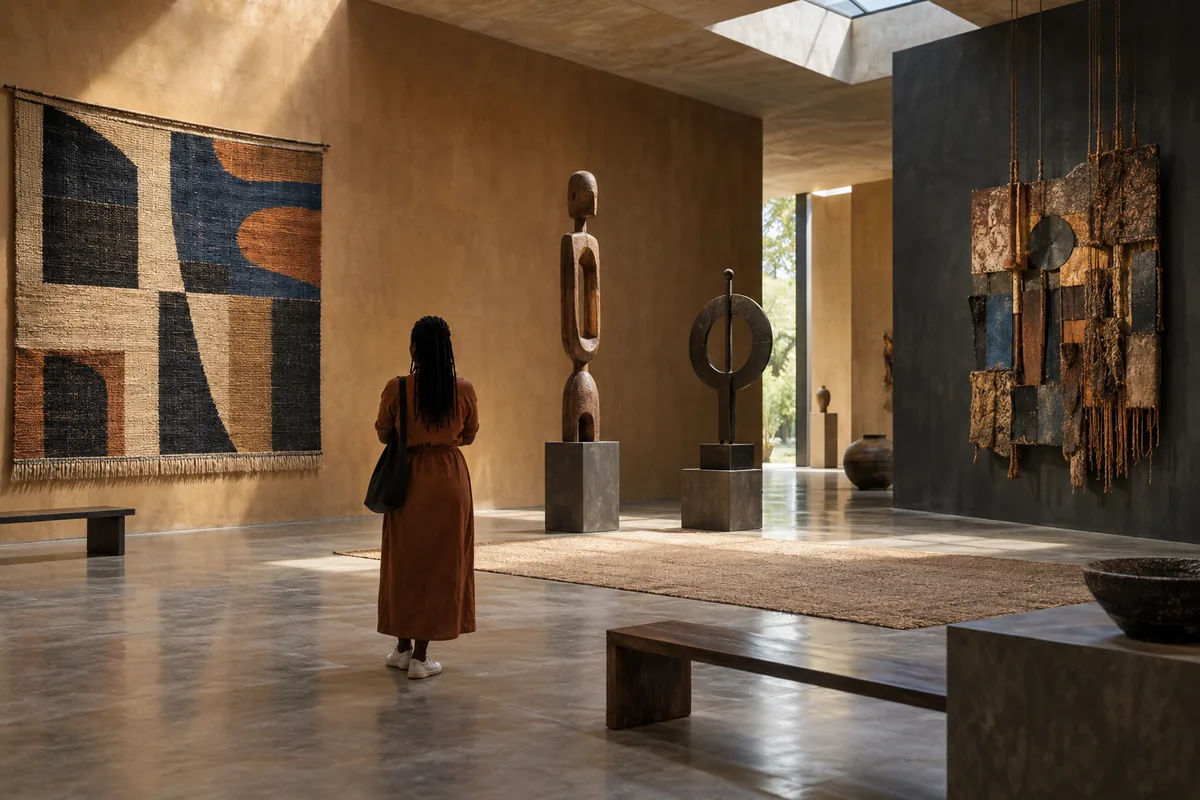
There are many ways to discover The Metropolitan Museum of Art: follow a chronology, choose one discipline, seek out a few works or simply wander. In New York, a flexible plan and a selective visit are often more rewarding than trying to see everything.
Before travelling, use the official website to check open galleries, current exhibitions, closures and access. On site, spend time with a work, change your distance and notice details before turning to labels or interpretive material.
This page focuses on lasting information about the institution and its principal fields. It does not replace the practical guidance published by The Metropolitan Museum of Art for tickets, hours, visitor services and current rules.

New York · United States
Modern art
Discover
New York · United States
Modern art
Discover
New York · United States
Modern art
DiscoverCollection
Specific objects connect techniques, history and collections. These records do not guarantee that works are currently on display.
12 — examples shown
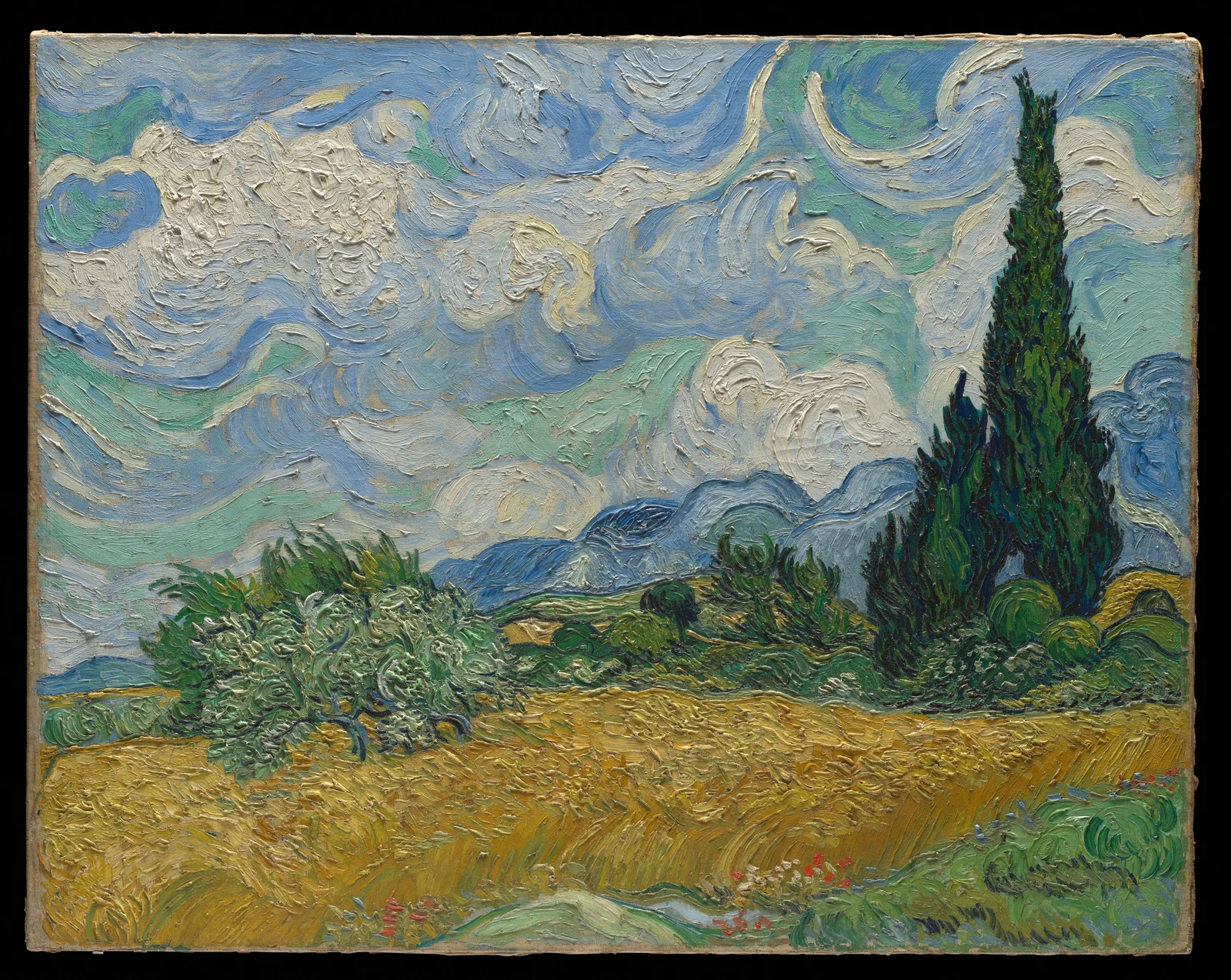
Vincent van Gogh
The vertical cypress contrasts with bands of wheat and curves in the sky. Follow the direction of the brushstrokes: they describe forms while animating the painted surface. Compare the tree’s dark silhouette with the neighbouring blues and yellows.
Museum record ↗ — Wheat Field with Cypresses
Explore the museum — The Metropolitan Museum of Art →
Data consulted on .
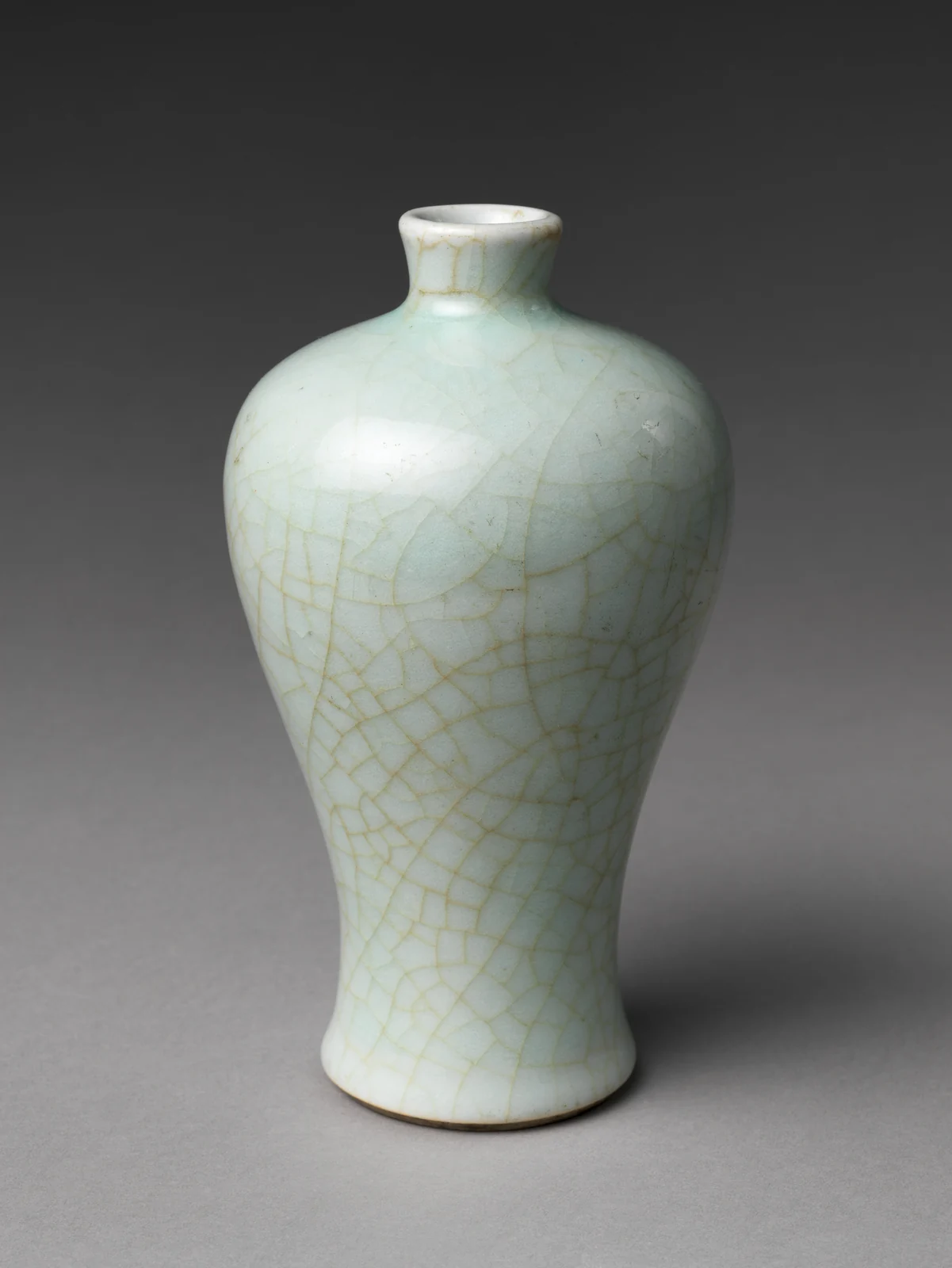
The record distinguishes meiping shape, porcelain body and celadon glaze. Observe the glaze crackles and the transition from broad shoulder to narrow neck. The measurements give height and diameter: this small vase should not be imagined at the scale of a monumental jar.
Museum record ↗ — Vase in Meiping Shape
Explore the museum — The Metropolitan Museum of Art →
Data consulted on .
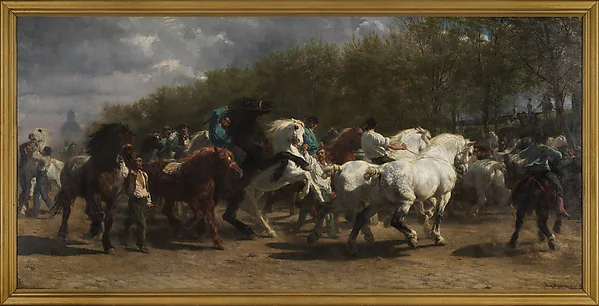
Rosa Bonheur
The painting depicts the horse market on Paris’s Boulevard de l’Hôpital. Over five metres wide, it is greatly reduced in reproduction. Follow the bodies’ directions and the gaps between horses to examine how an observed scene becomes a composition. The Met distinguishes its 1853 Salon appearance from the retouching in 1855.
Museum record ↗ — The Horse Fair
Explore the museum — The Metropolitan Museum of Art →
Data consulted on .
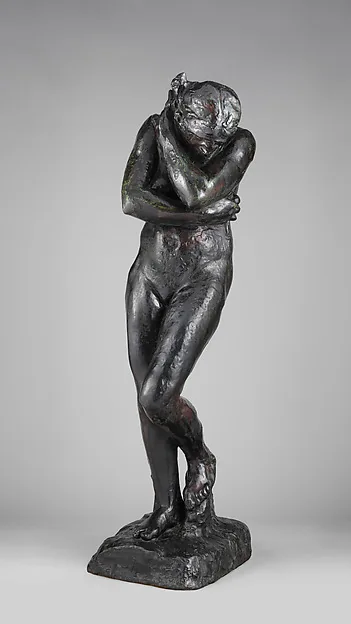
Auguste Rodin
The model dates to 1881, but this bronze was cast in 1910: the dates describe different stages. The Met commissioned the cast from a plaster model in Rodin’s studio. Observe the folded arms and twisting body; a frontal photograph does not reveal every relationship between the volumes.
Explore the museum — The Metropolitan Museum of Art →
Data consulted on .
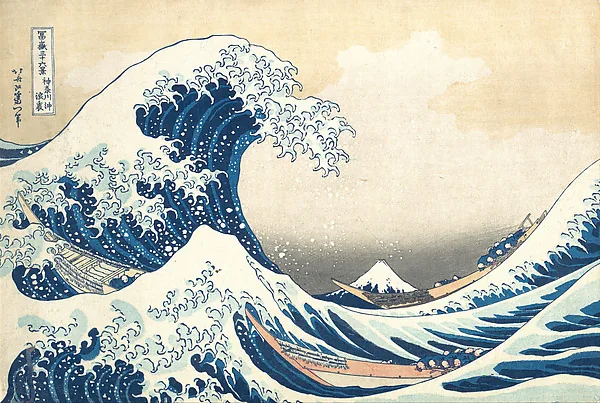
Katsushika Hokusai
This impression belongs to Thirty-six Views of Mount Fuji. JP1847 identifies the Met’s sheet, rather than every impression of the design. Compare the wave, the boats and the small triangle of Mount Fuji: their relative scales organise depth. The technique is woodblock printing, rather than painting.
Museum record ↗ — The Great Wave off Kanagawa
Explore the museum — The Metropolitan Museum of Art →
Data consulted on .
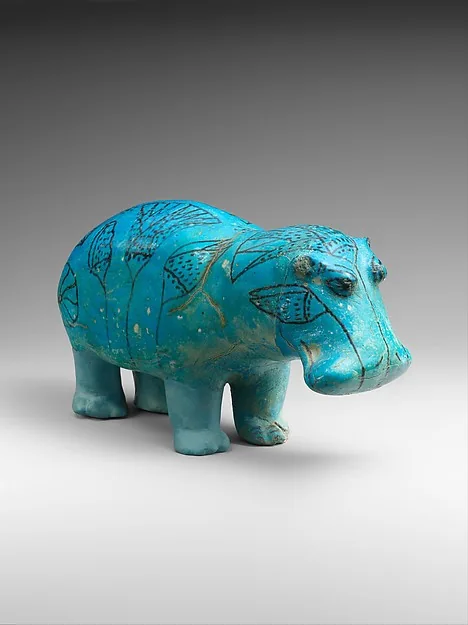
The figurine’s Egyptian faience is a ceramic material based on ground quartz, distinct from clay-based earthenware. Painted lotuses evoke the animal’s river habitat. The record connects the object to Senbi’s burial equipment at Meir and identifies three restored legs: material, find context and conservation history are separate questions.
Museum record ↗ — Hippopotamus, known as William
Explore the museum — The Metropolitan Museum of Art →
Data consulted on .
Anna Atkins
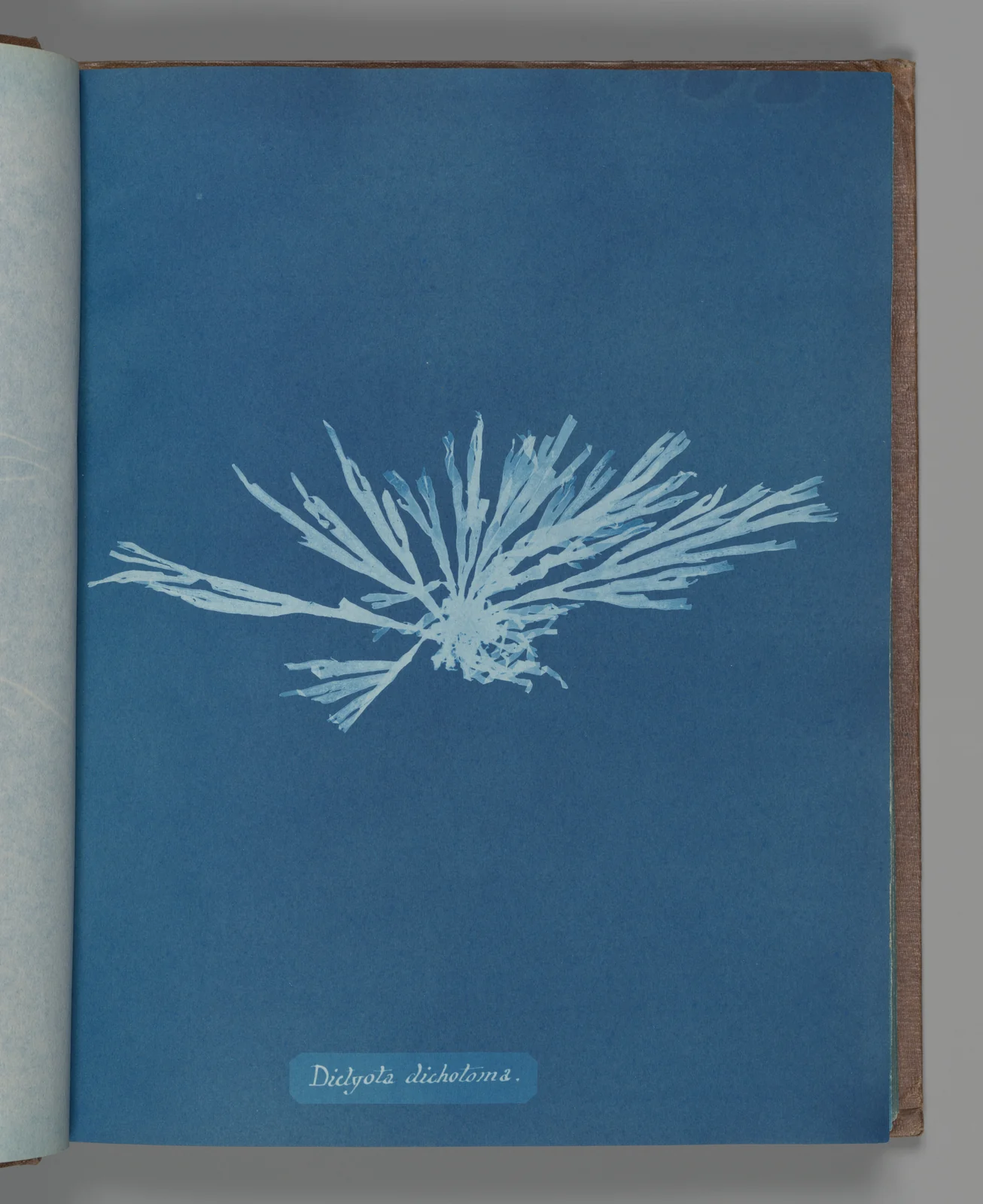
Anna Atkins renders branching seaweed as a light shape against blue. This cyanotype exemplifies contact photography: the silhouette depends on the specimen’s arrangement on sensitised paper. Compare sharp outlines with softer areas, distinguishing the plant, its image and the surviving sheet. The Met records the dimensions of the image.
Museum record ↗ — Dictyota dichotoma
Explore the museum — The Metropolitan Museum of Art →
Data consulted on .
Wari
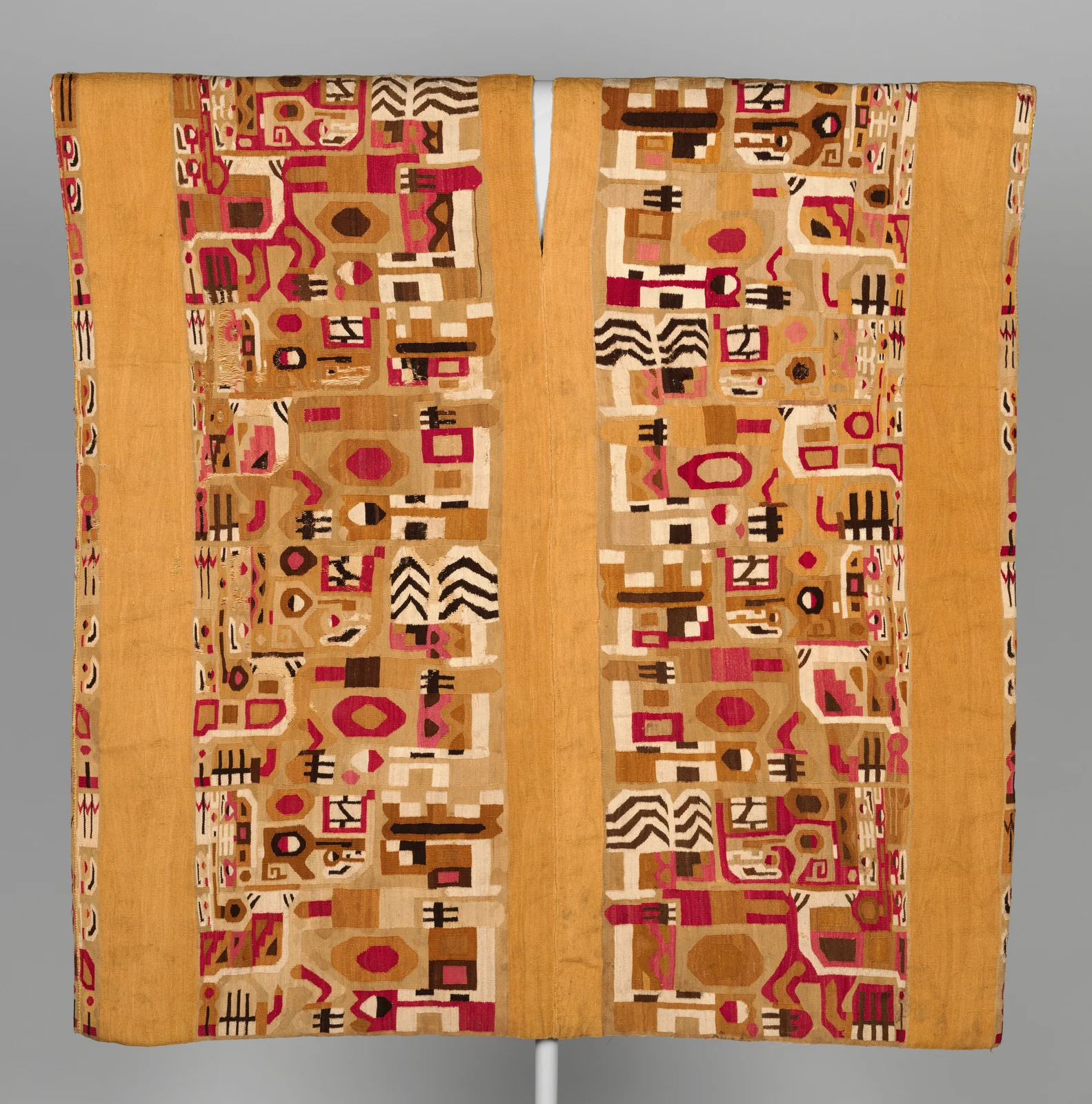
Two woven panels are sewn together, leaving a head opening. Motifs repeat, compress and stretch within vertical bands: track the same shape between two registers. Consider this Andean garment as a volume worn on a body as well as a flat surface. The catalogue dimensions are approximate.
Explore the museum — The Metropolitan Museum of Art →
Data consulted on .
Yombe-Kongo · nganga
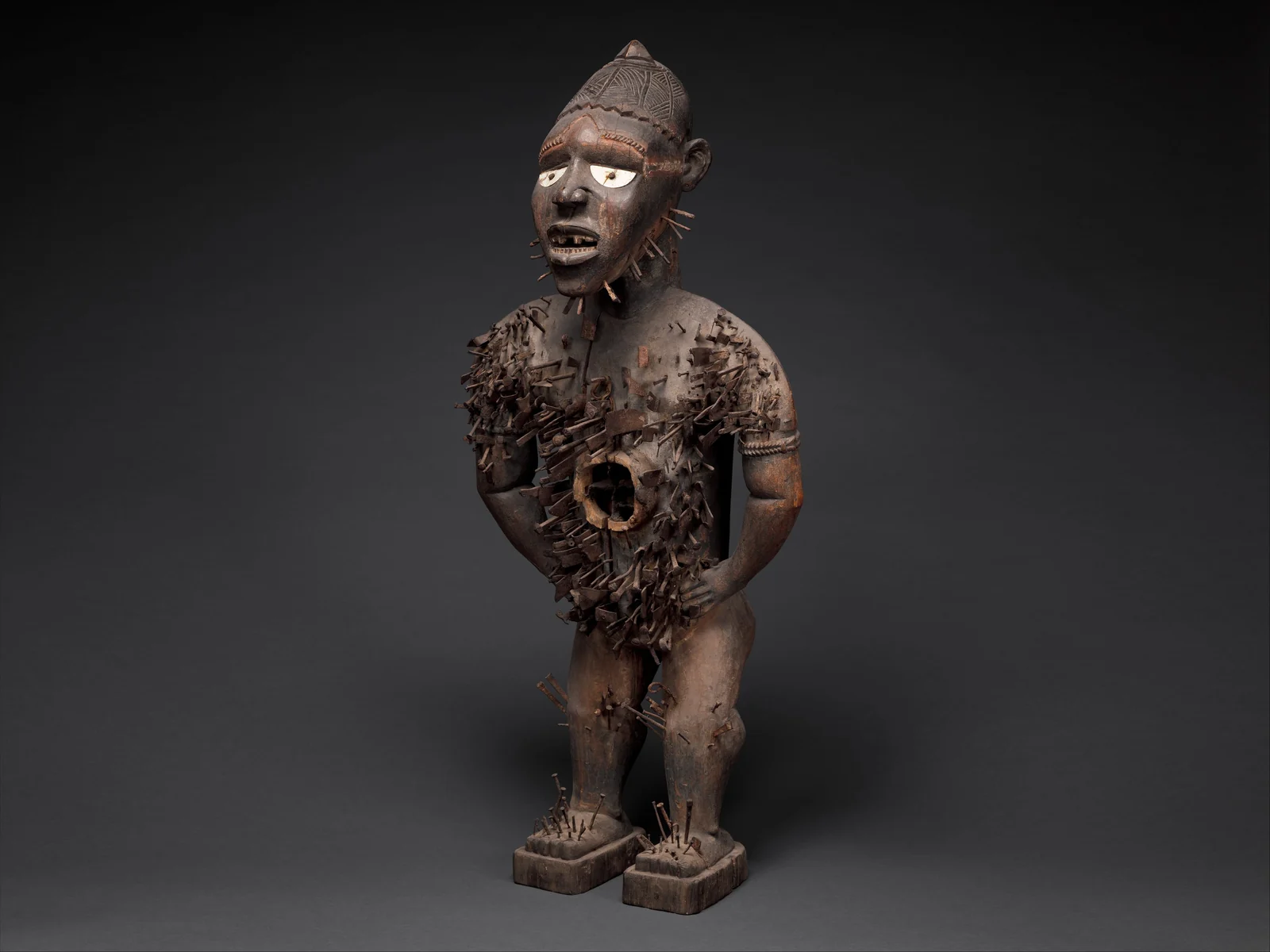
The Met attributes this work to collaboration between a Yombe-Kongo artist and a nganga, a ritual specialist. Metal elements relate to pledges and settling community disputes. Examine the posture and added materials without treating the figure as decoration alone. The record locates its origin in the Republic of the Congo or Cabinda, Angola.
Museum record ↗ — Mangaaka power figure (Nkisi N’Kondi)
Explore the museum — The Metropolitan Museum of Art →
Data consulted on .
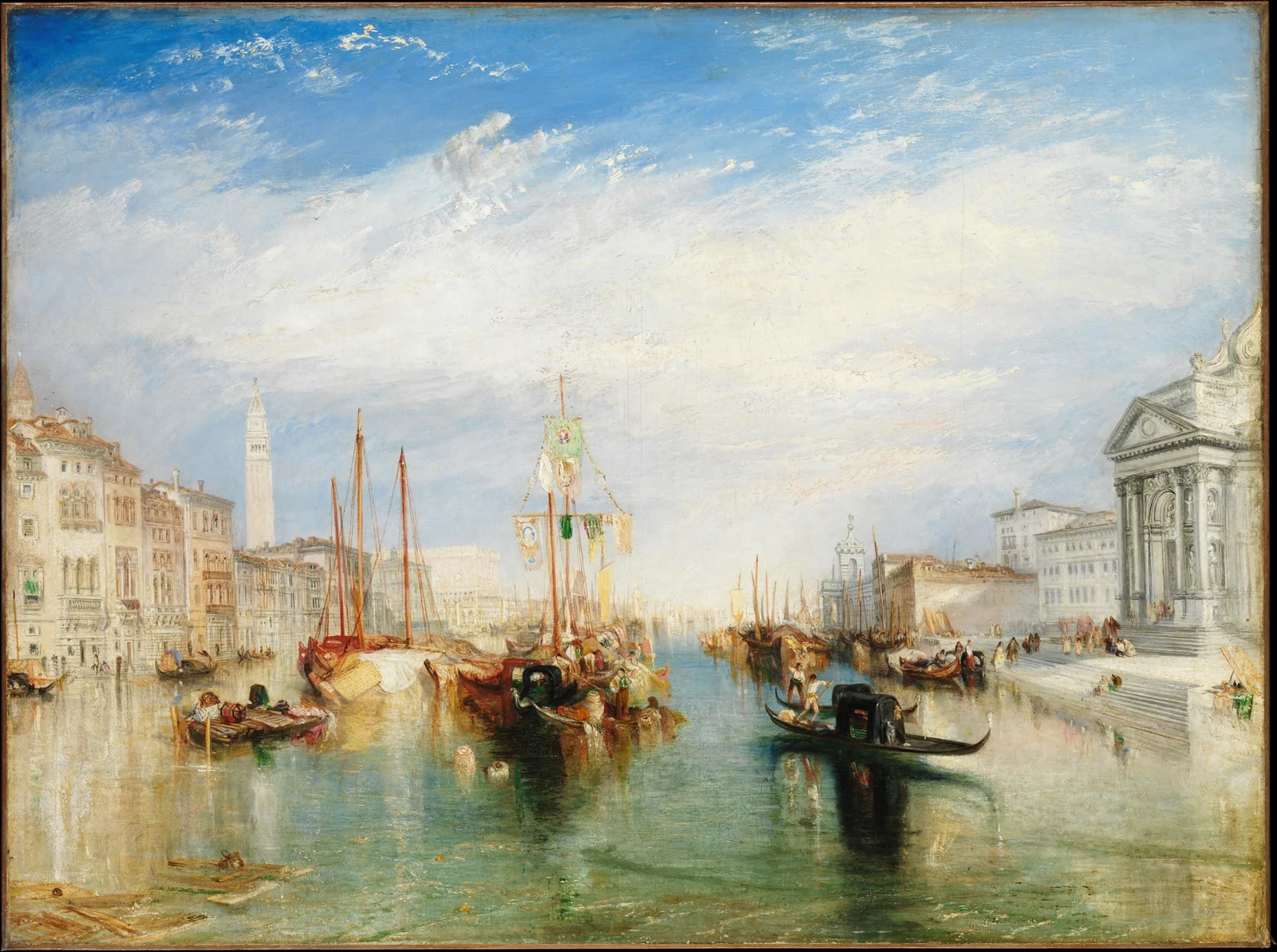
Joseph Mallord William Turner
Turner builds the view around luminous water, boats and architecture that grows lighter in the distance. Compare foreground details with the softer shapes beyond. Depth emerges through tonal values and reflections as well as perspective lines.
Museum record ↗ — Venice, from the Porch of Madonna della Salute
Explore the museum — The Metropolitan Museum of Art →
Data consulted on .
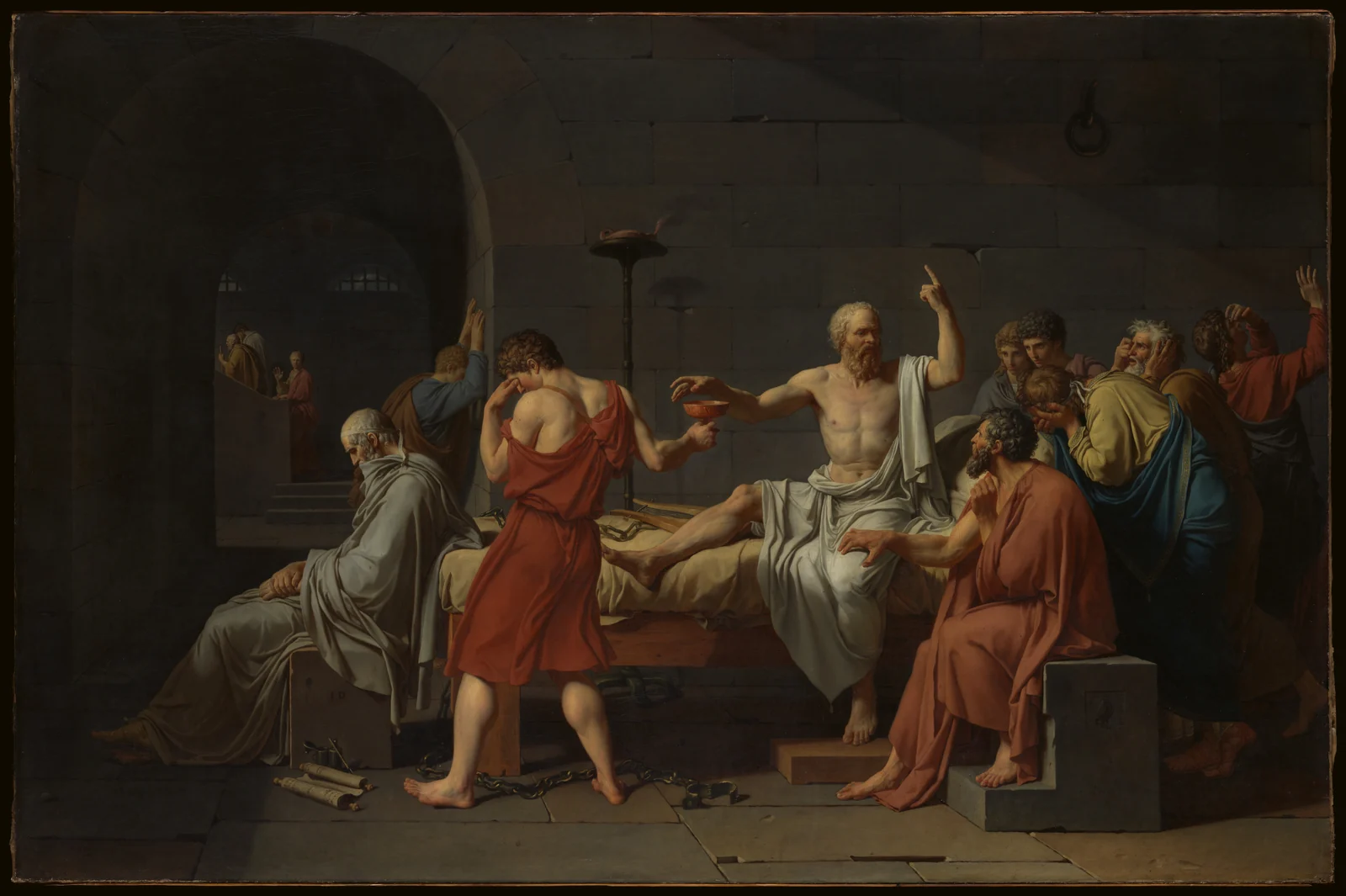
Jacques Louis David
The cup and raised hand organise a network of gestures around Socrates. Observe the figures’ reactions before interpreting the ancient story. The date 1787 refers to the making of the painting, not the depicted event: a label distinguishes subject from object.
Museum record ↗ — The Death of Socrates
Explore the museum — The Metropolitan Museum of Art →
Data consulted on .
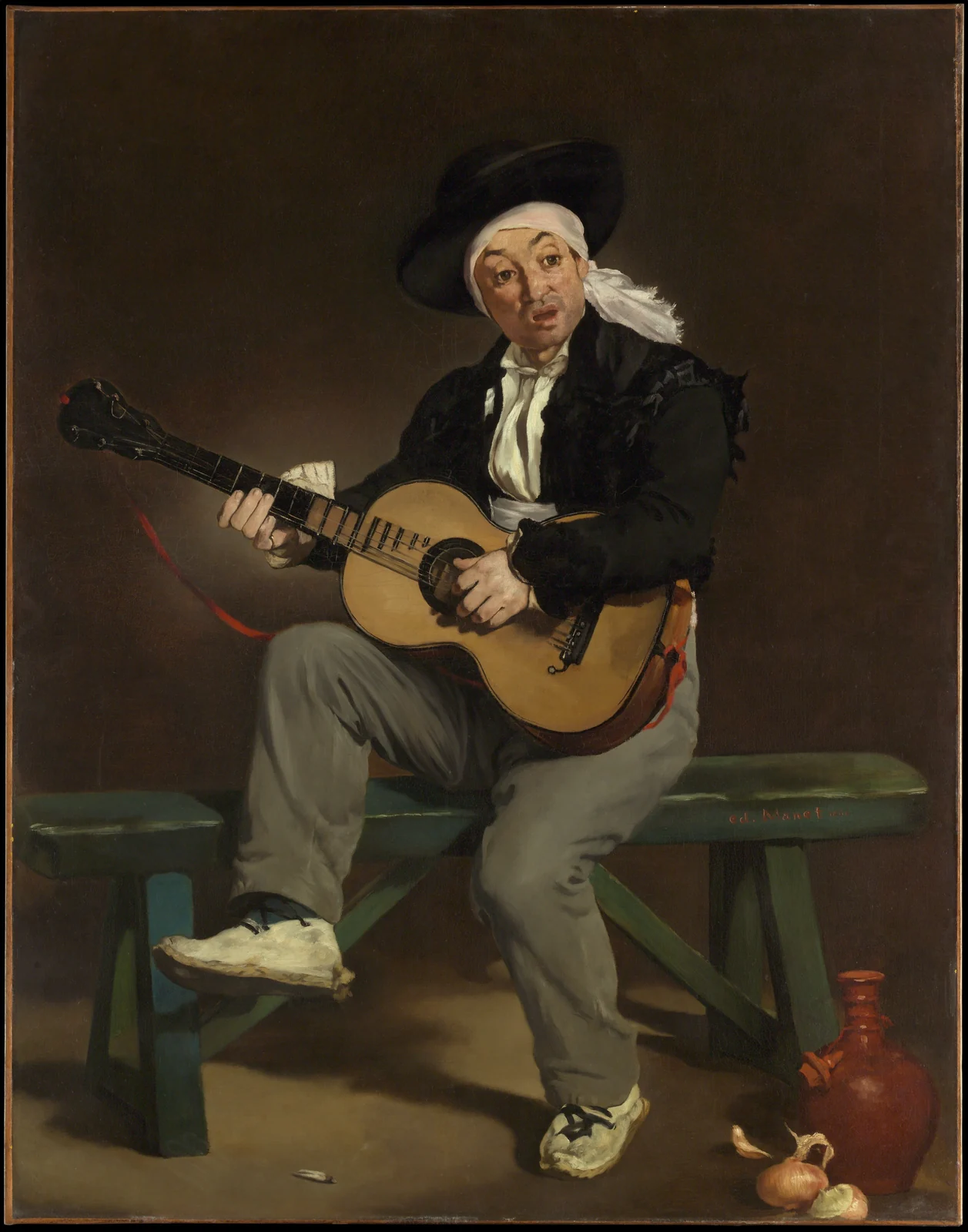
Édouard Manet
Against the dark background, the white shirt and grey trousers structure the musician’s figure. Compare the contours of the face, guitar and shoes: their definition varies. Also observe the space around the sitter and the objects on the floor.
Museum record ↗ — The Spanish Singer
Explore the museum — The Metropolitan Museum of Art →
Data consulted on .
No example matches this selection.
Open Access reproduction · CC0. Resized and converted to WebP, without cropping. Translated title; the museum record retains the reference title.
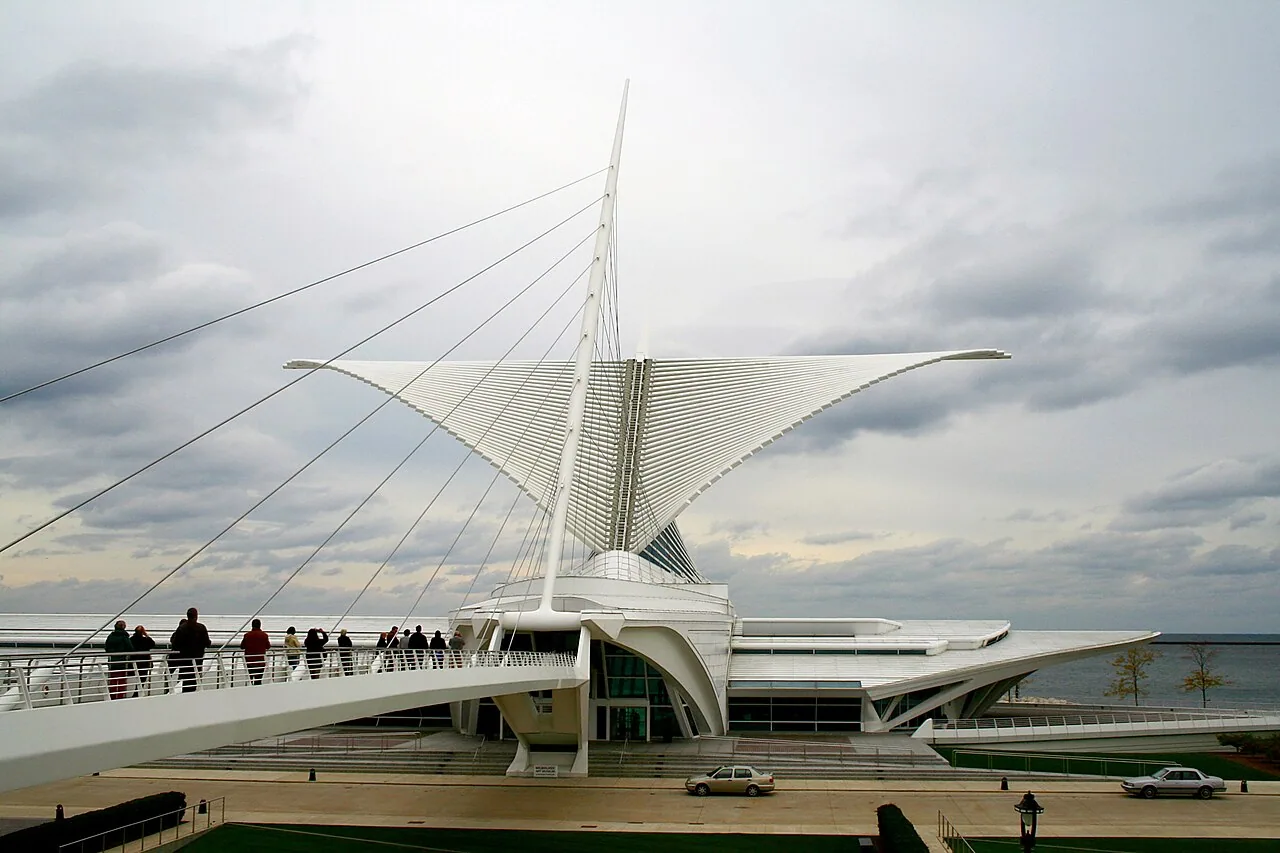
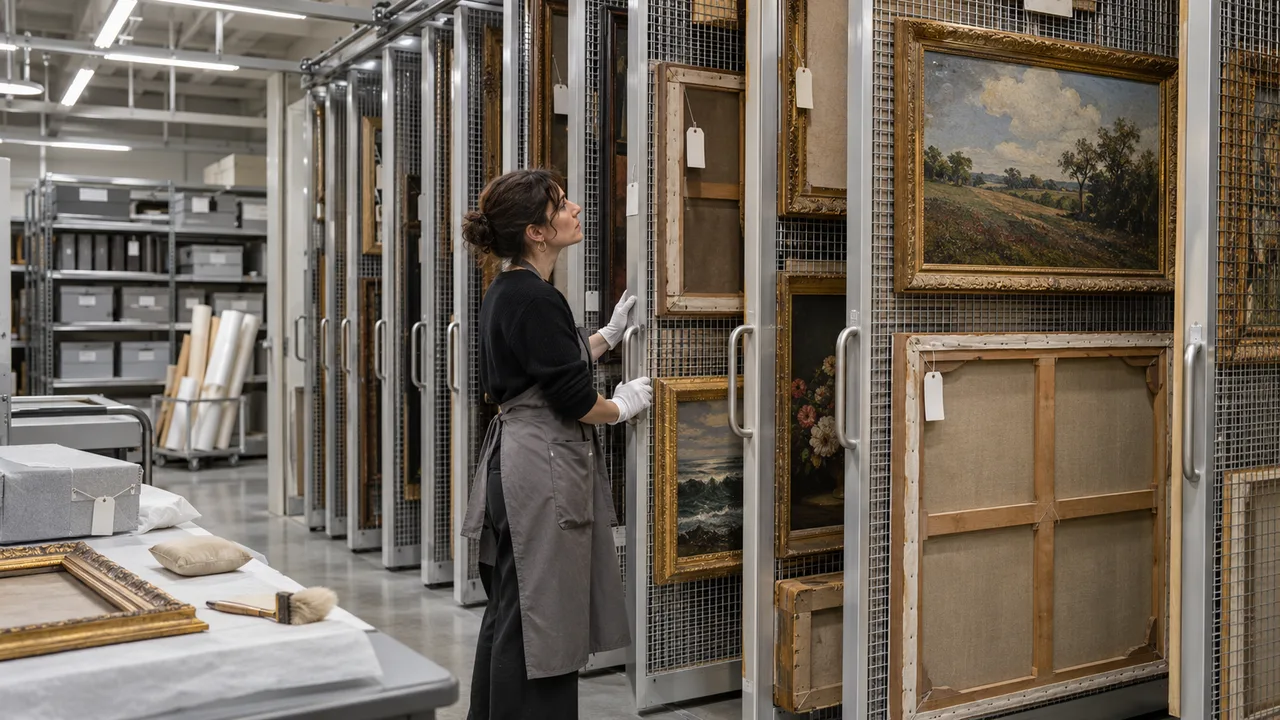
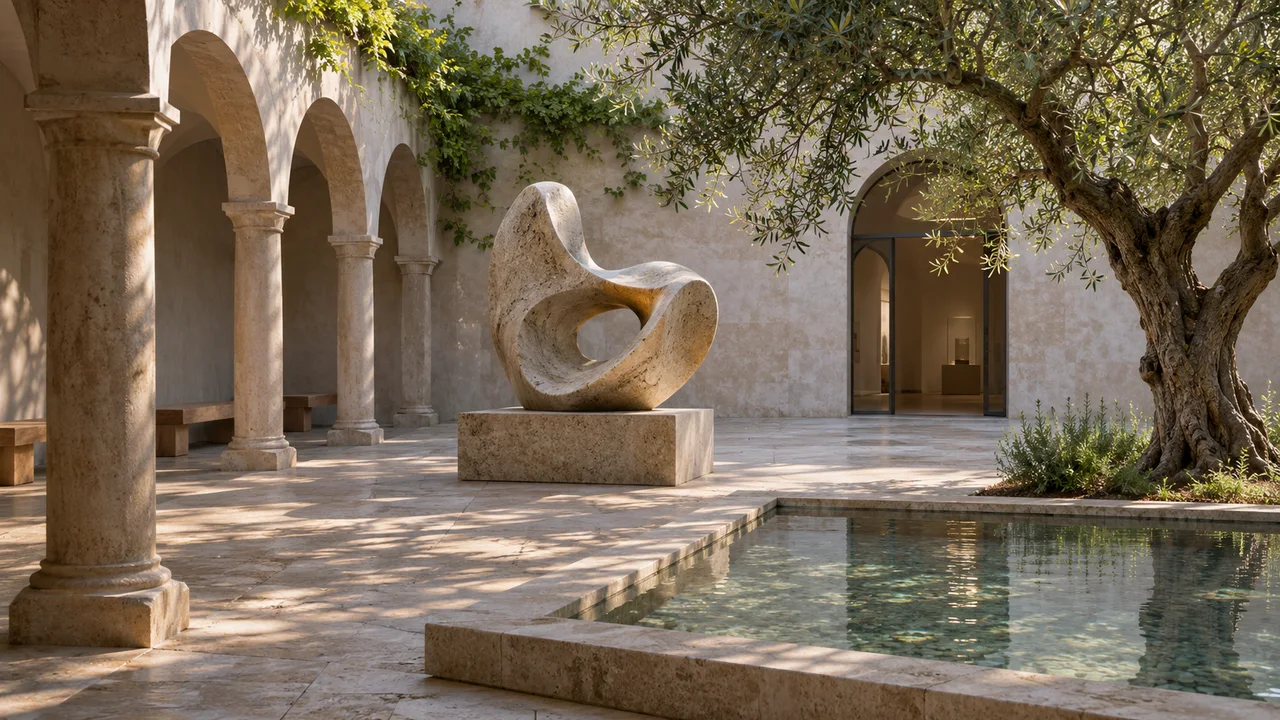
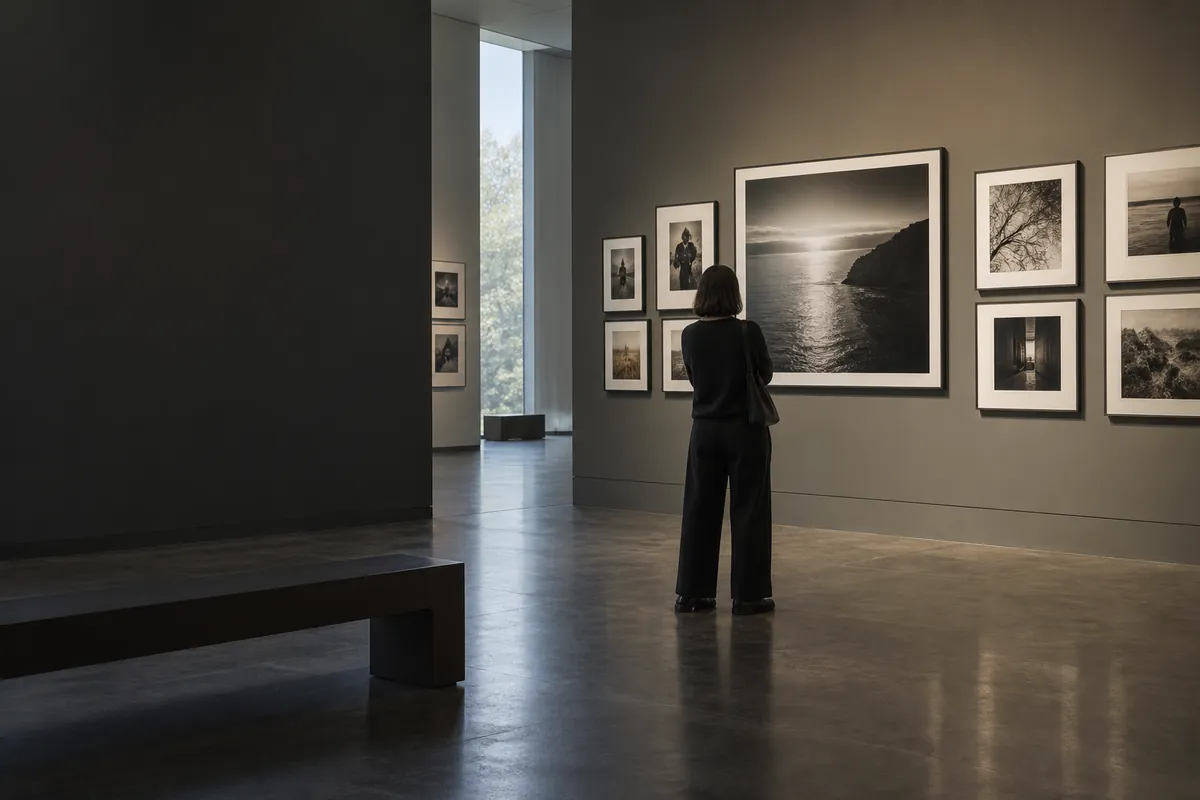
Archive photographs. WebP conversion and adapted cropping; social previews include the site logo. Images do not guarantee current conditions.