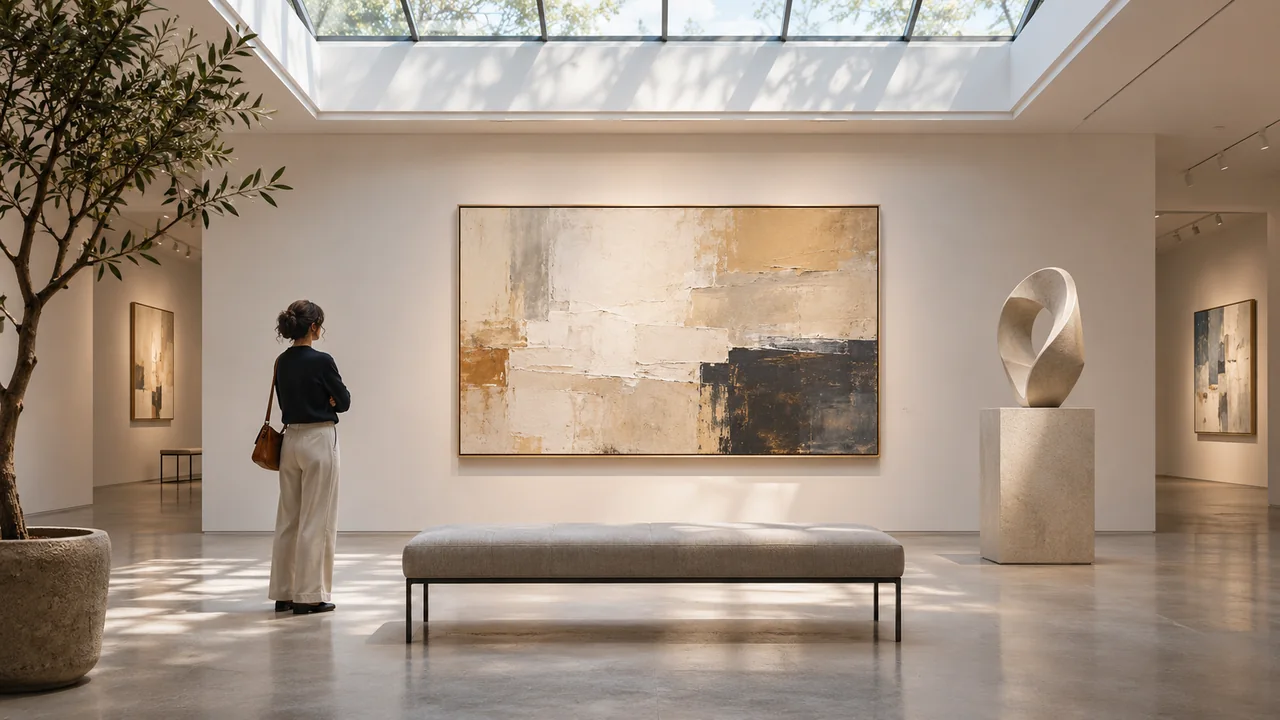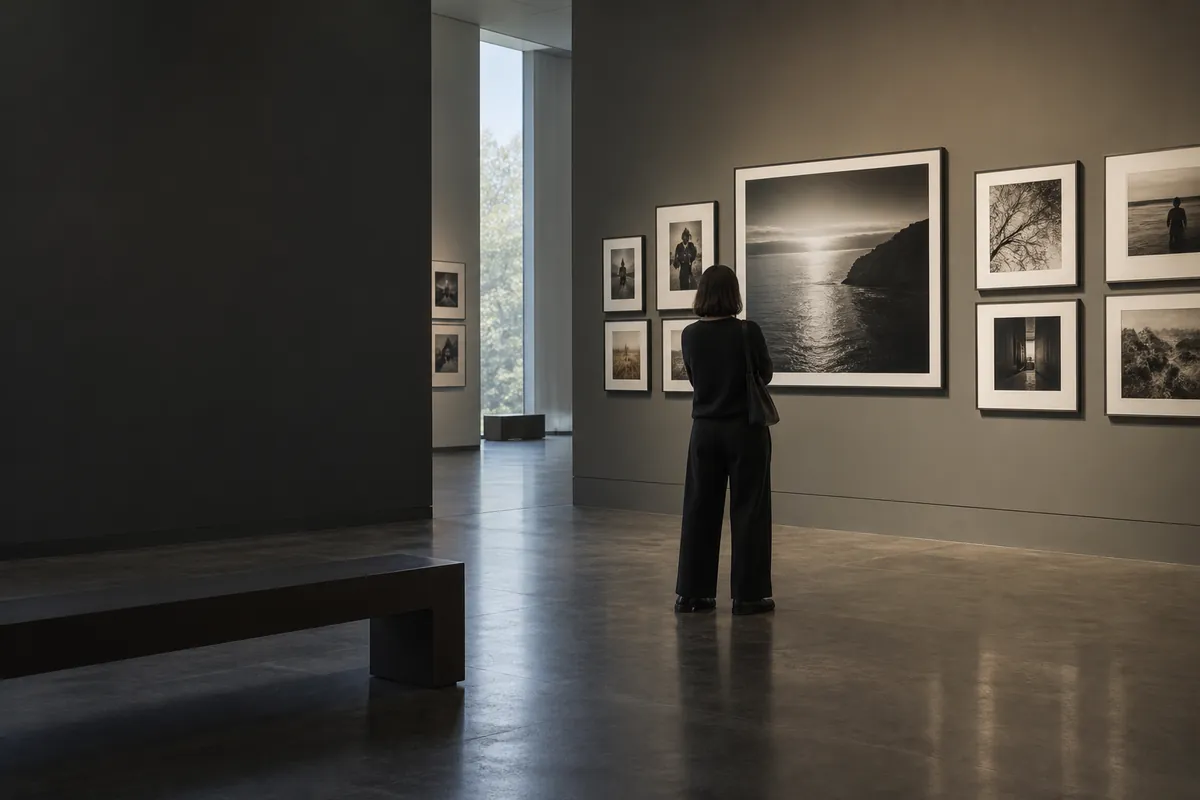
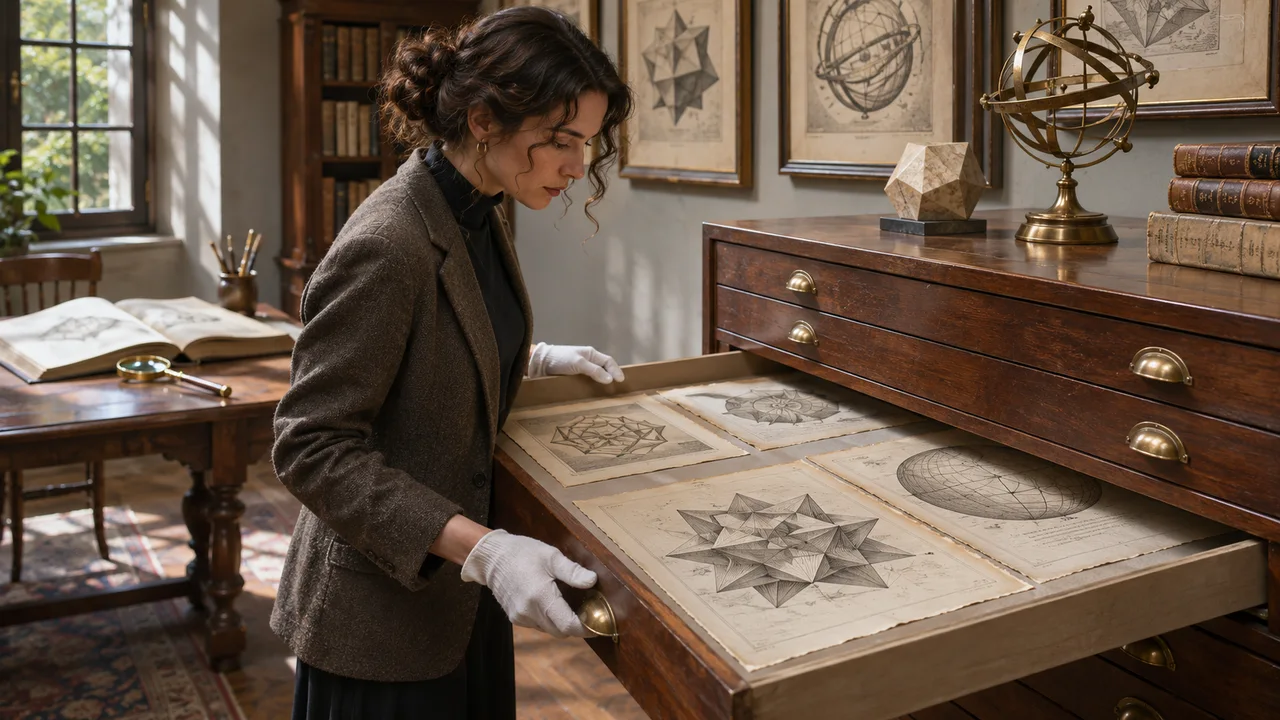
Visitor studying a series of photographic prints in a museum

Photography guide

Photography: reading an image, from negative to museum.

A practical guide to framing, light, time, printing and the decisions that turn an exposure into an artwork.
27 Directory17 countries

Photography guide

An image is also an object, a choice and a context

Photography records light, but never reproduces reality without decisions. Viewpoint, moment, lens, duration, editing and circulation all construct meaning.

In a museum, look at the support and display as carefully as the subject: a matte silver print, a monumental colour photograph and a documentary sequence create different experiences.

Art guide

Three ways to look

A practical guide to framing, light, time, printing and the decisions that turn an exposure into an artwork.

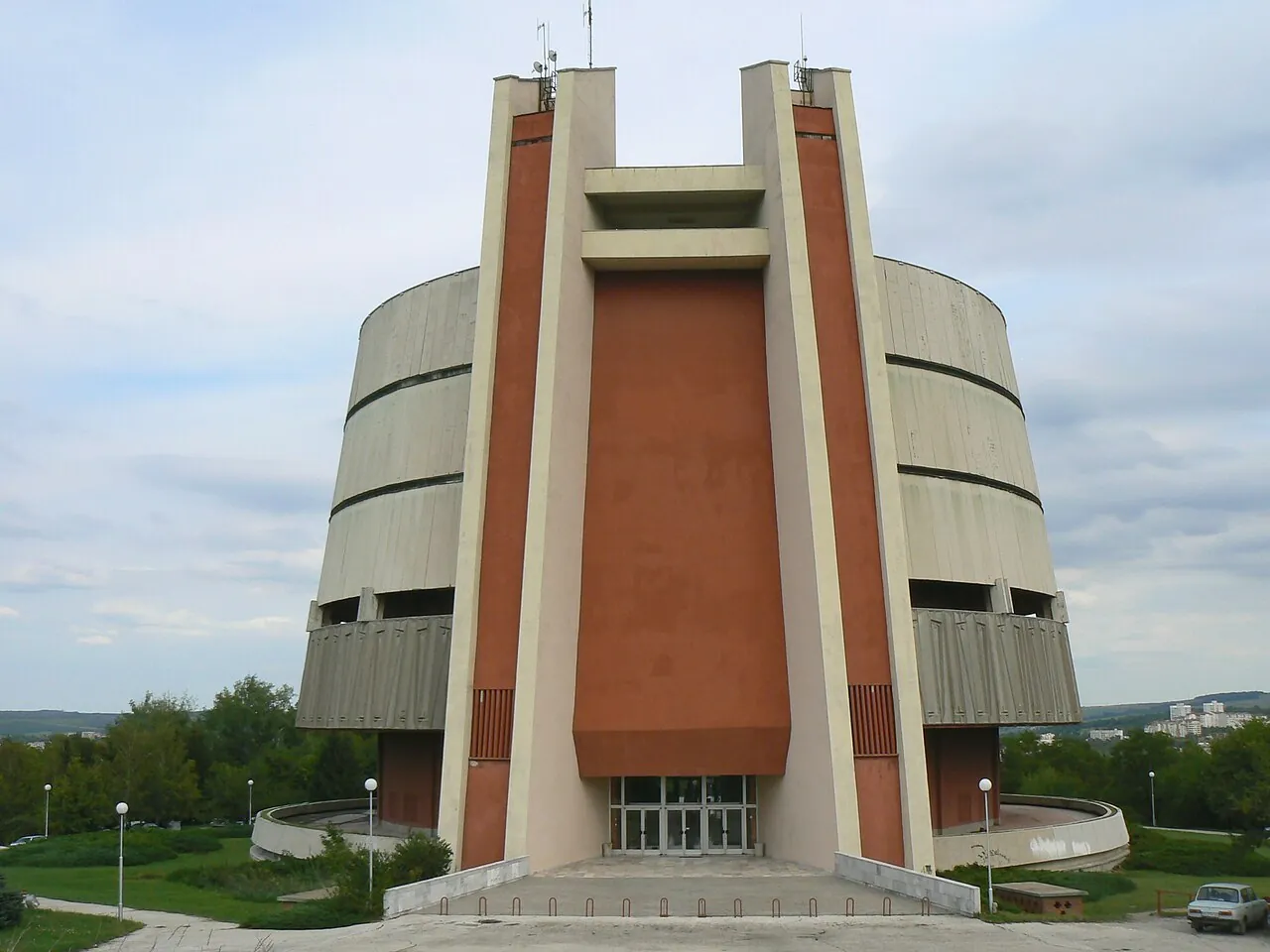
Photo from outside of the Panorama "Pleven epopee 1877", Pleven, Bulgaria
Vassia Atanassova - Spiritia
01

Frame and viewpoint

What lies outside the frame matters as much as what is shown. Height, distance and orientation locate the viewer.
02

Light and time

Shadow, blur, grain and sharpness reveal duration, technique and sometimes the conditions of the exposure.
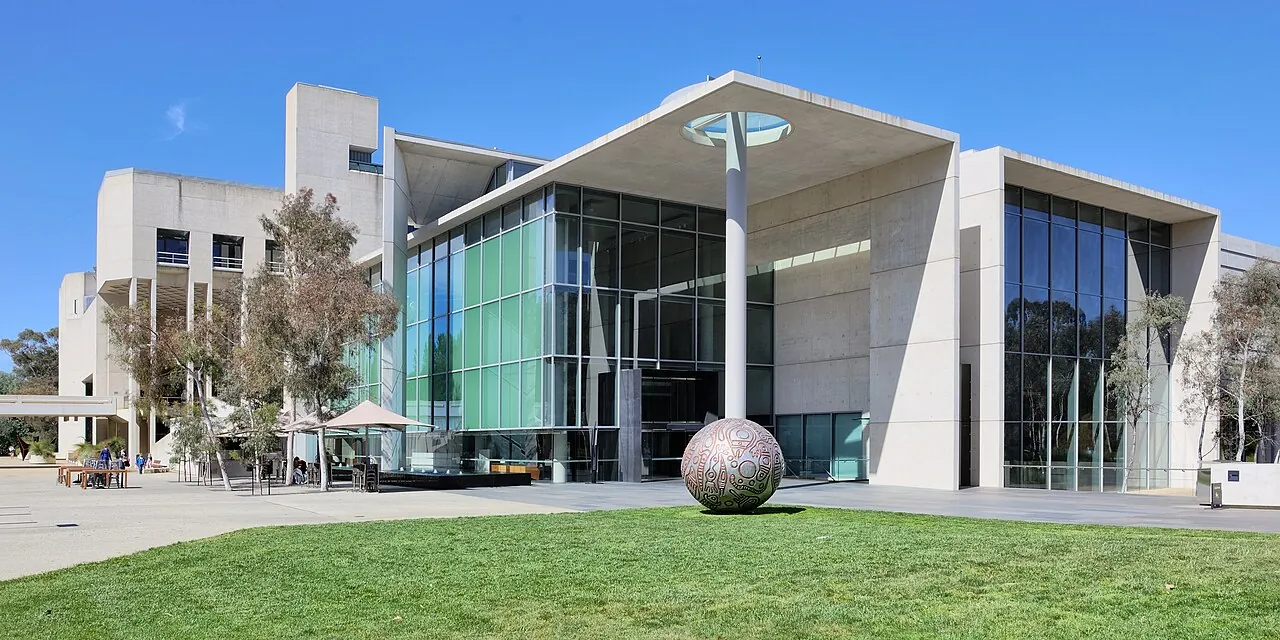
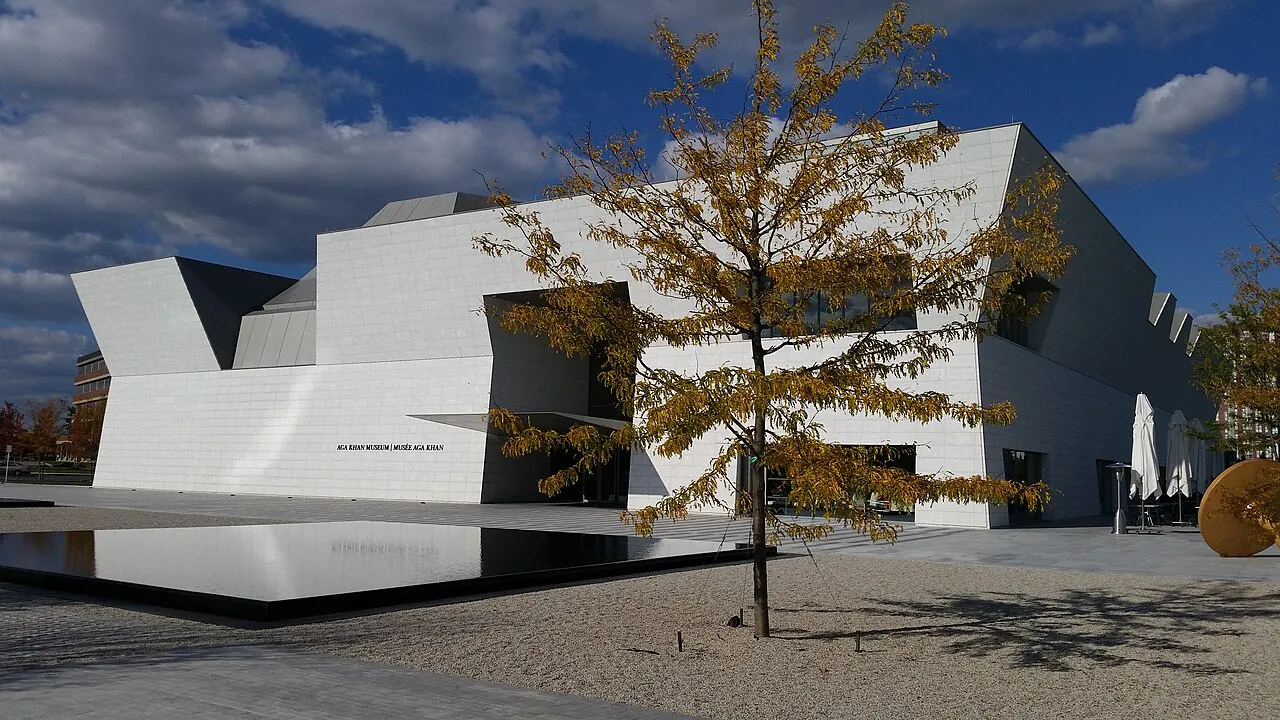
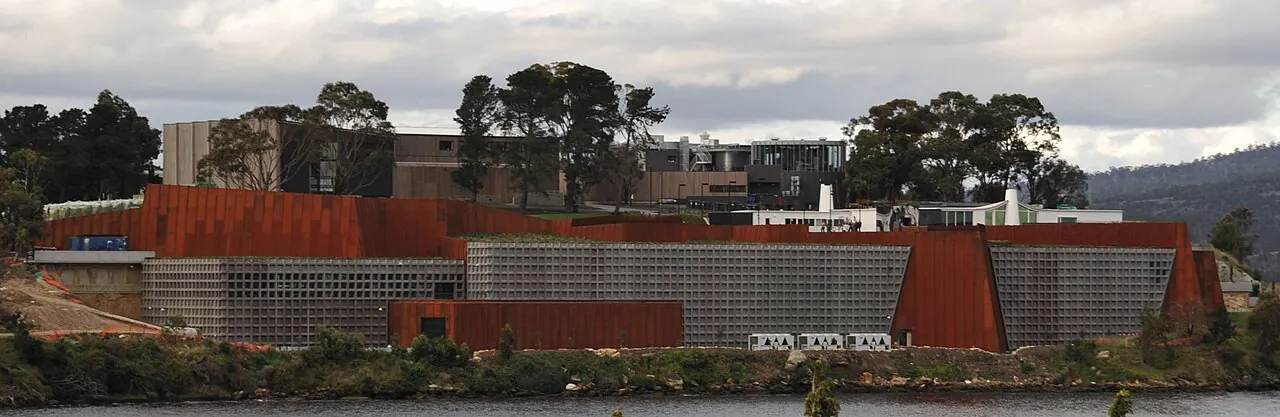
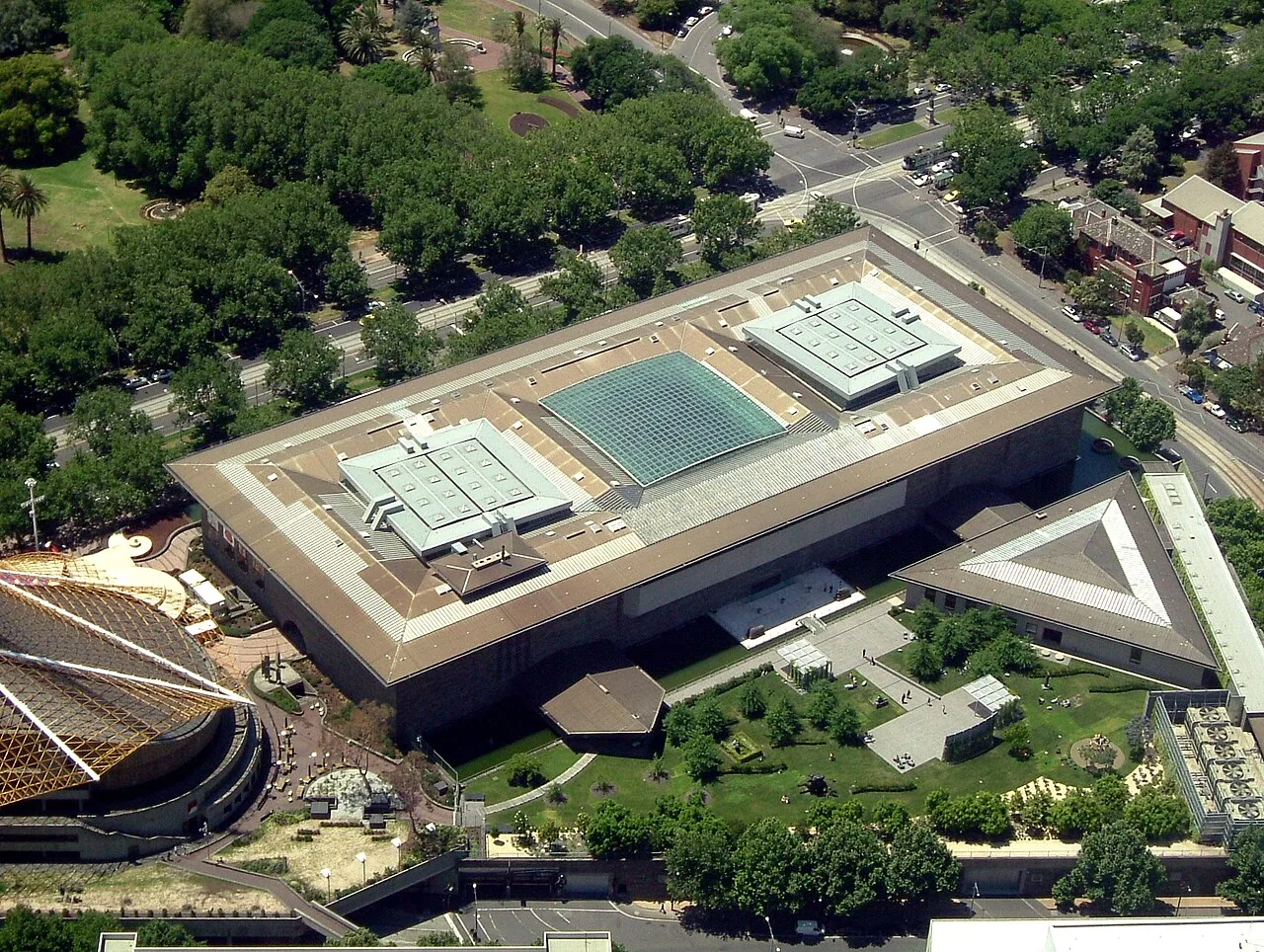
The National Gallery of Australia. Image taken from the south-west.https://searchthecollection.nga.gov.au/object/204779
Thennicke
03

Print and sequence

Scale, paper, colour, framing and image order turn a photograph into an exhibition object or narrative.

Photography guide

Look at a photograph in four stages

  1. 01

    Describe before interpreting

    Identify subject, space, light, lines and visible relationships before seeking a message.

  2. 02

    Find the decisions

    Ask where the camera stands, why this moment was selected and how the frame organizes what you see.

  3. 03

    Study the object

    Without crossing the safety distance, notice surface, black density, paper and dimensions.

  4. 04

    Reconnect the series

    A single photograph may change meaning beside a caption, date, commission or neighbouring images.

Glossary

Essential photography vocabulary

Six terms for reading labels and comparing works.

AI-generated illustration
Gelatin silver print
A print made on light-sensitive paper using silver salts.
AI-generated illustration
Negative
A source image whose tonal or colour values are reversed before printing.
AI-generated illustration
Depth of field
The zone rendered acceptably sharp before and beyond the focus point.
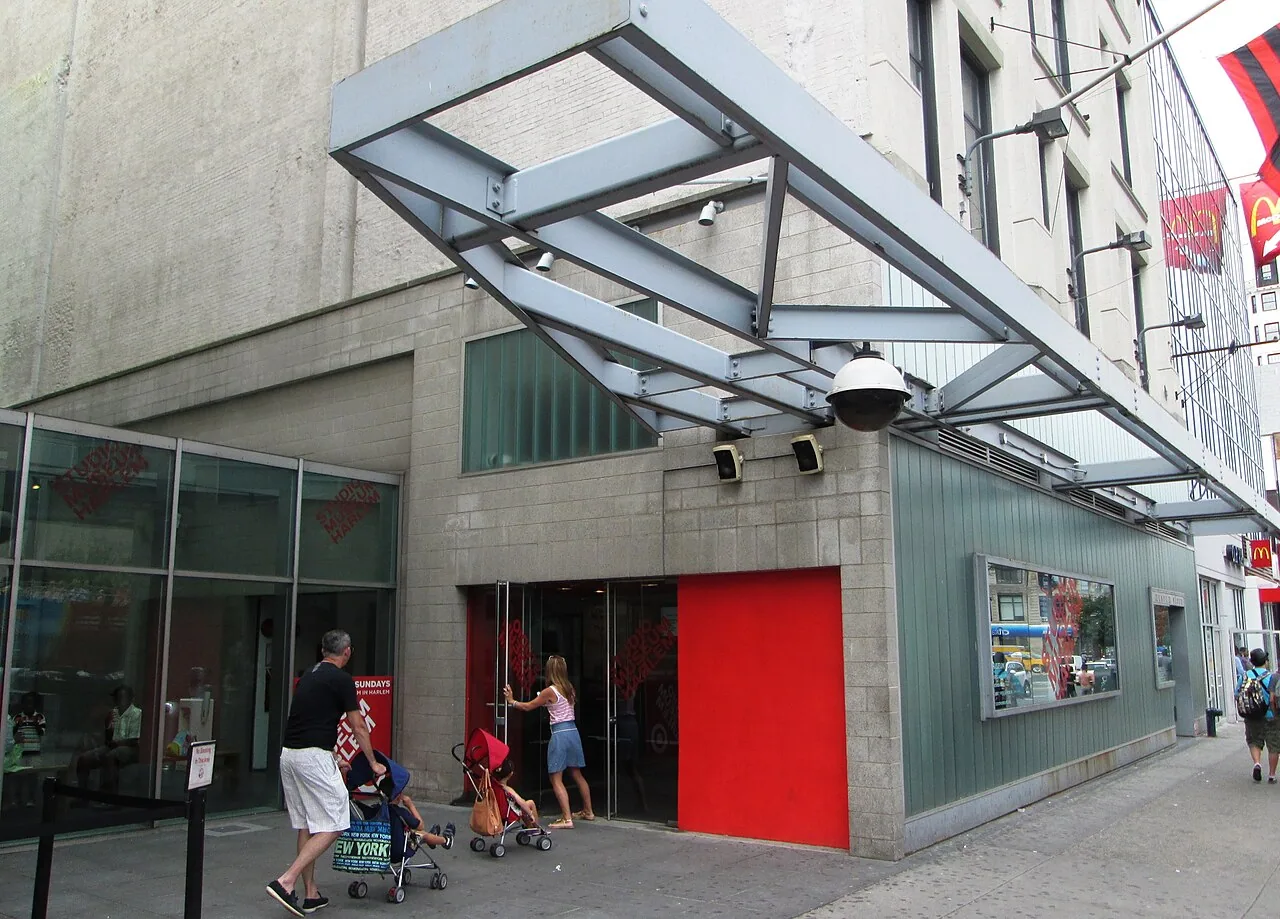
Lobby area with information desk.
DavidXiaoDaShan
Contact sheet
A sheet gathering frames from a roll of film for review and selection.
Photogram
An image made without a camera by exposing objects directly on light-sensitive material.
AI-generated illustration
Series
A group of images designed to work through comparison, difference and repetition.
Photography guide

Frequently asked questions about art photography

Understand art photography through framing, light, printing, documentary practice, staging and photography collections around the world.

01How do documentary and art photography differ?

Documentary practice begins with a relationship to reality and information; art describes an intention and context. The categories often overlap.

02Is an old print always an original?

A negative may produce several prints. Date, process, edition, signature and material history determine each print’s status.

03Why are photographs shown in series?

Sequence can build an inquiry, rhythm or narrative that a single image cannot carry.

04What should I check before visiting a photography collection?

Use the official website: works on paper are light-sensitive and may not remain on permanent display.
Destinations

Explore the directory by country

Countries and matching places in this directory selection.

Looking workshop

A photograph is also an object

A photographic image has a frame, while its print also has size, surface and history. Distinguish the exposure, the preserved print and the digital file you consult.

From exposure to presentation
Reference pointWhat it changesWhat to observe
FramingThe edge of an image selects and excludes. What lies outside can raise a question without answering it.What does the frame cut off?
PrintProcess contributes to texture and tone. A photograph is more than its depicted subject.Does the record identify this print’s process?
ScalePrint dimensions affect its presence. Frame measurements are different from image measurements.Which dimensions belong to the photographic object?
SeriesOrder and differences can connect several images. An isolated reproduction hides those relationships.Are you seeing one image or a group?

A question to start with

Does the date below a photograph necessarily date the print you see?

Explore a way of reading

Not always. Check whether the record specifies both an exposure date and a print date. One negative can produce prints at different times. Where the record does not decide, keep the distinction as an open question.

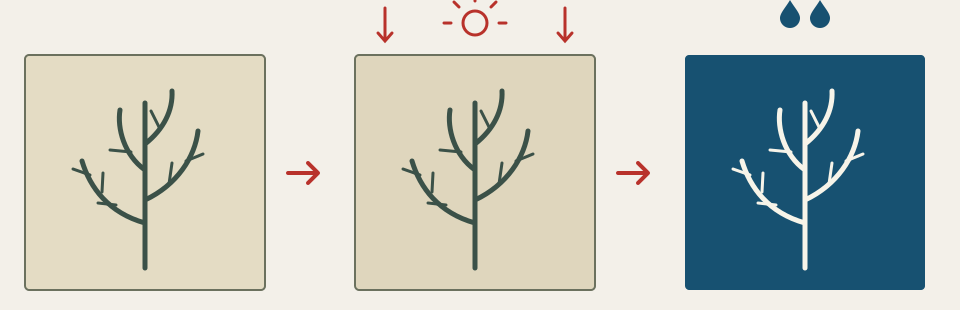
Understand the contact cyanotype

An image without a camera: the specimen blocks light on paper sensitised with iron salts. Washing reveals a light impression against blue.

Specimen on sensitised paper → Exposure to light → Impression after washing
Schematic diagram; the shapes represent a fictional specimen.
  1. Specimen on sensitised paper
  2. Exposure to light
  3. Impression after washing

The process explained by the V&A ↗

Collection

Look at a documented artwork

Specific objects connect techniques, history and collections. These records do not guarantee that works are currently on display.

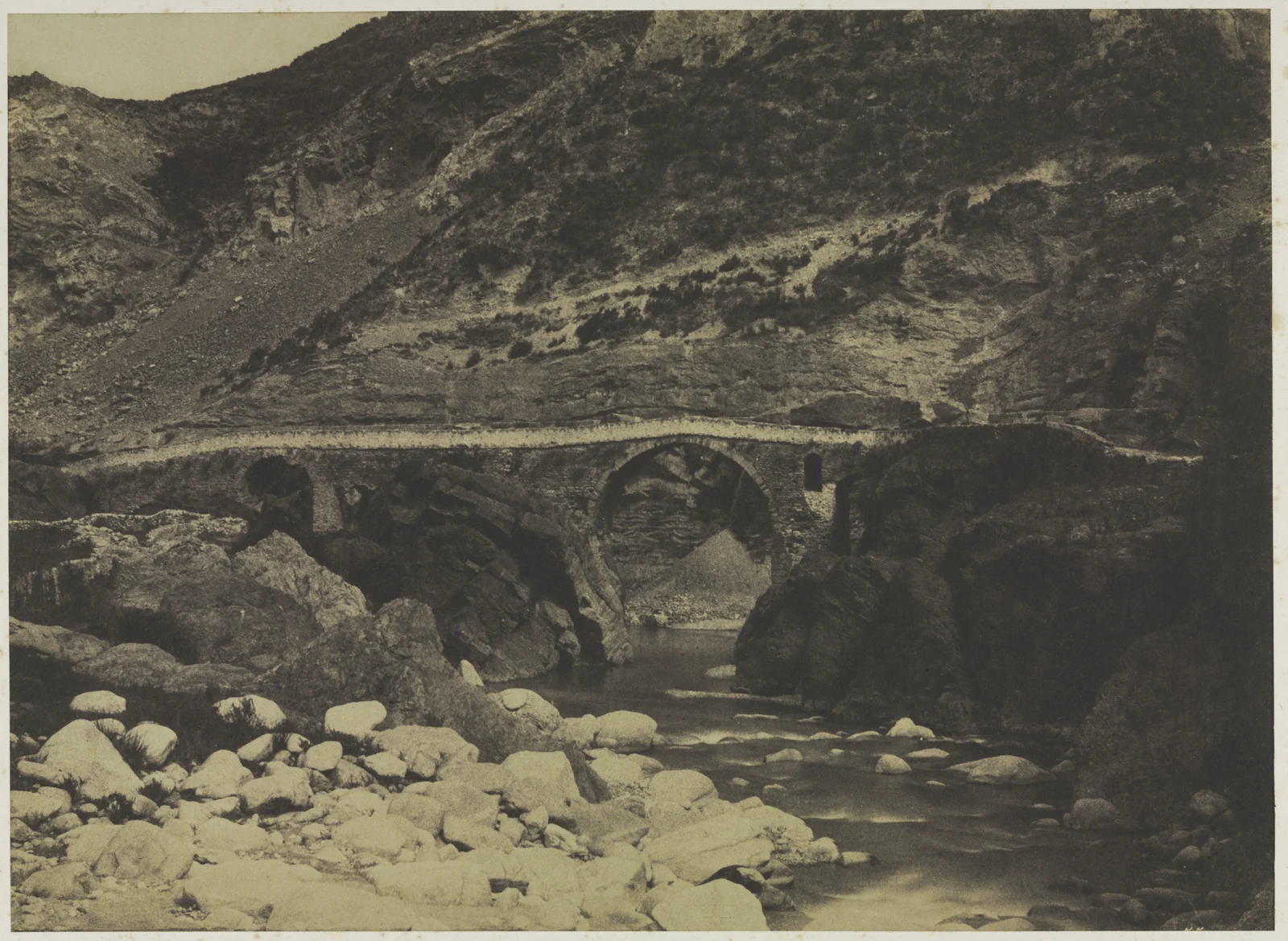
Arched stone bridge in a rocky landscape, photographed in brown tones.
The Cleveland Museum of Art · CC0

Gustave Le Gray

The Bridge of Palalda

Date
1851–1852
Medium and origin
Salted-paper print from a waxed-paper negative
Dimensions
23.8 × 32.7 cm
Inventory number
1987.130

The bridge remains a small line within rocks, water and slopes. Compare this arrangement with an architectural record centred on the structure. The process combines a waxed-paper negative and a salted-paper print; the stated dimensions refer to the image.

Museum record ↗ — The Bridge of Palalda

Explore the museum — Cleveland Museum of Art →

Data consulted on .

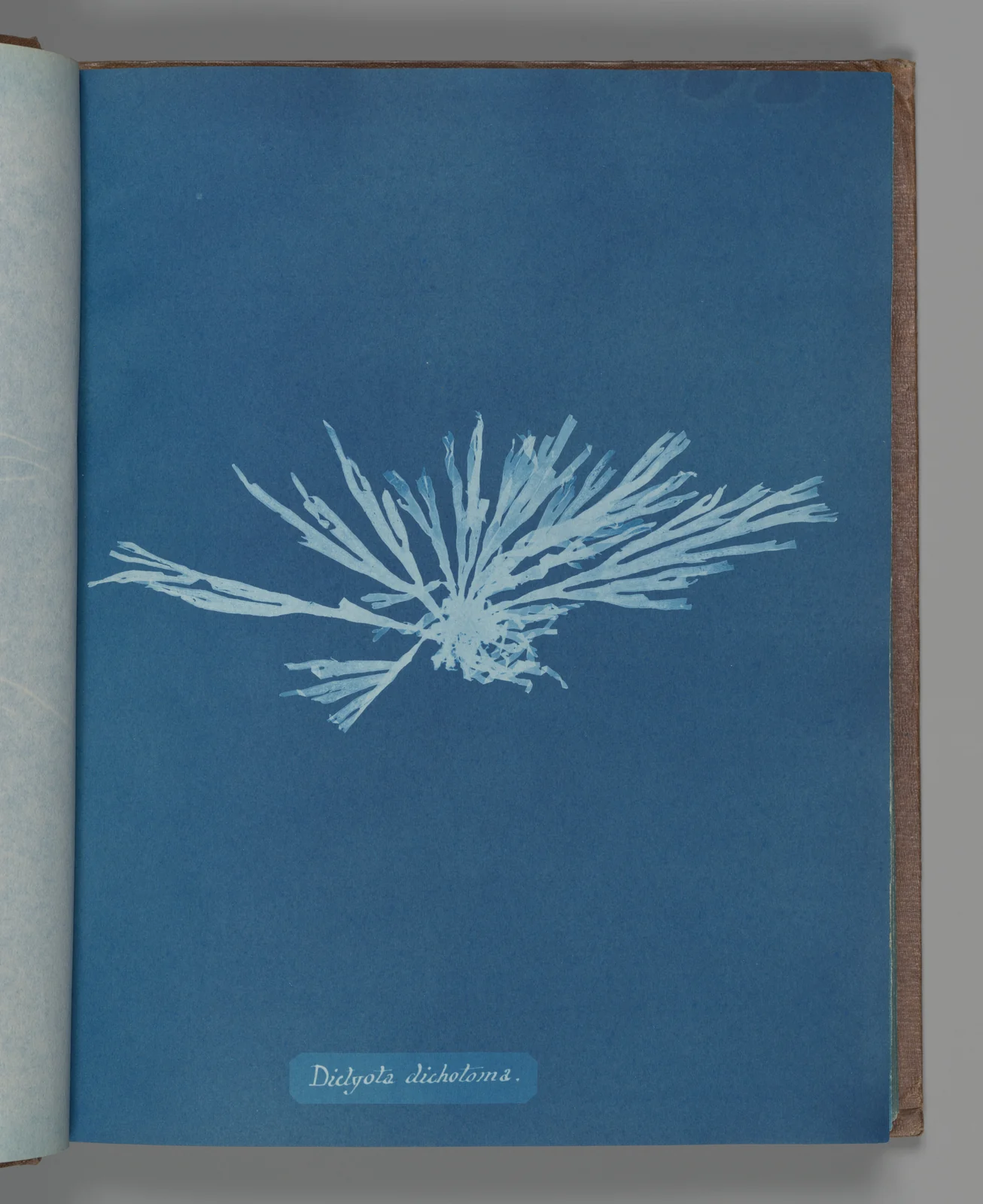
Light branches of seaweed against the blue background of Anna Atkins’s cyanotype.
The Metropolitan Museum of Art · CC0

Anna Atkins

Dictyota dichotoma

Date
About 1853
Medium and origin
Cyanotype
Dimensions
25.3 × 20 cm
Inventory number
2005.100.557 (18)

Anna Atkins renders branching seaweed as a light shape against blue. This cyanotype exemplifies contact photography: the silhouette depends on the specimen’s arrangement on sensitised paper. Compare sharp outlines with softer areas, distinguishing the plant, its image and the surviving sheet. The Met records the dimensions of the image.

Museum record ↗ — Dictyota dichotoma

Explore the museum — The Metropolitan Museum of Art →

Data consulted on .

Open Access reproduction · CC0. Resized and converted to WebP, without cropping. Translated title; the museum record retains the reference title.

Compare artworks: what changes your reading

Practical distinctions to check in collection records and observe during your visit.

Comparison for looking at art
DistinctionReading pointQuestions to ask
Exposure and printThe image date and print date may differ. Support and dimensions identify the preserved object beyond its subject.Are you studying the image or this particular print? Is a later printing or edition identified?
Single image and seriesSequence, neighbouring images and captions affect interpretation. An exhibition selection need not represent the whole project.Who determined the sequence? Which repetitions and variations structure it?
Screen and objectDigital viewing reveals details but changes size and brightness. Paper, mounting and viewing distance matter in a gallery.What actual dimensions are recorded? What is lost in reproduction?
Crop and complete imageCompare a detail with the full print. Describe what cropping removes before inferring the artist’s intention.Does the caption say ‘detail’? Is your observation about the work or its reproduction?
Print and digital reproductionCompare the object record with the displayed file’s crop, contrast and viewing size. A file cannot establish the presence and scale of an exhibited print.Is this the whole image or a detail? Does the record describe this print or another version?
Photographs: sources and licences

Archive photographs. WebP conversion and adapted cropping; social previews include the site logo. Images do not guarantee current conditions.