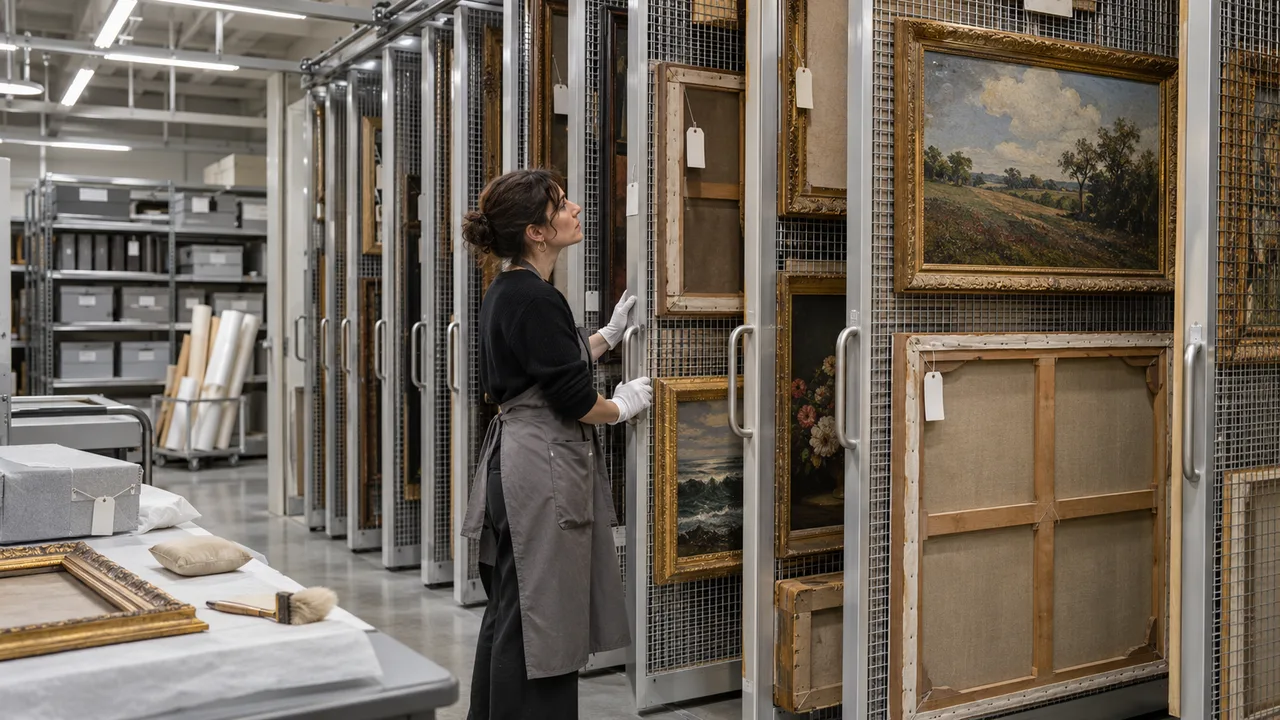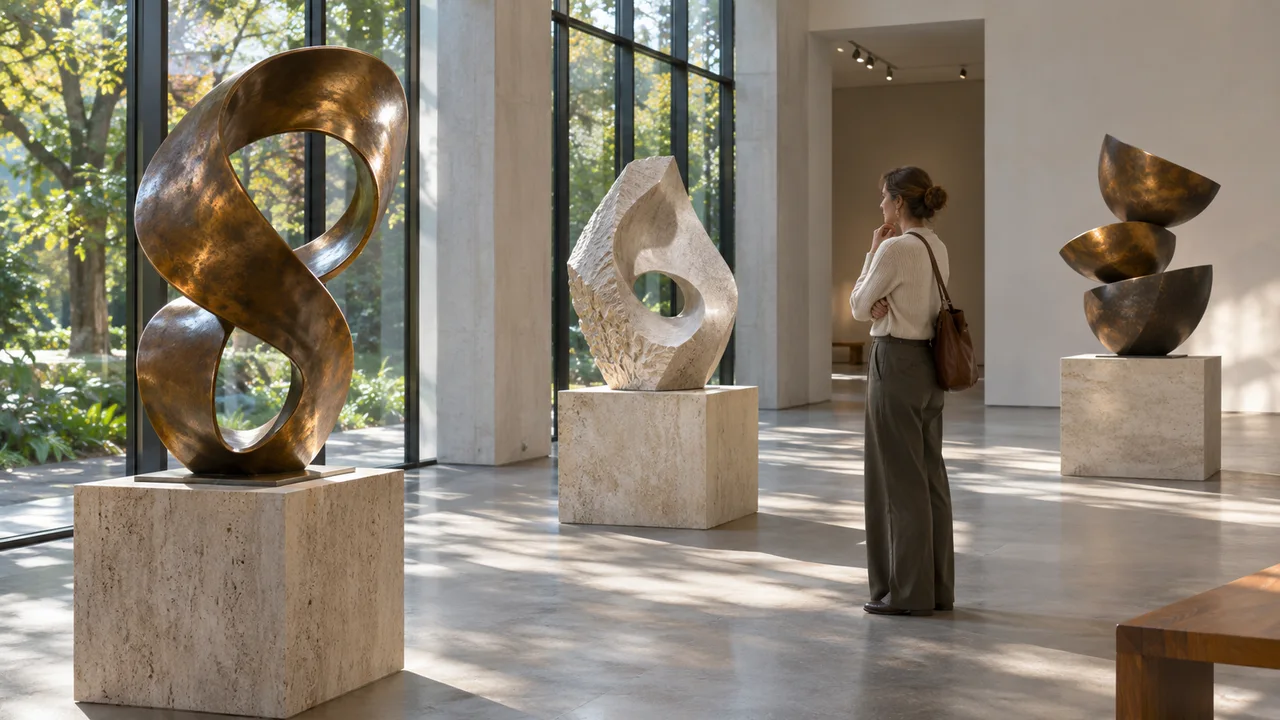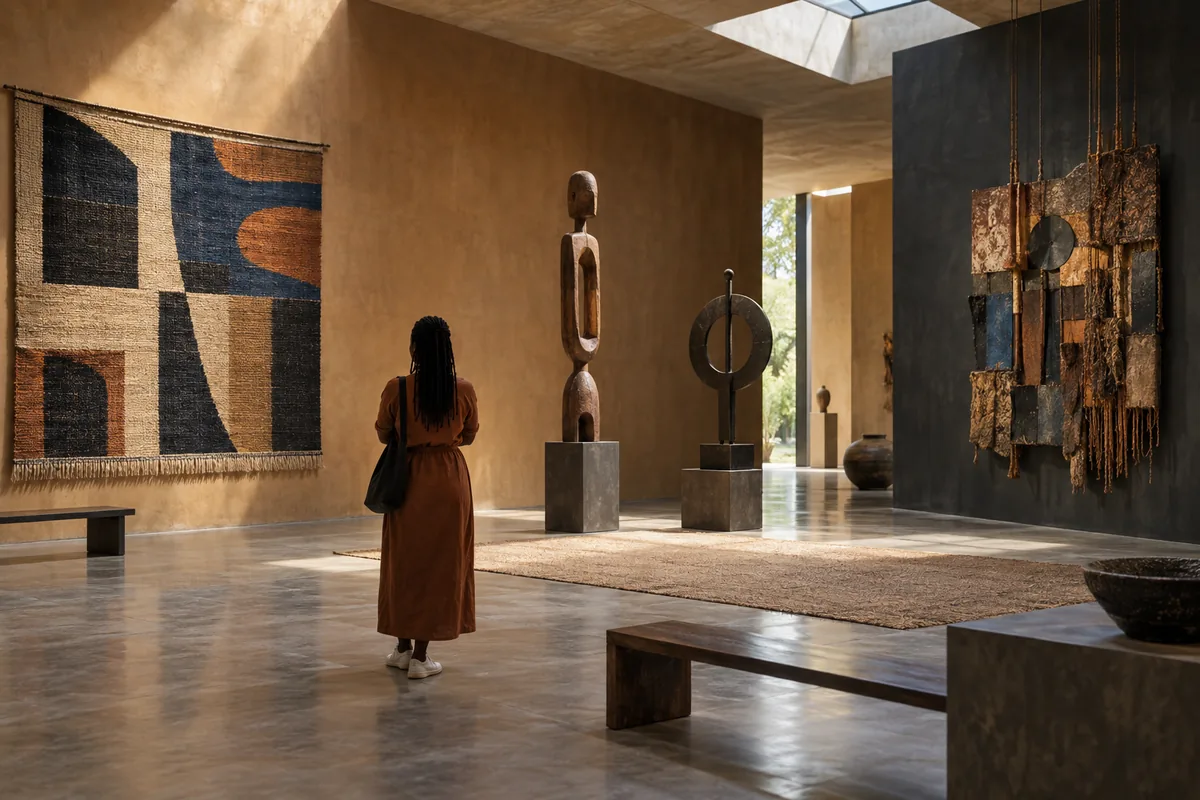
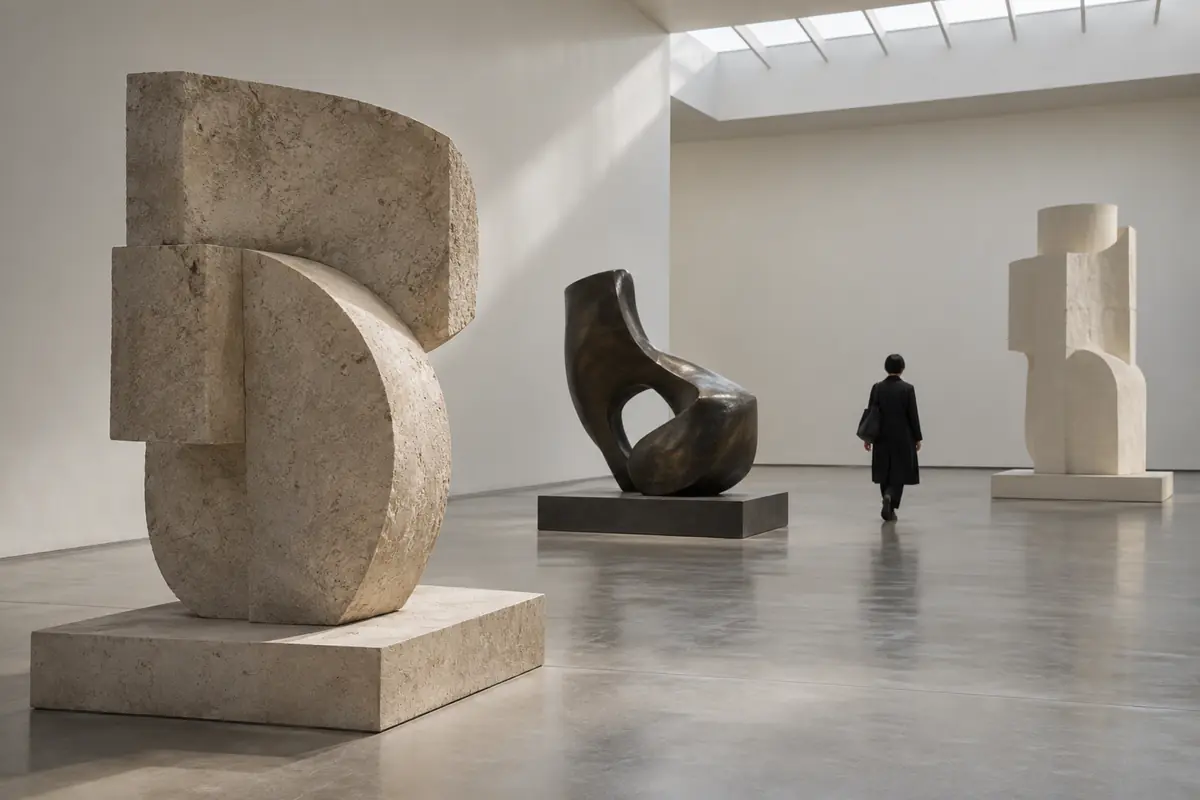
Visitor viewing textiles, sculptures and a contemporary installation in an African arts gallery

African arts guide

African arts: looking at histories, materials and circulation.

A guide for moving beyond broad categories, connecting each work to a place, period and use, and understanding its route into a museum.
38 Directory20 countries

African arts guide

One continent, many art histories

African arts encompass distinct regions, languages, periods and functions. Court sculpture, woven cloth, studio photography and contemporary installation do not share one context or mode of viewing.

Labels, provenance and acquisition history connect visible form to the people who made, used, collected, moved or reinterpreted a work.

Art guide

Three ways to look

A guide for moving beyond broad categories, connecting each work to a place, period and use, and understanding its route into a museum.

01

Material and skill

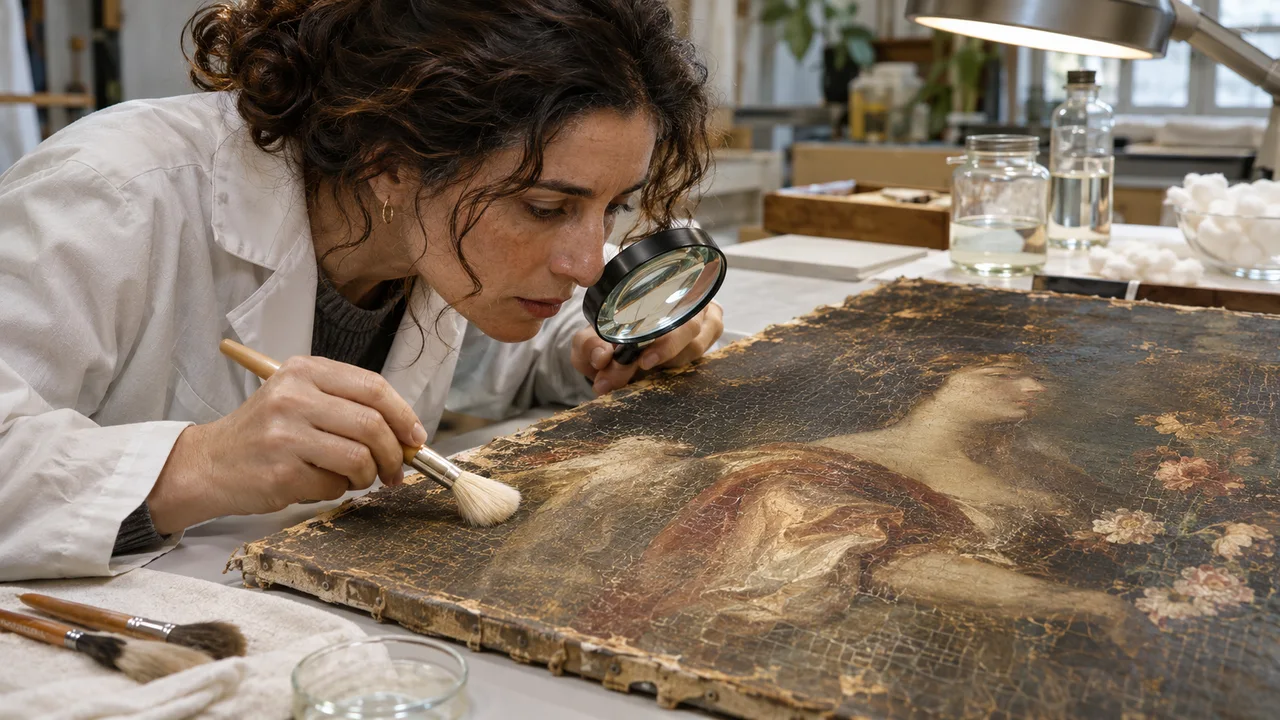
Study fibre, wood, metal, clay, pigment or beads, together with joins, repairs and techniques.
AI-generated illustration
02

Use and presence

Ask whether a work was worn, activated, stored, exchanged, displayed or made for the art market.
03

Circulation and provenance

Trace movement, changing attributions and evidence about acquisition, restitution or provenance research.

African arts guide

Read a work in four stages

  1. 01

    Locate precisely

    Identify region, community, language, period and political context rather than stopping at “Africa”.

  2. 02

    Describe first

    Note material, scale, surface, use marks and display before assigning meaning.

  3. 03

    Follow the route

    Compare creation date, collection date, successive owners and museum accession.

  4. 04

    Connect past and present

    See how contemporary artists and curators reuse, challenge or shift inherited narratives.

Glossary

Essential vocabulary

Six terms for reading collections carefully.

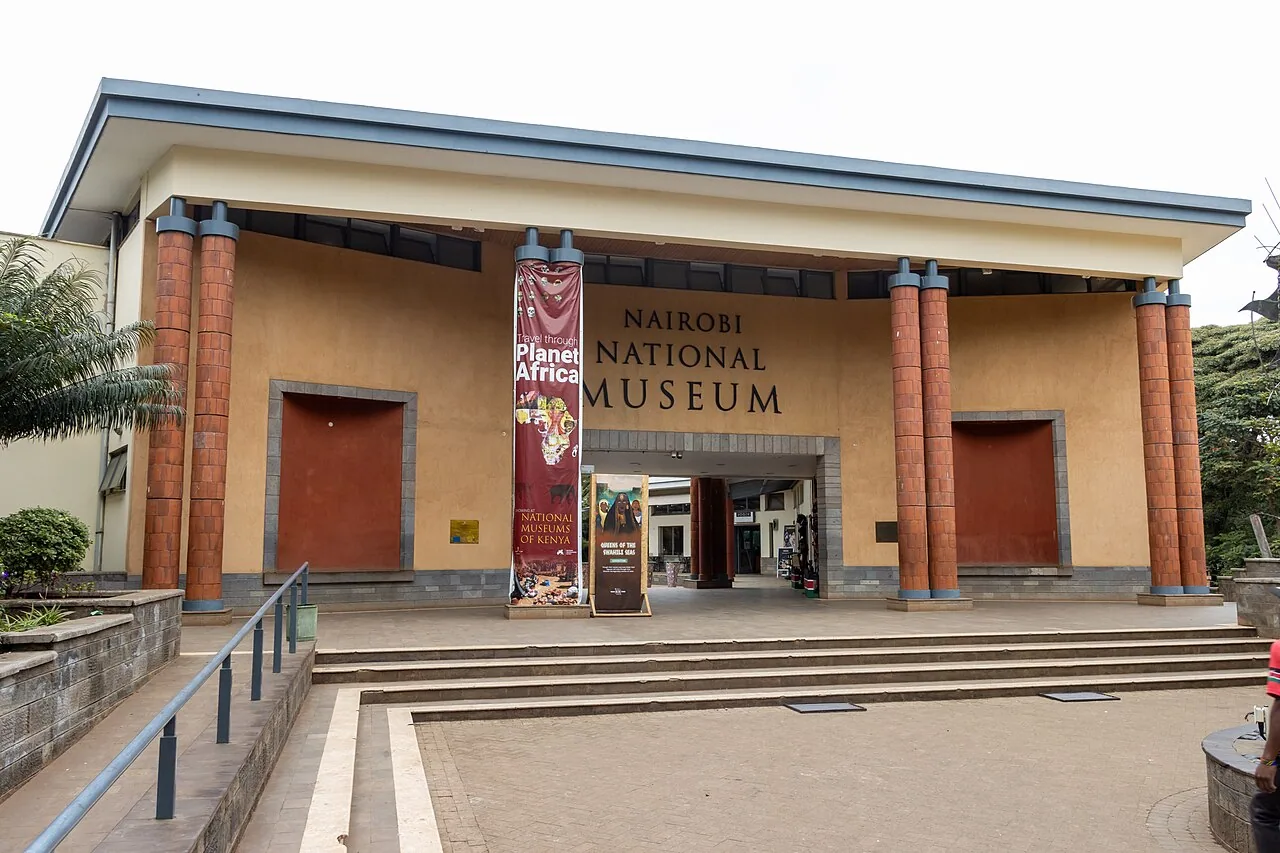
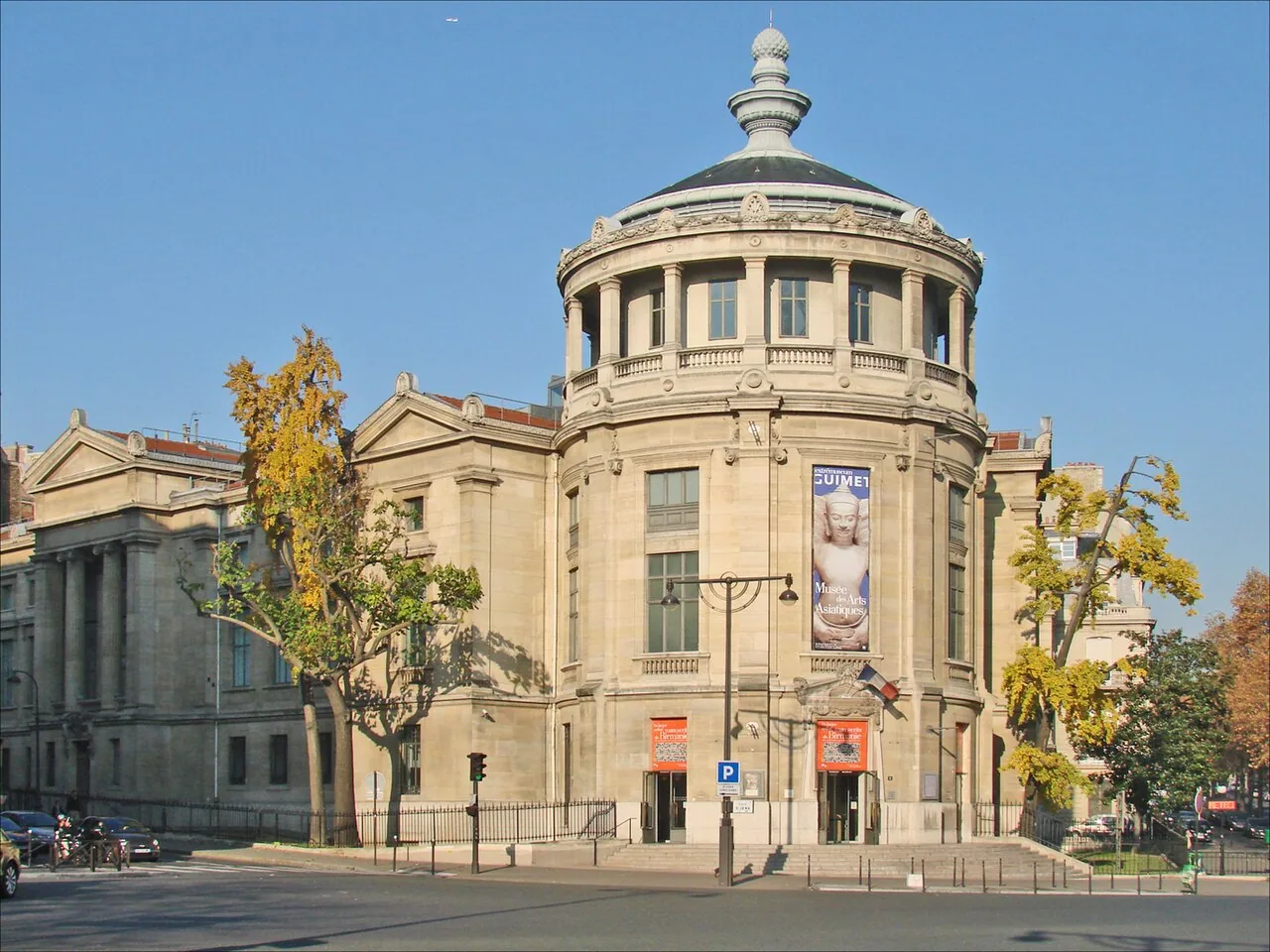
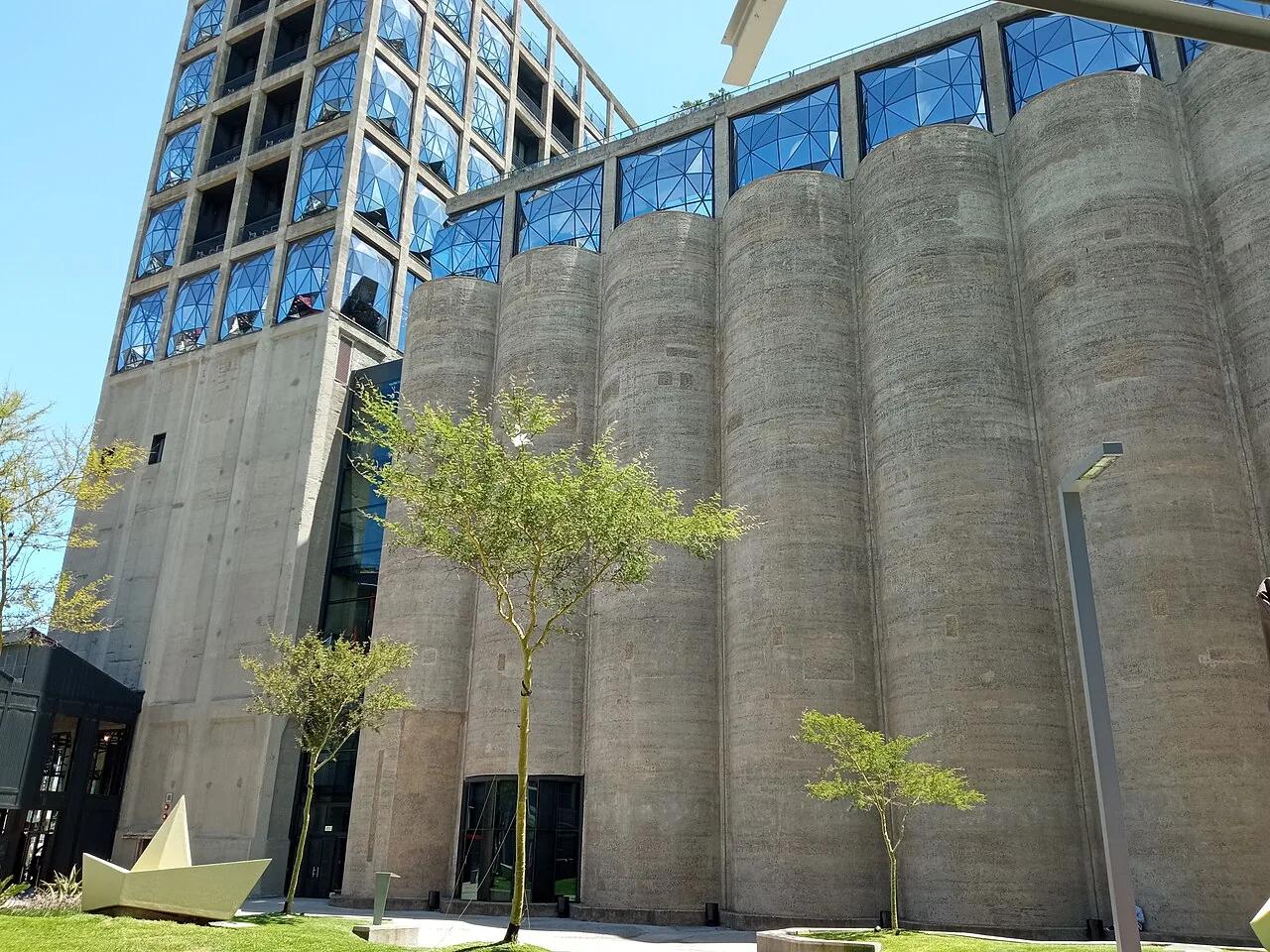
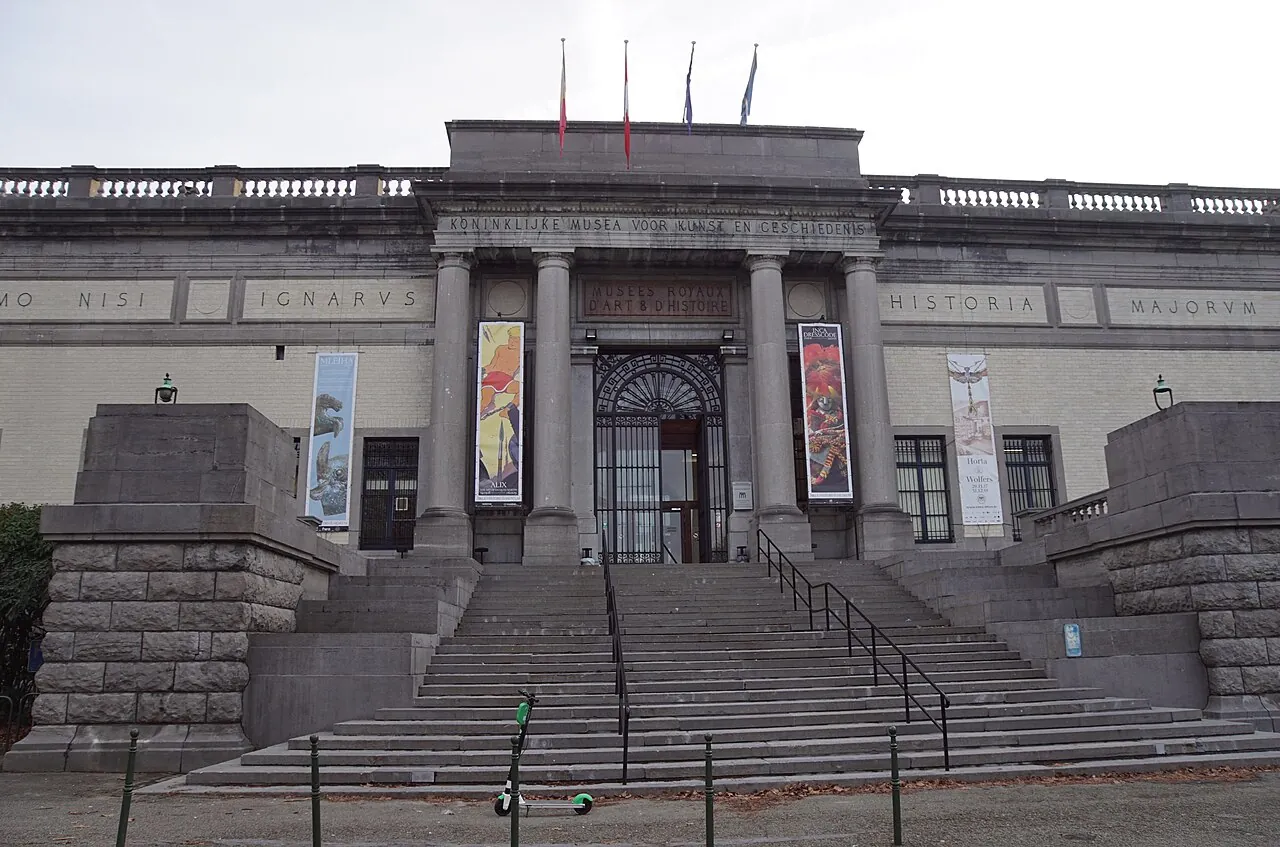
Museum of Art & History, Brussels, Belgium. Entrance.
Otter
Provenance
Documented history of ownership, movement and transactions.
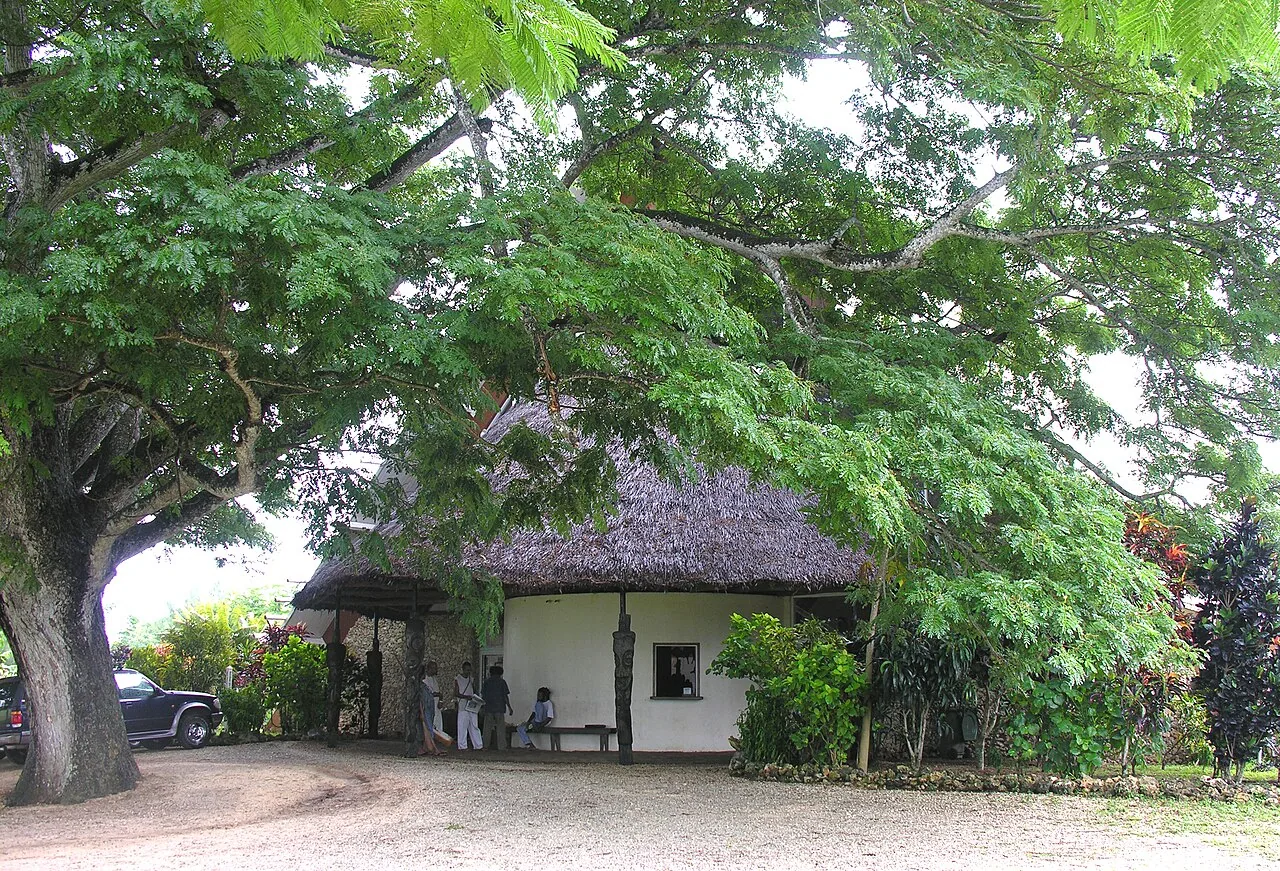
Archive photograph associated with Vanuatu Cultural Centre
PhillipC
Attribution
A revisable identification of an artist, workshop, region or cultural group.
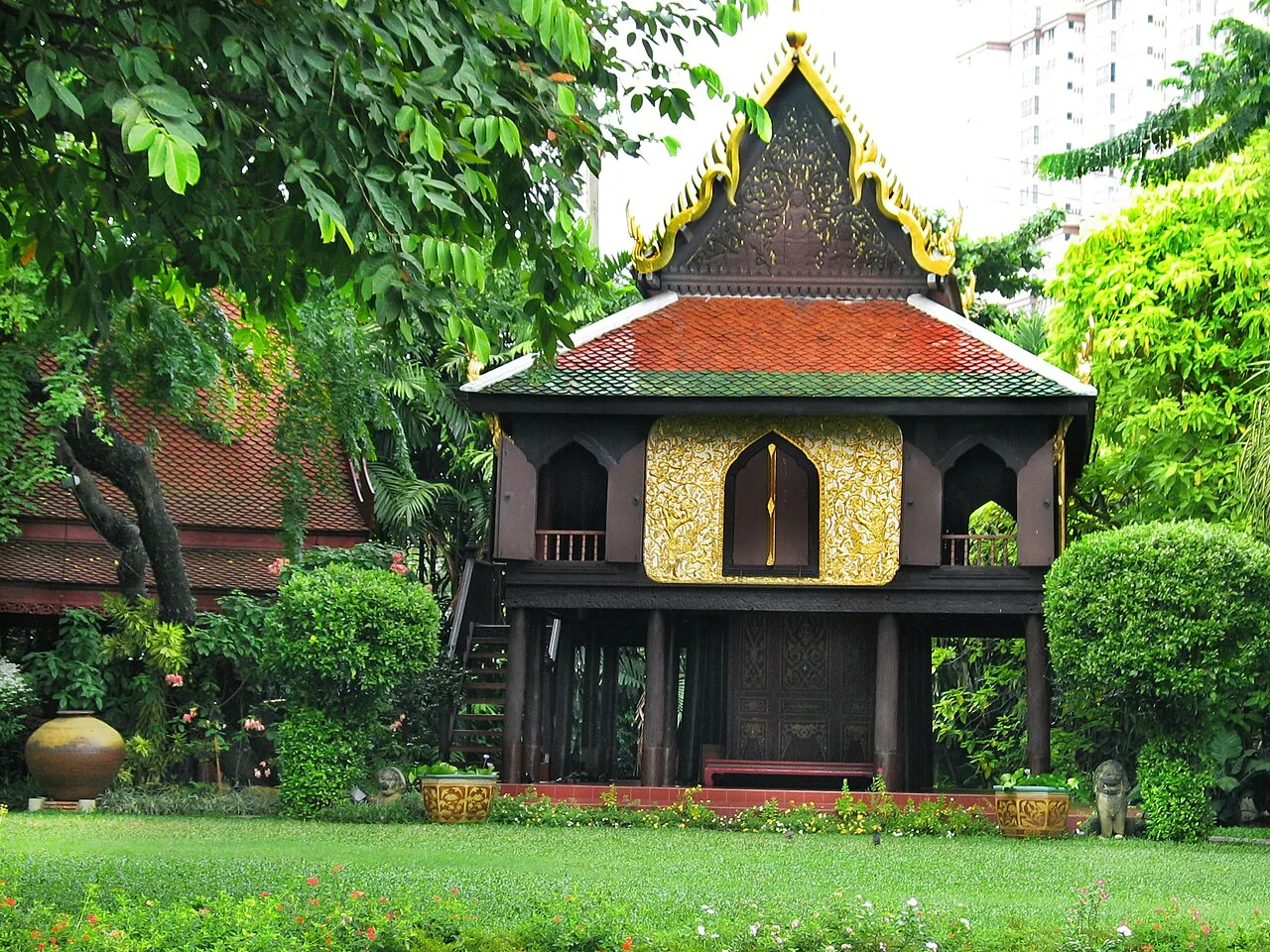
Archive photograph associated with Suan Pakkad Palace
Heinrich Damm ( User:Hdamm , Hdamm at de.wikipedia.org )
Court art
Work connected to political authority, a palace, official ceremony or representation of power.
Living heritage
Knowledge, practice or form transmitted and continually recreated by a community.
AI-generated illustration
Diaspora
Communities and cultural spaces shaped through migration and circulation.
Lobby area with information desk.
DavidXiaoDaShan
Restitution
Return of cultural property through legal, diplomatic, scholarly or ethical processes.
African arts guide

Frequently asked questions

Explore African arts through materials, uses, colonial history, contemporary practice, provenance and museums.

01Why avoid a single “African art” category?

The continent contains thousands of cultural contexts, long chronologies and highly varied contemporary scenes.

02Why does provenance matter?

It can reveal forced removals, documentary gaps and restitution claims.

03Were historical works always meant for display?

No. Many were worn, handled, kept in specific spaces or activated on particular occasions.

04How should I prepare?

Check collection displays, provenance notes and policies on the institution’s official website.
Destinations

Explore the directory by country

Countries and matching places in this directory selection.

Collection

Look at a documented artwork

Specific objects connect techniques, history and collections. These records do not guarantee that works are currently on display.

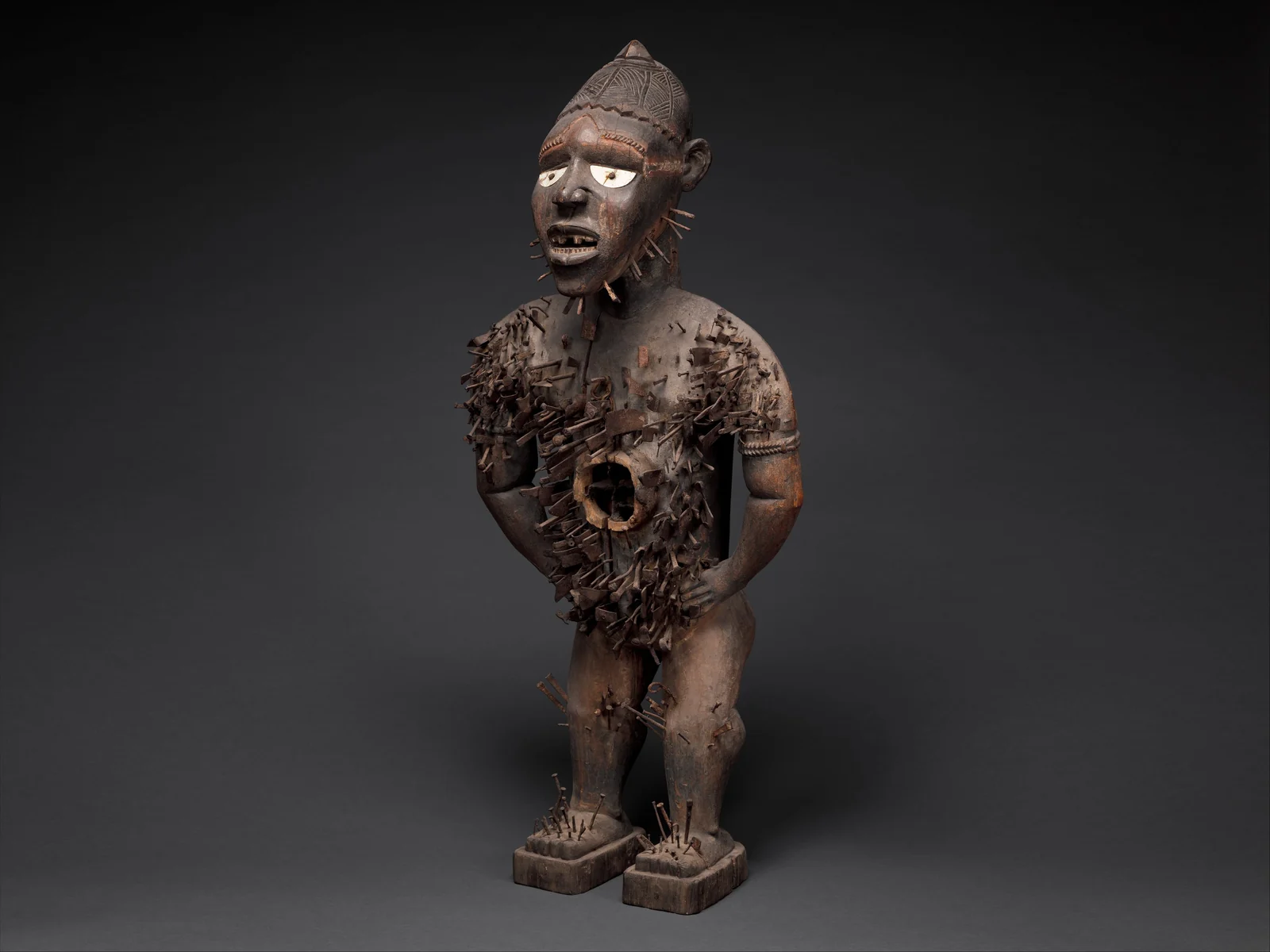
Standing Mangaaka figure with hands on hips and metal elements covering its torso.
The Metropolitan Museum of Art · CC0

Yombe-Kongo · nganga

Mangaaka power figure (Nkisi N’Kondi)

Date
About 1880–1900
Medium and origin
Wood, iron, resin, ceramic, plant fibre, textile, pigment · Kongo
Dimensions
118 × 49.5 × 39.4 cm
Inventory number
2008.30

The Met attributes this work to collaboration between a Yombe-Kongo artist and a nganga, a ritual specialist. Metal elements relate to pledges and settling community disputes. Examine the posture and added materials without treating the figure as decoration alone. The record locates its origin in the Republic of the Congo or Cabinda, Angola.

Museum record ↗ — Mangaaka power figure (Nkisi N’Kondi)

Explore the museum — The Metropolitan Museum of Art →

Data consulted on .

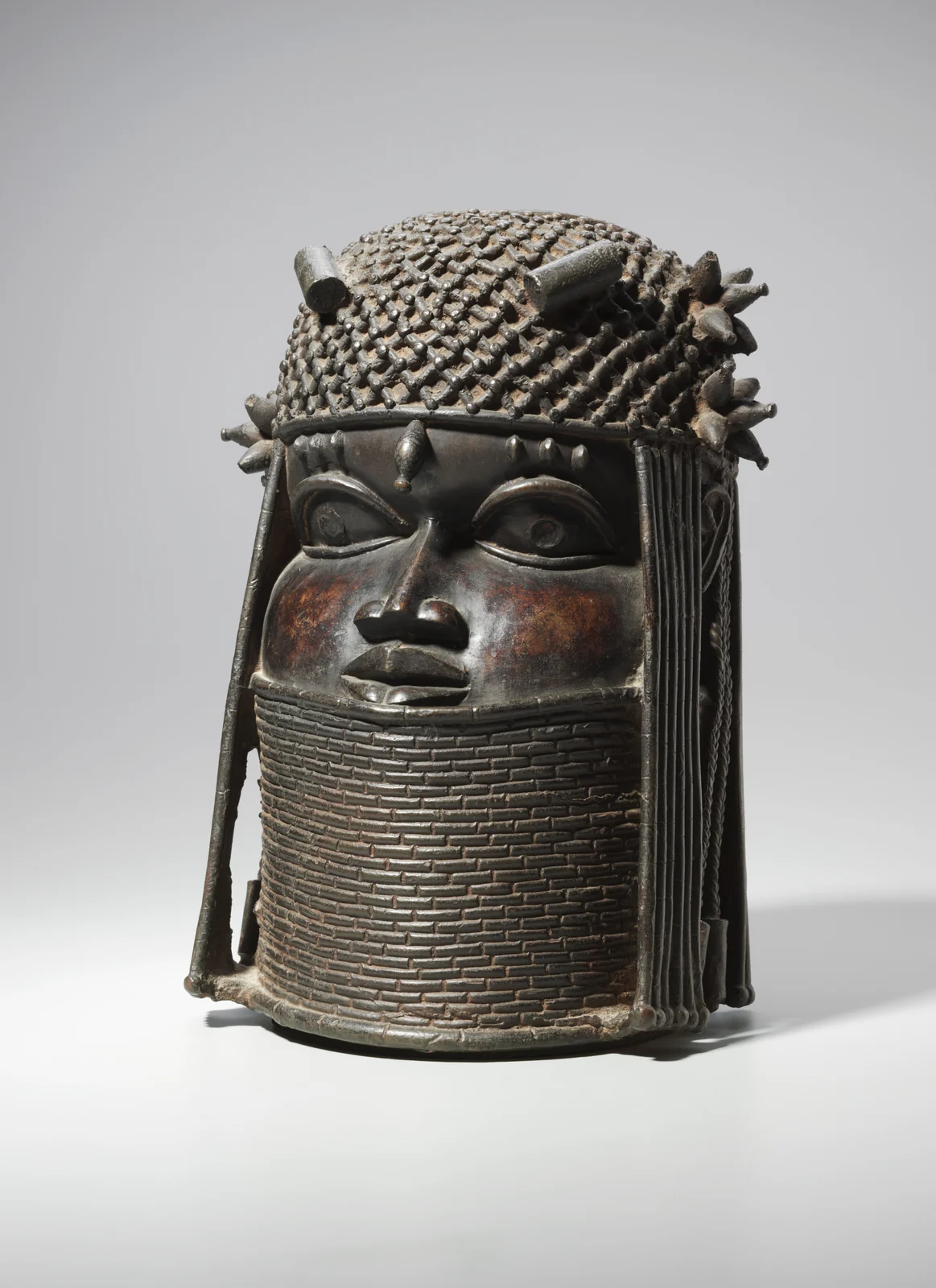
Metal head with high beaded collar, patterned cap and two ornaments beside the face.
The Cleveland Museum of Art · CC0

Ancestral Commemorative Head, uhunmwun-elao

Date
Possibly mid-1500s or early 1600s
Medium and origin
Copper alloy and iron; Benin Kingdom, Nigeria, Edo peoples
Dimensions
29.9 × 21.6 × 20.4 cm
Inventory number
1938.6

Beaded collars and a cap frame an idealised face; the head once supported a tusk on an ancestral altar. Published provenance records its transfer to Europe after the Siege of Benin in 1897. Read this history alongside the object’s form and religious purpose.

Museum record ↗ — Ancestral Commemorative Head, uhunmwun-elao

Explore the museum — Cleveland Museum of Art →

Data consulted on .

Open Access reproduction · CC0. Resized and converted to WebP, without cropping. Translated title; the museum record retains the reference title.

Compare artworks: what changes your reading

Practical distinctions to check in collection records and observe during your visit.

Comparison for looking at art
DistinctionReading pointQuestions to ask
Region, society and contextA continental category encompasses different situations. Documented places, communities and contexts are more precise than generalisations about Africa.Which names and places are established? What remains unknown or debated?
Documented use and current displayCases and labels create a museum experience. They do not automatically reproduce an object’s functions and relationships in its production context.Which uses are established? What is supported by cited research, archives or testimony?
Creation and collecting historyMaterial, maker and attribution concern production; provenance concerns circulation. Their documentation may be unequal.When did the object enter the collection? Which sources trace its history?
Photographs: sources and licences

Archive photographs. WebP conversion and adapted cropping; social previews include the site logo. Images do not guarantee current conditions.