Clarify each object’s context
Start with places, dates, cultures and artist names in the record. ‘African arts’ brings together diverse practices and histories; the heading is not an attribution. Preserve the source’s degree of precision. If a record specifies a region instead of a workshop, do not turn it into a certain origin. Look for the institution’s terms and explanations.
Distinguish form and use
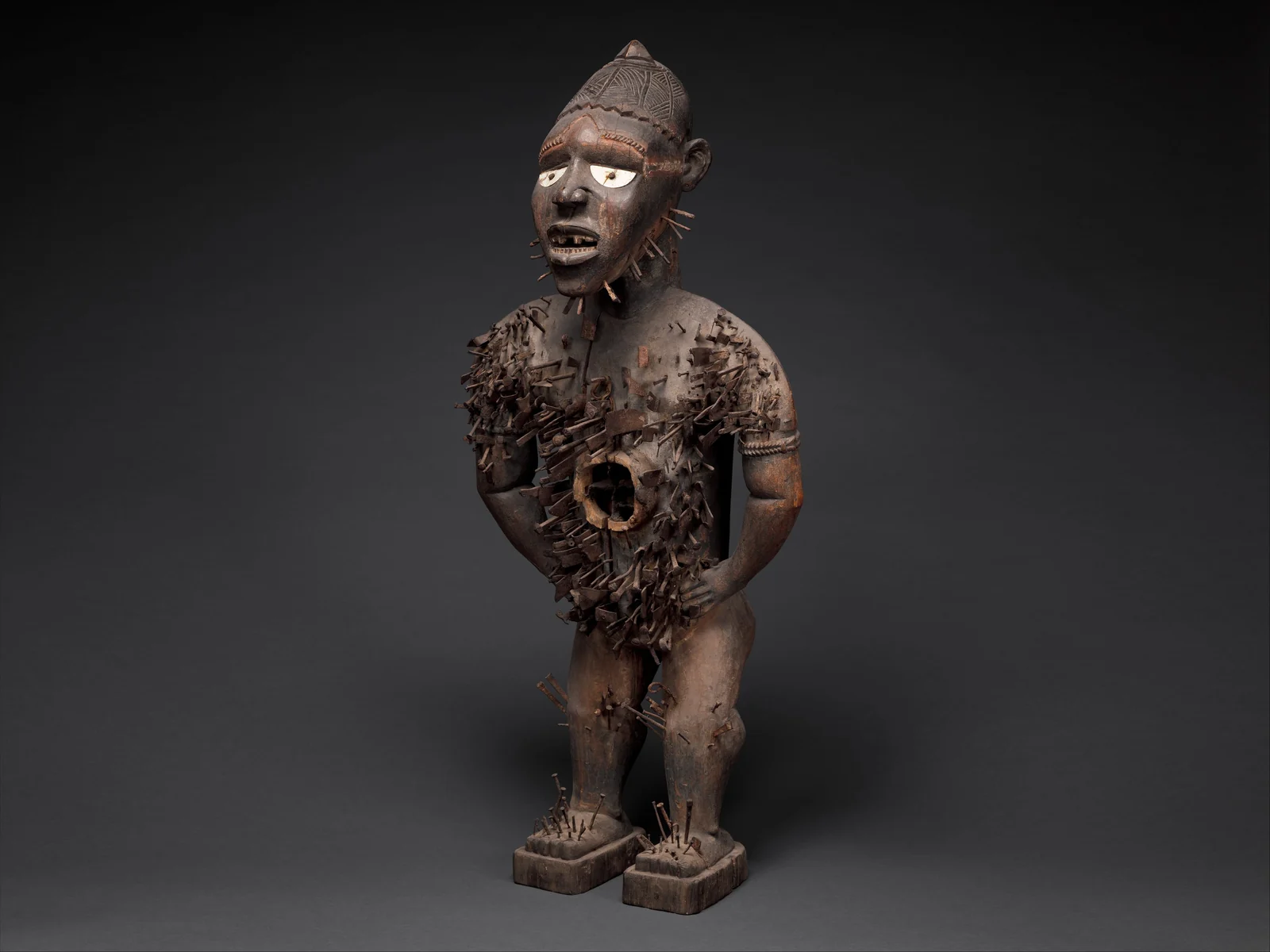
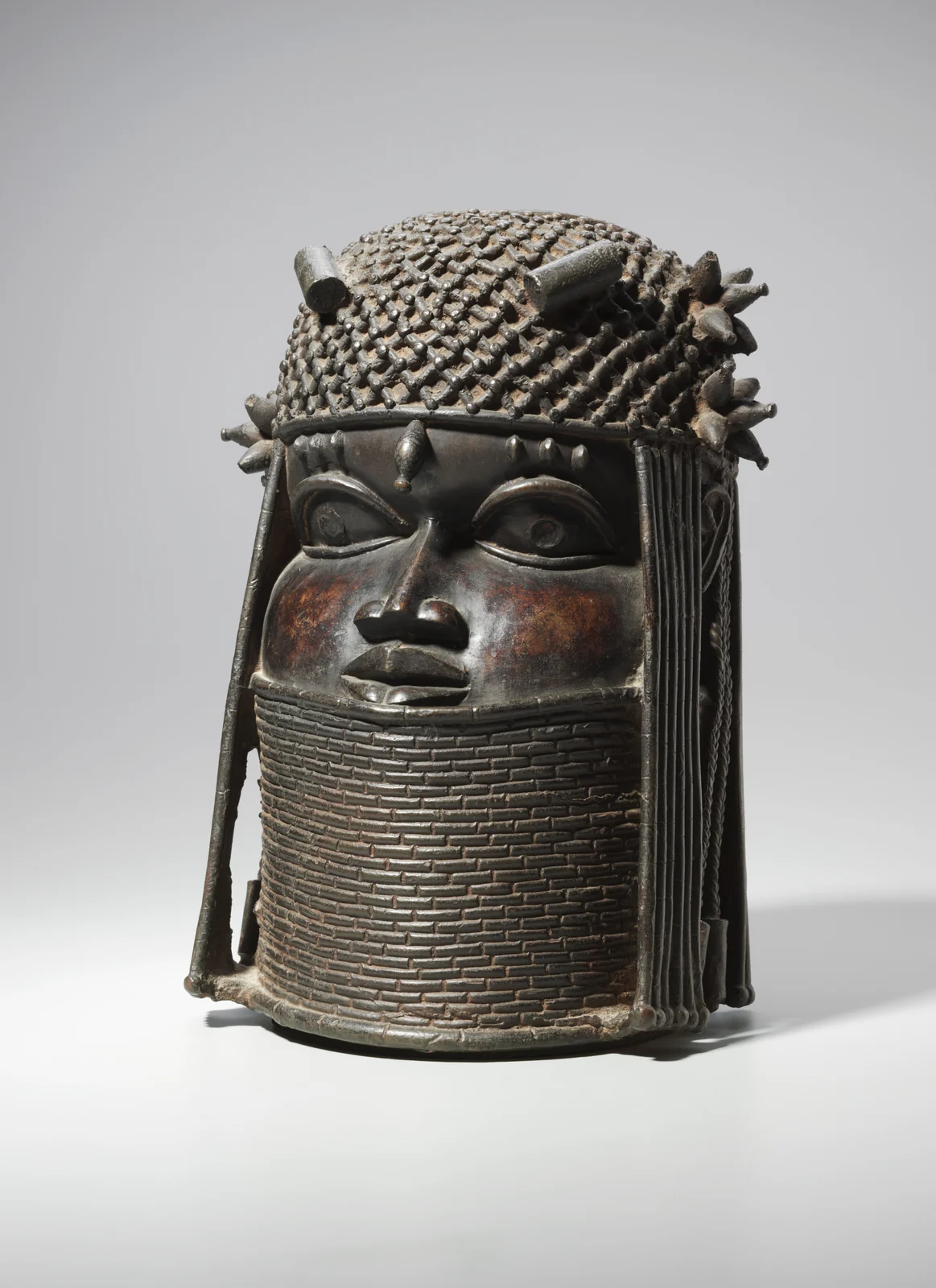
A sculpture, textile or metal object may have belonged to a particular social, ceremonial or political environment. A case shows it in a new situation. Find documented descriptions of use and separate them from present observations. Note missing parts of an ensemble: an isolated object does not necessarily explain the complete arrangement.
Consult the object’s history
Place of manufacture, use context and provenance are distinct information. Examine published dates and circumstances of collection or acquisition. A gap calls for a research question, not an automatic conclusion. Compare record versions and provenance dossiers. Retain consultation dates because institutions can expand their research.
Include different periods
The Met’s African art department presents historical and contemporary works. Choose objects addressing one question, such as the relationship between fibre and volume, then compare makers, dates and production conditions. Avoid describing a recent work as merely the survival of an older tradition. Catalogue categories facilitate search but do not replace each creation’s individual history.
Common questions
What does attribution to a culture mean?
It situates the object according to published knowledge. Do not replace it with an imagined artist’s name.
Does acquisition explain the entire provenance?
No. Acquisition is one stage; earlier history may include other owners or gaps.
Method and references
Reading advice and exercises written for this guide. The references extend the documentary and technical explanations. Check visit conditions with each institution.
Continue reading
- Art provenance: journeys, documents and gaps
- Textiles: weaving, pattern and histories of use
- Comparing two artworks with a method
- Explore : African arts: looking at histories, materials and circulation.
- Explore : Sculpture: form in space.
- Explore : Contemporary art: works, ideas and experiences since 1945.