Contemporary art guide
Begin with experience, then open up the contexts
Contemporary art is neither one style nor one precise date. It gathers practices that question images, narratives, power, the environment, technology and the conditions of exhibition itself.
When a work feels puzzling, describe the space, materials and your own movement. The label, artist’s voice and history can then illuminate an experience you have already observed.
Art guide
Three ways to look
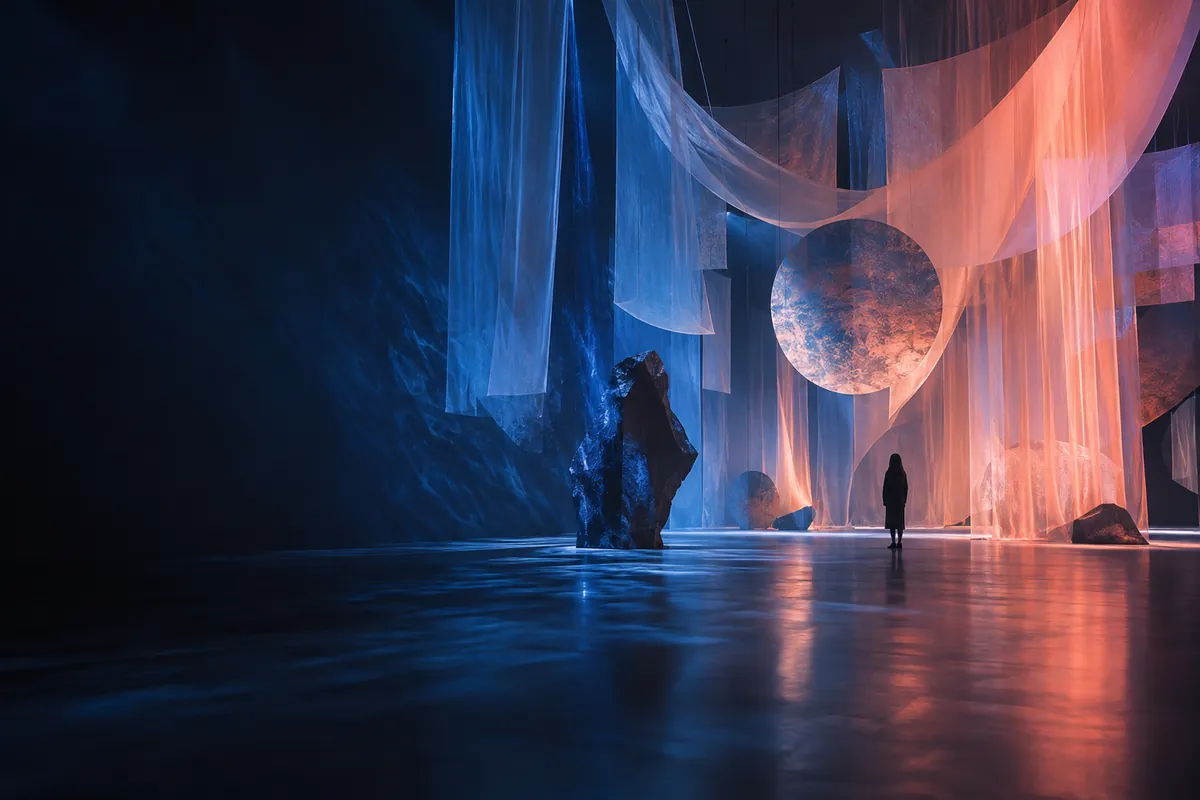
From ordinary materials to immersive installations, learn to ask what a work does, which context it activates and what place it gives the audience.
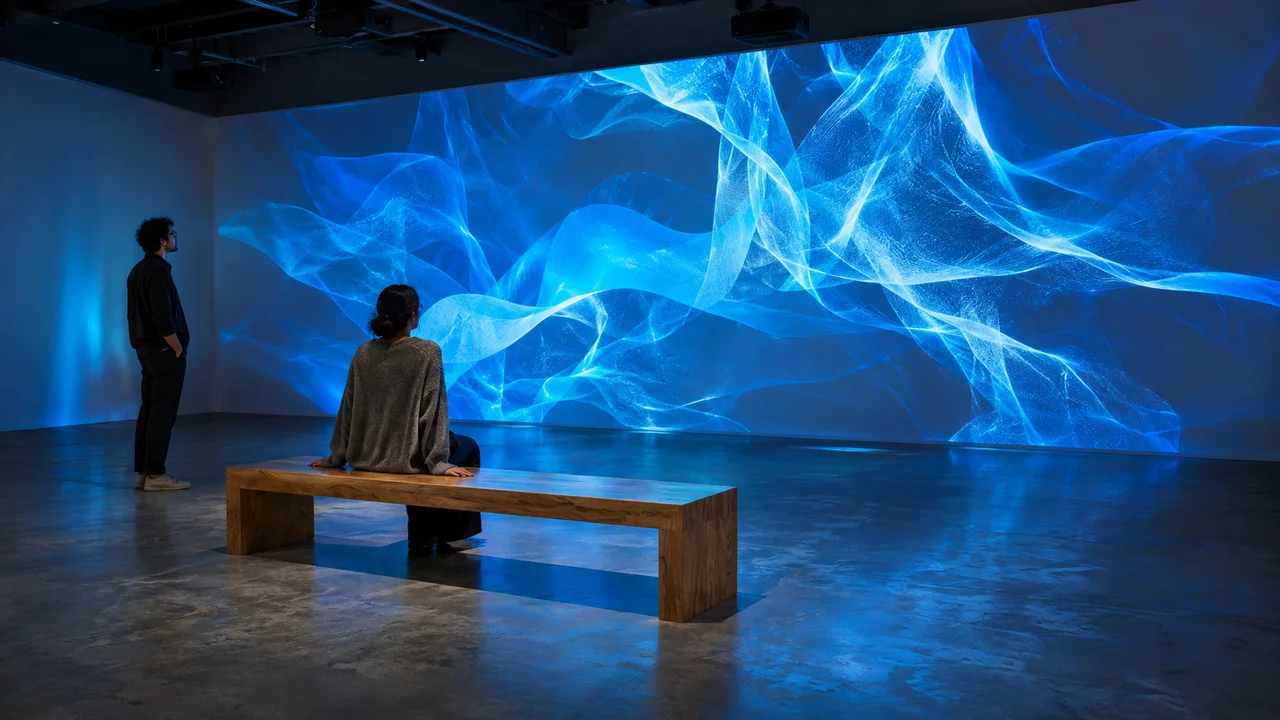
Materials and protocol
A found object, video, instruction or action can be the medium. Ask how the work exists and is activated.
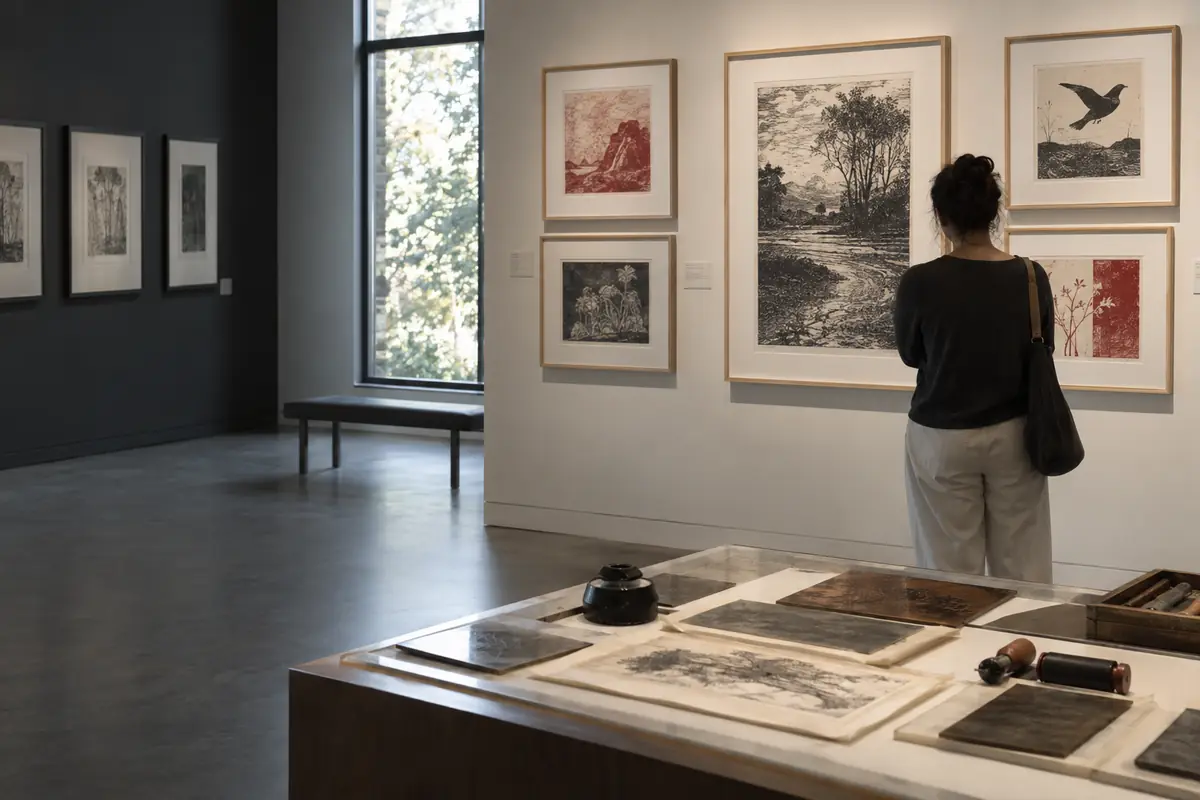
Space and participation
Some works organize a path, act of listening or relation among visitors instead of a fixed viewpoint.
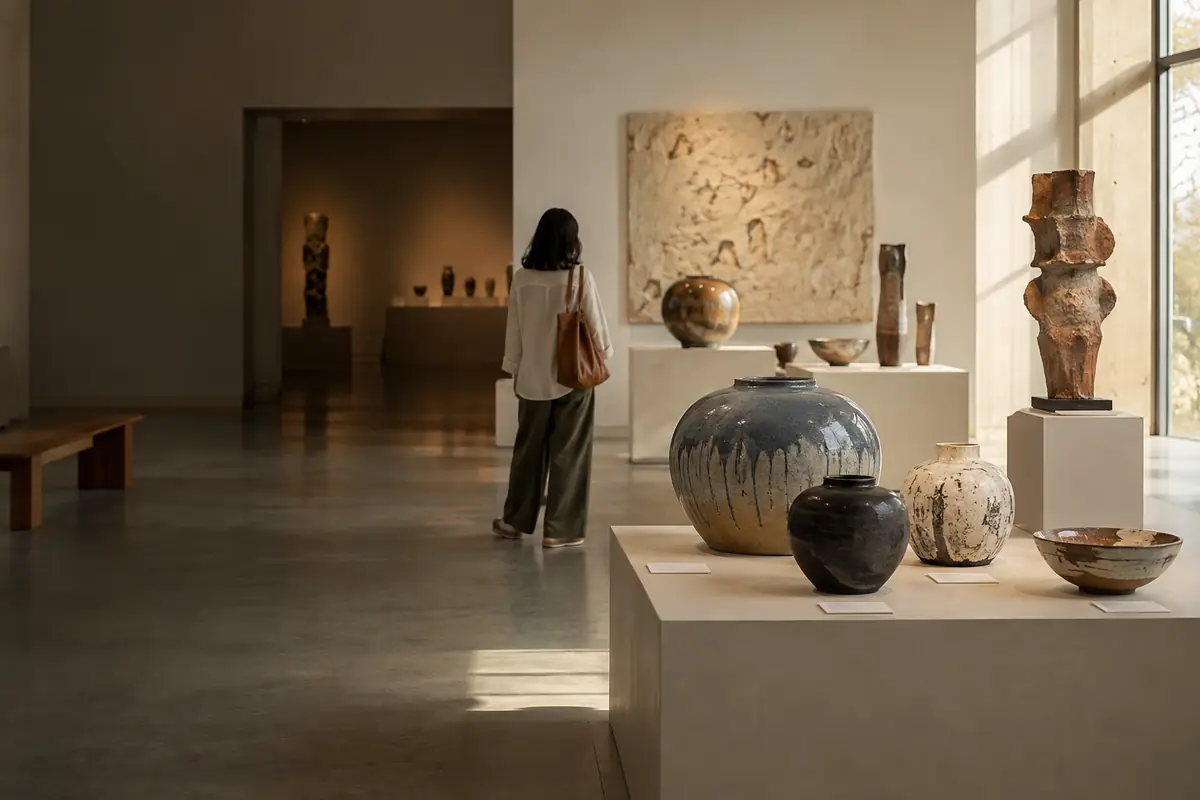
Context and position
Political, social or ecological references do not replace form; they explain why formal decisions matter.
Contemporary art guide
Approach contemporary art without an instruction manual
- 01
Take inventory
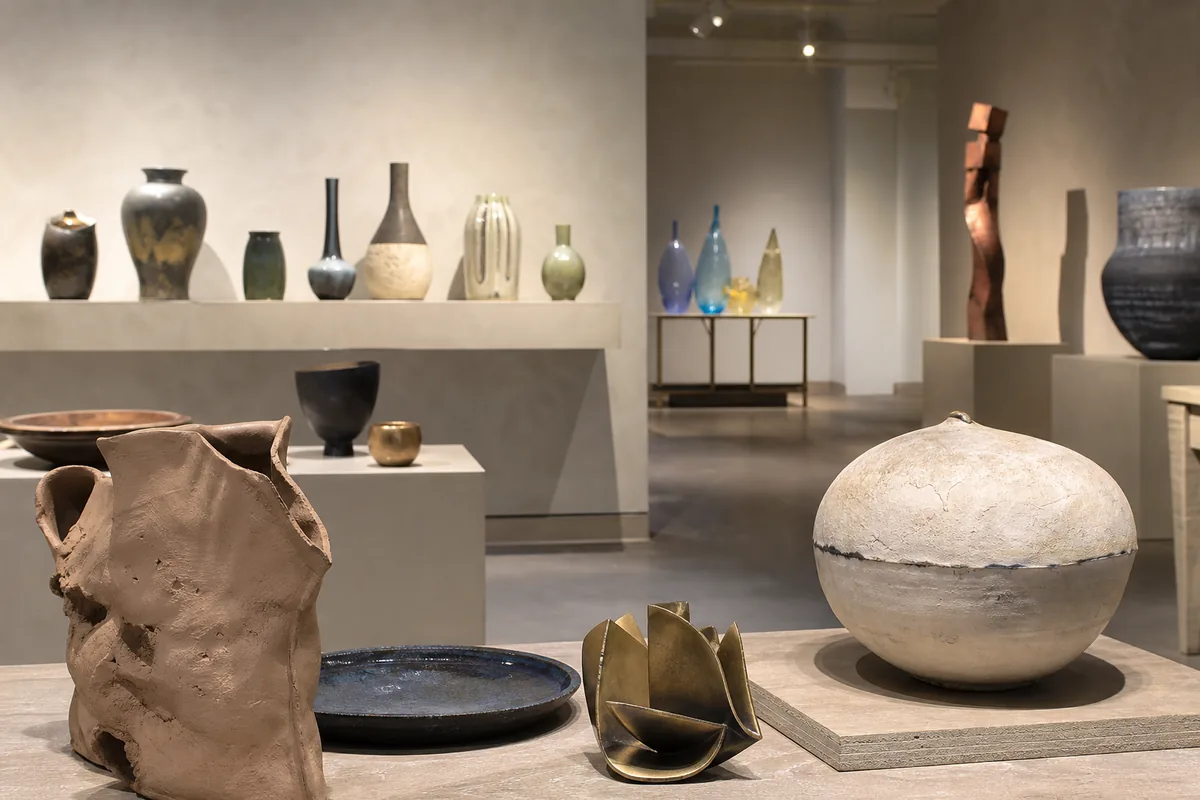
Name materials, sounds, images, gestures and scale as precisely as possible.
- 02
Notice your position
See where the work invites you to walk, wait, participate or keep your distance.
- 03
Read useful information
Look for title, date, medium and context without reducing the work to its label.
- 04
Form a hypothesis
Connect form and idea, accepting that interpretations remain debatable and develop through experience.
Glossary
Essential contemporary art vocabulary
Six recurring terms in exhibitions today.
- Installation
- A work designed for a space and experienced through the audience’s movement.
- Performance
- An artistic action in which body, duration or situation becomes the medium.
- Site-specific
- A work made for a particular place and difficult to separate from that context.
- Appropriation
- Critical reuse of existing images, objects or forms.
- Conceptual art
- A practice in which the idea, rule or language may take priority over the finished object.
- Mixed media
- The combination of several materials, techniques or channels in one work.
Contemporary art guide
Frequently asked questions about contemporary art
A guide to contemporary art through installation, performance, video, context, materials and institutions showing current practices.
01When does contemporary art begin?
Museums often place its rise after 1945, or around 1960 or 1980. Boundaries vary by collection and region.
02Why do some works seem easy to make?
Manual difficulty is only one criterion. Displacement, context, protocol and effects may constitute the work.
03Should I read the label first?
Begin with open observation, then use the label to test and enrich your ideas.
04How should I prepare a visit?
Choose a few works, allow pauses and check official guidance: some installations have timed or limited access.