Gallery of design and decorative objects

Design guide

Design and decorative arts: reading objects beyond their use.

A chair, textile or vessel combines form, making, use and cultural value.

67 Directory37 countries

Design guide

Objects have several lives

Decorative arts bring form, ornament and use together. Design also considers planning, production and the experience of the user.

Ask who conceived and made an object, how many were produced and how it entered the collection.

Art guide

Design guide

A chair, textile or vessel combines form, making, use and cultural value.

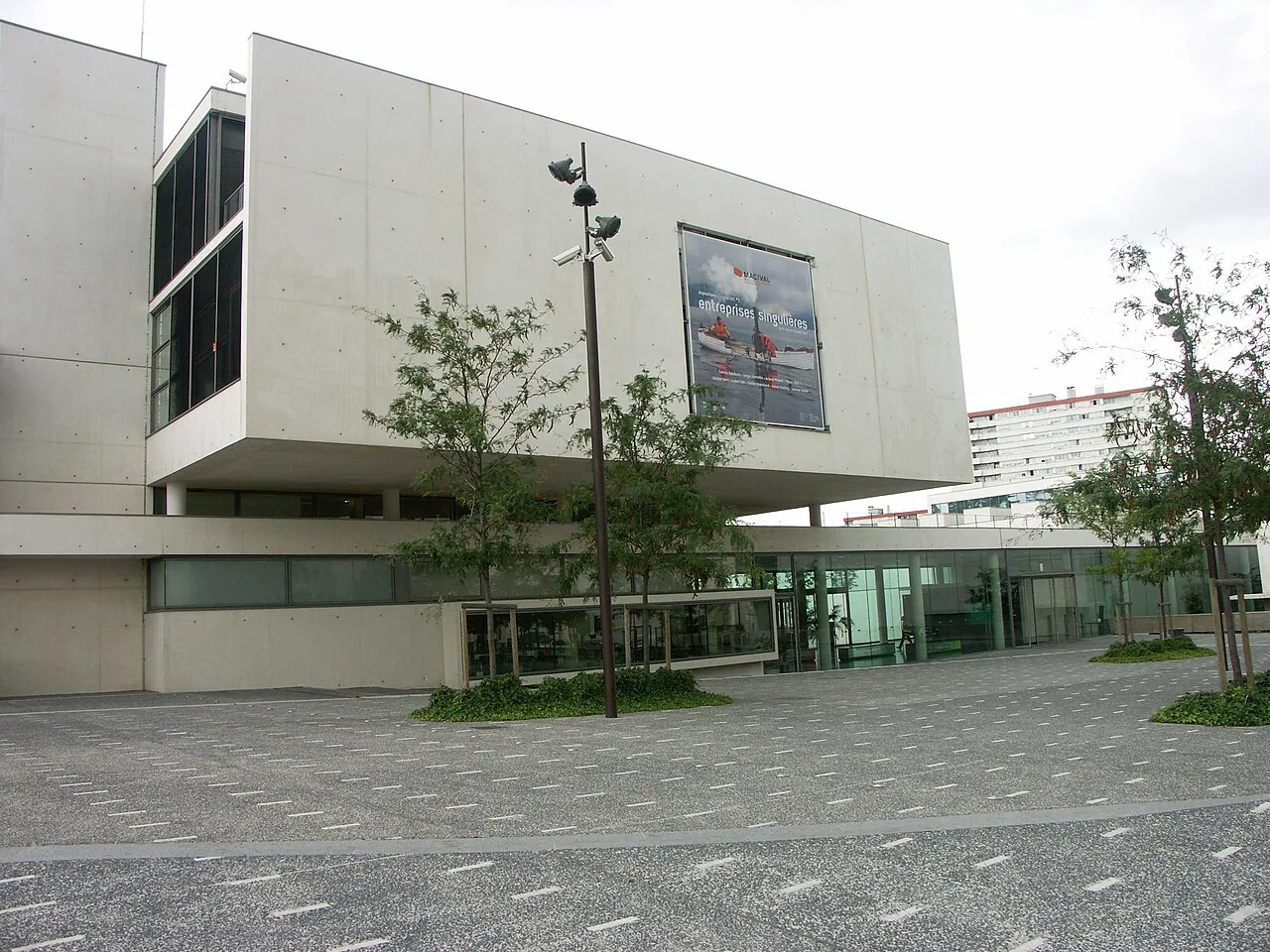
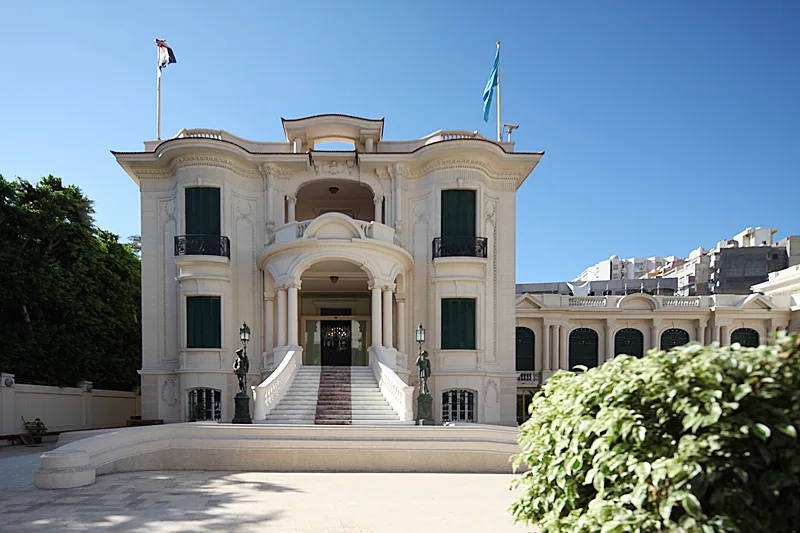
The National Gallery of Australia. Image taken from the south-west.https://searchthecollection.nga.gov.au/object/204779
Thennicke
01

Use and ergonomics

Look at how the object invites a person to sit, hold, pour or move.
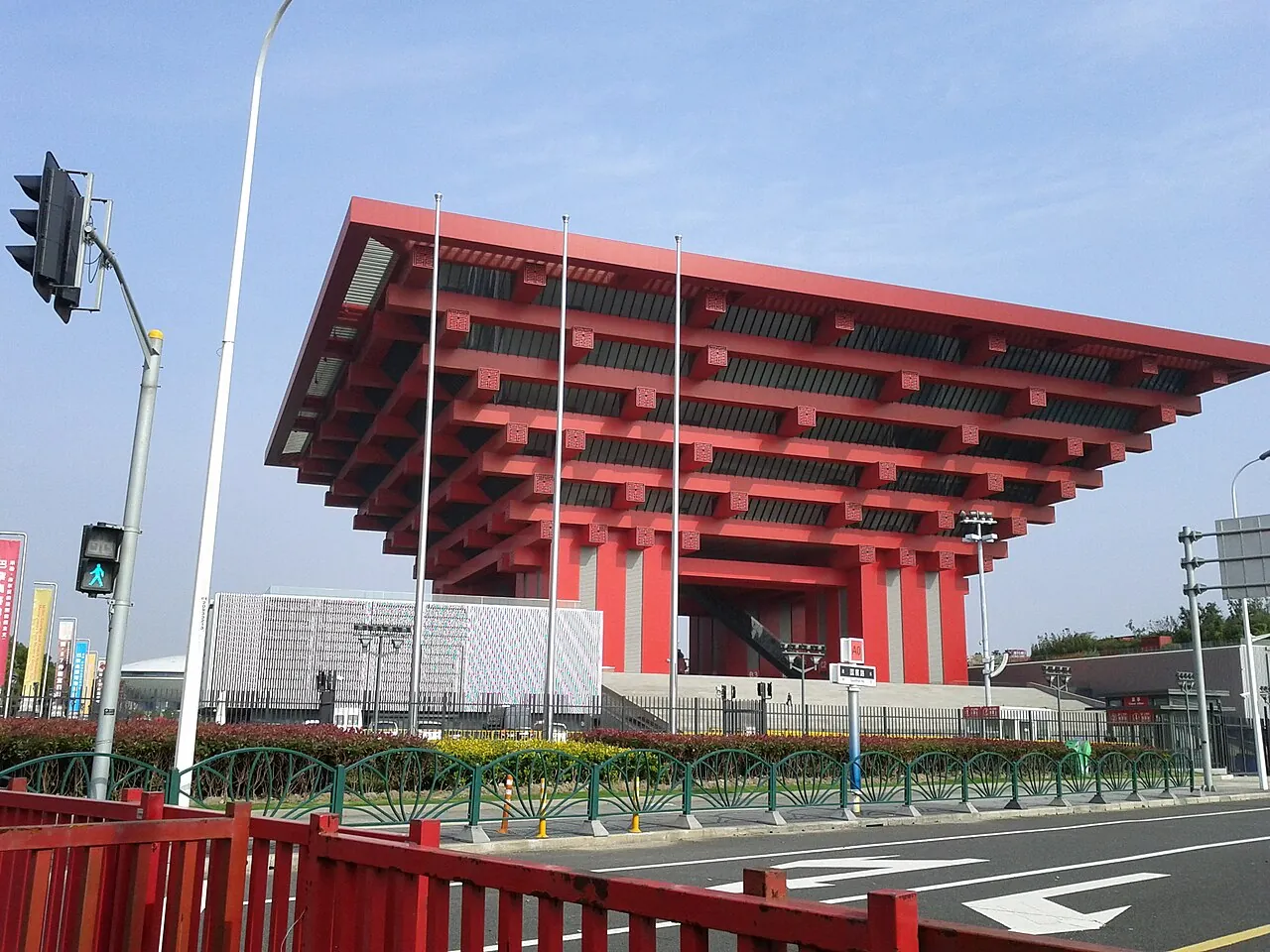
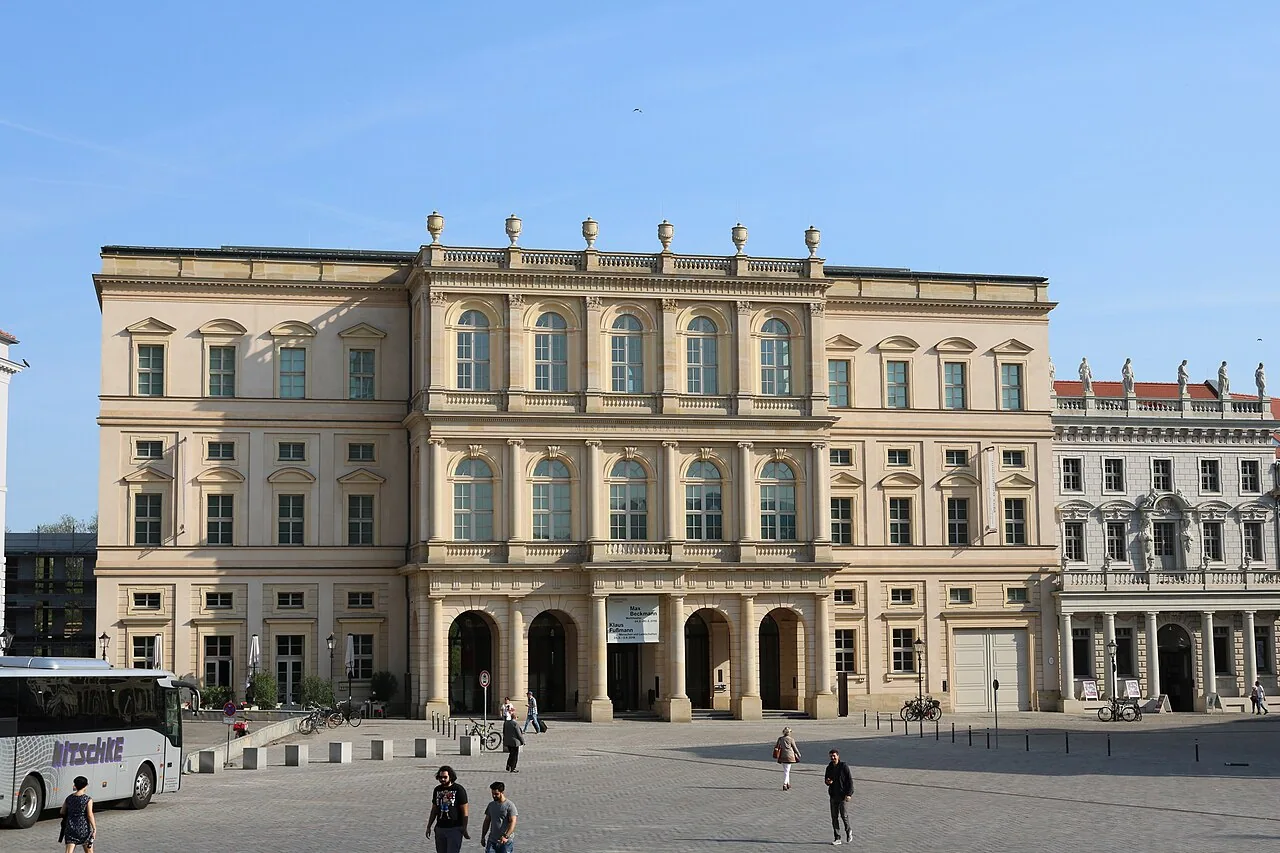
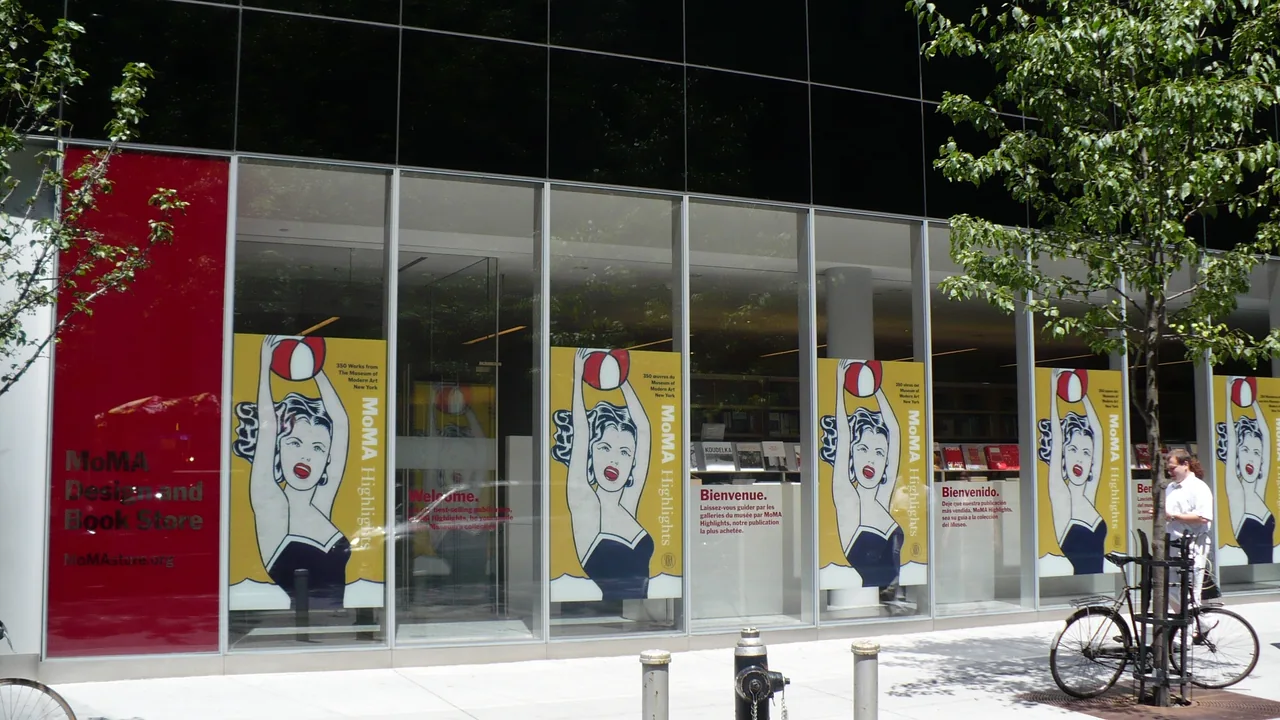
Lobby area with information desk.
DavidXiaoDaShan
02

Materials and making

Wood, metal, glass, clay and fibre retain traces of tools and assembly.
AI-generated illustration
03

Production and distribution

A one-off piece, prototype and industrial edition reach different audiences.
AI-generated illustration
04

Ornament and meaning

Motifs and colours can carry identities and histories of exchange.

Design guide

Compare two objects

  1. 01

    Describe the form

    Note proportions and details before reading the label.

  2. 02

    Look for making

    Find joints, tool marks and surfaces that reveal production.

  3. 03

    Place the object

    Check maker, date, edition and documented route into the collection.

Design guide

Common questions

Read design and decorative objects through function, material, production, ornament and museum context.

01How do design and decorative arts differ?

Design often stresses planning and use; decorative arts cover a broader historical field of objects and interiors. They overlap.

02Can a mass-produced object be in a museum?

Yes. Its invention, manufacture and social use can be studied.
Destinations

Explore the directory by country

Countries and matching places in this directory selection.

Collection

Look at a documented artwork

Specific objects connect techniques, history and collections. These records do not guarantee that works are currently on display.

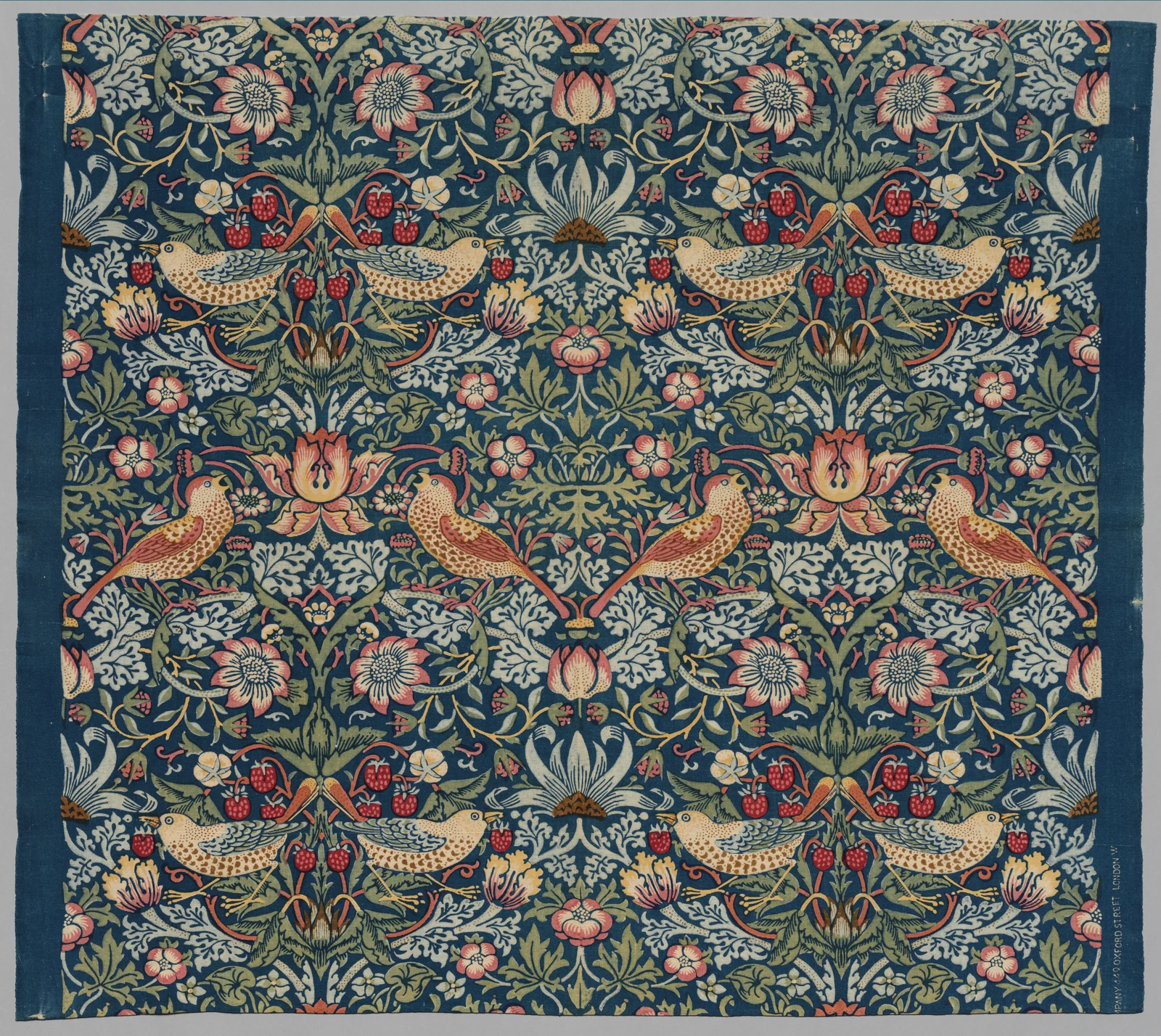
Blue-ground textile with paired birds, strawberries and symmetrically repeated foliage.
The Cleveland Museum of Art · CC0

William Morris

Strawberry Thief

Date
About 1936, surviving textile
Medium and origin
Plain-weave cotton, discharge printed; England
Dimensions
88.3 × 99.1 cm
Inventory number
1937.696

Birds, strawberries and stems form a repeat that continues beyond the fragment’s edge. William Morris is identified as designer; the museum dates the surviving cloth to about 1936. Distinguish pattern design, manufacture of this example and entry into the collection.

Museum record ↗ — Strawberry Thief

Explore the museum — Cleveland Museum of Art →

Data consulted on .

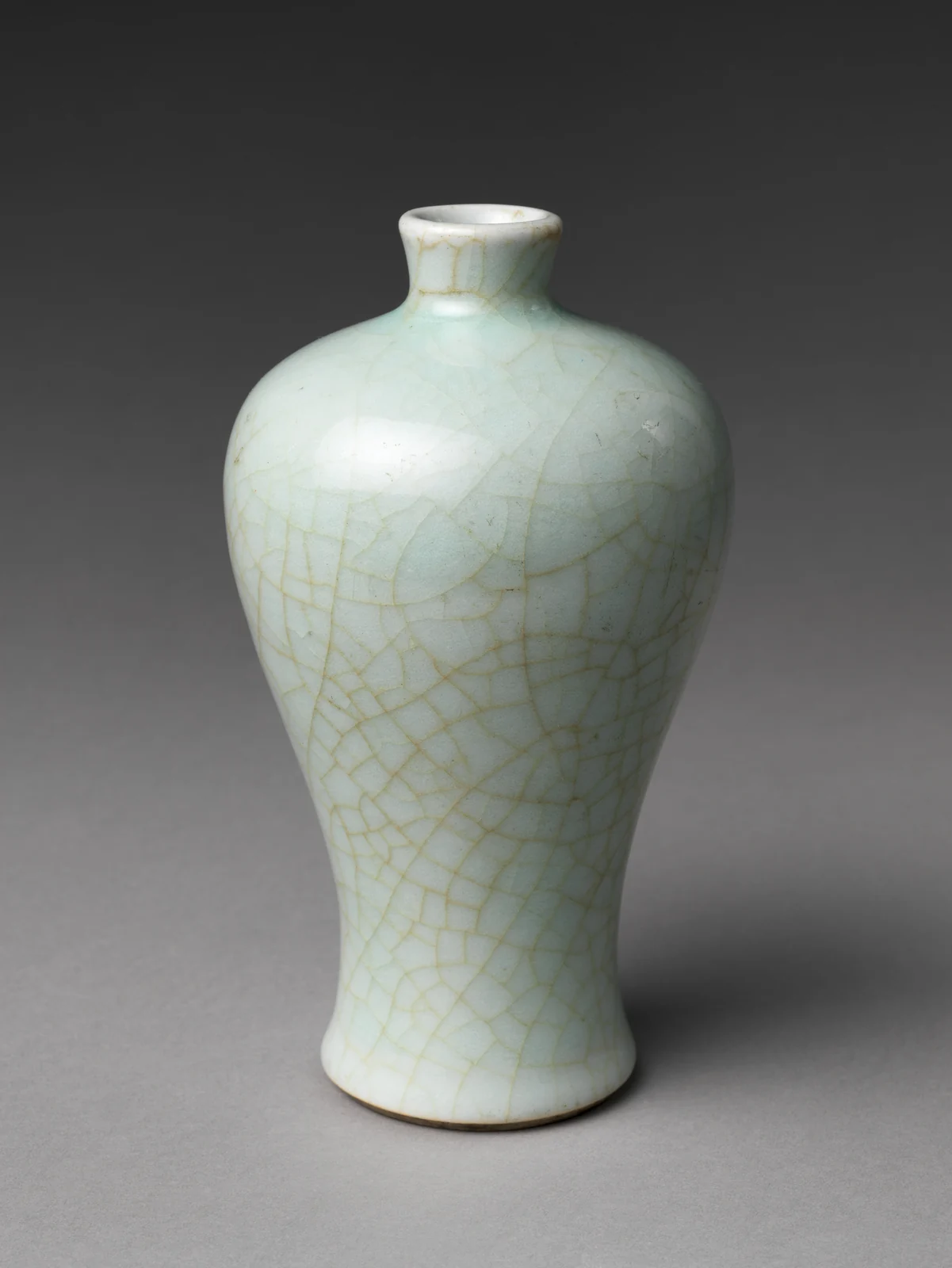
Small pale-green vase with broad shoulder, narrow neck and crackled glaze.
The Metropolitan Museum of Art · CC0

Vase in Meiping Shape

Date
18th century
Medium and origin
Porcelain with celadon glaze, Jingdezhen, China
Dimensions
12.7 × 8.3 cm
Inventory number
14.40.8

The record distinguishes meiping shape, porcelain body and celadon glaze. Observe the glaze crackles and the transition from broad shoulder to narrow neck. The measurements give height and diameter: this small vase should not be imagined at the scale of a monumental jar.

Museum record ↗ — Vase in Meiping Shape

Explore the museum — The Metropolitan Museum of Art →

Data consulted on .

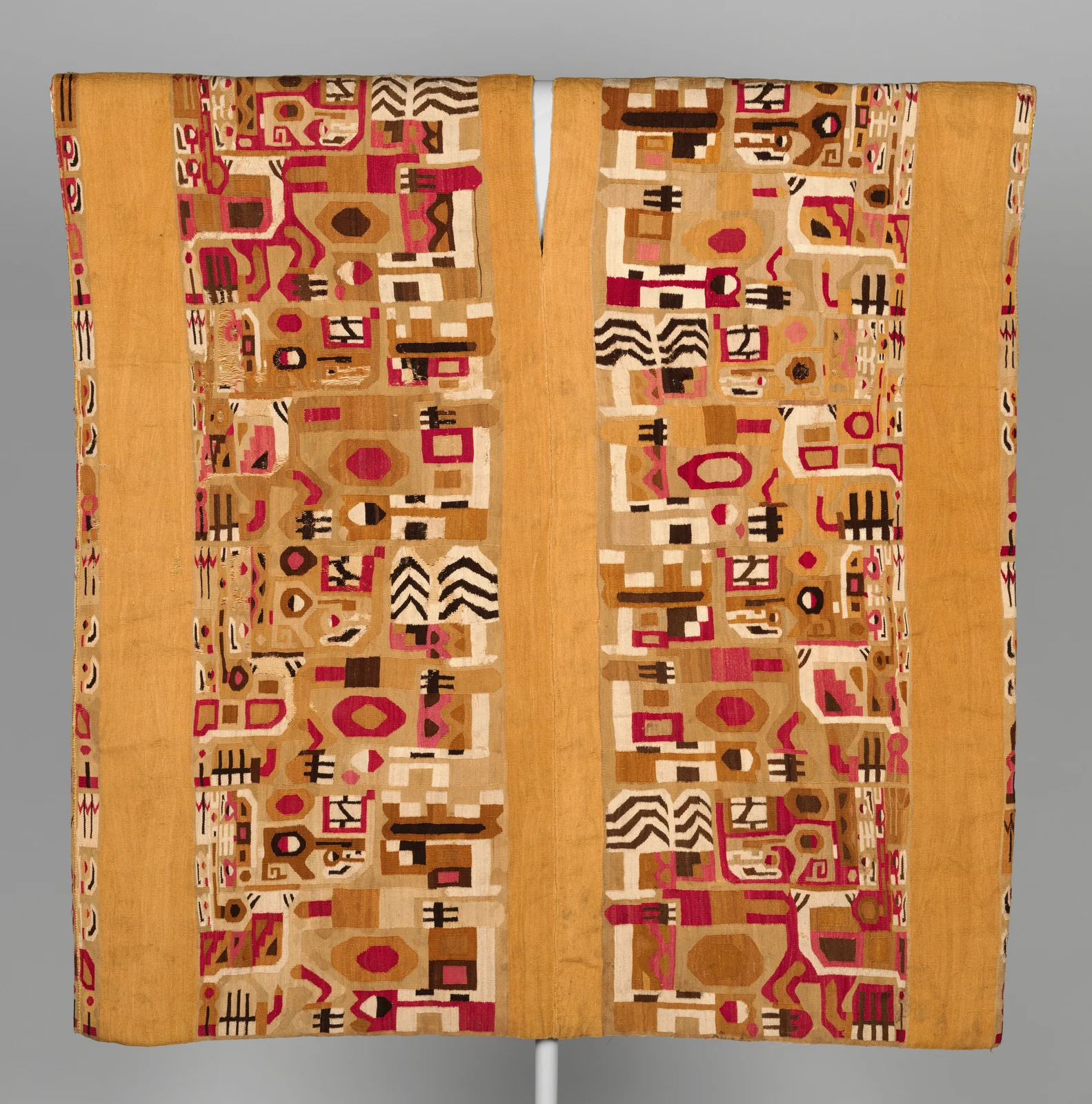
Rectangular Wari tunic with bands of multicoloured geometric motifs against a light ground.
The Metropolitan Museum of Art · CC0

Wari

Wari tunic

Date
650–1000 CE
Medium and origin
Cotton and camelid hair · Andean region
Dimensions
≈ 103.5 × 101 cm
Inventory number
2021.146

Two woven panels are sewn together, leaving a head opening. Motifs repeat, compress and stretch within vertical bands: track the same shape between two registers. Consider this Andean garment as a volume worn on a body as well as a flat surface. The catalogue dimensions are approximate.

Museum record ↗ — Wari tunic

Explore the museum — The Metropolitan Museum of Art →

Data consulted on .

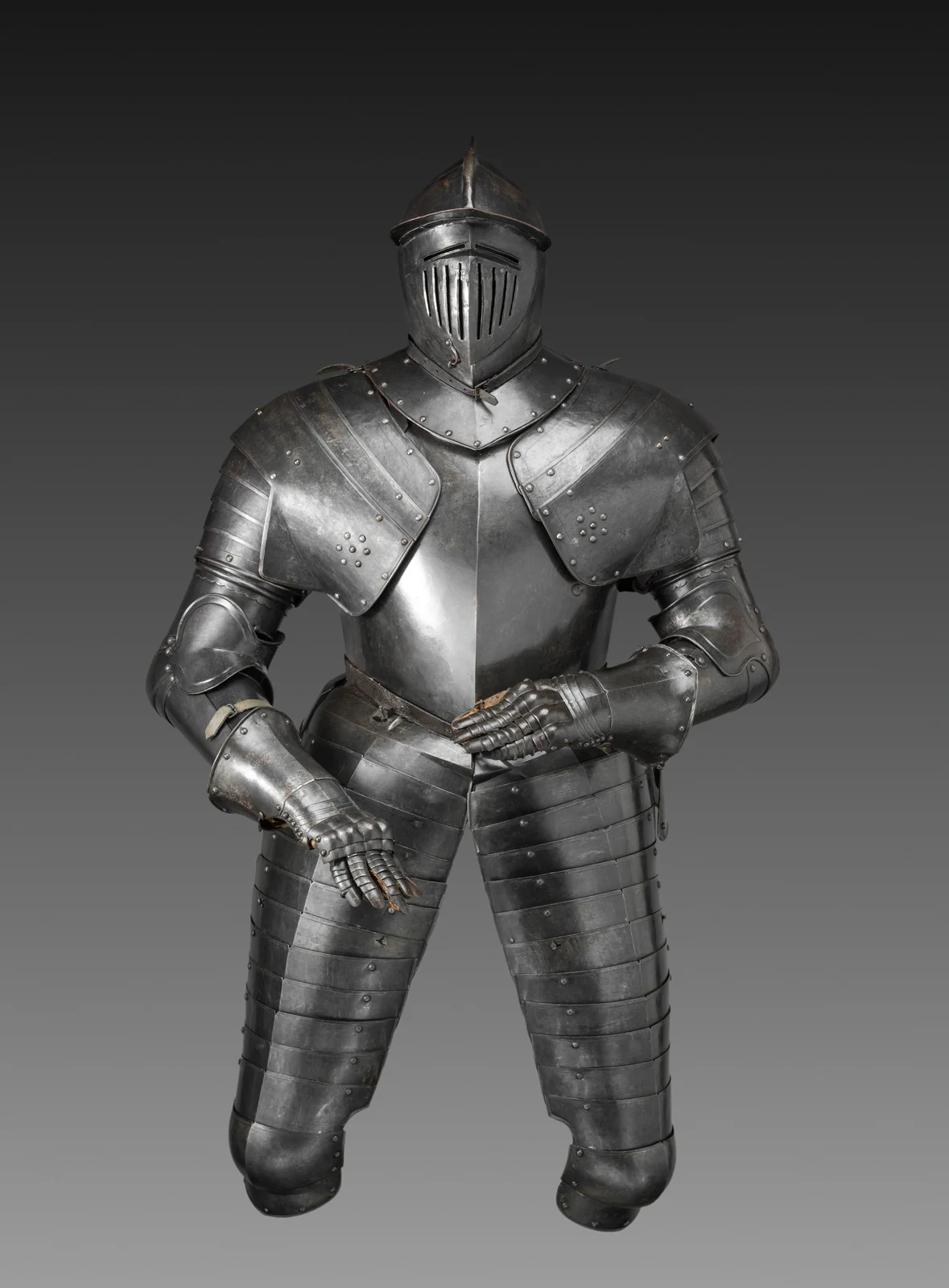
Dark armour with closed helmet, breastplate and articulated plates over the thighs.
The Cleveland Museum of Art · CC0

Cuirassier’s Armor

Date
About 1600–1620
Medium and origin
Steel, leather straps; Austria, Graz ?
Dimensions
171.4 cm
Inventory number
2012.37

Articulated plates protect the body while allowing some movement. Find the shoulder, elbow and waist joins; the leg armour stops before the rider’s boots. The museum describes steel that was originally blued and is now black: surviving appearance need not equal original appearance.

Museum record ↗ — Cuirassier’s Armor

Explore the museum — Cleveland Museum of Art →

Data consulted on .

Open Access reproduction · CC0. Resized and converted to WebP, without cropping. Translated title; the museum record retains the reference title.

Compare artworks: what changes your reading

Practical distinctions to check in collection records and observe during your visit.

Comparison for looking at art
DistinctionReading pointQuestions to ask
Use and shapeMaterials, manufacture and possible gestures help explain an object. Unusual appearance does not summarise its design.Which use is documented? How does form organise handling, movement or installation?
Prototype and productionA prototype, production example and reissue can share a design without being the same historical object.Which version is preserved? Do dates concern design, manufacture or reissue?
Designer and manufacturerDesigner and manufacturer have distinct roles. Workshop, company and production references should not be confused.Who designed and who made it? Which sources establish this?
Photographs: sources and licences

Archive photographs. WebP conversion and adapted cropping; social previews include the site logo. Images do not guarantee current conditions.