Start with the material record
Record the museum’s term: earthenware, stoneware, porcelain or terracotta. They are not interchangeable. Ceramics describes a family of materials and practices; it does not alone establish composition, firing temperature or function. White colour is insufficient to identify porcelain. If the record does not specify the body, leave that information unknown rather than deducing it from a screen.
Separate form and surface
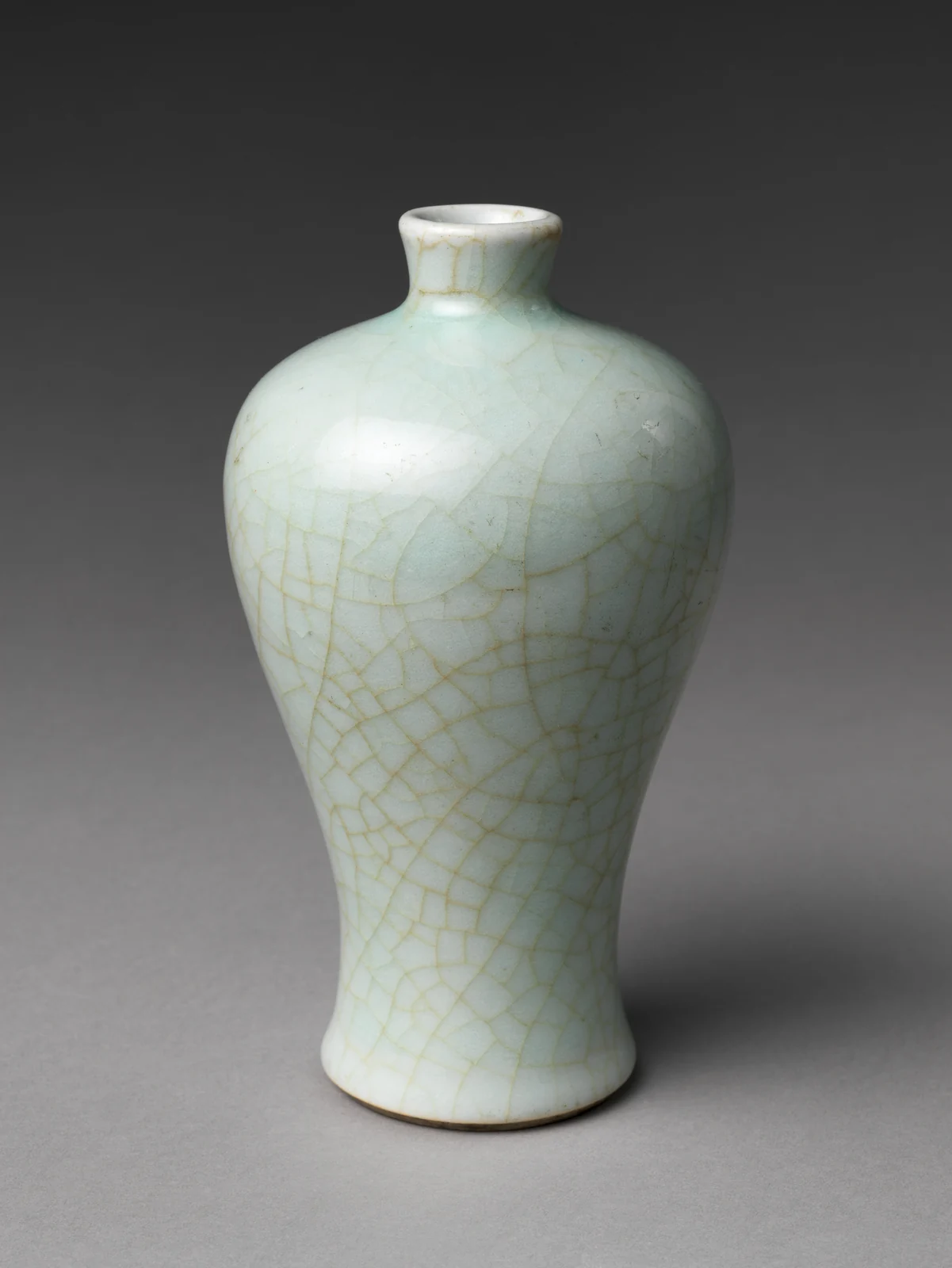
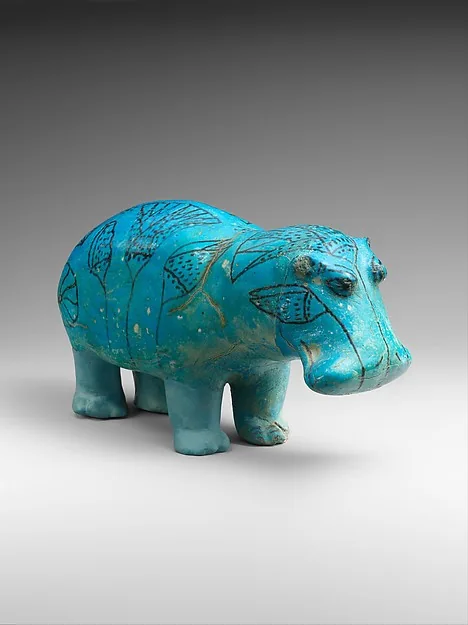
First describe the profile: base, body, opening, handles and any lid. Then examine decoration: relief, incisions, colour and glossy or matt surfaces. Glazing and painting name different operations. Photograph only where permitted and distinguish case reflections from decorative effects. A reverse or base may carry a mark; find a catalogue view instead of handling the object.
Connect the object to a documented use
A bowl may be practical, ceremonial, decorative or made for exhibition. Its silhouette alone does not decide. Look for recorded commissions, archaeological context or use. Compare two objects through a stable criterion, such as form or process, then explain differences in context. Do not assume a small object is a toy or a vase is necessarily meant for flowers.
Build a route between traditions
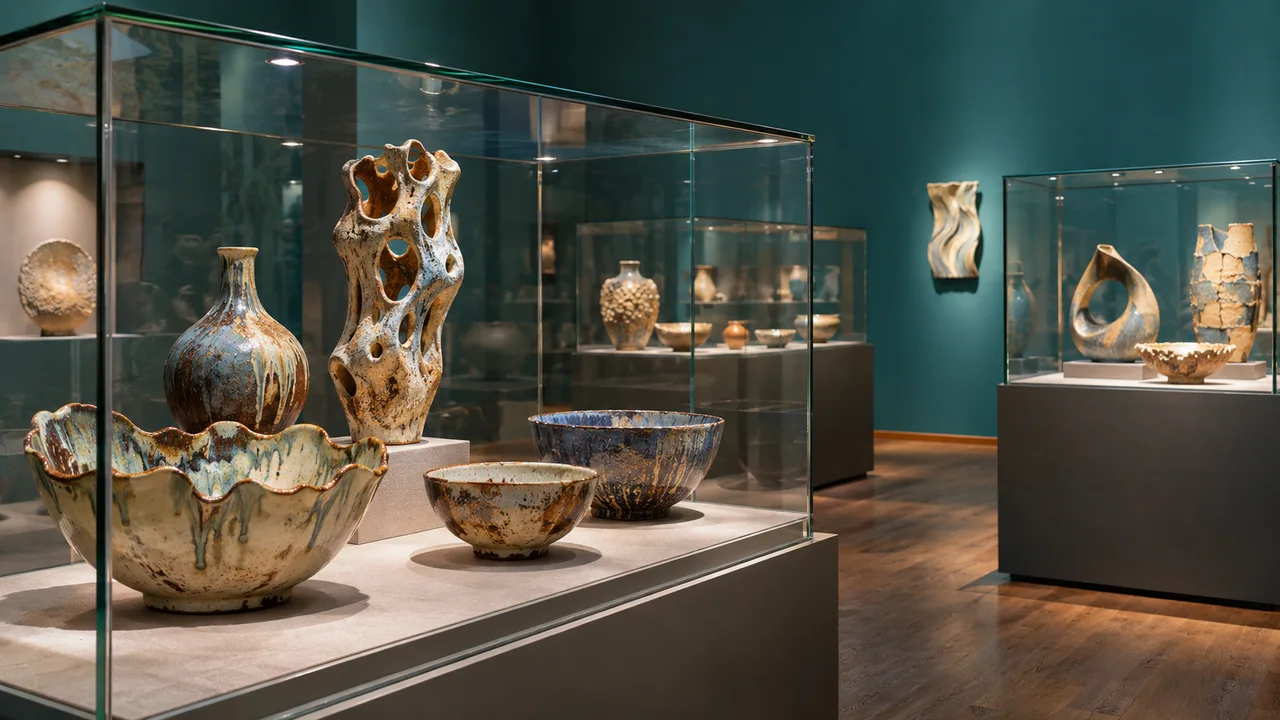
The V&A ceramic collection connects European, Chinese, Japanese and Middle Eastern production, alongside contemporary studio work. Use these groups to compare a process in specific contexts. Record each object’s place, date, known maker or workshop and inventory number. Visual resemblance can raise a question about the circulation of forms; it does not prove influence.
Common questions
Is glaze always present?
No. Describe the visible surface and check the materials in the record.
Does a mark establish a certain attribution?
Interpret it with the object’s documentation: date, workshop and any later marks.
Can a photograph identify the firing conditions?
A photograph cannot reconstruct manufacture parameters. Consult published technical studies.
Method and references
Reading advice and exercises written for this guide. The references extend the documentary and technical explanations. Check visit conditions with each institution.
Continue reading
- Painting techniques: material, support and layers
- Conservation and restoration: the material lives of artworks
- Reading an artwork label: artist, date, technique and attribution
- Explore : Ceramics: clay transformed by fire.
- Explore : Design and decorative arts: reading objects beyond their use.
- Explore : Sculpture: form in space.