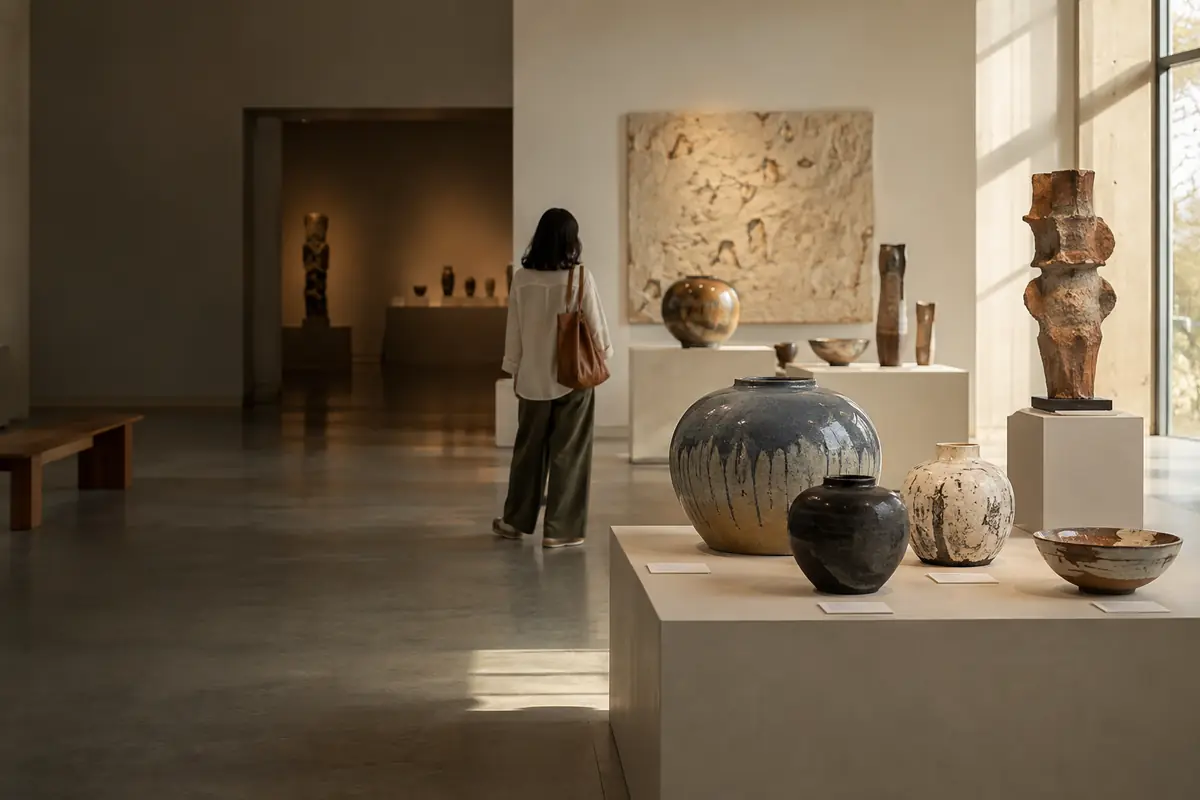
Visitor in a ceramics gallery with glazed vessels and sculptural clay works

Ceramics and fired arts

Ceramics: clay transformed by fire.

From useful vessel to sculpture, clay connects making, technique, surface and exchange between cultures.
194 Directory56 countries

Ceramics and fired arts

Look beyond the decoration

Form can reveal throwing, hand-building, moulding or assembly. A rim, base or finger mark may offer clues to an object’s intended use.

Firing changes clay. Earthenware, stoneware and porcelain differ in body, temperature and vitrification as well as appearance. Glaze can protect, colour or transform the surface.

Art guide

Three questions for an object

From useful vessel to sculpture, clay connects making, technique, surface and exchange between cultures.

01

Body

Study the colour, texture and porosity of the ceramic material, sometimes visible at the base.
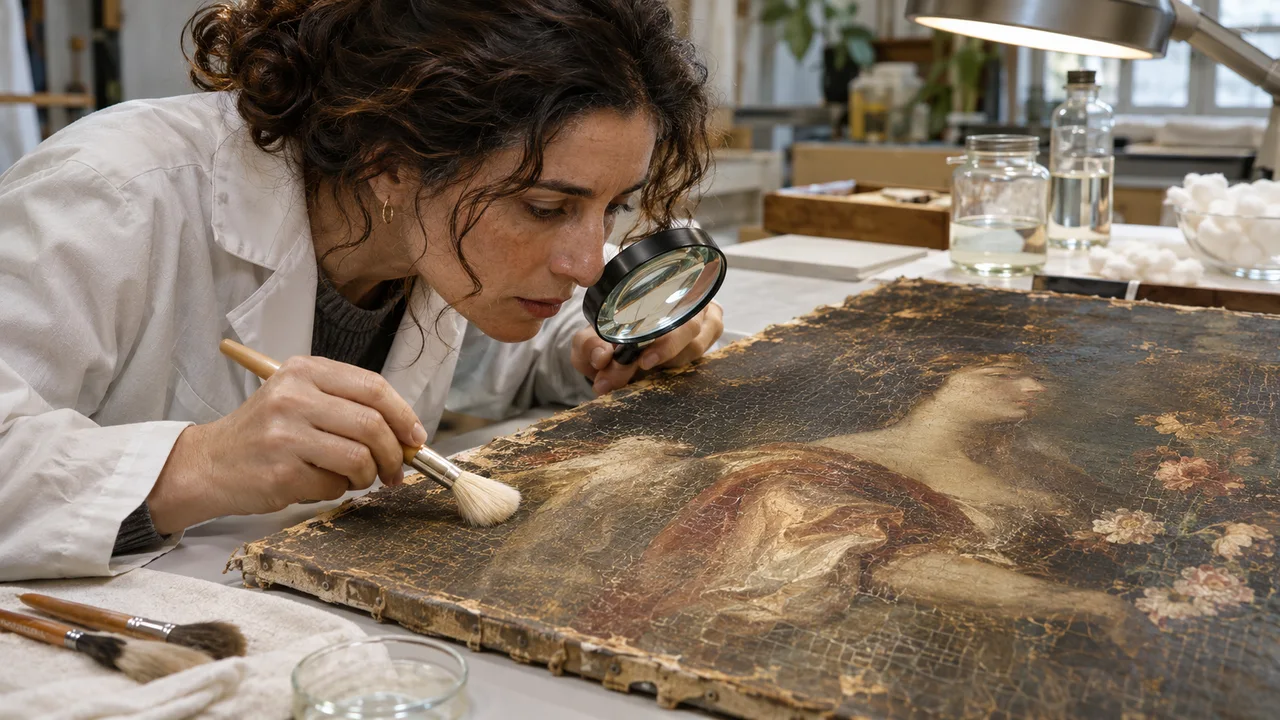
AI-generated illustration
02

Form

Compare profile, opening and apparent weight to consider use, display or experiment.
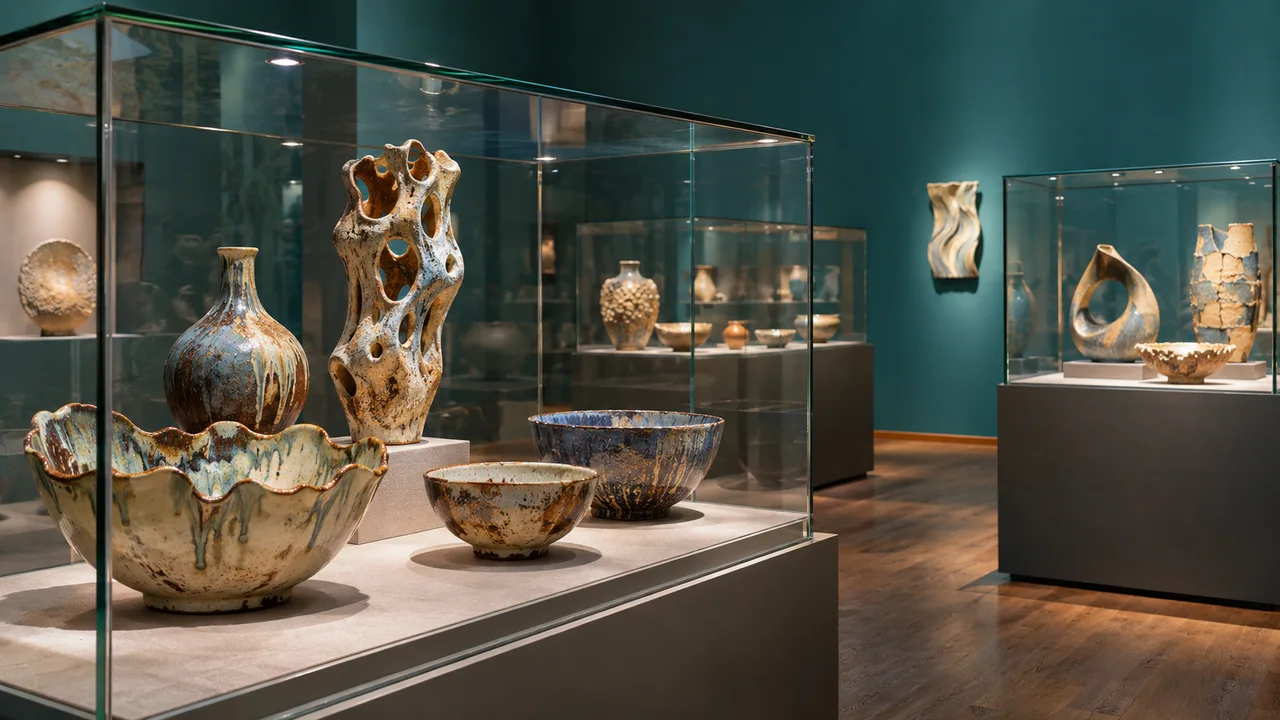
AI-generated illustration
03

Surface

Look for relations between slip, glaze, painted decoration, relief and firing marks.

Ceramics and fired arts

A route through a collection

  1. 01

    Start with form

    Describe silhouette and proportion before reading the label.

  2. 02

    Identify technique

    Compare two bodies or glazes from different places or periods.

  3. 03

    Find context

    Check use, provenance, workshop and circulation in the museum record.

Glossary

Useful terms

Technique clarifies choices of making while observation remains central.

AI-generated illustration
Earthenware
A porous fired clay body commonly made watertight with glaze.
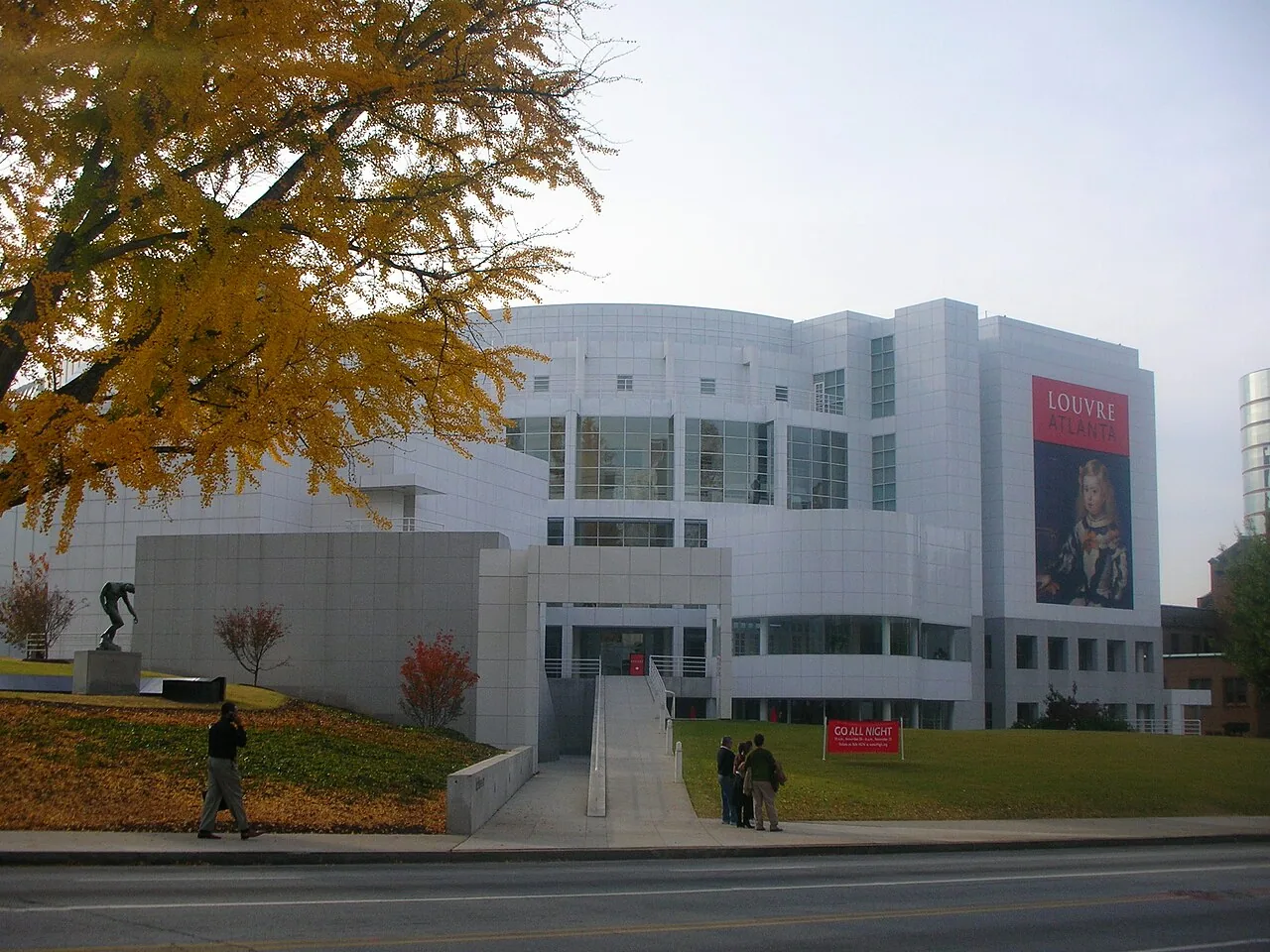
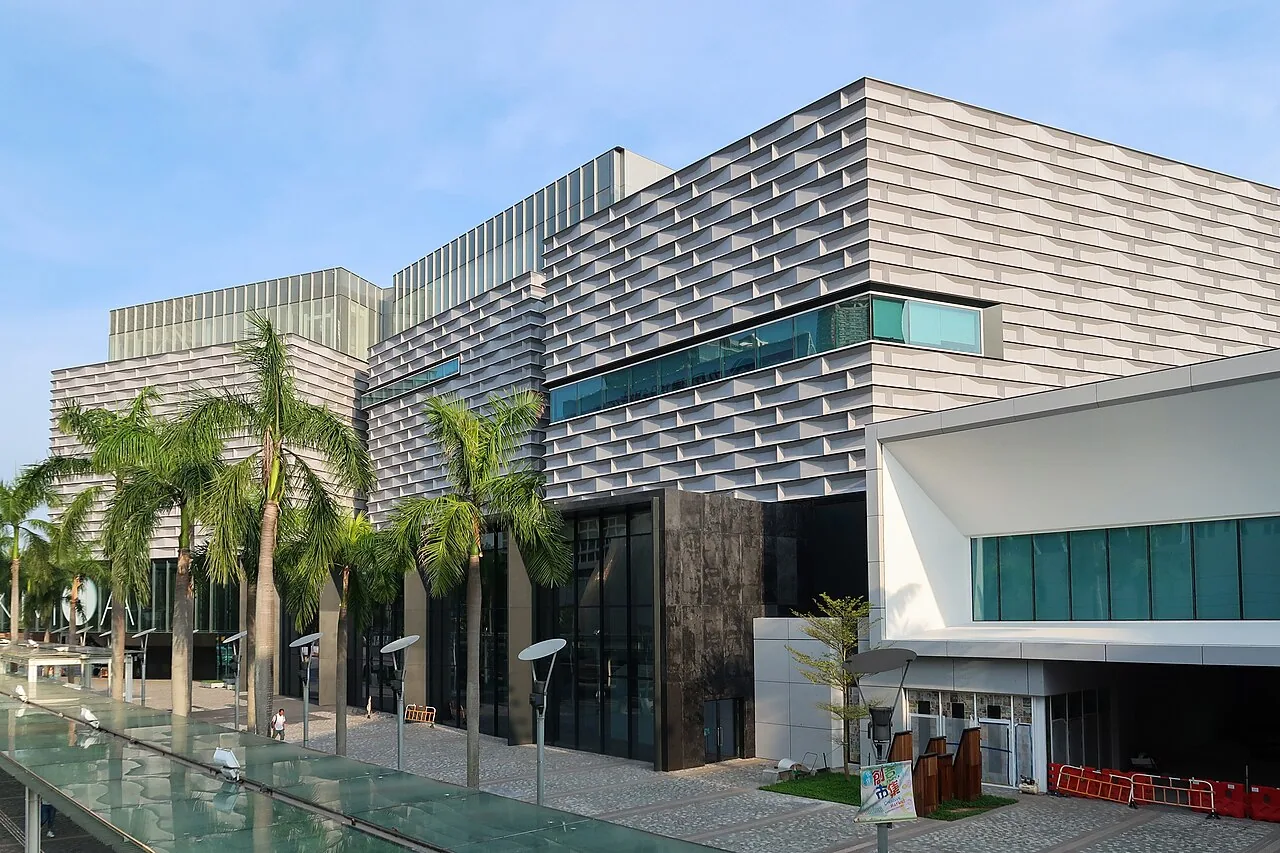
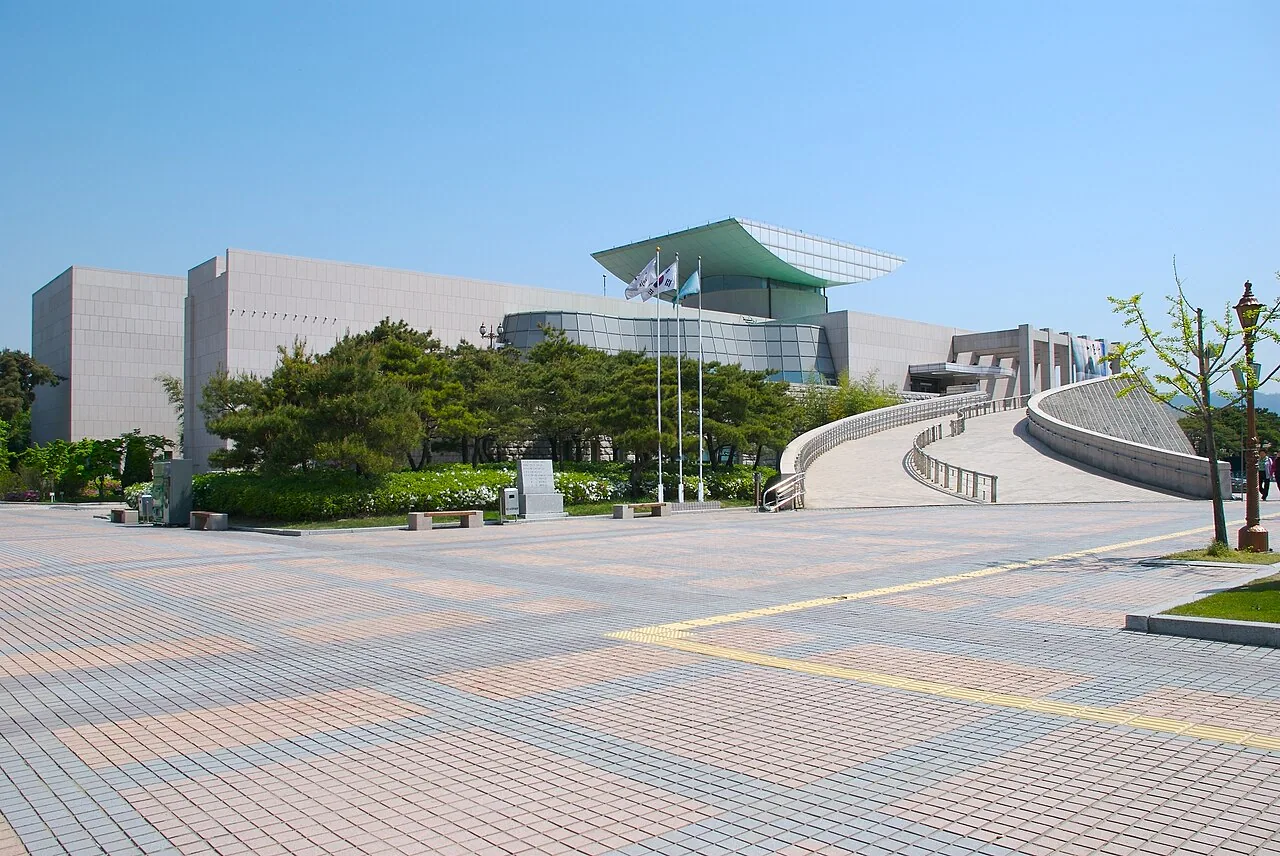
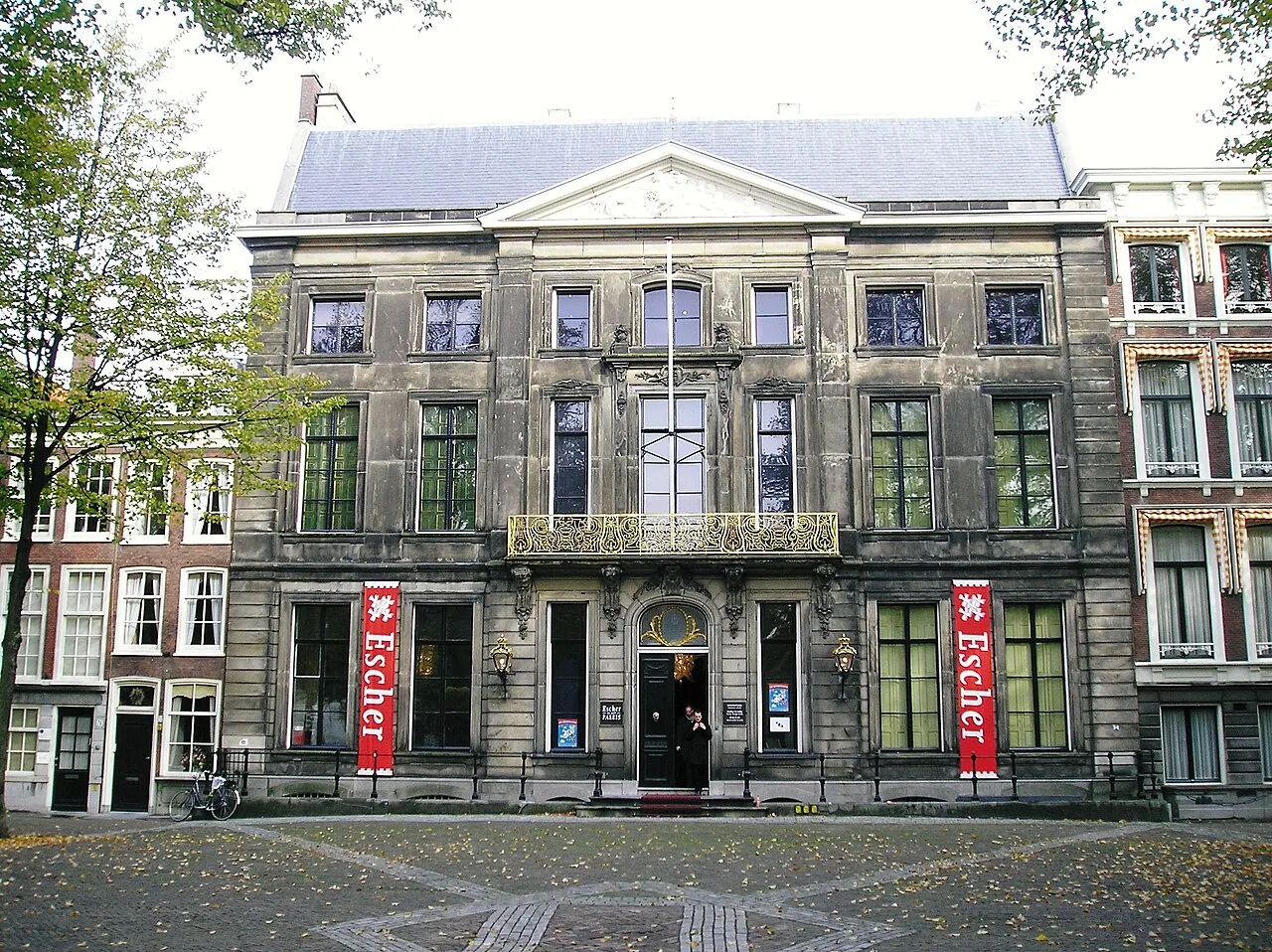
Archive photograph associated with High Museum of Art
Atlantacitizen at the English-language Wikipedia
Stoneware
A dense, usually vitrified ceramic body fired at high temperature.
AI-generated illustration
Porcelain
Ceramic made from a particular clay mixture and fired at high temperature.
Ceramics and fired arts

Questions about ceramics

Understand earthenware, stoneware, porcelain, glazes and the place of ceramics in art collections.

01Is porcelain always older than stoneware?

No. Their histories differ across regions; date and origin must be checked for each object.

02Must ceramics be functional?

No. Artists also use clay for sculpture and installation.

03Why examine the underside?

A base may reveal the clay body, workshop mark or firing traces.
Destinations

Explore the directory by country

Countries and matching places in this directory selection.

Looking workshop

Reading ceramics: form, surface and use

Start with the silhouette, then examine the relationship between body, decoration and function. A glossy surface cannot by itself identify a clay body, workshop or date.

Four observations before attribution
Reference pointWhat it changesWhat to observe
ProfileOpening, body, foot and handles balance stability, handling and presentation.Was the object made to hold, pour, display or occupy space?
Body and surfaceDescribe the ceramic body separately from its coating. Some areas may remain unglazed.Does the record name both the material and the decoration technique?
DecorationPainted motifs, relief and glaze colour result from different actions.How does the decoration follow or transform the volume?
ContextDocumented functions and circulation connect objects with people, workshops and uses.What is known about production, use and entry into the collection?

A question to start with

Do two blue-and-white objects necessarily share an origin?

Explore a way of reading

Compare body, technique, form and records before concluding. Colour schemes can circulate between workshops and cultures. Neither a colour nor a motif establishes origin by itself; marks can also be imitated or reused.

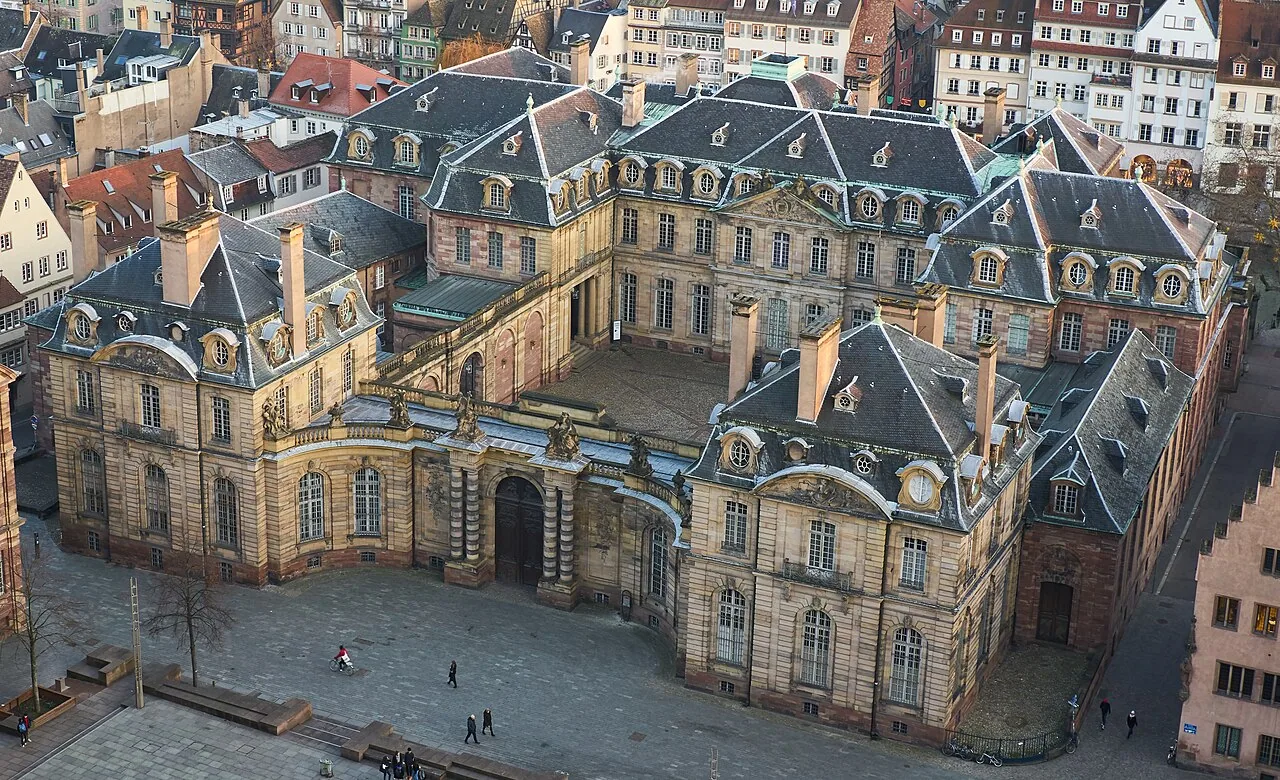
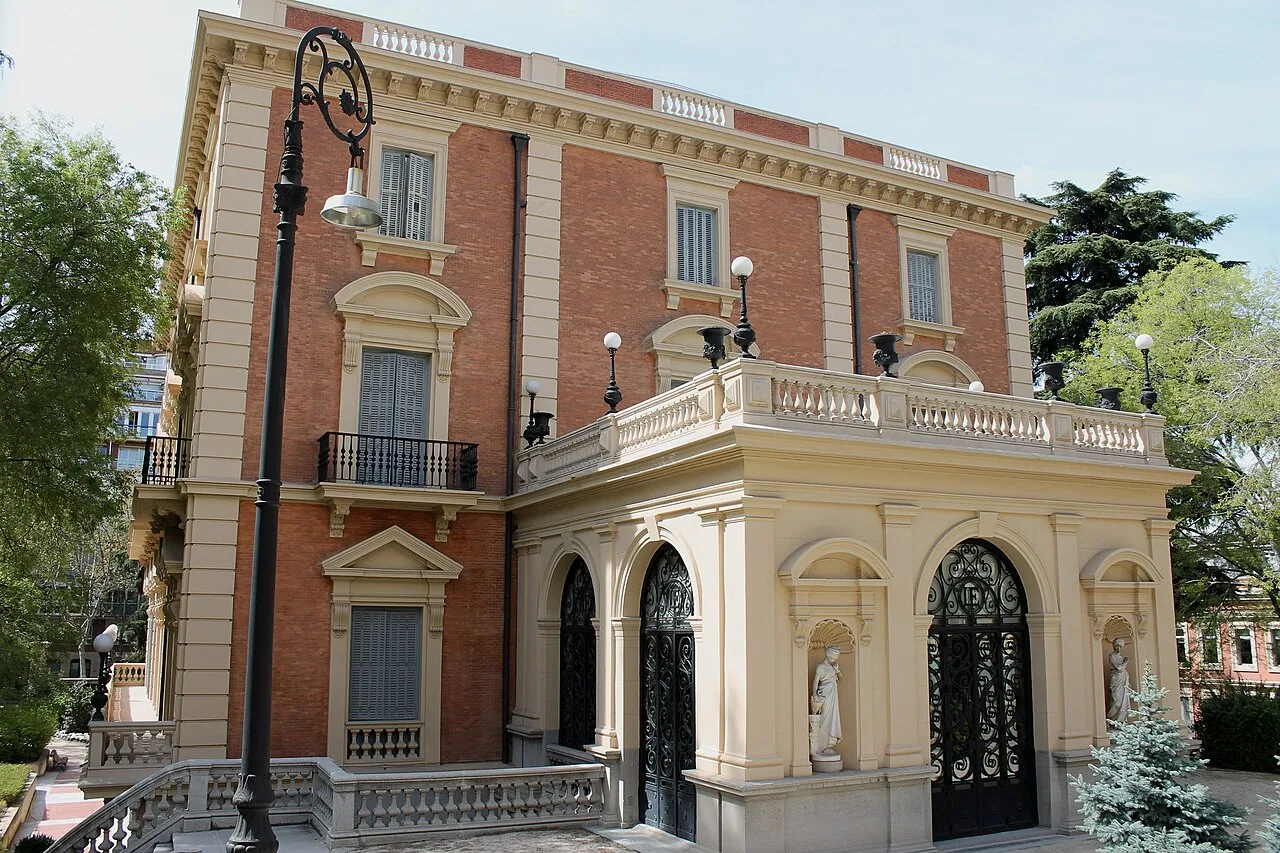
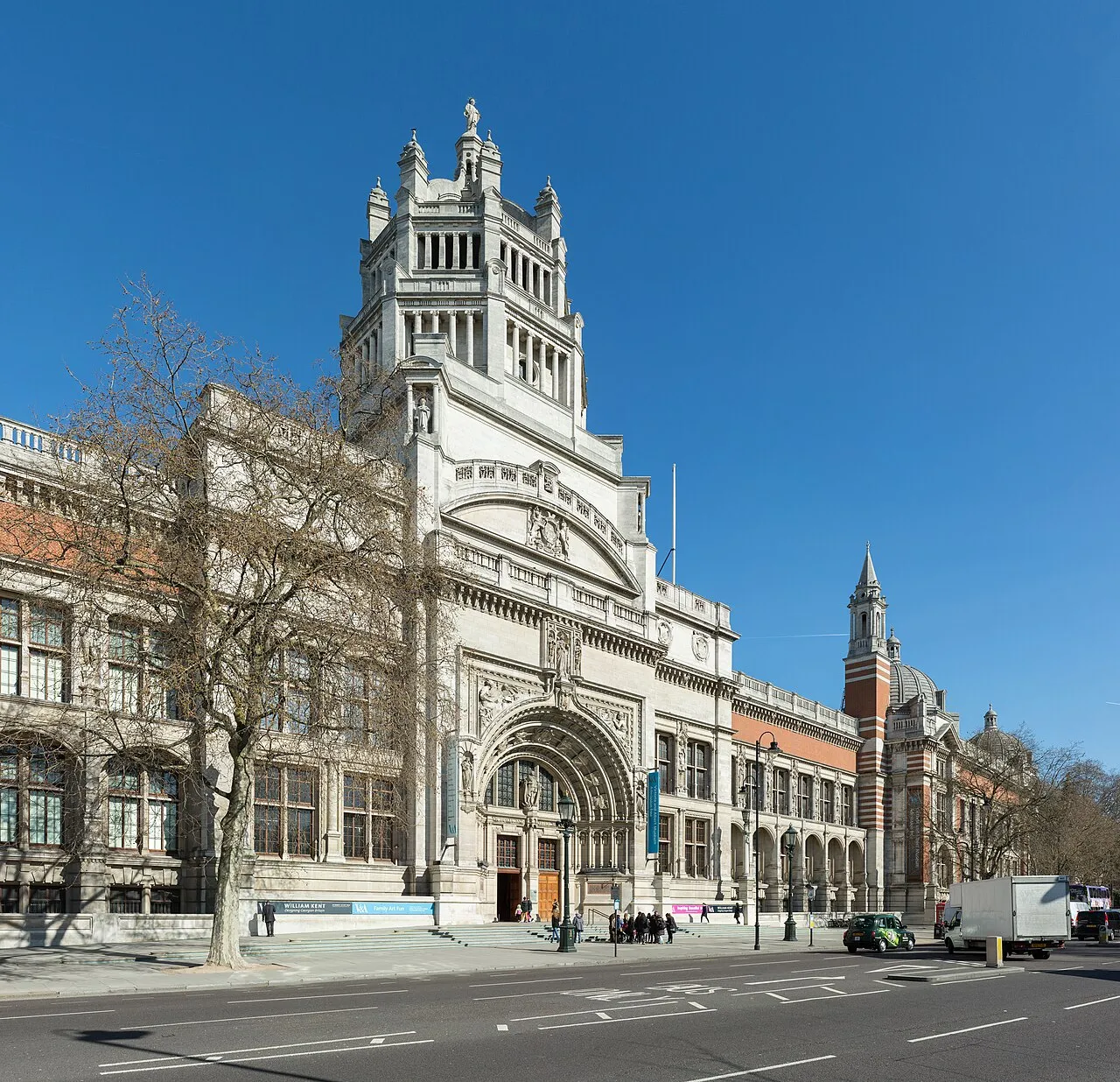
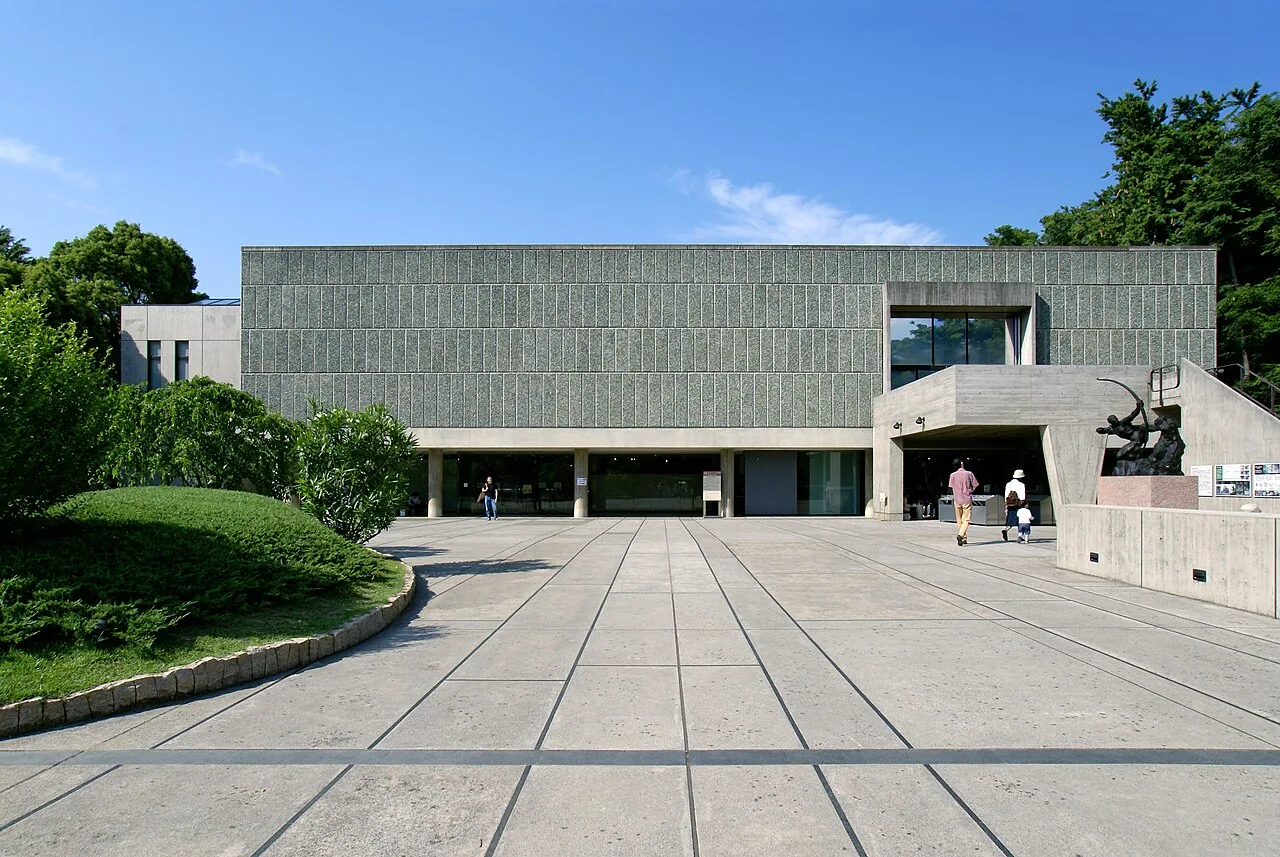
Victoria and Albert Museum in London, United Kingdom

The place in pictures

Victoria and Albert Museum

The V&A catalogue connects forms with object records. Check gallery display information and visitor arrangements separately.

Photograph of the place; the works discussed above are not pictured.

Archive photograph · DAVID ILIFF · CC BY-SA 3.0 · WebP; adapted display crop.

Read the museum profile →

Collection

Look at a documented artwork

Specific objects connect techniques, history and collections. These records do not guarantee that works are currently on display.

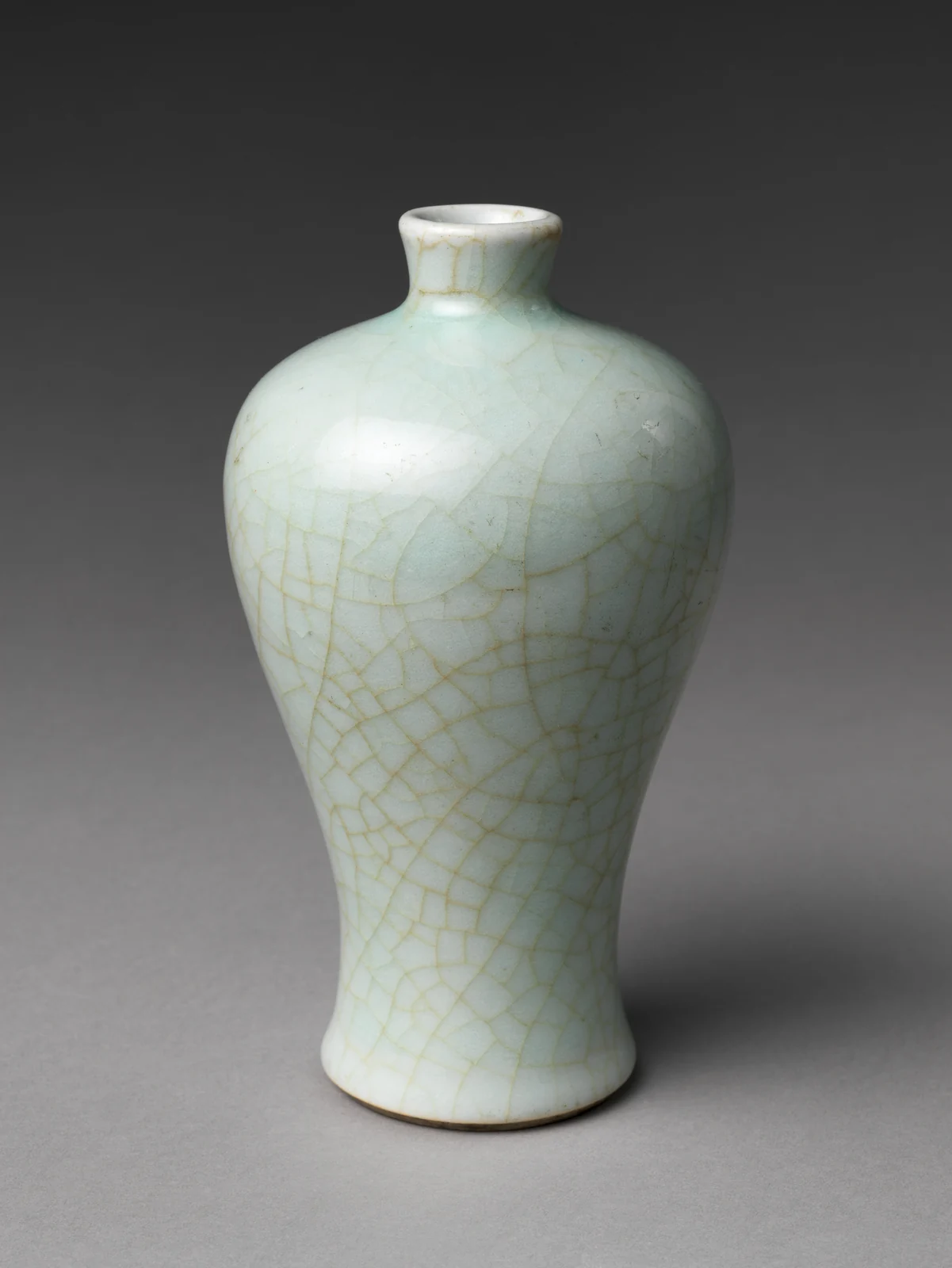
Small pale-green vase with broad shoulder, narrow neck and crackled glaze.
The Metropolitan Museum of Art · CC0

Vase in Meiping Shape

Date
18th century
Medium and origin
Porcelain with celadon glaze, Jingdezhen, China
Dimensions
12.7 × 8.3 cm
Inventory number
14.40.8

The record distinguishes meiping shape, porcelain body and celadon glaze. Observe the glaze crackles and the transition from broad shoulder to narrow neck. The measurements give height and diameter: this small vase should not be imagined at the scale of a monumental jar.

Museum record ↗ — Vase in Meiping Shape

Explore the museum — The Metropolitan Museum of Art →

Data consulted on .

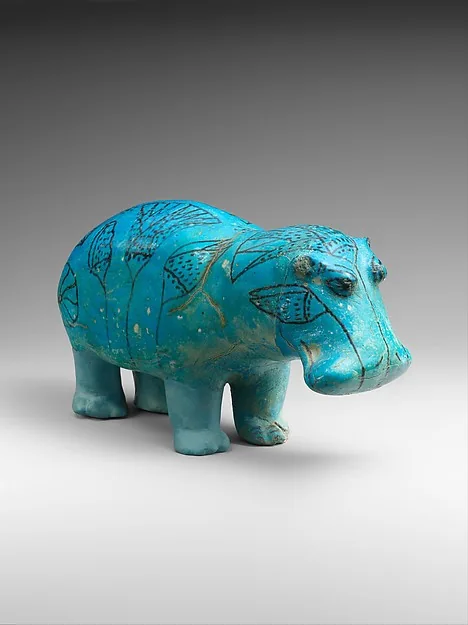
A turquoise-blue hippopotamus decorated with dark plant motifs.
The Metropolitan Museum of Art · CC0

Hippopotamus, known as William

Date
About 1961–1878 BCE
Medium and origin
Egyptian faience
Dimensions
20 × 7.5 × 11.2 cm
Inventory number
17.9.1

The figurine’s Egyptian faience is a ceramic material based on ground quartz, distinct from clay-based earthenware. Painted lotuses evoke the animal’s river habitat. The record connects the object to Senbi’s burial equipment at Meir and identifies three restored legs: material, find context and conservation history are separate questions.

Museum record ↗ — Hippopotamus, known as William

Explore the museum — The Metropolitan Museum of Art →

Data consulted on .

Open Access reproduction · CC0. Resized and converted to WebP, without cropping. Translated title; the museum record retains the reference title.

Compare artworks: what changes your reading

Practical distinctions to check in collection records and observe during your visit.

Comparison for looking at art
DistinctionReading pointQuestions to ask
Body and surfaceThe ceramic body and its coating serve different functions. A record may distinguish clay, glaze, enamel and decoration.Which materials does the technique identify? Is the foot or an uncoated area visible?
Shape and functionA vessel can combine use and formal exploration. Describe volume, opening, grip and stability before assigning a specific function.Is the function documented? Can you understand the different sides?
Single object and setAn object may belong to a service, series or production context. Isolated display cannot reconstruct the whole.Are associated objects known? Do marks and history identify a maker or workshop?
Photographs: sources and licences

Archive photographs. WebP conversion and adapted cropping; social previews include the site logo. Images do not guarantee current conditions.