Art guide
Why discover this place?
This page provides a stable editorial reference. For hours, prices, temporary exhibitions, access and booking, always check the official source.
Official website
Paris · France
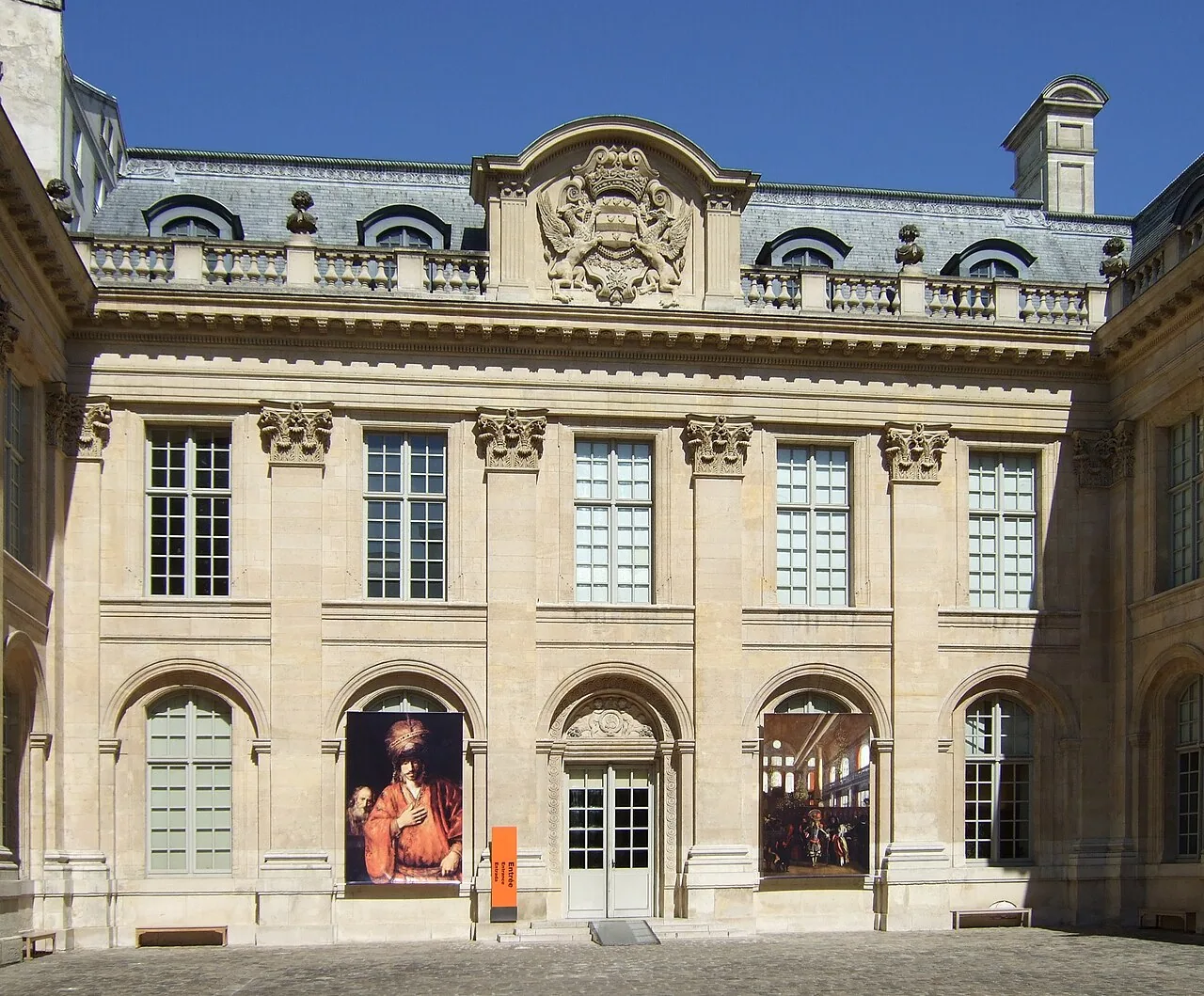
A former royal palace turned universal museum, the Louvre spans almost ten millennia of art history.
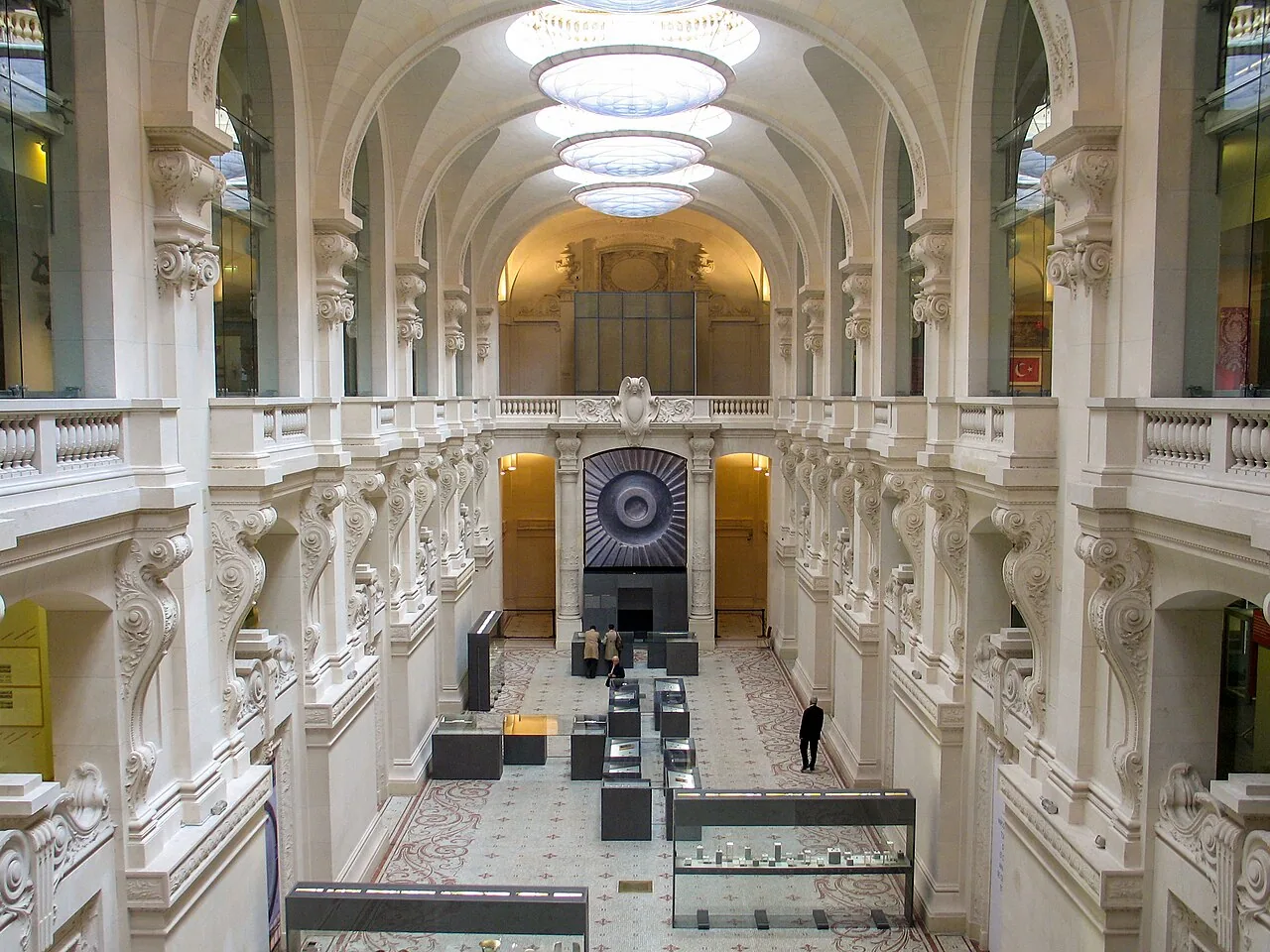
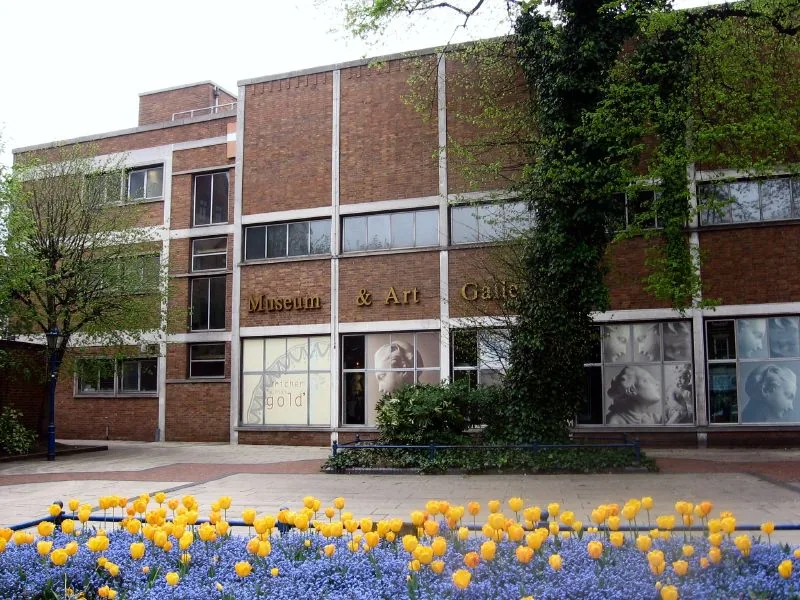
Archive photograph · Beckstet · CC BY-SA 3.0 · WebP; adapted display crop.
Compare museums and galleries →
Art guide
This page provides a stable editorial reference. For hours, prices, temporary exhibitions, access and booking, always check the official source.
Official websiteReading route
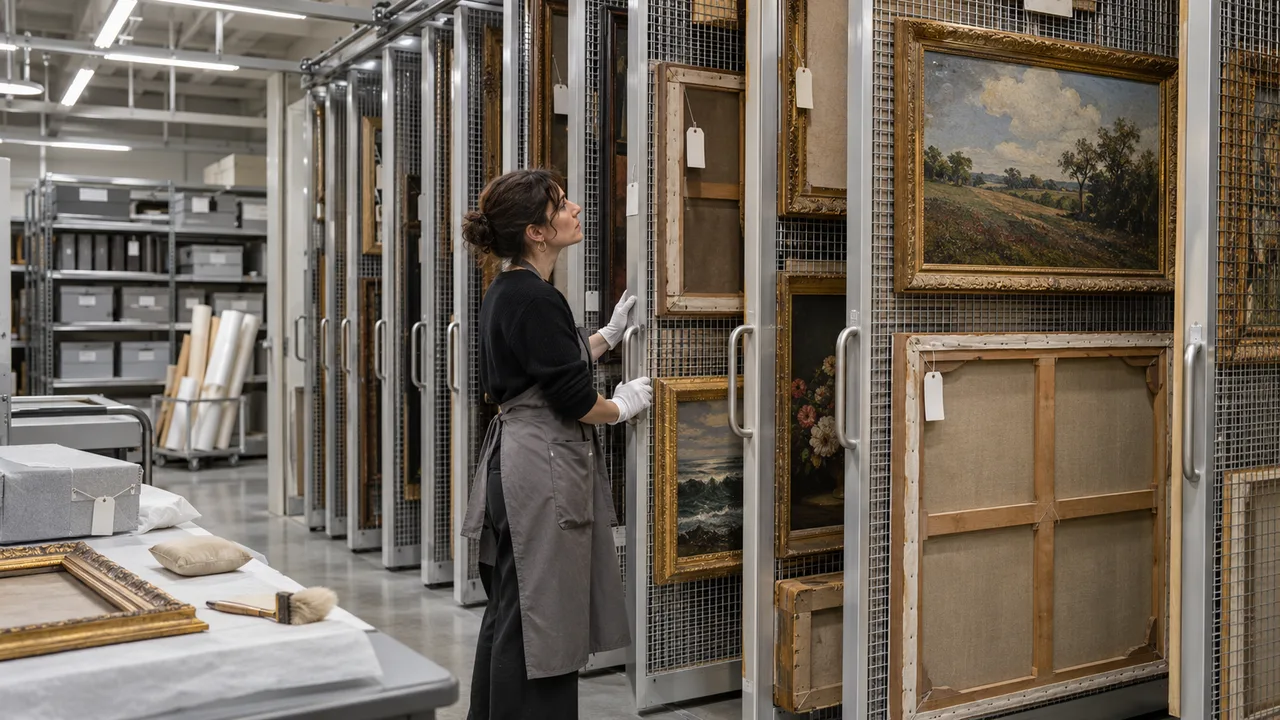
The Louvre catalogue also documents works in storage, on long-term loan or attached to Musée Delacroix. A record is therefore not a promise that an object can be seen in the palace. Before planning your route, note its location and department. This distinction matters particularly when looking for a specific work: documentary research can succeed even when seeing the object in a gallery is impossible.
Choose a simple question, such as how a human figure occupies space. Find a sculpture, painting and ancient object, then compare format, material and documented use. This is a reading exercise proposed by our guide; it implies neither a common origin nor influence between works. Note what is visible and separate it from information learned in the record.
For each selected object, keep title, inventory number and permanent link. Write one observation about silhouette, another about surface and a third about viewpoint. In person, compare expectations with actual scale: a reproduction does not provide the sensation of volume, distance or texture. If an object is absent, retain the documentary comparison and choose another work from the same department.
The database offers advanced search and filters for date, collection, category, maker and location. Its plan locates displayed works. Then consult the museum’s visitor information to confirm access. We suggest limiting the initial selection to a few objects and reserving time to revisit them: a second observation often reveals a detail missed on the first pass.
Choose a catalogue object and record its number, documented location and permanent link. Then plan the visit using the museum’s opening information. A record, image and department do not confirm that the object will be visible during your visit.
Reading exercises: WORLD ART GALLERIES editorial team. Documentary reference : Louvre — About the collections website. Source consulted on .
The catalogue includes works on display, in storage or on long-term loan, and MNR works recovered after World War II. A record alone therefore establishes neither ownership status nor display availability. Keep its persistent ARK link and read the location and status fields.
These attributions may concern different stages or buildings. Consult the source for context. Wikidata ·
Name in the source : Louvre Museum · Wikidata ·
Data retrieved : · Wikidata — View source
Coordinates locate the institution; they do not guarantee the location of an accessible entrance.
Wikidata ·
Explore the online collection ↗Destinations
Straight-line distances calculated from coordinates published in Wikidata; they are not travel distances. Check the address and access on each institution’s website.
Look more closely
Choose a reading method to prepare your observations and consult the museum’s object records.
Understand an object’s information without confusing observation, documentation and questions still under discussion.
Read the guide →Observe how an image is made and compare its material effects without diagnosing a work remotely.
Read the guide →Move beyond a frontal image to observe silhouettes, gaps and the relationship with a setting.
Read the guide →Distinguish printing matrix, impression and edition to understand printed images.
Read the guide →Directory
Other places in this directory sharing its city, country or specialisms.
Collections and practices
These specialisms provide an editorial overview of the collections and programme, helping to place the institution before checking its official listings.
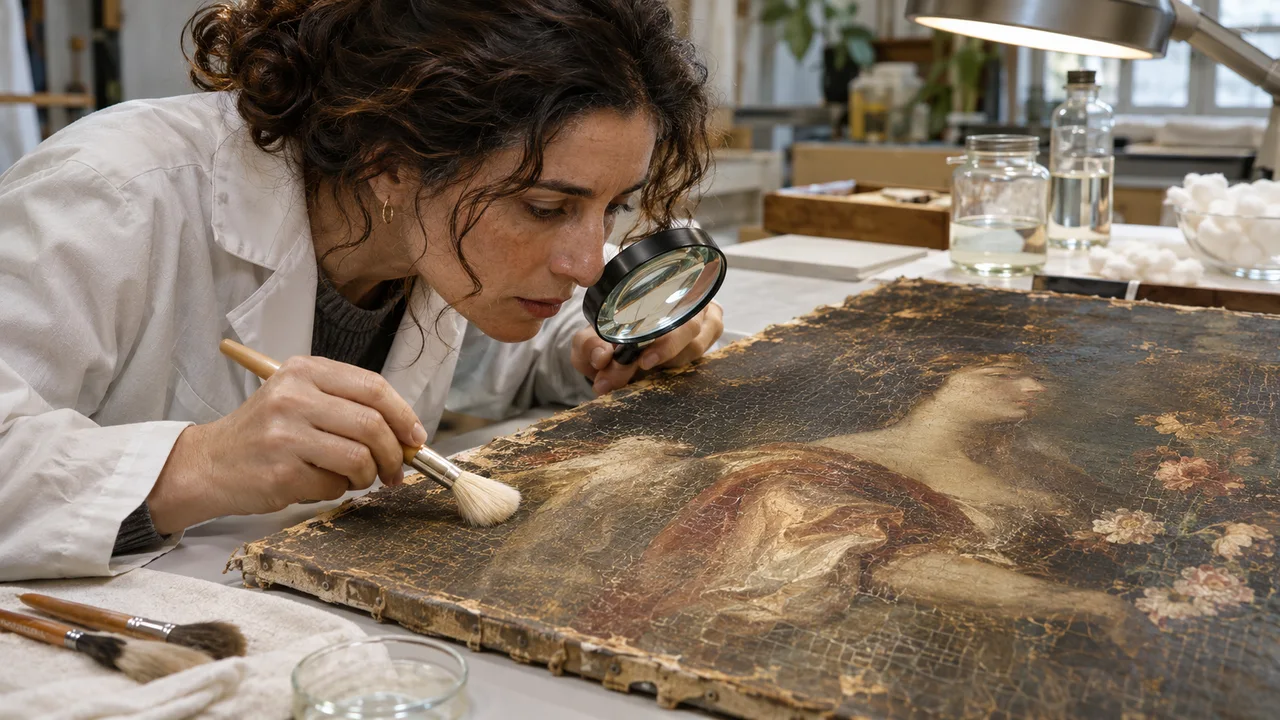
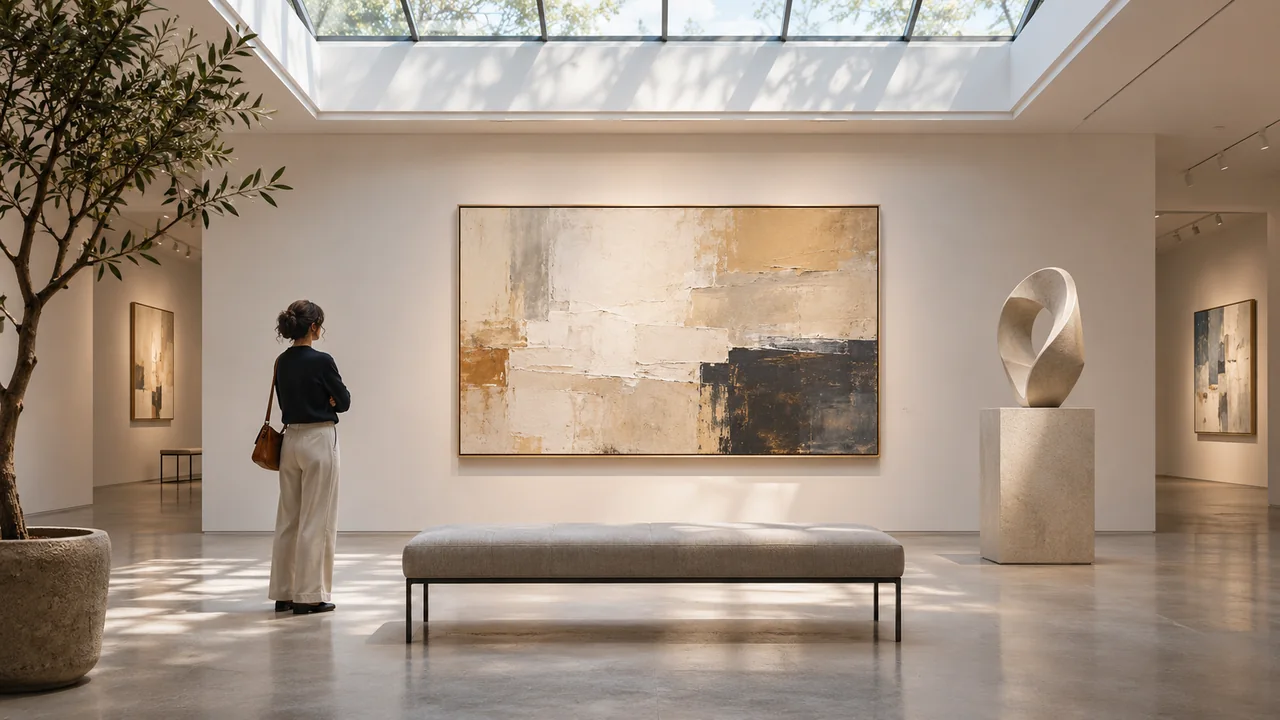
Look at colour, composition, supports and gestures across different periods of painting.
Find more places for Painting →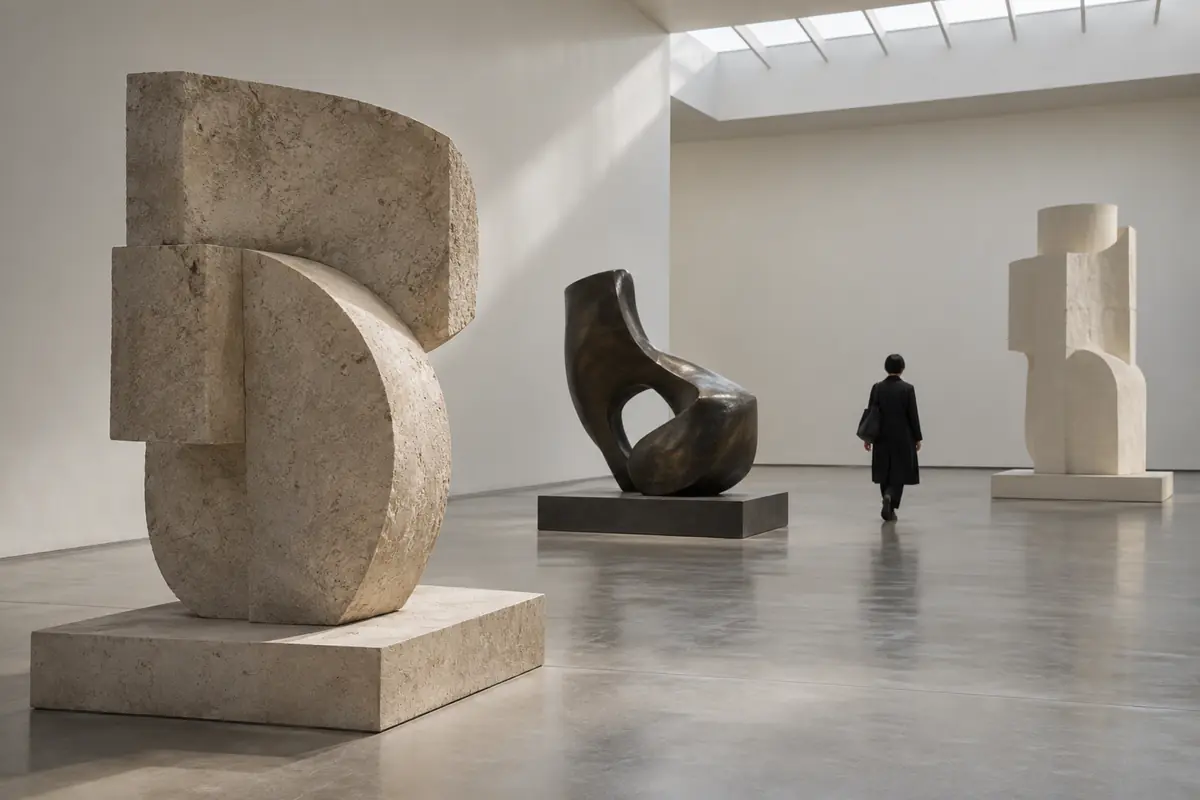
Discover how material, volume, void and scale transform our relationship with space.
Find more places for Sculpture →
Connect objects, beliefs, techniques and societies across ancient cultures.
Find more places for Antiquities →Understanding the visit
There are many ways to discover Musée du Louvre: follow a chronology, choose one discipline, seek out a few works or simply wander. In Paris, a flexible plan and a selective visit are often more rewarding than trying to see everything.
Before travelling, use the official website to check open galleries, current exhibitions, closures and access. On site, spend time with a work, change your distance and notice details before turning to labels or interpretive material.
This page focuses on lasting information about the institution and its principal fields. It does not replace the practical guidance published by Musée du Louvre for tickets, hours, visitor services and current rules.
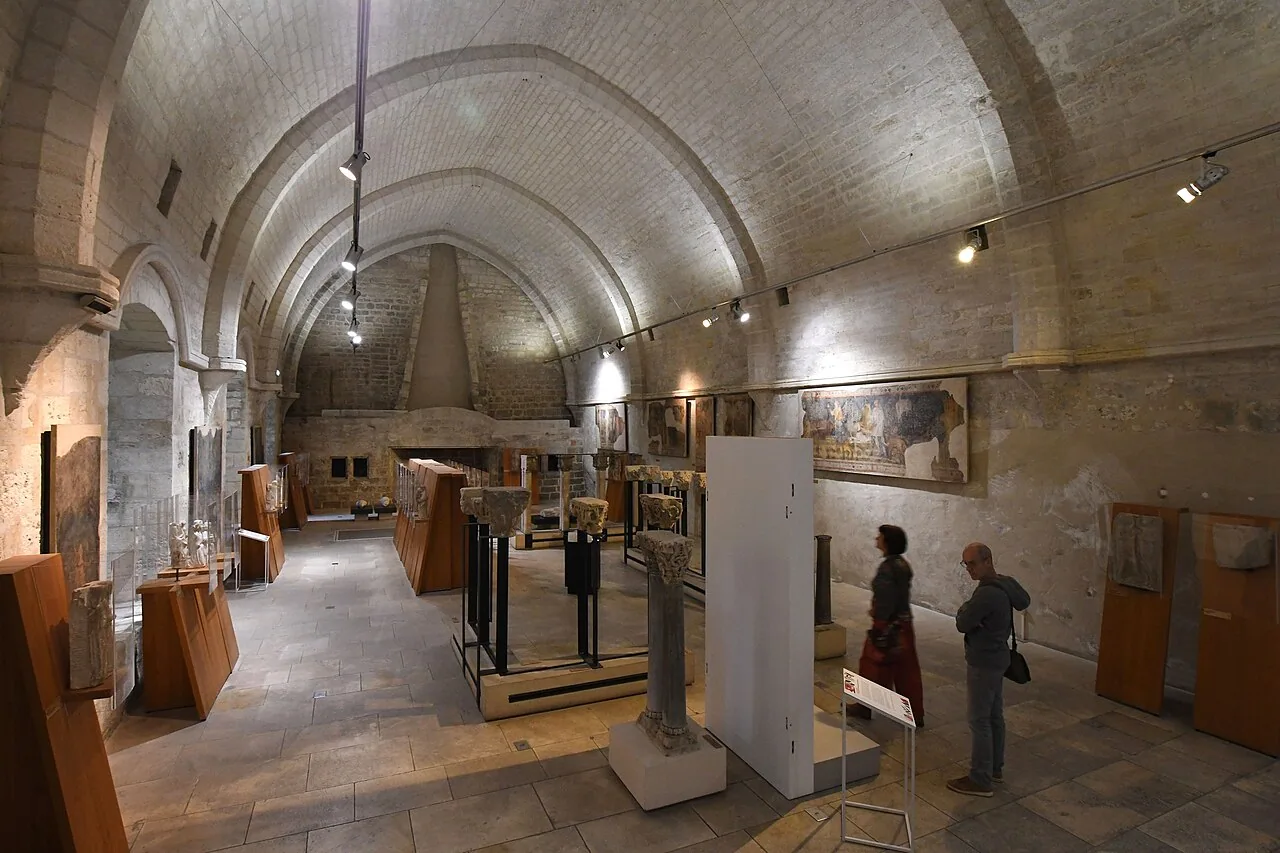
Archive photographs. WebP conversion and adapted cropping; social previews include the site logo. Images do not guarantee current conditions.