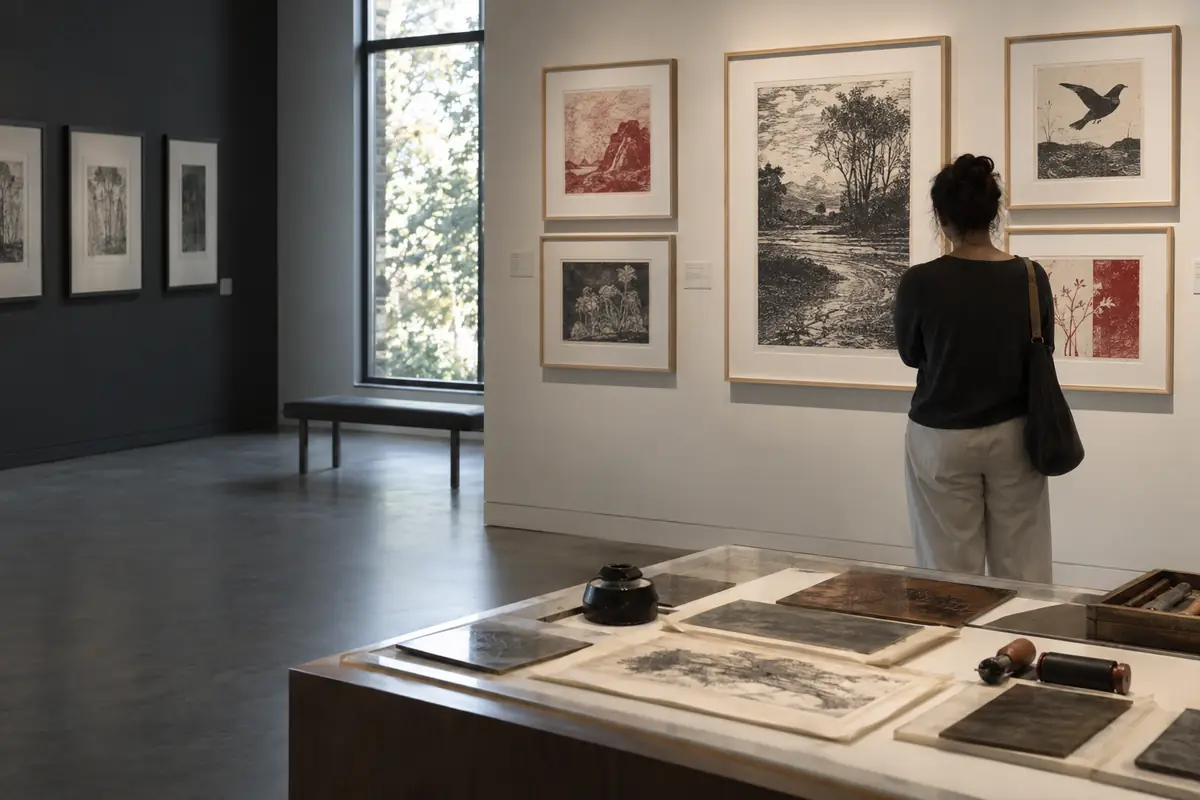
Visitor viewing prints and printmaking tools in a gallery

Printmaking and graphic arts

Printmaking: an image from a matrix.

An image moves from wood, metal, stone or screen to paper, and each process leaves distinctive traces.
124 Directory62 countries

Printmaking and graphic arts

Multiple impressions, original decisions

A print begins with transfer. An artist prepares a matrix, inks it and prints one or more impressions, sometimes with a specialist workshop.

An edition may vary by colour, paper, state or pressure. Edition details matter, yet texture, margins and the link between gesture and process deserve close attention too.

Art guide

Three families of process

An image moves from wood, metal, stone or screen to paper, and each process leaves distinctive traces.

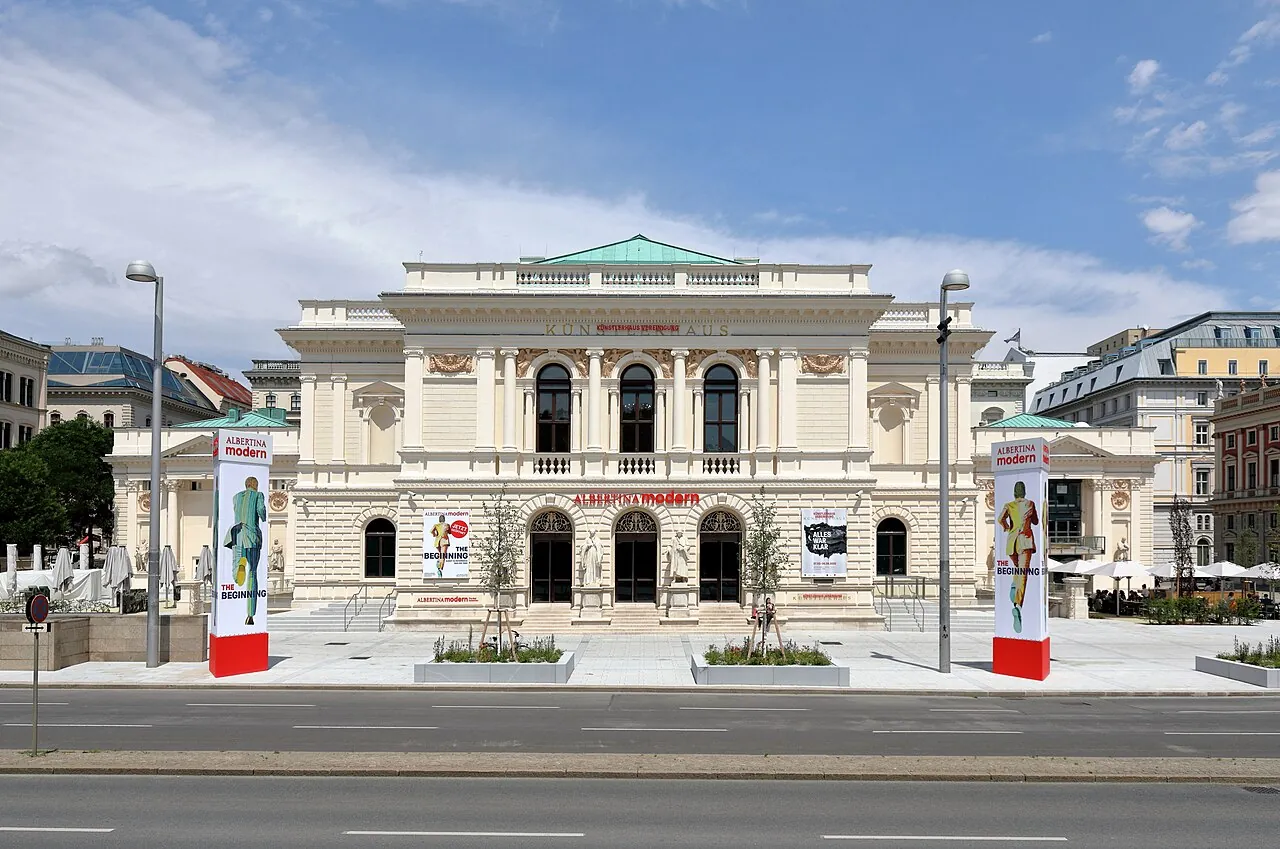
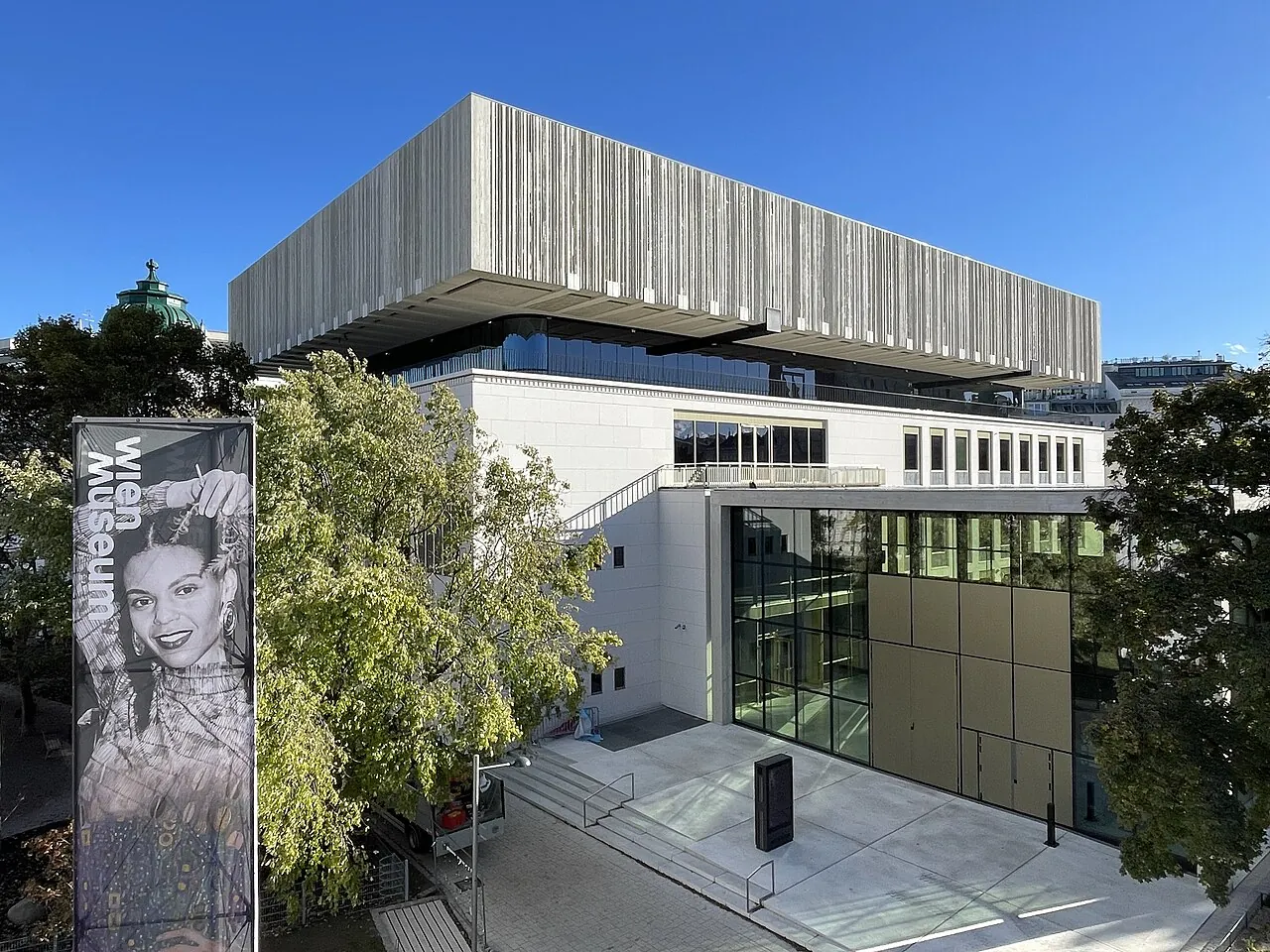
Wien Museum after reconstruction/extension shot from a raised platform
Christine Koblitz
01

Relief

In woodcut or linocut, the raised surface receives the ink.
AI-generated illustration
02

Intaglio

Ink sits in the recessed lines of an engraved or etched plate and transfers under pressure.
03

Planographic and stencil

Lithography and screenprinting use different ways to control where ink reaches the sheet.

Printmaking and graphic arts

Read a print record in three checks

  1. 01

    Process and matrix

    Record woodcut, etching, lithography or screenprint: these describe production, not a ranking of value.

  2. 02

    State and proof

    A state marks a change to the matrix. A working proof may document a decision before the final edition; compare records and images rather than inferring chronology from appearance alone.

  3. 03

    The particular impression

    Note sheet and image dimensions, paper, inscriptions, accession number and provenance. Two impressions from one matrix remain distinct physical objects.

Glossary

Print terms

Technical records help explain what the eye sees.

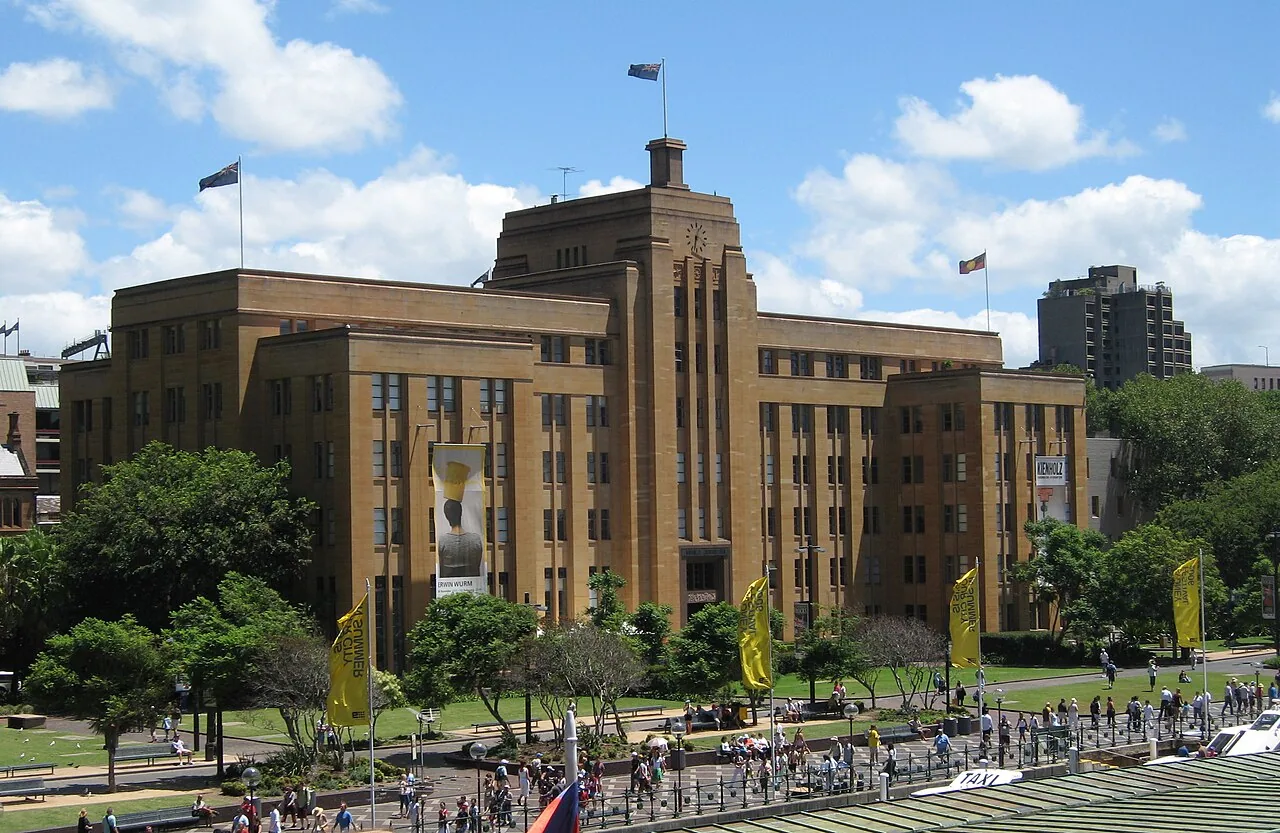
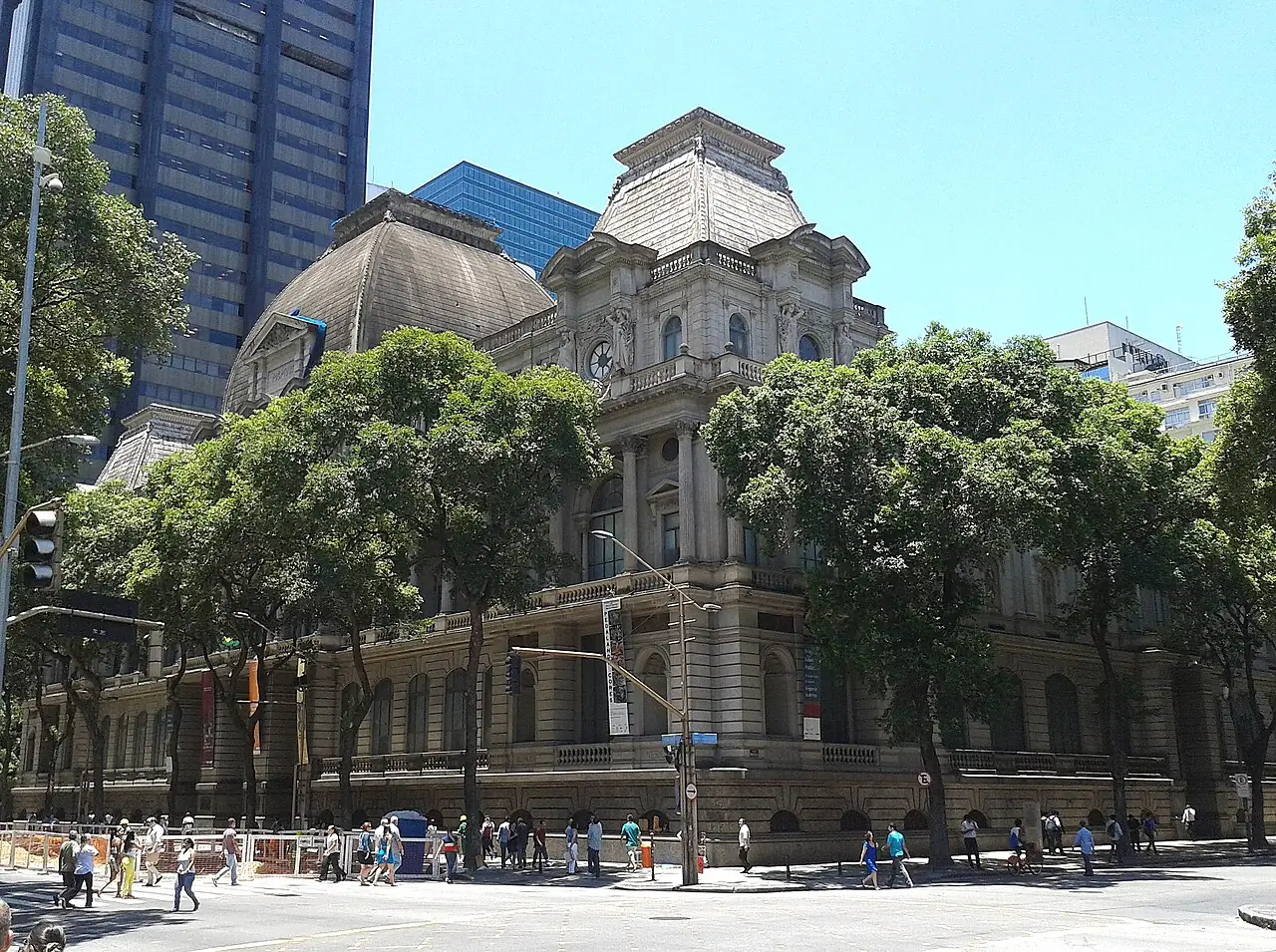
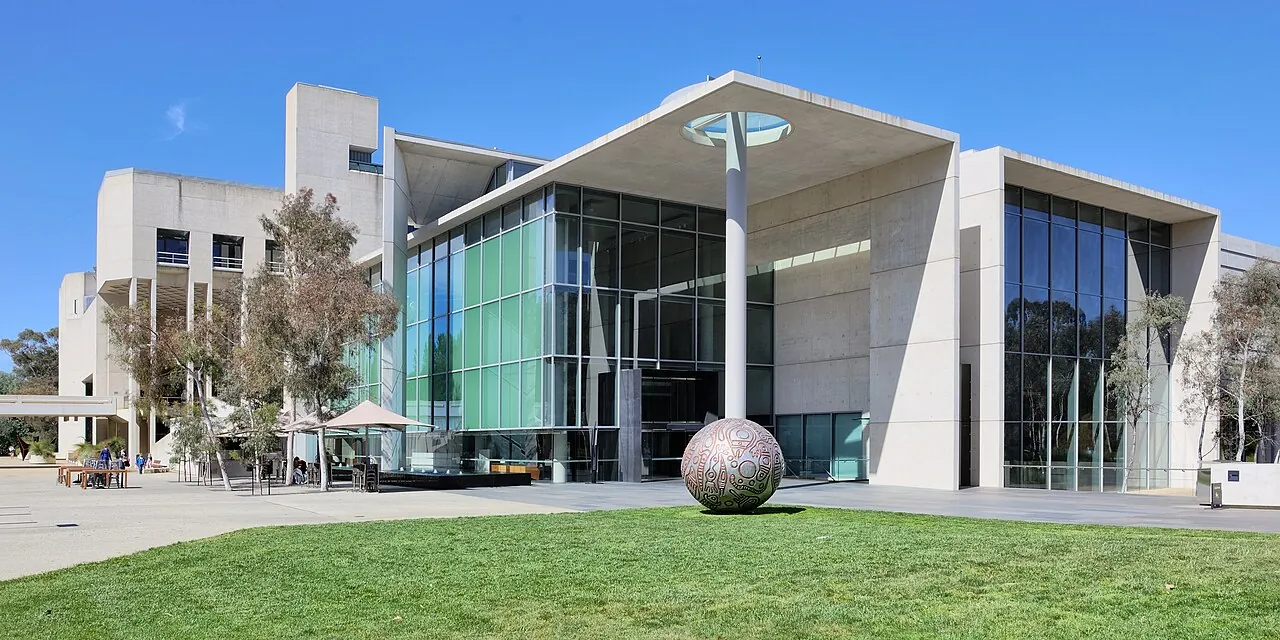
The National Gallery of Australia. Image taken from the south-west.https://searchthecollection.nga.gov.au/object/204779
Thennicke
Matrix
A prepared surface carrying an image before transfer.
AI-generated illustration
Impression
A sheet printed from a matrix.
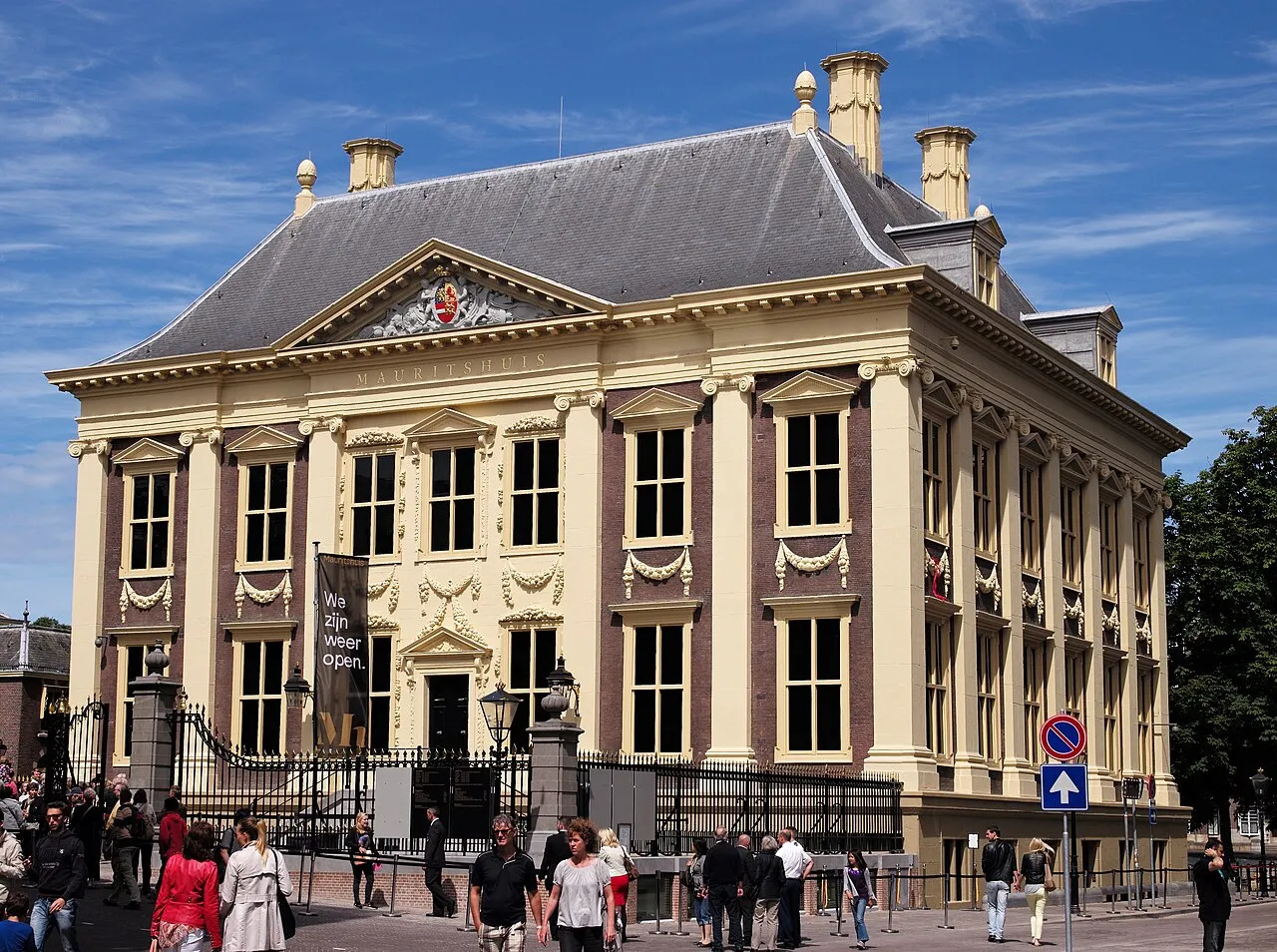
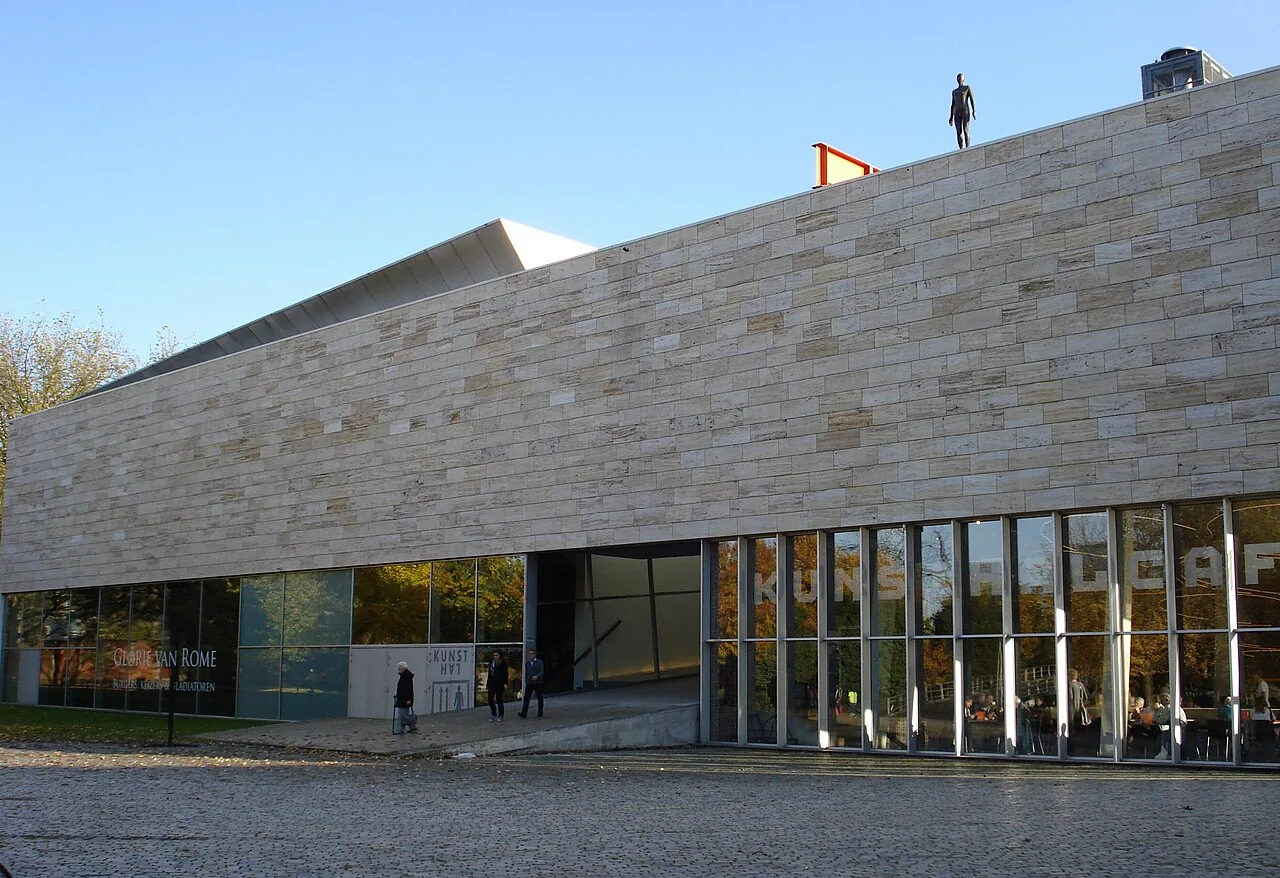
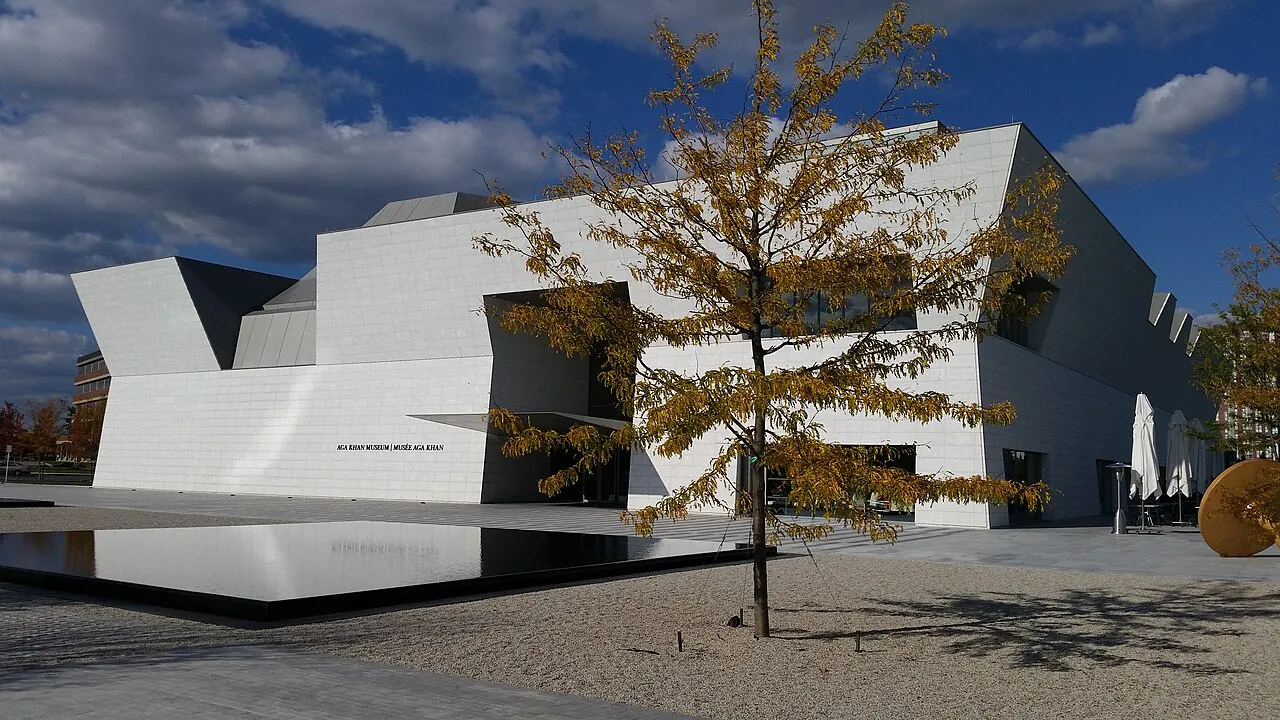
After extensive renovation, the Mauritshuis Museum in the Hague, the Netherlands, re-opened on Friday, 27 June 2014.

www.mauritshuis.nl/en/visit/plan-your-visit/
Roman Boed from The Netherlands
State
A version made after the matrix has been altered.
Printmaking and graphic arts

Questions about prints

Understand major printmaking methods and learn how to look at a printed impression.

01Are all prints engraved?

No. Engraving is one family; lithography and screenprinting also produce prints.

02Are two impressions identical?

Not necessarily. Paper, inking, pressure and changes to the matrix can create differences.

03Is a print a reproduction?

An original print is conceived for printing; the term does not automatically mean a copy of another work.
Destinations

Explore the directory by country

Countries and matching places in this directory selection.

Looking workshop

Printmaking: where does the ink sit?

The matrix is the starting point, but the impression is the object you see. Compare processes without reducing an artwork to its technique: an artist may combine several methods.

Four process families and their transfer principles
Reference pointWhat it changesWhat to observe
Relief: wood or linoleumInk sits on raised areas; carved recesses remain uninked.Do contrasts and unprinted areas structure the image more than tonal transitions?
Intaglio: metalInk held in recesses transfers to paper under pressure. Engraving and etching prepare the plate differently.Does the record specify engraving, etching, drypoint or combined processes?
Lithography: flat surfaceThe process uses the behaviour of greasy and damp areas rather than a carved relief.Do the marks suggest drawing, flat colour or texture? Check the recorded technique.
Screenprint: meshInk passes through open areas of a screen while other areas are blocked.How do the layers of colour overlap?

A question to start with

Is a print numbered 12/50 necessarily the twelfth impression pulled?

Explore a way of reading

The fraction places the impression within a declared edition; it does not prove printing order. Look for state, workshop, paper and artist’s proof information too. Numbering alone does not describe quality or the object’s full history.

The Metropolitan Museum of Art in New York, United States

The place in pictures

The Metropolitan Museum of Art

Continue with graphic arts collections and their records. A print held in storage may not be on display: ask the museum about consultation arrangements.

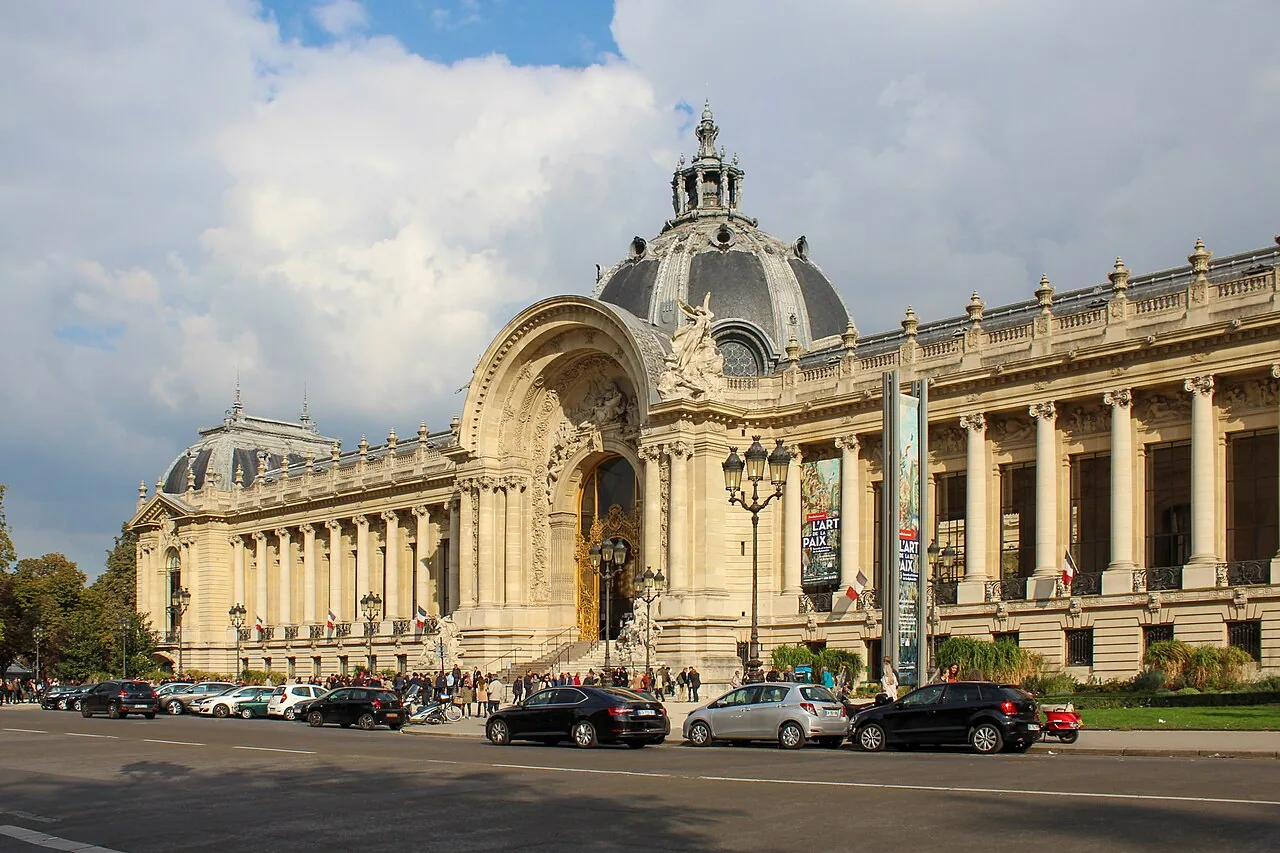
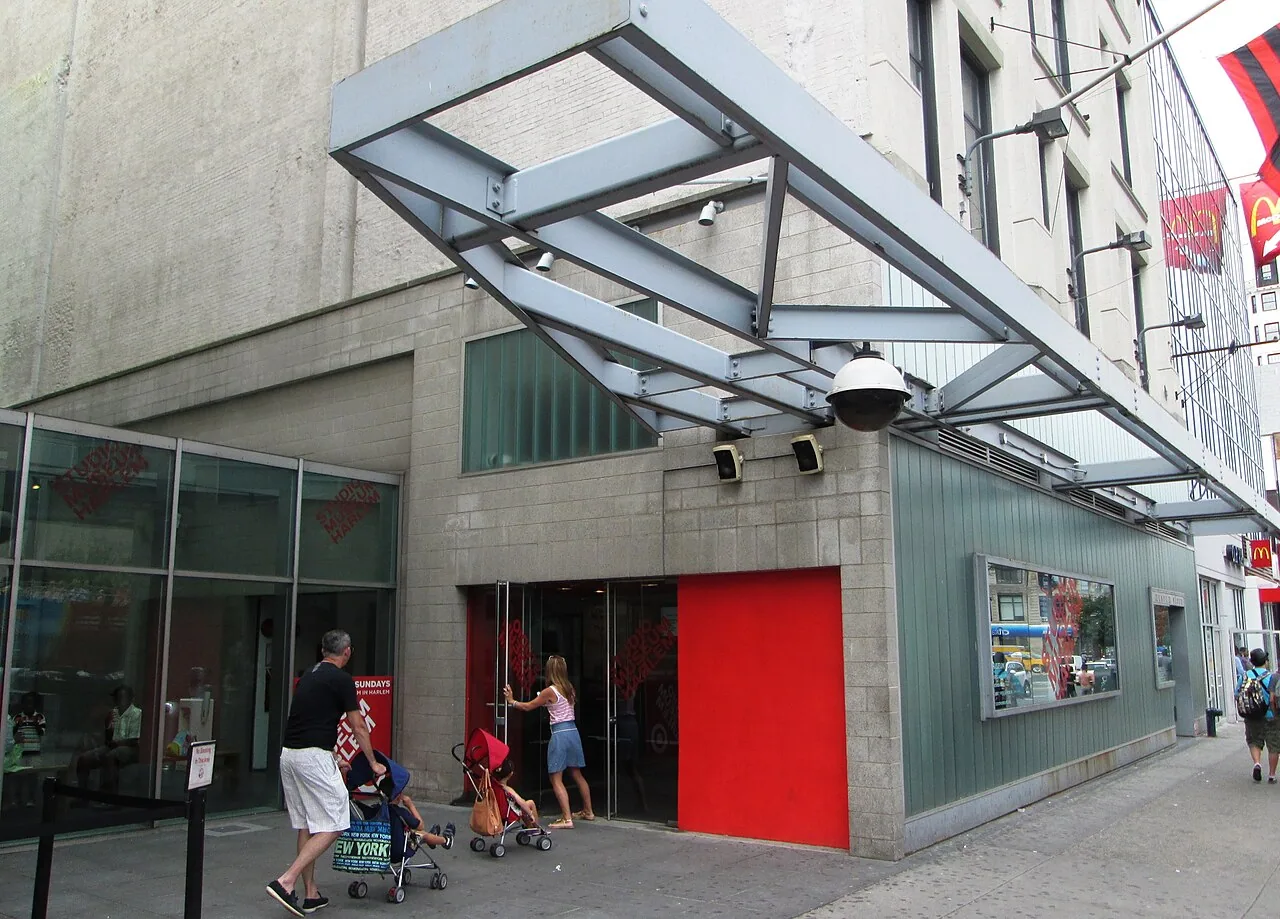
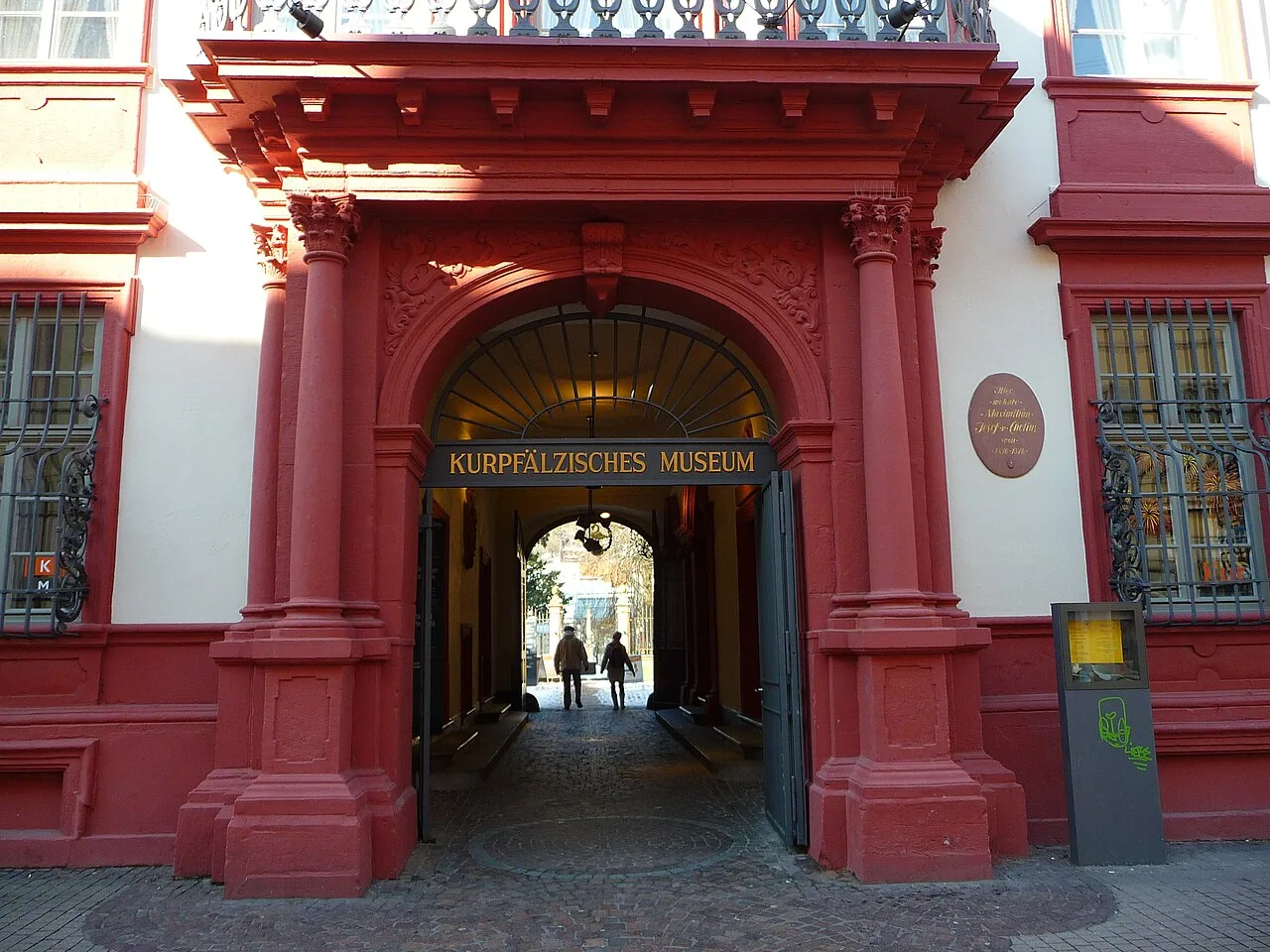
Photograph of the place; the works discussed above are not pictured.

Archive photograph · Hugo Schneider · CC BY-SA 2.0 · WebP; adapted display crop.

Read the museum profile →

Collection

Look at a documented artwork

Specific objects connect techniques, history and collections. These records do not guarantee that works are currently on display.

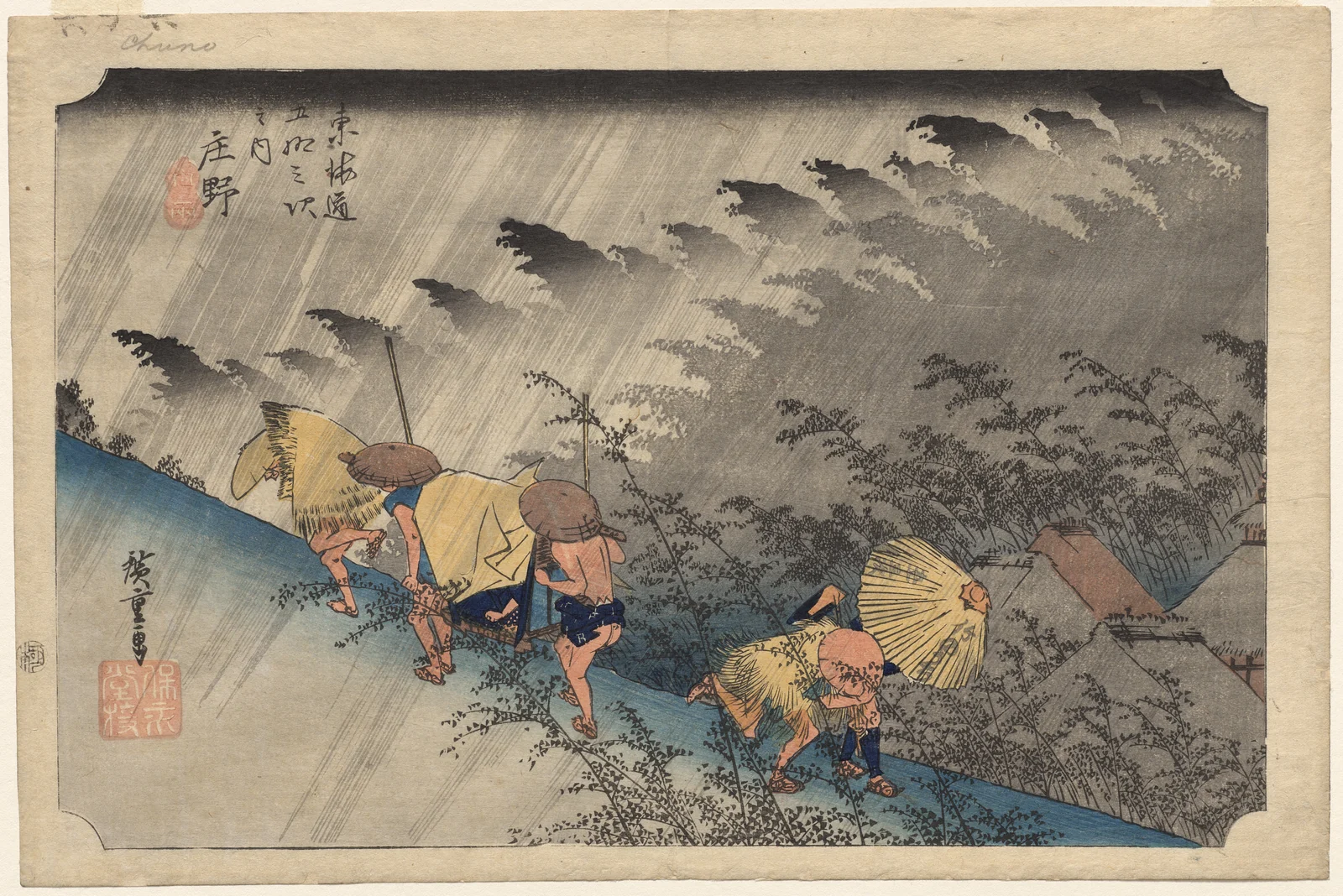
Travellers beneath slanting rain on a path beside dark bamboo.
The Cleveland Museum of Art · CC0

Utagawa Hiroshige

Driving Rain at Shono, from Fifty-Three Stations of the Tokaido

Date
1833
Medium and origin
Colour woodblock print; Japan
Dimensions
38 × 25.4 cm
Inventory number
1948.306

Rain’s diagonals give travellers and landscape a shared direction. The museum identifies three blocks for three grey shades in the distant bamboo. Compare these planes with foreground black lines to understand how a printed image builds atmosphere.

Museum record ↗ — Driving Rain at Shono, from Fifty-Three Stations of the Tokaido

Explore the museum — Cleveland Museum of Art →

Data consulted on .

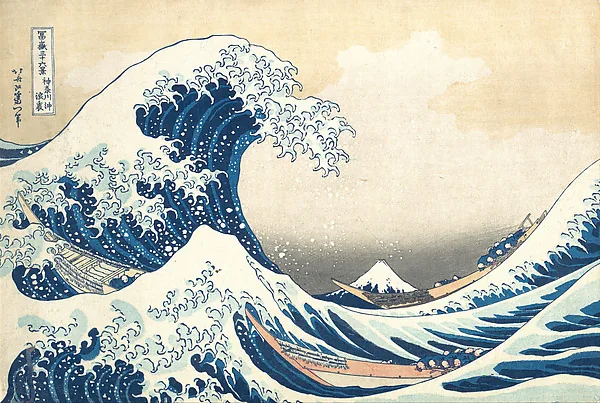
A large blue wave towers over boats, with Mount Fuji in the distance, in Hokusai’s print.
The Metropolitan Museum of Art · CC0

Katsushika Hokusai

The Great Wave off Kanagawa

Date
About 1830–1832
Medium and origin
Woodblock print; ink and colour on paper
Dimensions
25.7 × 37.9 cm
Inventory number
JP1847

This impression belongs to Thirty-six Views of Mount Fuji. JP1847 identifies the Met’s sheet, rather than every impression of the design. Compare the wave, the boats and the small triangle of Mount Fuji: their relative scales organise depth. The technique is woodblock printing, rather than painting.

Museum record ↗ — The Great Wave off Kanagawa

Explore the museum — The Metropolitan Museum of Art →

Data consulted on .

Open Access reproduction · CC0. Resized and converted to WebP, without cropping. Translated title; the museum record retains the reference title.

Compare artworks: what changes your reading

Practical distinctions to check in collection records and observe during your visit.

Comparison for looking at art
DistinctionReading pointQuestions to ask
Matrix and impressionThe matrix produces the image; the printed sheet is the impression. A collection may hold one or both.Does the record describe this particular sheet? Which technique and support are documented?
State and editionChanging a matrix may create a state; an edition requires documented context. Numbering alone does not explain a print run.Are the compared impressions in the same state? Do paper and inking differ?
Image and sheetImage and paper dimensions may differ. Margins, inscriptions and mounting require a sufficiently complete view.Is the reproduction cropped? Does the mount hide part of the support?
Impression and reproductionRecord technique, dimensions and inscriptions for the specific example. Digital enlargement does not establish a print’s size or texture.Are you describing the sheet, printed area or frame? Do the measurements concern the same object?
Photographs: sources and licences

Archive photographs. WebP conversion and adapted cropping; social previews include the site logo. Images do not guarantee current conditions.